REVIEW · MARDIN
Deyrulzafaran Monastery, Dara Ancient Ruins and Old Town Tour in Mardin
Book on Viator →Operated by Ayse Yildiz · Bookable on Viator
Mardin stacks religions on the same stone steps. On this full-day private route, you get air-conditioned private transfers plus a walking circuit through Old Town lanes, with big viewpoint moments from backstreets.
I like how the day is paced with short, focused stops instead of one long museum slog.
I also like the way guide Ayşe Yildiz connects what you’re seeing to real-life culture and today’s mix of communities in the region. Her English comes through clearly, and her stories help each site make sense fast.
The main drawback to plan for: you still need moderate walking on uneven cobblestones, and some of the most time-sensitive stops are ticketed.
Key points to know before you go
- Deyrulzafaran Monastery: a major Syriac Orthodox site, with paid admission and about 45 minutes to take it in
- Dara Mesopotamia Ruins: Roman-era remains about 30 minutes from the old center, and admission is free
- Kırklar Kilisesi (Mor Behnam Church): free entry with a tower that’s treated as a Christianity symbol for Mardin
- Great Mosque of Mardin: free visit timed for quick exterior views, especially the minaret from side streets
- Tellallar Çarşısı (Revaklı Çarşı): free stop with şahmeran workshop culture and a chance to slow down in the bazaar
- Mardin Archaeology & Ethnography Museum + Şatana Konağı: two ticketed buildings that explain the area through architecture
In This Review
- How a 7-Hour Private Route Lets You Read Mardin Street by Street
- Deyrulzafaran Monastery: Syriac Orthodox Roots You Can See in Stone
- Dara Ancient Ruins: A Roman City Layer About 30 Minutes From the Old Center
- Kırklar Kilisesi and the Great Mosque Minaret: Two Symbols, One Old Town Loop
- Tellallar Çarşısı (Revaklı Çarşı) and Şahmeran Workshops: A Pause That Feels Local
- Mardin Museum and Şatana Konağı (Maü Uygulama Oteli): Where Old Buildings Tell You the City’s Logic
- Price and Practical Fit: Is $359 a Smart Move for This 7-Hour Day?
- Should You Book This Mardin Tour?
- FAQ
- How long is the Deyrulzafaran Monastery, Dara Ancient Ruins and Old Town Tour?
- Is pickup offered for this tour in Mardin?
- Is this a private tour?
- Are tickets included for every stop?
- Which sites have free admission on this tour?
- What is included in the price?
- Do I need lunch or coffee planned during the day?
- Is the tour mostly walking, or are there long stretches of driving?
- What fitness level do I need?
- What happens if the weather is bad or I need to cancel?
How a 7-Hour Private Route Lets You Read Mardin Street by Street
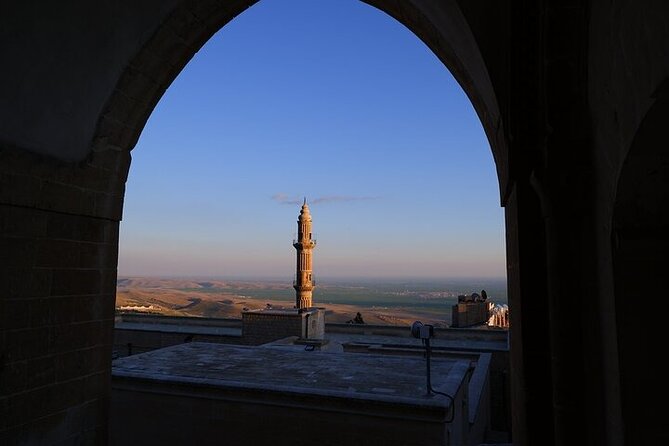
If Mardin feels layered, that’s the point. This tour strings together Syriac Christian sites, Roman ruins, and Islamic landmarks in a way that stays walkable and makes the city feel like one story told in stones.
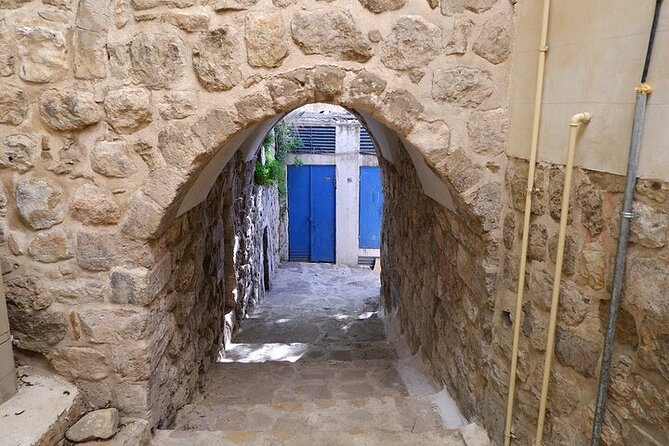
You start with a pickup option and ride in an air-conditioned vehicle. That matters here. Mardin’s old lanes are not made for sprinting. The tour then shifts you into a walking rhythm through the old town, so you can actually connect minaret silhouettes, church towers, and the shape of streets to the views around you.
Timing is the quiet hero of this day. You don’t spend all seven hours in one place. Instead, you get a set of short visits that add up:
- about 45 minutes at Deyrulzafaran Monastery
- 1 hour at Dara ruins
- quick picture-and-learn stops at Kırklar Kilisesi and the Great Mosque
- time inside the museum and the old post-office building (both ticketed)
- a bazaar break at Tellallar Çarşısı
That structure is great if you like variety and you want the big icons without burning the whole day on transport or waiting in lines. It’s also a good fit if you’re trying to understand Mardin’s cultural mix, not just collect photos.
One practical thing: the tour requires moderate physical fitness. You’ll be on foot in parts of the old town, on cobblestones and likely some uneven steps. Comfortable shoes help a lot.
Deyrulzafaran Monastery: Syriac Orthodox Roots You Can See in Stone
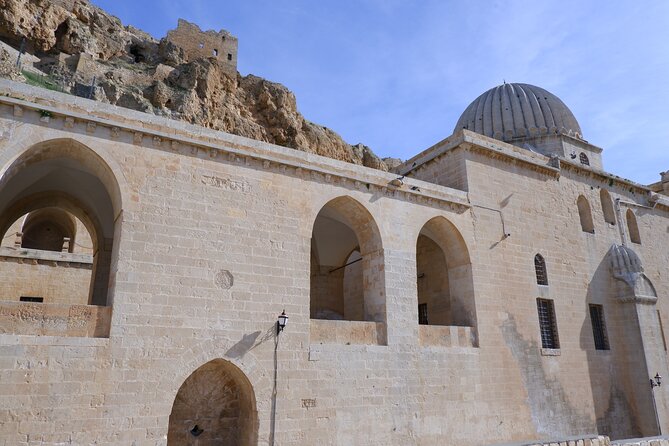
Deyrulzafaran Monastery is the kind of stop that sets the tone for Mardin. This is one of the most important Syriac Orthodox monasteries in the Mardin area, and it’s deeply tied to the region’s Christian heritage. The monastery’s background traces back to when it was transformed into a monastery in the 5th century BC.
You’ll have about 45 minutes here, which is just enough time to get oriented and notice details instead of rushing. Even if you don’t know Syriac art terms, you can still read the place: monastery architecture usually has a calm, intentional layout, and it helps you understand how religious communities lived, organized, and preserved faith over long stretches of time.
This stop is ticketed (admission isn’t included), so build a little budget flexibility. Also, if you’re the type who likes to read at your own pace, that extra time can be useful. If you’re more of a look-and-go person, 45 minutes will feel about right.
What makes this stop shine on this tour is the handoff to the rest of the day. Once you’ve seen Deyrulzafaran, the church tower and museum buildings later don’t feel random. They connect to a bigger pattern: different communities leaving strong marks in the same city.
Dara Ancient Ruins: A Roman City Layer About 30 Minutes From the Old Center
After the monastery, you head toward Dara Mesopotamia Ruins, an ancient Roman city about 30 minutes from the old center. The visit is about 1 hour, and admission is free.
Dara is one of those places where your guide’s job is huge. A site like this is more than a pile of stones. You need someone to frame what you’re looking at: what kind of settlement it was, why it mattered in its time, and how the ruins fit into the larger Mesopotamian story.
The free admission is a nice value boost on this day. It also balances out the paid stops elsewhere, so your total spend doesn’t feel like it’s climbing everywhere you turn.
One small consideration: because your time is limited to about an hour, you’ll get more value from arriving mentally ready to focus. If you walk slowly, take photos steadily, and still listen to the guide, you’ll get the most out of the stop without feeling like you’re sprinting.
I like this stop because it adds a Roman layer to the Christian-and-Islamic icons you’ll see in Mardin’s old town. It turns the day into more than a religious sightseeing loop.
Kırklar Kilisesi and the Great Mosque Minaret: Two Symbols, One Old Town Loop
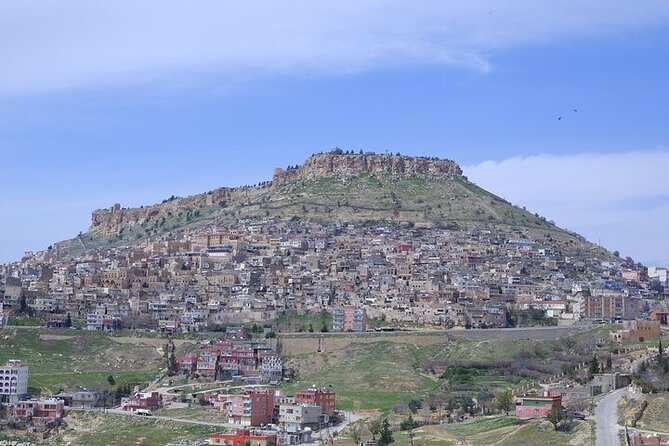
Back in Mardin’s Old Town, the tour does a smart thing: it places religious symbols close together so you can compare them. You’ll visit Kırklar Kilisesi (Mor Behnam Church) first, then later the Great Mosque of Mardin.
Kırklar Kilisesi is free to enter, and the stop is about 20 minutes. The key feature is the church tower, which is considered a symbol of Christianity in Mardin. Even in a short visit, that detail gives you a clear visual anchor. Listen to your guide’s explanation, then look up and around. The tower isn’t just a landmark. It’s a signpost for the city’s identity.
Later, you’ll reach the Great Mosque of Mardin for another 20-minute stop, also with free admission. Here, the minaret is the star, and it’s described as something you simply can’t miss while walking through side streets. This is where the old-town walking style matters: the view of a minaret changes depending on where you stand. In a guided loop, you don’t just see it once. You see it in context.
This part of the day is also where Ayşe Yildiz’s approach stands out. She doesn’t treat these places like separate Wikipedia pages. She connects them to how different groups have shaped what Mardin looks like and what people do today. That makes the architecture feel relevant, not museum-distant.
If you’re sensitive to stairs or steep uneven ground, take it slow here. The tour stays moderate, but the old town can still be physically demanding in small chunks.
Tellallar Çarşısı (Revaklı Çarşı) and Şahmeran Workshops: A Pause That Feels Local
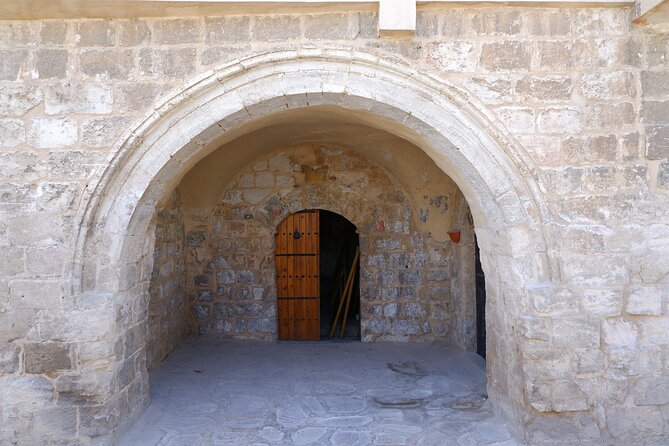
After the main religious icons, the tour turns toward daily life with Tellallar Çarşısı (Revaklı Çarşı). This is a free 30-minute stop in one of the most attractive old bazaars in Mardin.
What I’d highlight: the bazaar connects you to craft culture, not just architecture. Tellallar Çarşısı is known for şahmeran workshops, which gives you a more specific reason to look around. Instead of wandering blindly, you’ll have a theme to watch for, and your guide can steer you toward what matters.
Thirty minutes is the right length here. Long enough to feel the atmosphere and short enough that it doesn’t steal time from the ticketed buildings later. It’s also a practical break: you get a chance to reset after walking and viewpoints.
This stop is a good reminder that Mardin isn’t only about ruins and towers. It’s also about skills that are still practiced in old commercial spaces.
Mardin Museum and Şatana Konağı (Maü Uygulama Oteli): Where Old Buildings Tell You the City’s Logic
Two of the most interesting stops on this route are also the most “architecture-forward.” Both require paid admission, and each is about 20–45 minutes depending on the building.
First up is the Mardin Archaeology and Ethnography Museum. The museum operates in the former Syriac Catholic Patriarchate building, which was converted into a museum in 1995. You’ll get about 45 minutes here. Admission isn’t included, so budget for it. This is the kind of stop that’s worth your time if you want context. When a museum lives inside an old institutional building, you tend to learn faster because the space itself already carries meaning.
Then comes Şatana Konağı, also associated with Maü Uygulama Oteli. This old post office building is described as a masterpiece by architect Sarkis Lole. Your visit is about 20 minutes, and admission isn’t included.
I like these two stops because they widen the day beyond religion and ruins. They show you how Mardin organized community life through major buildings: spiritual leadership housed in one landmark, and communication infrastructure in another. When you’ve seen both, the city feels more planned, more human-scaled, and less like random pockets of importance.
If you’re not a museum person, you might feel the ticket time. But if you enjoy understanding how buildings used to function, these are strong uses of your time.
Price and Practical Fit: Is $359 a Smart Move for This 7-Hour Day?
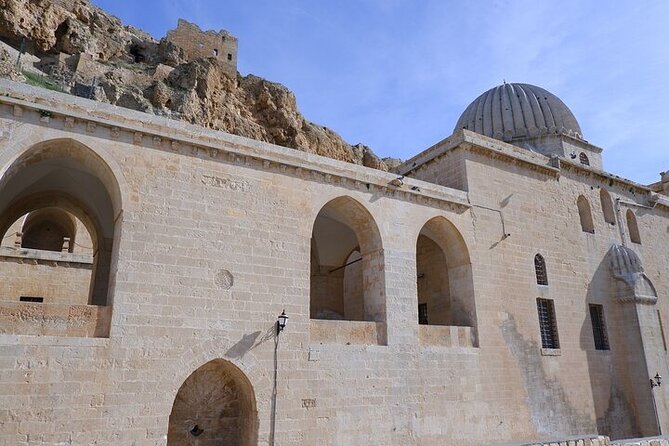
At $359 for roughly 7 hours, you’re paying for three things at once:
1) a private day plan (your group only)
2) guided storytelling through multiple major sites
3) air-conditioned private transport between the monastery, ruins, and old town
That pricing makes sense if you want a focused, end-to-end route without coordinating transfers and entrance timing on your own. It also makes sense if you’re relying on a guide to connect the dots across religions and eras. In a city like Mardin, that connection is what turns the day from sight-seeing into understanding.
Here’s the tradeoff: some key stops have admissions not included. Deyrulzafaran Monastery, the archaeology museum, and Şatana Konağı are ticketed, while Dara ruins, Kırklar Kilisesi, the Great Mosque, and Tellallar Çarşısı are listed as free.
So, if you’re traveling with a tight budget, you should mentally add those ticket costs when you compare prices. If you’re more focused on value-of-time (not spending evenings coordinating), this tour still looks strong.
Who it suits best:
- You want a private guide who can explain how Turkish, Syriac, Kurdish, Armenian, and Yazidi communities intersect in what you see
- You like walking Old Town lanes but want comfort between stops
- You prefer short visits that add up to a full picture instead of one long stay
Should You Book This Mardin Tour?
If you want one day that covers the main icons of Old Town plus a major regional ruin, I’d book it. The mix of Deyrulzafaran Monastery, Dara ruins, and the walk-by landmarks around church tower and mosque minaret gives you a balanced view of Mardin’s layered identity.
I’d skip it only if you dislike ticketed stops or you know you can’t handle moderate walking on uneven cobblestones. Otherwise, this is a practical, story-led day built for people who want to understand Mardin, not just pass through it.
FAQ
How long is the Deyrulzafaran Monastery, Dara Ancient Ruins and Old Town Tour?
The tour lasts about 7 hours.
Is pickup offered for this tour in Mardin?
Yes, pickup is offered.
Is this a private tour?
Yes. It’s a private tour/activity, and only your group participates.
Are tickets included for every stop?
No. Admission tickets are not included for Deyrulzafaran Monastery, Mardin Arkeoloji ve Etnografya Muzesi, and Şatana Konağı (Maü Uygulama Oteli).
Which sites have free admission on this tour?
Admission is listed as free for Dara Mesopotamia Ruins, Kirklar Kilisesi (Mor Behnam Church), the Great Mosque of Mardin, and Tellallar Çarşısı (Revaklı Çarşı).
What is included in the price?
Included are an air-conditioned vehicle, private transportation, and the guiding fee.
Do I need lunch or coffee planned during the day?
Lunch and coffee and/or tea are not included.
Is the tour mostly walking, or are there long stretches of driving?
You explore the city on foot as part of the experience, and you also use air-conditioned private transfers between stops.
What fitness level do I need?
The tour calls for a moderate physical fitness level.
What happens if the weather is bad or I need to cancel?
The experience requires good weather. If it’s canceled due to poor weather, you’ll be offered a different date or a full refund. You can cancel for a full refund up to 24 hours in advance.