REVIEW · NEW DELHI
Guided 3‑hour rickshaw ride through Old Delhi with transfers
Book on Viator →Operated by Go City Adventures · Bookable on Viator
One rickshaw, seven market stops in Old Delhi. I like that the tour is led by local guides such as Akansha, Kanika, and Mona, so you’re not stuck guessing your way through the lanes, and you get a real sense for how the neighborhood pieces fit together. I also like the payoff: you visit major religious landmarks like Jama Masjid and a Sikh gurudwara, then you finish at Khari Baoli for spice shopping that’s hard to replicate on your own. The main trade-off is practical—at worship sites you’ll need to cover knees and shoulders, remove shoes, and you should budget extra for the Jama Masjid entrance fee.
Hotel pickup and drop-off helps a lot in a place where traffic and lane-hopping can turn into time waste, especially if you’re not already oriented. With a max group size of 12, the ride still feels organized, and the guide works in English (with other languages possible). You will be moving through crowded streets and doing some walking on top of the rickshaw time, so plan comfortable footwear and a moderate pace.
In This Review
- Key Things to Know Before You Go
- Old Delhi by Bicycle-Driven Rickshaw: Why 3 Hours Feels Right
- Transfers and Small Group Size: Where the Tour Earns Its Place
- Chawri Bazaar Lanes: Old Market Energy in 15 Minutes
- Jama Masjid: The Main Mosque Stop and the One Extra Cost
- Kinari Bazaar and Naughara: Quick Hits That Make Old Delhi Feel Real
- Gurudwara Sis Ganj Sahib: Temple Visit, Cover-Ups, and Langar If It Works
- Chandni Chowk to Khari Baoli: Street Life and Serious Spice Shopping
- Price and Value: What $26.74 Gets You (and What Costs Extra)
- Practical Expectations: Clothing, Shoes, and Moving Through Crowds
- Who This Tour Fits Best
- Should You Book This Old Delhi Rickshaw Tour?
- FAQ
- How long is the Old Delhi rickshaw ride tour?
- Is hotel pickup and drop-off included?
- What parts of the route will I visit?
- Is the entrance fee for Jama Masjid included?
- Will I have a guide and what language do they speak?
- Are group discounts offered?
- Do I need to cover my knees and shoulders?
- Do I need to remove shoes at the temples or mosque?
- What’s the maximum group size?
- Is there free cancellation?
Key Things to Know Before You Go
- Bicycle-driven rickshaw time keeps you close to the sights without fighting traffic for every turn.
- Local guides (Akansha, Kanika, Mona, etc.) help you navigate the busy market flow.
- Jama Masjid + a Sikh gurudwara on the same route gives you two very different spiritual experiences in one morning/afternoon.
- Khari Baoli ends the tour at Asia’s largest spice market, with real time to look and buy.
- Optional minaret climb at Jama Masjid can add a panoramic viewpoint if you’re up for it.
- Langar at Gurudwara Sis Ganj Sahib may be available if conditions allow during your visit.
Old Delhi by Bicycle-Driven Rickshaw: Why 3 Hours Feels Right
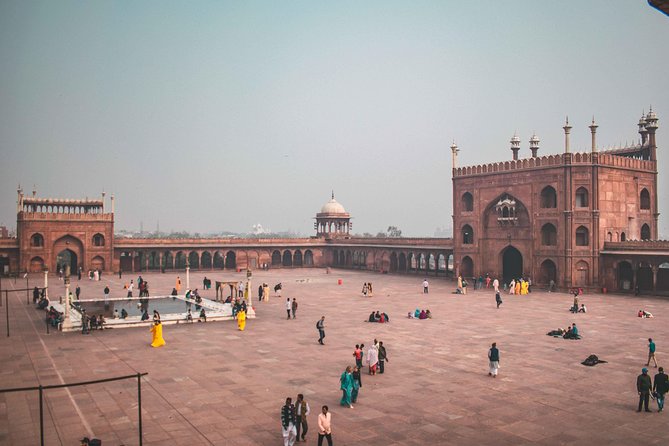
This tour is built for the part of Old Delhi that’s hardest to enjoy on your own: the scale and the density of alleys, markets, and crowds. A bicycle-driven rickshaw helps because it puts you in motion slowly enough to notice details, but quickly enough to keep the day from turning into a long commute between sights.
Three hours also gives you a good rhythm. You don’t just “see” one monument and rush away. You start in market lanes, ride to the biggest mosque in the area, then keep going through wedding-supply streets, heritage lanes, a Sikh temple visit, and finally the spice market. It’s a practical sampler platter of Old Delhi’s textures—commerce, worship, and everyday street life.
The other hidden advantage: with a guide and a set route, you spend less mental energy on logistics. That matters when you’re dealing with shifting crowds, street stalls, and people calling out prices.
You can also read our reviews of more guided tours in New Delhi


Transfers and Small Group Size: Where the Tour Earns Its Place
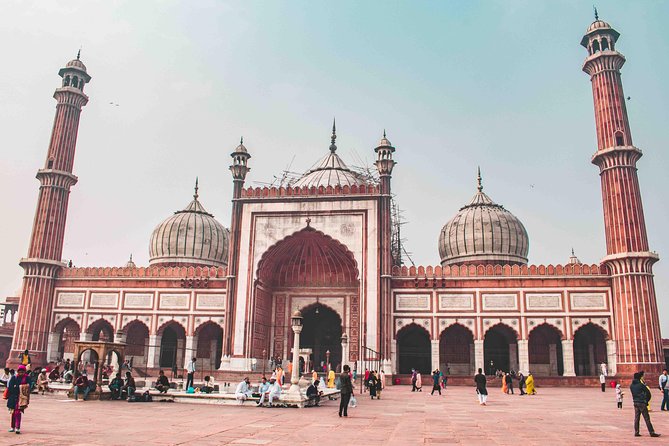
The biggest value-add here is not just the rickshaw—it’s the fact that the tour includes hotel pickup & drop-off and a local guide you can rely on. In Old Delhi, the “wrong turn” isn’t a minor annoyance. It can cost you time, confuse your sense of direction, and push you into heavier traffic.
A group capped at 12 people is also meaningful. In a packed market, big groups stretch out. You lose time waiting, and people start to drift away from the plan. A smaller group means your guide can keep everyone moving together, and your driver has an easier job threading through.
You’ll also see that this tour is designed to work with real-world conditions. It’s near public transportation, and that matters if you’re building your day around metro stops or you’re already using transit to get around Delhi.
Chawri Bazaar Lanes: Old Market Energy in 15 Minutes
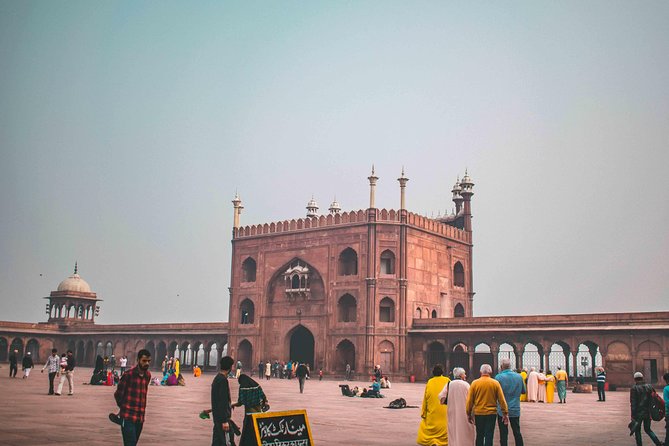
Chawri Bazaar is a strong opening because it’s not a “tourist-only” vibe. It’s known for wholesale trade in items like brass, copper, and paper goods. The 15-minute stop is short on purpose. You get a taste of the lanes and old architecture without turning the first segment into a shopping marathon.
What I like about starting here: it teaches you the layout of Old Delhi early. After you’ve seen how the lanes pinch and how shops cluster, later stops like Chandni Chowk feel less overwhelming. You’re not walking into chaos cold; you’re learning the flow as you go.
Practical tip: plan for narrow lanes and lots of foot traffic. Keep your hands free for photos and small purchases, and wear something you’re comfortable adjusting if you need to cover up before a worship stop later.
Jama Masjid: The Main Mosque Stop and the One Extra Cost
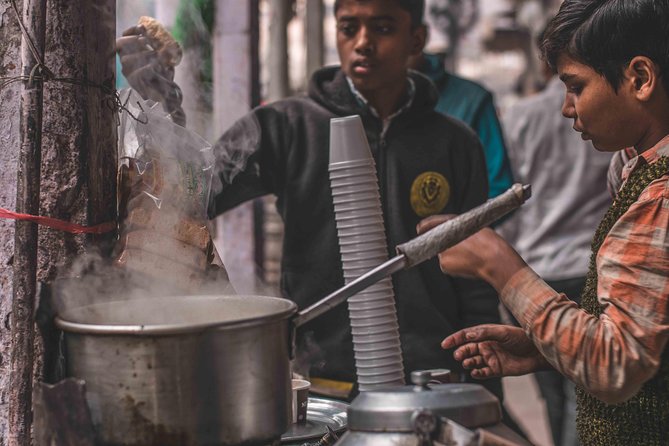
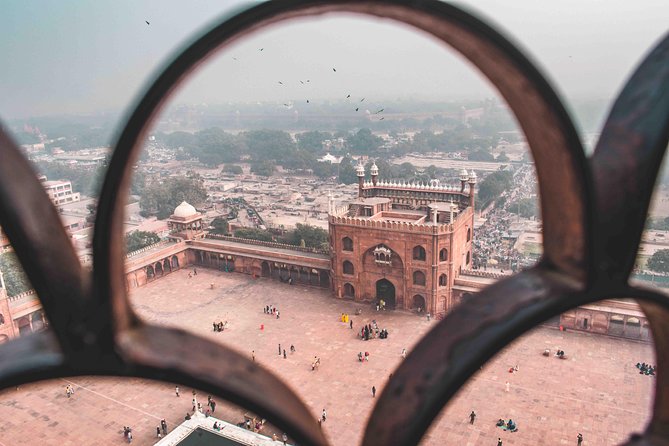
Jama Masjid is the anchor sight on this route. The tour gives you about 30 minutes here, which is enough to appreciate the scale and still have time for a measured look around without feeling rushed.
Two key points to know before you go:
- Admission is not included. You should plan on paying ₹450 per person.
- Dress rules apply. Knees and shoulders must be covered.
The optional minaret climb is a nice bonus if you’re comfortable in a crowded environment and you want that panoramic perspective over Old Delhi. Even if you skip it, the main courtyard area still gives you a powerful sense of place.
Why this stop matters for first-timers: Old Delhi’s identity often gets reduced to markets, but Jama Masjid reminds you it’s also a major religious center with big, day-to-day community energy. It changes how you read the streets around it.
Kinari Bazaar and Naughara: Quick Hits That Make Old Delhi Feel Real
After the mosque, the route shifts into the “everyday details” that make Old Delhi feel like a living city.
Kinari Bazaar is known for colorful, intricate wedding accessories. Expect lots of visible craftsmanship and close, shop-lined streets where people are buying the kinds of items that only exist in cultures with major wedding traditions. The 10-minute stop is brief, but it’s long enough to walk, look, and understand the vibe.
Then comes Naughara, a lane area lined with older havelis—traditional mansions. The 15-minute window is a good length for architecture spotting. You’re not being asked to study carvings like a museum visitor; you’re just being guided to the parts of the street that explain why the area looks the way it does.
If you care about texture and not just landmarks, these two quick stops are the glue that keeps the tour from feeling like a checklist.





Gurudwara Sis Ganj Sahib: Temple Visit, Cover-Ups, and Langar If It Works
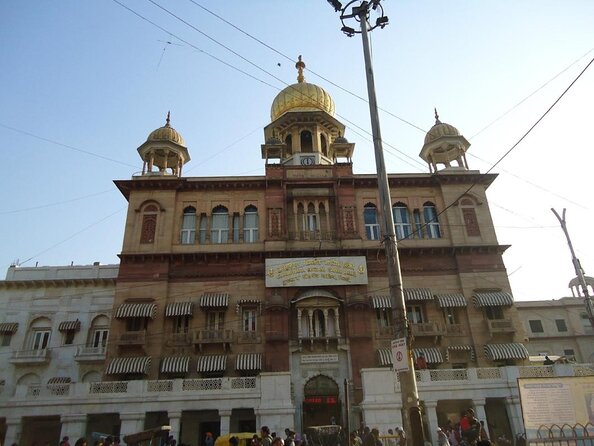
Gurudwara Sis Ganj Sahib is a major Sikh temple stop, and the tour gives you around 30 minutes. This is where the day gets calmer. Markets can be noisy and sales-focused; temple spaces tend to slow you down.
Plan on following the rules: cover knees and shoulders, and remove shoes at places of worship. Shoes and slippers are stored safely for you, which is a big practical relief when you’re trying to move through crowded areas without holding sandals in your hands.
One of the best additions here is the possibility of langar, the community meal. The tour doesn’t guarantee it, but if it’s available during your visit, it’s often one of the most meaningful experiences you can have because it’s part of the temple’s daily rhythm—not a staged performance.
Even if you don’t eat langar, this stop is a useful contrast point. You’ll see how Old Delhi can be both intensely commercial and deeply community-centered within the same half day.
Chandni Chowk to Khari Baoli: Street Life and Serious Spice Shopping
Chandni Chowk is one of Delhi’s oldest and busiest markets, and the tour gives you about 30 minutes here. This is your main street-life segment, with time to browse and eat street snacks if you want, plus shop for items like clothes and spices.
Here’s how to make this part enjoyable instead of chaotic:
- Decide what you’re buying before you’re surrounded by stalls.
- Keep your purchases small to medium until you reach Khari Baoli, where you can compare spices.
- Use the guide to identify where to look, not to negotiate for you.
Then the tour ends at Khari Baoli, described as Asia’s largest spice market. The final 30 minutes matter because spice markets are fun to look at and hard to shop in unless you have time to compare. This is where you can walk the market, ask questions, and purchase spices to bring home.
Important note: you’ll probably see many types of spice blends, plus loose spices. The tour gives you the time to make choices, but it doesn’t turn the stop into an organized “buy this specific thing” session. If you want a souvenir spice mix, you’ll be better off coming with a few ideas like what you cook at home—then you can match it to what’s available.
Price and Value: What $26.74 Gets You (and What Costs Extra)
At $26.74 per person, this tour is positioned as a value-friendly way to cover real ground in Old Delhi. You’re paying for three things that add up fast if you DIY:
- Hotel pickup & drop-off, which reduces wasted time and confusion
- A local guide in English who helps you navigate the route
- A rickshaw ride plus structured stops at key locations
You do have one clear extra cost: Jama Masjid entrance fee (₹450 per person). That doesn’t break the experience, but it does change the effective total price. Still, even with the extra admission, the tour often pencils out well if you’d otherwise need a driver/guide for the same set of sights, especially in a place where the “right route” can be hard to find.
One more factor for value: this is a tour you can’t easily replicate exactly without research. The sequence—markets, mosque, gurudwara, heritage lanes, then spices—creates a day that feels varied, not repetitive.
If you’re considering booking soon, note that it’s commonly reserved about a month in advance (on average, 29 days). If your dates are fixed, booking earlier helps.
Practical Expectations: Clothing, Shoes, and Moving Through Crowds
This tour comes with clear rules for religious sites. Knees and shoulders must be covered at places of worship. You’ll also need to remove shoes, and they’ll be stored safely for you.
That means you should pack (or wear) something simple you can adjust fast—like a lightweight scarf or layer you can pull on without making a mess. Comfortable footwear is also a must. You’ll be doing walking segments between stops, even though the rickshaw handles the main movement.
Physical fitness level should be moderate. If you don’t enjoy crowds or long periods on your feet, you might feel the stress more here than on a slower city drive.
Who This Tour Fits Best
This is a good match if you:
- Want an Old Delhi highlights route without heavy map work
- Like mixing major sights with market time
- Enjoy shopping with context—like learning your way through spice stalls at the end
- Prefer a small group and guided pacing
It may not be ideal if you:
- Get uncomfortable in crowded, high-traffic lanes
- Can’t manage covering up and taking shoes off at worship sites
- Want a totally flexible day with no structured stops
Should You Book This Old Delhi Rickshaw Tour?
I’d book it if you want a well-paced sampler of Old Delhi that includes both Jama Masjid and Gurudwara Sis Ganj Sahib, plus meaningful market time that ends with real spice shopping at Khari Baoli. The rickshaw adds a “you’re in the city” feel, and hotel pickup plus a small group keeps the day from getting messy.
If you’re budget-conscious, just remember the Jama Masjid entrance fee is extra, and you’ll want to wear clothing that follows the dress rules from the start of the day. Once you handle those basics, this tour is a smart way to spend a half-day seeing the parts of Old Delhi that most visitors struggle to connect on their own.
Go City Adventures runs this experience, so check the schedule for your exact date and plan your day around the 3-hour window.
FAQ
How long is the Old Delhi rickshaw ride tour?
The tour runs for about 3 hours.
Is hotel pickup and drop-off included?
Yes. Hotel pickup and drop-off are included.
What parts of the route will I visit?
You’ll start at Chawri Bazaar, visit Jama Masjid, then pass through Kinari Bazaar and Naughara, visit Gurudwara Sis Ganj Sahib, ride through Chandni Chowk, and end at Khari Baoli.
Is the entrance fee for Jama Masjid included?
No. Jama Masjid entrance is not included and costs ₹450 per person.
Will I have a guide and what language do they speak?
Yes. The tour includes an English/language-speaking local guide.
Are group discounts offered?
Group discounts are listed as a feature of this tour.
Do I need to cover my knees and shoulders?
Yes. Knees and shoulders must be covered at all places of worship.
Do I need to remove shoes at the temples or mosque?
Yes. Shoes and slippers need to be removed at places of worship, and they will be stored safely for you.
What’s the maximum group size?
The tour has a maximum of 12 travelers.
Is there free cancellation?
Yes. You can cancel up to 24 hours in advance for a full refund. If you cancel less than 24 hours before the start time, the amount paid is not refunded.