REVIEW · DUBAI
Al Ain City Tour | Oasis, Heritage & History Landscapes
Book on GetYourGuide →Operated by Desert Rose Tourism LLC L.L.C Dubai Branch · Bookable on GetYourGuide
First, Al Ain feels like a whole other UAE. This full-day route strings together Al Jahili Fort, the UNESCO Al Ain Oasis, a climb to Jebel Hafeet, and the classic camel market—so you get history, desert scenery, and everyday culture in one sweep. I especially like the small-group setup (limited to 6) and the live English guide who keeps the day moving without turning it into a rush-fest.
The one thing to think about: it’s a long day from Dubai, and lunch plus entry tickets aren’t included—so you’ll want to plan for food and add-on costs ahead of time.
In This Review
- Key highlights to look forward to
- A Full-Day Al Ain Checklist: what you’ll actually see
- Price and logistics: is $134 a fair deal?
- Pickup from Dubai: the day starts before you arrive
- Jebel Hafeet: the mountain stop that sets the tone
- Green Mubazzarah Public Park: the oasis-adjacent breather
- Al Ain Oasis (UNESCO): where the irrigation story makes sense
- Lunch break in Al Ain: keep it flexible
- Al Ain National Museum: the context stop
- Al Jahili Fort: fortress architecture you can feel
- Al Ain Camel Market: culture you can watch up close
- Al Ain Palace Museum and Sheikh Zayed’s legacy
- Small group with an English guide: why it matters
- Who this tour fits best
- Quick gear and comfort checklist
- Should you book the Al Ain Oasis, Heritage & History tour?
- FAQ
- How long is the Al Ain City Tour?
- Where is pickup and drop-off from?
- What is included in the price?
- Is lunch included?
- Are entry tickets included?
- Is the tour wheelchair accessible?
Key highlights to look forward to
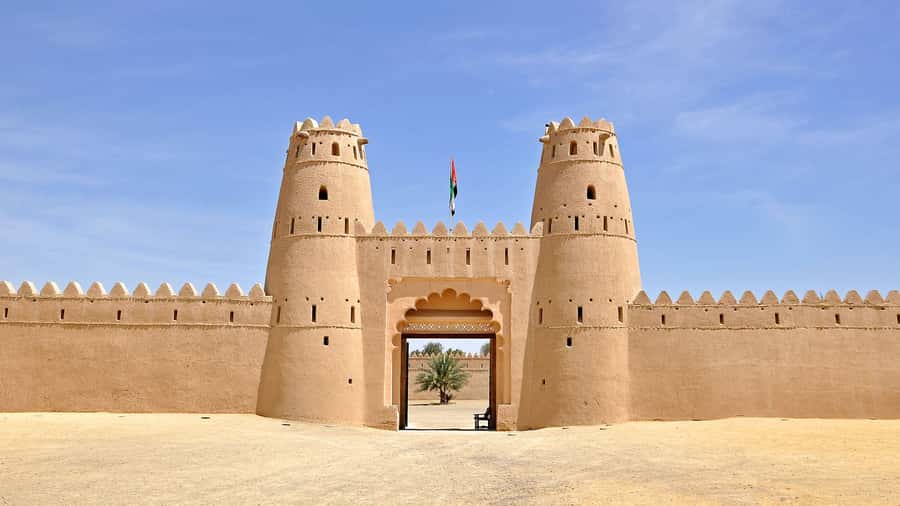
- Al Jahili Fort for that late-1800s fortress feeling and hands-on cultural exhibits
- Al Ain Oasis (UNESCO) with shaded walkways and the centuries-old falaj irrigation system
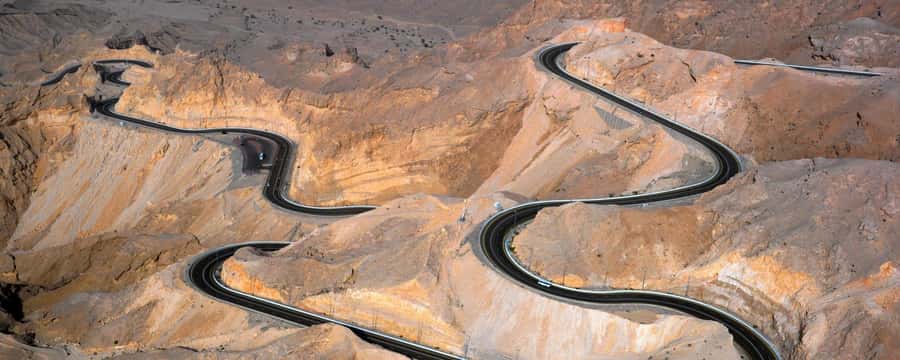
- Jebel Hafeet for a high viewpoint over the city and desert
- Al Ain Camel Market for a traditional trading atmosphere and Emirati camel culture
- Al Ain Palace Museum tied to Sheikh Zayed bin Sultan Al Nahyan and royal household life
- Small group + English guide for a more flexible pace and better questions
A Full-Day Al Ain Checklist: what you’ll actually see
This tour is built for one clear goal: give you a strong cross-section of Al Ain in a single 10-hour block. You start with viewpoints and green spaces, then move into heritage sites and museums, and end with a very local slice of life at the camel market. It’s the kind of itinerary that works because the stops talk to each other. You see where people lived (oasis), how they defended a region (fort), what they looked at from high ground (Jebel Hafeet), and how animals shape local culture (camel market).
Value-wise, it’s not just “places on a map.” The best part is the logistics: pickup and drop-off from Dubai, an air-conditioned vehicle, and a guide to translate what you’re looking at. With only up to 6 people, you’re less likely to get stuck waiting while your group catches up.
You can also read our reviews of more city tours in Dubai

Price and logistics: is $134 a fair deal?
At around $134 per person for a 10-hour day from Dubai, you’re paying for three big things: transportation, a live guide in English, and guided access to multiple major Al Ain sites (including Al Jahili Fort, Al Ain Oasis, Jebel Hafeet, camel market, and Al Ain Palace Museum).
What’s not included matters for your budget:
- Lunch isn’t included, so you’ll likely spend money during the built-in break.
- Entry tickets aren’t included, so you should expect small add-on fees when you reach museums/heritage stops.
If you’re comfortable paying for food and any ticketed entry, the price feels sensible for a full-day, cross-city experience with minimal hassle. If you’re strict about total spend, you’ll want to carry a budget for lunch and admissions so the day doesn’t surprise you.
Pickup from Dubai: the day starts before you arrive
Pickup is set up for convenience, with options from Dubai City and Deira (any hotel), plus a Business Bay pickup option. That’s helpful because it reduces the “how do I get to the meeting point” friction. Drop-off is also back to Dubai (with Business Bay listed as a drop-off option), so you’re not stranded after the last stop.
Because it’s a long day, I recommend you travel light: the tour doesn’t allow alcohol/drugs, and it also doesn’t allow luggage or large bags. Think small daypack, water, sunglasses, and a layer for indoor museums.
Jebel Hafeet: the mountain stop that sets the tone
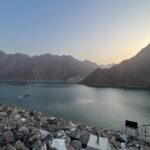
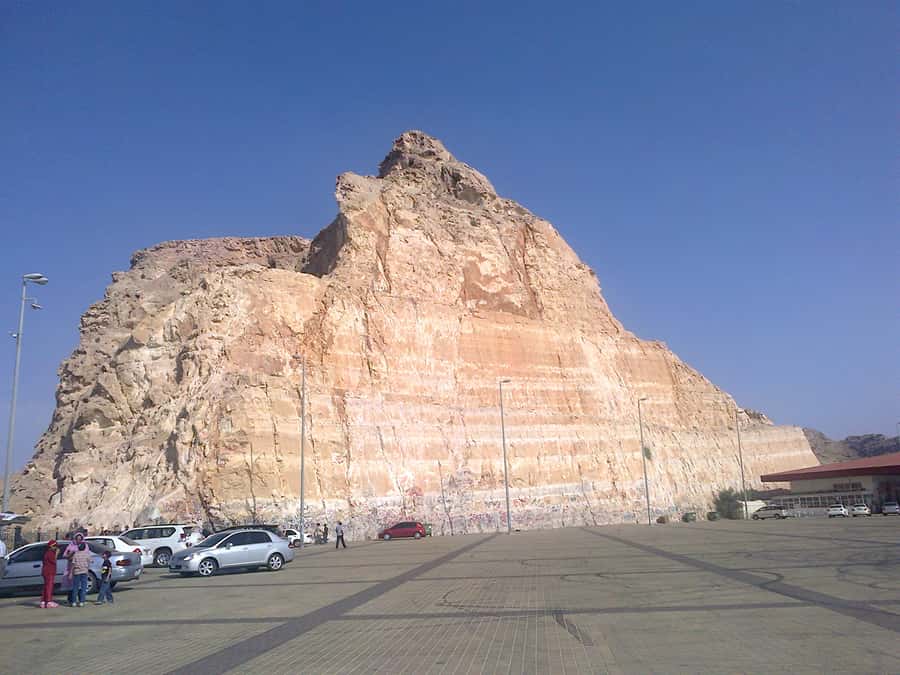
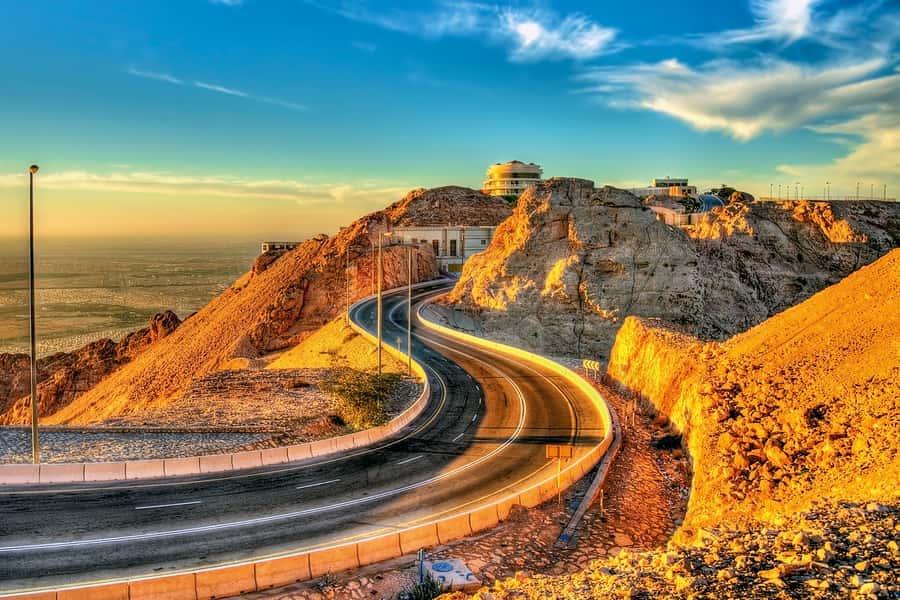
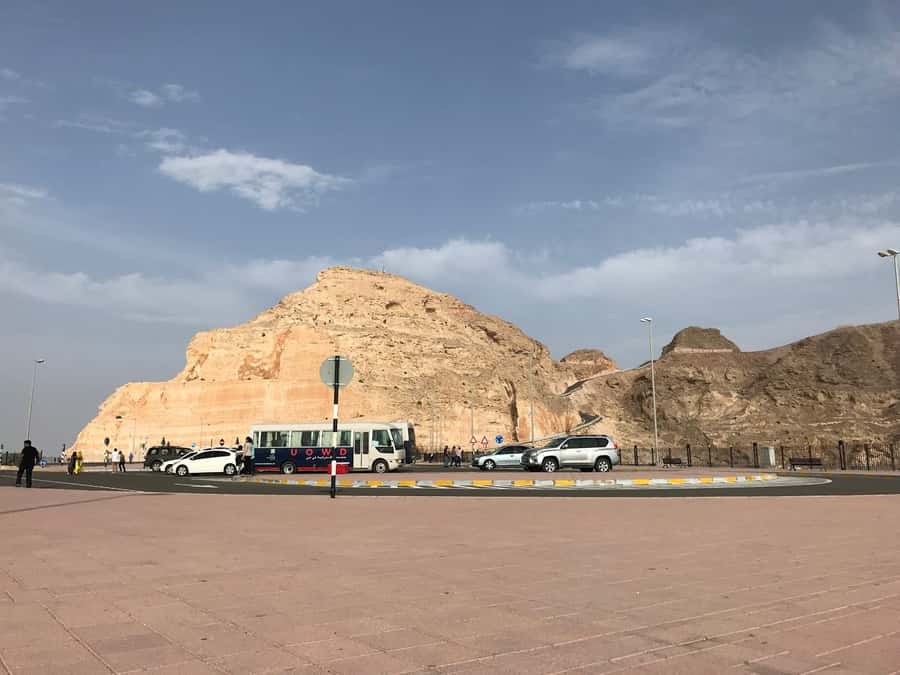
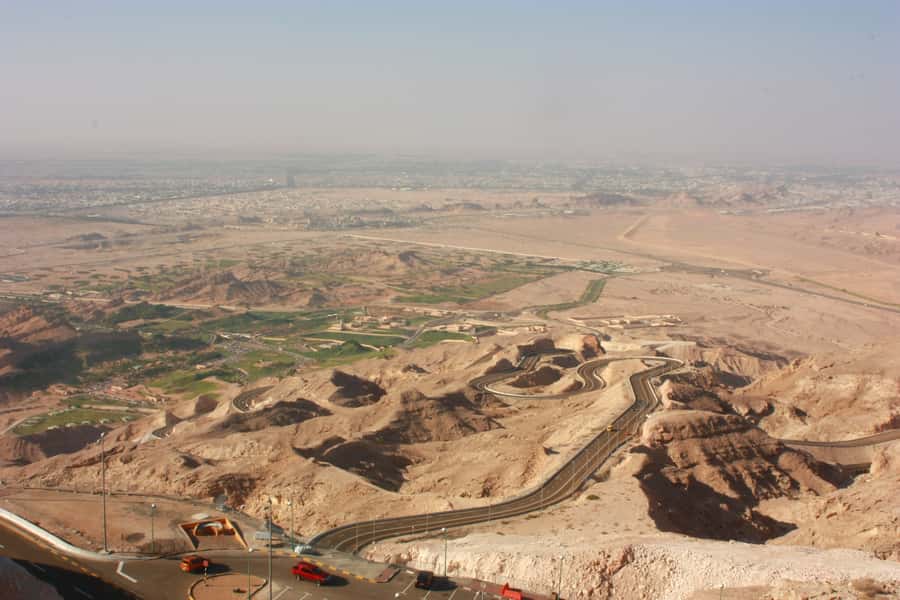
The day includes a visit to Jebel Hafeet with about 50 minutes on-site. This is your first big “wow” moment because the mountain is the highest peak in the United Arab Emirates, and the drive up is part of the experience. You’ll get wide views over the surrounding desert and the city of Al Ain.
Practical tip: go in with comfortable shoes. Even if you’re not trekking, you’ll likely do some walking for viewpoints and photos. If you’re photographing, bring something that lets you steady your shots—many viewpoints can have strong wind at the top.
Green Mubazzarah Public Park: the oasis-adjacent breather
After the mountain, there’s a stop at Green Mubazzarah – Public Park, again about 50 minutes. This is a calmer break between scenery and heritage. It’s also a good timing choice: you’ve got your eyes tuned to height and distance, then you get a more human-scale, relaxed setting before moving into the oasis.
If the weather is warm (and in UAE it often is), this kind of pause is more than “extra time.” It helps you avoid the tired, hot scramble you get when you go straight from viewpoint to walking-heavy sites.
You can also read our reviews of more historical tours in Dubai

Al Ain Oasis (UNESCO): where the irrigation story makes sense
Next up is the star green space: Al Ain Oasis, a UNESCO World Heritage site, with around 50 minutes. You’ll walk through shaded pathways surrounded by palm groves, and the main reason this stop is worth your time is the falaj irrigation system.
Instead of treating the oasis like just a pretty park, you learn how the water system sustained farming and the oasis itself for centuries. That context changes how you see everything: the palms don’t just look scenic—they’re part of a real, engineered relationship between water and daily life.
What I like here is that it’s not overly complicated. You can enjoy it at two levels:
- A simple stroll with shade and cool air breaks.
- A deeper appreciation for how sustainable water management works in arid climates.
Wear comfortable shoes for walking paths, and consider a hat or sunglasses. The oasis paths are shaded, but you can still get sun on edges and during transfers.
Lunch break in Al Ain: keep it flexible
There’s a 30-minute lunch window in Al Ain. Lunch isn’t included, so you’ll either buy something nearby or plan your own snack-and-meal combo. This is the right size break for a full-day tour—long enough to reset, short enough that you keep momentum.
If you’re picky about food, this is the moment to ask your guide what’s easiest to grab quickly. The goal is simple: arrive at your next historical stops with energy, not with a “we’ll just power through” vibe.
Al Ain National Museum: the context stop
After lunch, there’s a stop at the Al Ain National Museum for about 50 minutes. Museums are always a gamble on a tour—sometimes you get rushed, sometimes you get time to actually read.
Here’s what this stop can do well: it gives background so the next sites don’t feel like disconnected attractions. When you understand the region’s development and cultural evolution, Al Jahili Fort hits harder and the palace museum makes more emotional sense.
If you’re short on attention for museums, focus on a few key galleries instead of trying to absorb everything. In 50 minutes, “savor one or two sections” beats “see it all and feel tired.”
Al Jahili Fort: fortress architecture you can feel
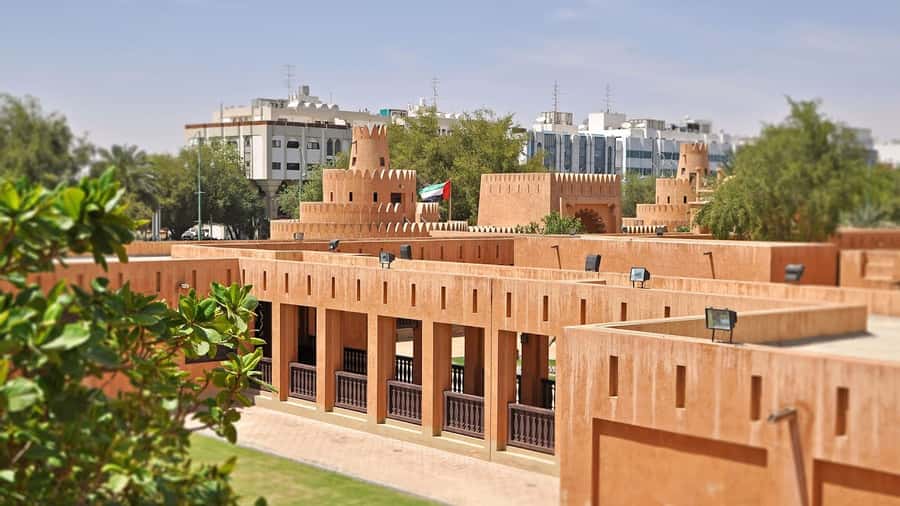
Then you move to Al Jahili Fort, with a photo stop plus visit time of about 50 minutes. This late-19th-century fortress has imposing architecture and intricate details, and the interior exhibits focus on why the fort mattered for protecting the region—plus local culture and heritage.
What I like most about forts is how they explain behavior. You can look at defensive design and then connect it to the landscape of water access, settlement, and trade. Even if you don’t read every sign, the building itself tells you a lot about the era.
Tip: take a moment at the outside first for photos, then go inside. It helps you orient mentally—forts are easier to understand when you’ve mapped their layout visually.
Al Ain Camel Market: culture you can watch up close
The tour includes a stop at Al Ain Camel Market, again about 50 minutes with a photo stop and visit. The atmosphere is traditional trading, and it gives you a front-row view of how camels connect to daily life and local culture.
One important consideration: the camel market may not always run. In one recent experience, it was closed due to maintenance, and the guide adjusted the day with an alternate program so the time didn’t feel wasted. So keep an open mind. If it’s not operating, you still want your guide to show you a close substitute that matches the spirit of the stop.
Also, you’ll want to be respectful with photos and space. If animals are present, move slowly and let handlers do their thing. You’ll enjoy it more when you’re not rushing to get the perfect shot.
Al Ain Palace Museum and Sheikh Zayed’s legacy
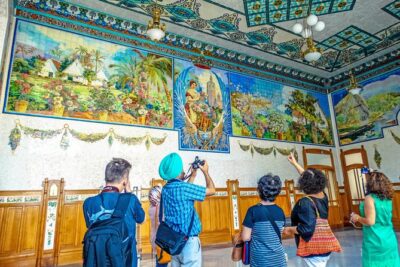
This tour also includes Al Ain Palace Museum, tied to Sheikh Zayed bin Sultan Al Nahyan, the first President of the UAE. The museum experience centers on royal heritage and opulent architecture, plus personal belongings, artifacts, and photographs that show what life in the palace meant for Zayed and his family.
If forts are about protection and oasis life is about water, the palace museum is about leadership and identity. You come away with a different kind of understanding: how national story and personal family story connect in physical spaces.
Practical note: museums are where you’ll feel the comfort of clothing choices. You’ll want comfortable clothes and shoes since you’ll likely walk through multiple rooms and areas.
Small group with an English guide: why it matters
This isn’t a massive bus tour. It’s a small group capped at 6, and you’ll have a live English guide. That combination changes the feel of the day.
Guides like Afsal and Abdul have been praised for keeping things relaxed and for making sure you see key parts without feeling herded. Even better, if something changes—like a camel market closure—having a guide who can adapt is a big deal. It’s the difference between “we lost an hour” and “we pivot and still get a great day.”
If you like asking questions, this format rewards you. You’ll also get more flexibility in how long you spend at each stop, which is perfect for people who want time for photos or slower museum reading.
Who this tour fits best
I’d point you toward this tour if you want:
- A first trip to Al Ain and you’d like a quick, well-rounded introduction
- A mix of nature (oasis, mountain) and heritage (fort, museum, palace)
- An English guide and a small group so you can ask questions
- An easy day trip plan from Dubai with pickup and drop-off handled
It’s also a solid option for couples or solo travelers who like structure but don’t want chaos. It may be less suitable if you’re sensitive to long driving time or if mobility is limited—this tour isn’t suitable for wheelchair users.
Quick gear and comfort checklist
You don’t need hiking gear, but you do want to look practical:
- Wear comfortable clothes and comfortable shoes
- Bring a small bag (large luggage isn’t allowed)
- Have sun protection ready (especially around outdoor sightseeing)
Simple rule: if your feet and water are good, the day feels smooth. If not, the stops start to feel like errands.
Should you book the Al Ain Oasis, Heritage & History tour?
I think you should book this tour if you want the most “Al Ain in one day” experience without doing the driving math yourself. The mix of Al Jahili Fort, Al Ain Oasis (UNESCO), Jebel Hafeet, camel market, and Al Ain Palace Museum gives you different angles on the city—water, defense, viewpoint, and tradition—so you leave with more than photos.
Skip it (or at least temper expectations) if you’re trying to keep costs ultra-low, because lunch and entry tickets aren’t included. Also accept that some stops can be affected by conditions, like market closures for maintenance, but the good news is that a capable guide can adjust the plan.
If you like thoughtful sightseeing over rushed sightseeing, this is a strong choice.
FAQ
How long is the Al Ain City Tour?
The tour duration is 10 hours.
Where is pickup and drop-off from?
Pickup includes options around Business Bay (Dubai) and hotel pickup from Dubai City and Deira. Drop-off is listed as Business Bay (Dubai).
What is included in the price?
Included are pickup and drop-off from Dubai, transportation in an air-conditioned vehicle, and visits to Al Jahili Fort, Al Ain Oasis, Jebel Hafeet Mountain, Camel Market, and Al Ain Palace Museum.
Is lunch included?
No, lunch is not included.
Are entry tickets included?
No, entry tickets are not included.
Is the tour wheelchair accessible?
No, the tour is not suitable for wheelchair users.