REVIEW · KATHMANDU
TOP 4 UNESCO World Heritage Sites Tour
Book on Viator →Operated by Green Valley Nepal Treks & Research Hub Pvt Ltd · Bookable on Viator
Four UNESCO sites, one Kathmandu day. This private tour strings together Hindu and Buddhist spiritual sites with relaxed door-to-door pickup, so you can see a lot without juggling buses and taxis. I also like the simple, human touch: an English-speaking guide who keeps the day organized, including stops where crowd control matters. One big consideration: entry to Pashupatinath Temple requires you to be Hindu, and the dress code is strict.
What makes it work in real life is the team. In the reviews, guides like Kapil and Saraswati Ghimire are praised for clear explanations and practical care, while drivers like Ram and Suman focus on getting you through Kathmandu’s traffic without drama.
In This Review
- Key highlights you’ll care about
- Why this four-site Kathmandu Valley loop works
- Price and what you get for $50
- Getting around: private vehicle, flexible timing, real comfort
- Stop 1: Pashupatinath Temple and the rules for worship
- Stop 2: Boudhanath Stupa, a Buddhist center with scale
- Stop 3: Swayambhunath Monkey Temple and the view above Kathmandu
- Stop 4: Patan Durbar Square and Newari architecture
- Dress code and entry rules you must plan for
- Timing tips: how to make the 6–7 hours feel smooth
- What this tour feels like in practice
- Who should book this tour (and who might not)
- Should you book this Top 4 UNESCO tour?
- FAQ
- What are the four UNESCO World Heritage sites on this tour?
- How long is the tour?
- Do I get hotel pickup and drop-off?
- Is the tour private?
- Are entrance fees included?
- Do I need to pay for the temples in advance?
- What departure times are available?
- Is there a dress code?
- Can anyone enter Pashupatinath Temple?
- Are tips included?
- What is the cancellation policy?
Key highlights you’ll care about
- Four UNESCO World Heritage stops in about 6–7 hours, with door-to-door transportation
- English-speaking guides who explain what you’re looking at, not just where to stand
- Choose morning or afternoon departure, so you can match your Kathmandu schedule
- Air-conditioned private vehicle for comfortable transit between distant sites
- Worship etiquette and dress code (no shorts or sleeveless tops; knees and shoulders covered)
- Pashupatinath entry rule: you must be Hindu to enter
Why this four-site Kathmandu Valley loop works
Kathmandu Valley is famous for layered spiritual life, but the landmarks are spread out. This tour solves the timing problem by doing Pashupatinath, Boudhanath Stupa, Swayambhunath, and Patan Durbar Square in a single day with a private vehicle and a guide who knows how to pace visits.
Instead of treating each site like a checklist item, the sequence helps you understand the mix of Hindu and Buddhist practice across the valley. You’ll get moments of temple focus, stupa ceremony energy, and then the art-and-architecture story at Patan.
The other practical win: because the tour is private, you’re not stuck with a group that slows you down or forces you to rush. You can ask questions, pause for photos, and keep moving when you should.
You can also read our reviews of more historical tours in Kathmandu
Price and what you get for $50
At $50 per person, this is priced like a value day tour rather than a high-end luxury experience. What you’re really paying for is the combination of door-to-door pickup, an English-speaking professional guide, and private transportation between four major UNESCO sites.
Entrance fees are not included, and the cost matters. The tour notes monument entrance fees are around NPR 2700, and you should also plan for tipping the guide and driver, since tips are expected. If you add those up, the total spend still tends to be reasonable for four sites in one day, especially if you’d otherwise spend money on separate rides and timed entry tickets.
Also keep an eye on timing. The experience typically runs about 6 to 7 hours, so it’s a smart pick if you’re short on days and want maximum sightseeing without burning half your trip on logistics.
Getting around: private vehicle, flexible timing, real comfort
Kathmandu traffic can be a test, and this tour’s biggest advantage is that you’re not trying to figure out routes on the fly. You get an air-conditioned private tourist vehicle plus hotel pickup and drop-off from anywhere in the capital.
You can choose either morning or afternoon departure, which helps if you’re aligning with your hotel schedule or your body clock. If you’re the type who likes to see temples in softer daylight, mornings can feel easier. If you want a slower start, afternoons can work fine too.
The reviews give you a clue about what that means on the ground. Drivers like Ram and Suman are praised for reliability and for handling stressful traffic calmly, so the day doesn’t turn into a scramble.
Stop 1: Pashupatinath Temple and the rules for worship
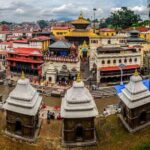
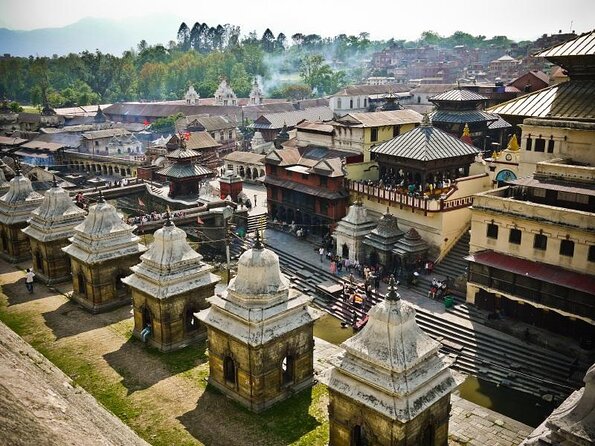
Pashupatinath is dedicated to Lord Shiva and sits about five kilometers east of Kathmandu on the bank of the Bagmati River. The temple complex is known for its striking golden roofs and silver doors, and it’s one of the places where you’ll feel how central religion is to daily life.
Here’s the key practical point: the tour includes guidance for access, but you must be Hindu to enter Pashupatinath Temple. The dress code is also enforced (no shorts or sleeveless tops; knees and shoulders covered), and you can be refused entry if you don’t comply.
In the reviews, Kapil is highlighted for making it possible to pray despite crowd pressure, including support for special prayer arrangements. If your goal is not just sightseeing but respectful participation, this kind of help matters.
What I’d expect from the visit: you’ll spend about 1 hour at the stop, enough time to see the temple setting and understand what’s going on without feeling like you’re only passing by.
Stop 2: Boudhanath Stupa, a Buddhist center with scale
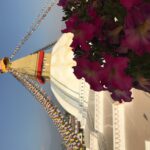
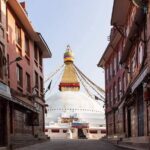
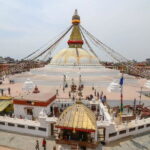
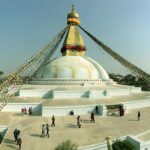
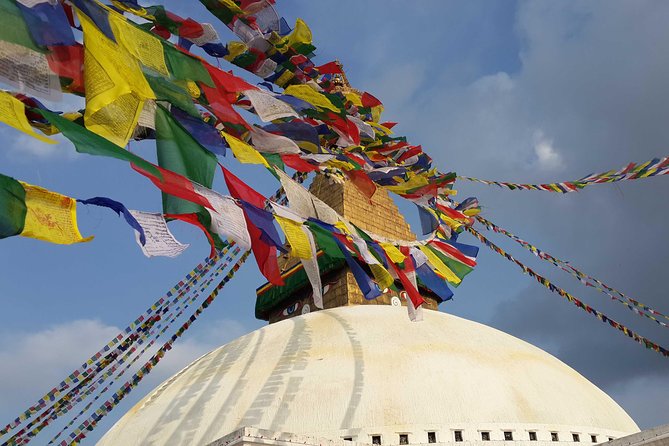
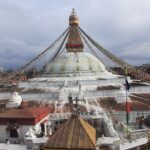
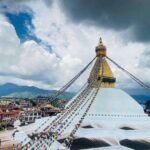
Next up is Boudhanath Stupa, about 6 km east of Kathmandu. This site is believed to have been built in the 5th century AD, and it’s described as one of the biggest Buddhist stupas in the world.
When you arrive, you’ll notice the stupa is ringed by Buddhist lamas and monks. That detail matters because it signals this isn’t only a monument. It’s an active spiritual center, and your guide should help you read the atmosphere you’re seeing.
You’ll get about 1 hour here. That’s a good window for looking at the stupa’s structure, watching people move through the space, and taking in the feel of a place that still functions as part of the living faith.
One caution: because it’s a major spiritual hub, it can be busy. A private guide won’t eliminate crowds, but they can help you move smartly and keep your visit respectful.

Stop 3: Swayambhunath Monkey Temple and the view above Kathmandu
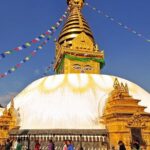
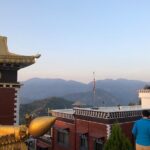
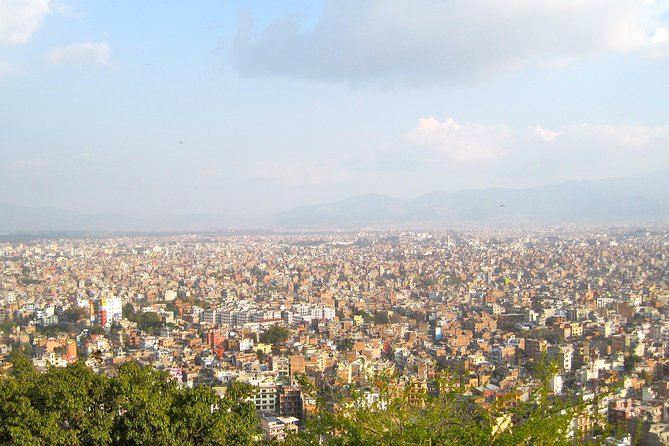
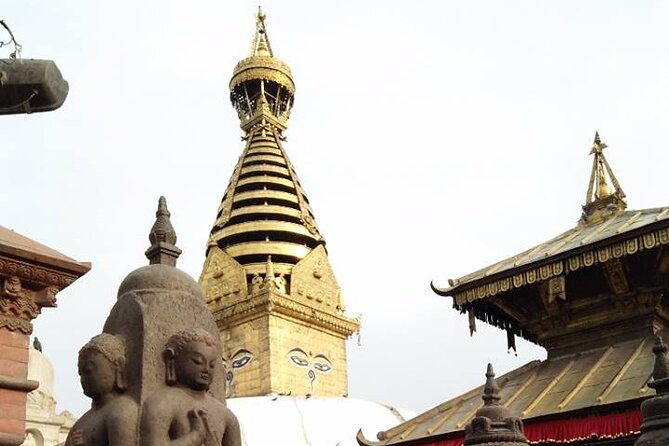
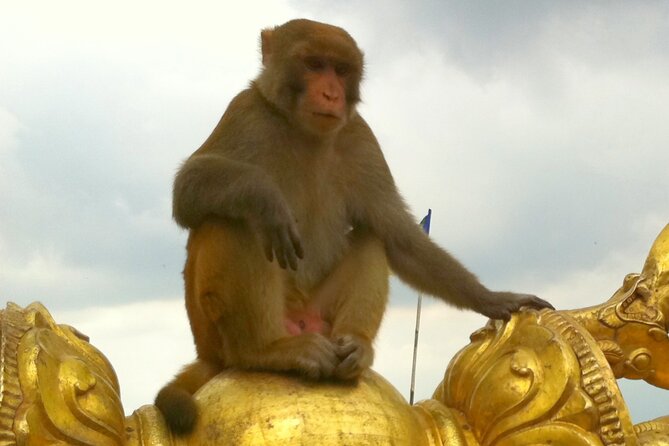
Swayambhunath, also known as the Monkey Temple, is a stupa around 2,500 years old perched on a hillock about 77 meters above ground level. That height is not just for drama. It gives you one of the reasons this stop earns its place: the viewpoint over Kathmandu Valley.
The dome features painted details, including the famous eye motif, which helps you identify the stupa fast even from a distance. It’s the kind of visual that sticks in your memory because it’s unmistakable.
Plan for about 45 minutes at this stop. With less time here, the pacing needs to be efficient: you’ll want to know where your best photo angles are, and your guide can help you avoid wasting effort on dead ends.
You should also expect some light walking and stairs, since the site is on a hill. The good news is that the time is short enough that it doesn’t turn into a long trek—just enough effort to feel like you went somewhere special.
Stop 4: Patan Durbar Square and Newari architecture
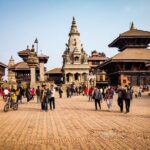
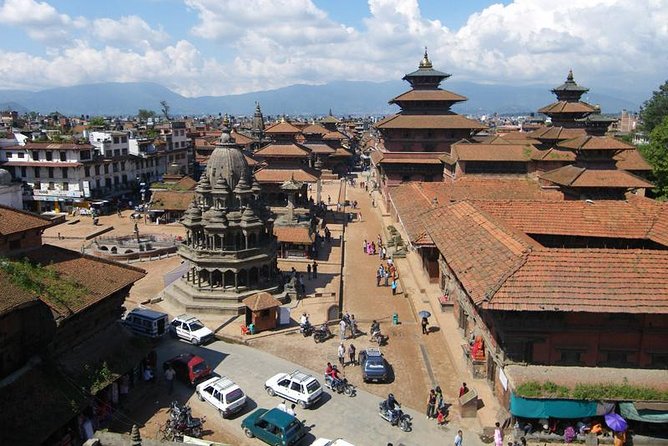
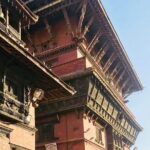
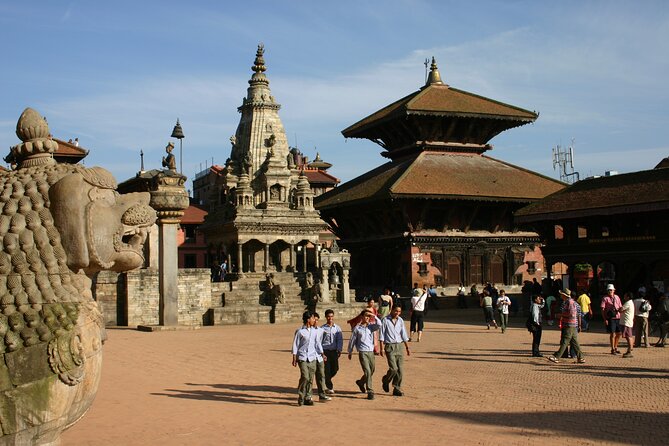
To close the day, you head to Patan Durbar Square, home to the former Patan Royal Family. If Kathmandu’s Durbar Squares feel like history set in stone, Patan’s focus is its Newari architecture, which is often what people photograph first.
This stop is also described as the most photographed among Kathmandu’s three Durbar Squares. That doesn’t mean you should skip it—just means you should come with realistic expectations: you’ll likely see other visitors, and you’ll want to use your guide time to look past the crowd and into the details.
You’ll spend about 1 hour here. That works well because durbar squares can pull you in different directions—main monuments, carved façades, and street-level life around the square. A guide helps you aim your attention so you don’t miss the story the buildings are telling.
Dress code and entry rules you must plan for
This tour comes with a clear dress code: no shorts or sleeveless tops, and knees and shoulders must be covered for both men and women. You should take this seriously before you leave your hotel. If you don’t meet the requirement, you risk being refused entry.
The other strict rule is site-specific: to enter Pashupatinath Temple, customers must be Hindu. That can affect how satisfying the day is for you if your primary interest is temple access rather than viewing the area from outside.
Also keep in mind worship sites can mean rules change by moment. Your guide and the local attendants decide what’s possible at that time. Your best strategy is to be prepared: cover up, stay calm, and ask if something isn’t clear.
Timing tips: how to make the 6–7 hours feel smooth
Because you’re visiting four sites in one day, your schedule depends on transit time and crowd flow. The tour’s private setup helps, but it’s still Kathmandu, so build a little slack into your expectations.
Here’s what I recommend you do:
- Wear your day outfit with the dress code already in mind.
- Bring a small bag you can manage while moving between temple areas and squares.
- Use water when you can. In the reviews, drivers offered bottled water when it was needed, which is a nice touch during longer walking and queue time.
The itinerary is designed for short, focused visits: 1 hour at Pashupatinath, 1 hour at Boudhanath, 45 minutes at Swayambhunath, and 1 hour at Patan. That’s intentional. It keeps you from turning a UNESCO day into an exhausted day.
Also, if you choose morning or afternoon, treat it like planning for crowds. Morning often feels calmer at temples, while afternoons can be better for relaxed exploration later in the day.
What this tour feels like in practice
The reviews highlight two themes that match what you’d want from this kind of day: reliability and care.
Kapil and Saraswati Ghimire are praised for being clear with explanations and for adapting to what mattered to the group. That flexibility matters most at places like Pashupatinath, where the crowd situation can change fast. If your time includes a prayer goal, having a guide who helps you navigate the moment is a big deal.
On the driving side, the focus is on hassle-free movement. Reviews mention the day staying efficient even when traffic got stressful, which is what you should expect from a driver who knows how to steer the route choices during peak conditions.
That combination—knowledge plus practical handling—turns the day from a sightseeing sprint into a coherent story across four different UNESCO settings.
Who should book this tour (and who might not)
You’ll love this tour if:
- You want four UNESCO sites in one day without planning a route yourself.
- You care about both Hindu and Buddhist spiritual practice, not just one tradition.
- You like learning from an English-speaking guide who can answer on the spot.
- You want hotel pickup and drop-off that keeps your day simple.
You might reconsider if:
- You’re not Hindu and your main goal is entering Pashupatinath Temple.
- You can’t follow the dress code constraints.
- You’re the type who needs long, slow time inside each site. This is paced for coverage, not extended lingering.
If you’re traveling with limited time in Kathmandu Valley, this tour is a very practical way to build a strong first overview of the religious and architectural identity of the valley.
Should you book this Top 4 UNESCO tour?
Book it if you want a structured, private, door-to-door day that links the major Kathmandu Valley icons into one readable itinerary. The guide support (including help for worship moments) and the reliability of the driver are exactly what make four sites feel doable.
Skip it only if the Pashupatinath entry requirement would make the day less meaningful for you, or if strict dress code rules would be a hassle. If you can meet those requirements, this is a solid value way to see more UNESCO value per day than you could manage on your own.
If you want to maximize your satisfaction, ask for a guide who can explain what you’re seeing and how to behave respectfully at worship sites. When the guide is right, the day feels less like rushing and more like understanding.
FAQ
What are the four UNESCO World Heritage sites on this tour?
The tour visits Pashupatinath Temple, Boudhanath Stupa, Swayambhunath, and Patan Durbar Square.
How long is the tour?
The duration is about 6 to 7 hours.
Do I get hotel pickup and drop-off?
Yes. You’ll have hotel pickup and drop-off by private vehicle, from anywhere in Kathmandu.
Is the tour private?
Yes. It is a private tour/activity, so only your group participates.
Are entrance fees included?
No. Monument entrance fees are not included and are listed as around NPR 2700.
Do I need to pay for the temples in advance?
The tour does not include entrance fees, so you should plan to pay on site for the monuments.
What departure times are available?
You can choose between morning and afternoon departure times.
Is there a dress code?
Yes. You need knees and shoulders covered. No shorts or sleeveless tops are allowed, and you may be refused entry if you don’t comply.
Can anyone enter Pashupatinath Temple?
No. The information specifies customers must be Hindu to enter Pashupatinath Temple.
Are tips included?
Tips for the guide and driver are expected, and they are not included in the listed price.
What is the cancellation policy?
Cancellation is free if you cancel up to 24 hours in advance for a full refund. If you cancel less than 24 hours before, the amount is not refunded.