REVIEW · BUSAN
From Busan: Gyeongju UNESCO World Heritage Guided Day Tour
Book on GetYourGuide →Operated by KTOURSTORY · Bookable on GetYourGuide
Night pond views make Gyeongju unforgettable, with guided stops across Silla-era landmarks and a smooth coach ride from Busan. I especially like the Bulguksa-to-Daereungwon order and the Woljeonggyo Bridge + Donggung & Wolji Pond night photo time. One thing to consider: this is a long day, so you’ll want comfortable shoes and patience.
What makes this tour feel practical is that it comes in three package styles. You can lean into UNESCO village vibes at Yangdong, see the Choi clan heritage at Gyochon, or go museum-heavy in the evening. Guides work in English/Chinese/Korean, and a lot of the best moments come from their on-the-ground help, including photo tips from guides like Bobby Kim and Jun-a.
In This Review
- Key things I’d watch for before you go
- Why Gyeongju Works So Well From Busan
- Price and Packages: What You’re Really Paying For
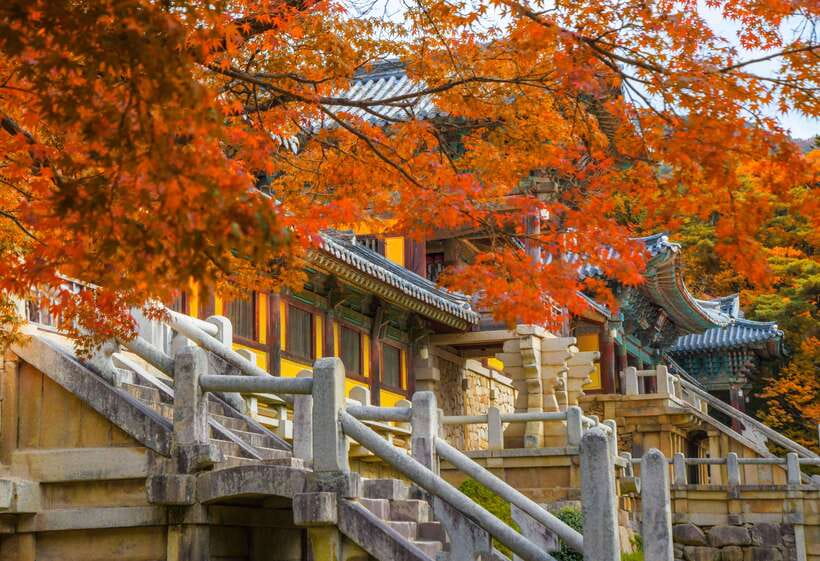
- Bulguksa Temple: Wooden Architecture on Stone Terraces
- Yangdong Village vs Gyochon Village: Two Ways to Read Old Korea
- Package A: Yangdong Folk Village (hanok-focused)
- Package B: Gyeongju Gyochon Traditional Village (Choi clan heritage)
- The small catch with both villages
- Daereungwon Royal Tomb Complex: Silla Power, Up Close
- Hwangnidan-gil: Where Old Street Energy Meets Modern Snacks
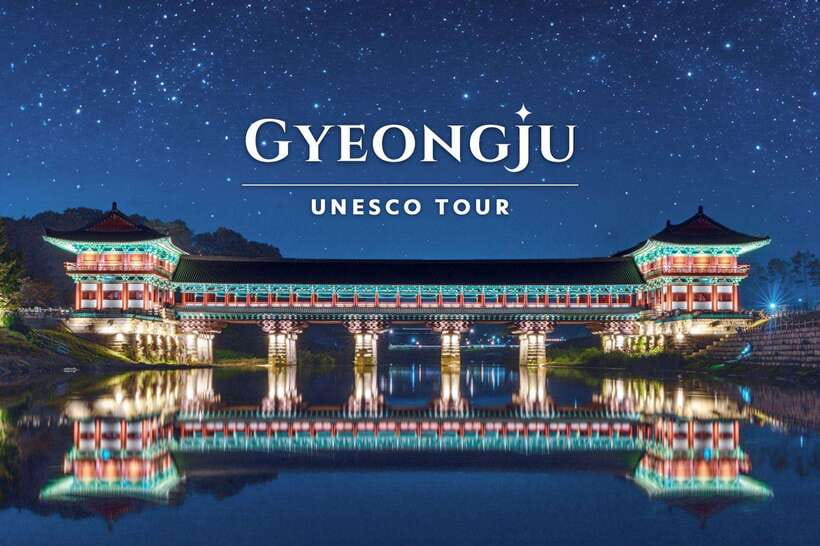
- Woljeonggyo Bridge at Night: The Photo Stop That Sells the Whole Tour
- Donggung Palace and Wolji Pond: Moon-Reflection Magic (A and B)
- Package C: Gyeongju National Museum for Artifacts You Can’t Fake
- Timing, Pacing, and What to Pack (So the Day Feels Good)
- Who Should Book This Gyeongju Day Tour From Busan
- Should You Book This Busan to Gyeongju Day Tour?
- FAQ
- How long is the Busan to Gyeongju UNESCO day tour?
- How much does the tour cost?
- What are the three package options?
- Which stops are included in Packages A and B for the evening?
- Are entrance fees included?
- Are meals included?
- What is included besides admission fees?
- Where do I meet the group in Busan?
- What should I bring and wear?
- Is the tour refundable if plans change?
Key things I’d watch for before you go
- Night glow at Woljeonggyo Bridge for a real after-dark payoff (A & B packages)
- Donggung Palace and Wolji Pond where moon-reflection views are the whole point
- Village choice matters: Yangdong (hanok-focused) vs Gyochon (family/ancestral homes)
- Hwangnidan-gil time to wander with 30 minutes for cafes, shops, and street snacks
- Guides who manage photos and timing so you don’t feel lost in a big site change
Why Gyeongju Works So Well From Busan
Gyeongju is the kind of place where “seeing a few monuments” turns into a bigger story fast. This day tour uses that idea smartly: you leave Busan by coach, hit the major Silla-era landmarks, and then you finish with either an evening walk through the palace-pond zone or a museum-focused ending depending on your package.
The big value is that you’re not building the whole plan yourself. The coach time is about 100 minutes each way, which means you get to spend most of the day on-site instead of figuring out transfers. Pickup areas are around popular Busan hubs (like Haeundae, Seomyeon, and KTX Busan Station), so you can join without a complicated morning scramble.
And yes, it’s still a full day. You’ll be moving between different zones of Gyeongju, and some stops involve stairs and uneven walking surfaces. I’d treat it like a “most of the day out,” not a relaxed stroll.
You can also read our reviews of more guided tours in Busan
Price and Packages: What You’re Really Paying For
$52 per person is a solid deal if you want a guided day with organized transport and major stops, not a self-guided checklist. Where the price becomes even better is how the tour divides your time based on one decision: what you want most—villages, royal tombs + street life, or museum artifacts.
Here’s what changes between the packages:
- Package A (Gyeongju UNESCO Tour)
Yangdong Village + Bulguksa + Daereungwon & Hwangnidan Street + Woljeonggyo Bridge and Donggung & Wolji
- Package B (Echoes of Silla Tour)
Gyeongju Gyochon Traditional Village + Bulguksa + Daereungwon & Hwangnidan Street + Woljeonggyo Bridge and Donggung & Wolji
- Package C (Gyeongju Museum Tour)
Bulguksa + Hwangnidan Street (with the Daereungwon Tomb Complex and/or Cheomseongdae focus) + Gyeongju National Museum
One practical note on value: the tour lists certain entrance fees as included depending on the package. For example, Yangdong Village entry and Daereungwon Cheonmachong Tomb entry are included in Package A, while Donggung & Wolji entry is included in Packages A and B. Museum admission isn’t stated as included, so if you’re going with Package C, keep an eye on what’s covered at the ticket window.
Bulguksa Temple: Wooden Architecture on Stone Terraces
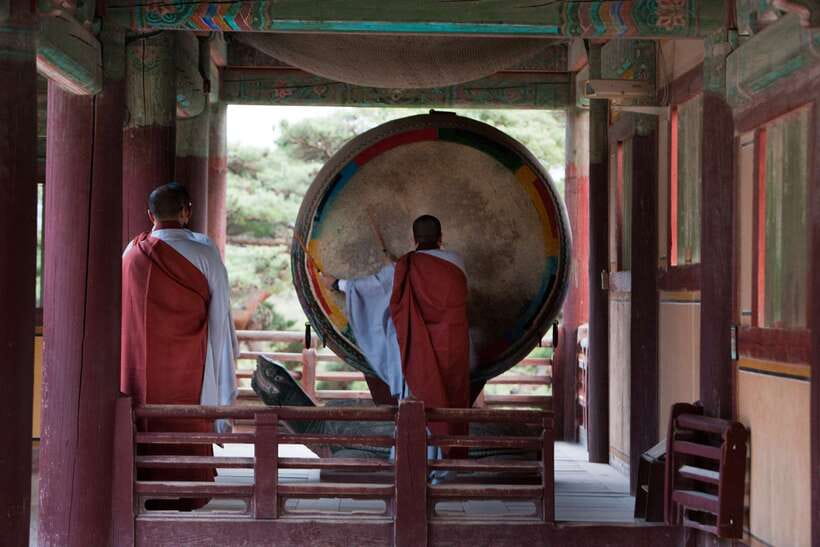
Bulguksa is your first “wow” moment, and it’s not just because it’s famous. The tour frames it well: Bulguksa is known for its exquisite wooden buildings built on raised stone terraces, so even before you start learning, you’ll notice the structure and layout.
You’ll go with a guided visit (about 70 minutes), which helps here. Temple sites can feel like a lot of buildings unless someone points out the story in the space. A good guide also helps you pace your photos so you’re not stuck waiting while the group moves between viewpoints.
What I like about this start: it sets your context for everything after. Once you’ve seen Bulguksa’s scale and design, the later Silla royal tomb stop hits harder—same era, very different expression of power and belief.
The drawback? The morning is busy. If you tend to get tired early, plan for a slower walking rhythm and don’t worry if you can’t see every tiny detail. Get the big shapes first.
Yangdong Village vs Gyochon Village: Two Ways to Read Old Korea
This tour does something most day trips don’t: it gives you a real choice between two different “heritage village” experiences.
Package A: Yangdong Folk Village (hanok-focused)
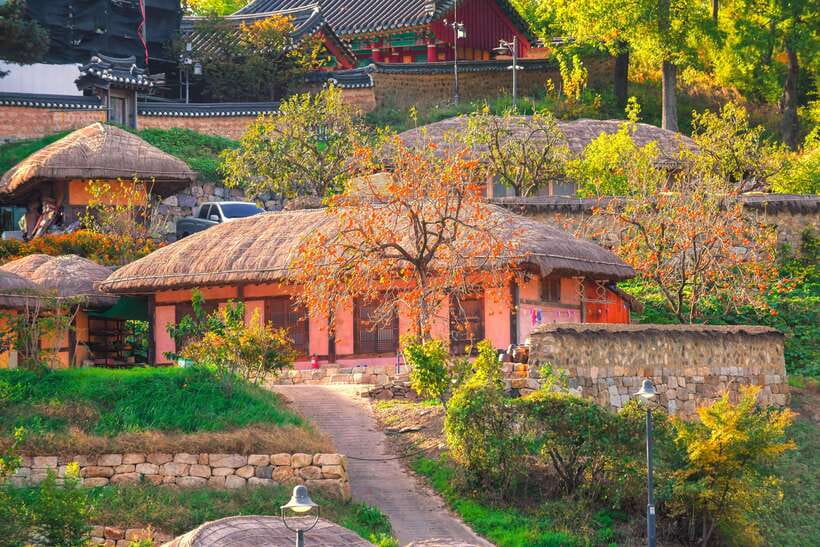
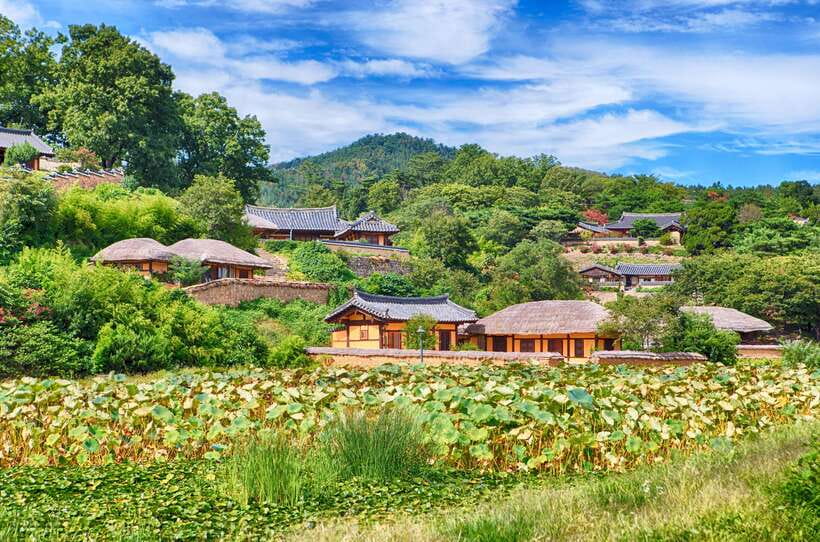
Yangdong is tied to Joseon dynasty culture and is known for traditional hanok houses. When you step into this kind of village, what you’re really seeing is how daily life worked—where people lived, how the grounds were laid out, and how the buildings relate to each other.
A helpful detail from the way this tour runs: you don’t just arrive and wander. You get guided context, then time to explore at your pace inside the village area. That blend works well because the guide can explain the meaning, and you can still take your time with the atmosphere and photos.
You can also read our reviews of more historical tours in Busan
Package B: Gyeongju Gyochon Traditional Village (Choi clan heritage)
Gyochon Traditional Village shifts the focus to ancestral homes of the Gyeongju Choi clan. Even if you’re not reading Korean history from a book, it’s easy to sense the difference: it feels more like a living family landscape rather than a staged “heritage display.”
The tour’s guided pacing (about 100 minutes) helps you understand what you’re looking at—old homes are easiest to appreciate when you know what to notice: entrances, courtyards, and how the homes reflect status and family continuity.
The small catch with both villages
You’ll likely do some walking on pathways that aren’t designed for flip-flops. If you hate shin-level stairs or long outdoor segments, wear shoes with grip and be ready for weather.
Daereungwon Royal Tomb Complex: Silla Power, Up Close
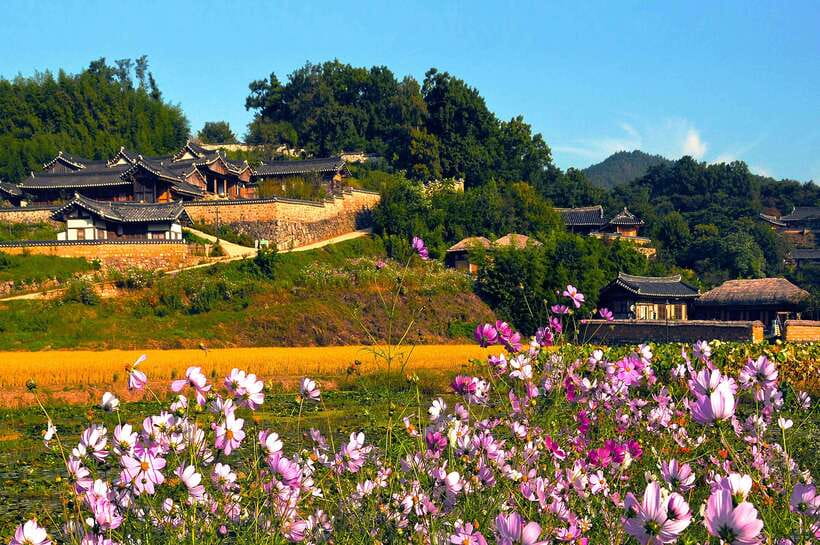
After Bulguksa and one of the villages, the schedule moves toward the Silla royal layer with Daereungwon Royal Tomb (guided, about 75 minutes). This stop is important because it connects the religious architecture you saw at Bulguksa with the political gravity of the Silla court.
Even when you don’t speak Korean, the sheer scale makes the point. A good guide helps you map the sites mentally so the tomb area doesn’t turn into one long field of monuments.
For Package A, the tour also includes the Daereungwon Cheonmachong Tomb entry fee, which is a key detail if you want the fullest access at this point. If you go with Package B or C, the tour data doesn’t guarantee that same tomb admission fee is included, so plan to check what tickets are covered versus what you might pay on-site.
Hwangnidan-gil: Where Old Street Energy Meets Modern Snacks
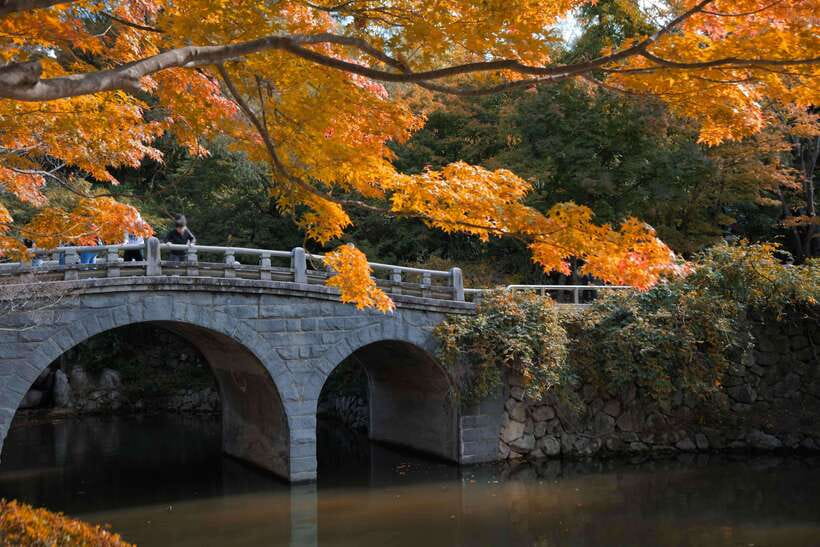
Next comes Hwangnidan-gil (also spelled Hwangnidan-gil / Hwangnidan-gil on different materials), a street area that works as your palate cleanser after royal tomb scale.
The tour gives you a short stretch of free time (about 30 minutes), which is exactly the right length if you want something practical:
- grab a snack
- stop in a cafe
- buy a small souvenir
- take photos without being rushed
The street has a mix of trendy cafes, boutiques, and street food while still keeping that historic Gyeongju feel. This stop is underrated because it’s where you learn what modern Gyeongju feels like, not just what it used to be.
Woljeonggyo Bridge at Night: The Photo Stop That Sells the Whole Tour
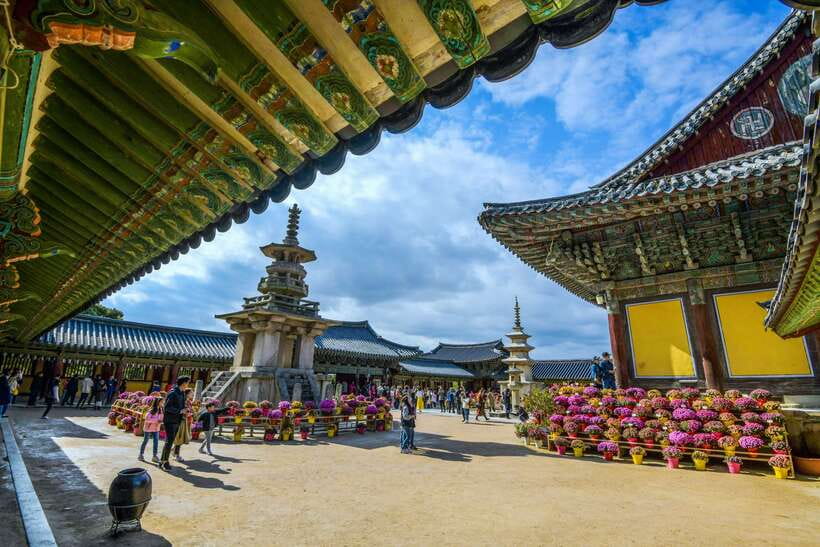
If you choose Package A or B, the tour saves a major highlight for evening.
The plan includes a stop at Woljeong Bridge (Woljeonggyo) with a photo stop and guided explanation (about 20 minutes), and it’s specifically tied to illuminated night views. This is one of those experiences where timing matters. If you arrive earlier, it still looks good. At night, the reconstructed bridge glow turns it into a proper night-city memory.
In the guides’ style described in the tour feedback, many of them help with exactly this: pointing out the best angles and keeping the group moving efficiently so you don’t miss the best light. Guides like Bobby Kim, Song, and Jun-a are repeatedly associated with photo help and spot recommendations, including taking pictures for you as a couple or solo traveler.
Practical tip: bring a camera strap or keep your phone secure. Night photos also take longer than daylight ones, so don’t hold up the group while you experiment.
Donggung Palace and Wolji Pond: Moon-Reflection Magic (A and B)
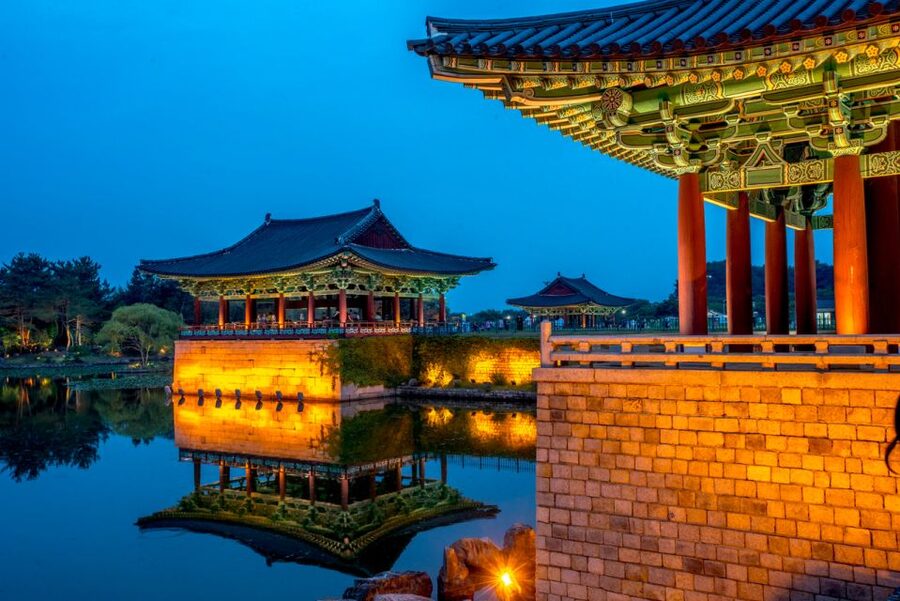
Now for the reason people remember this tour: Donggung Palace and Wolji Pond.
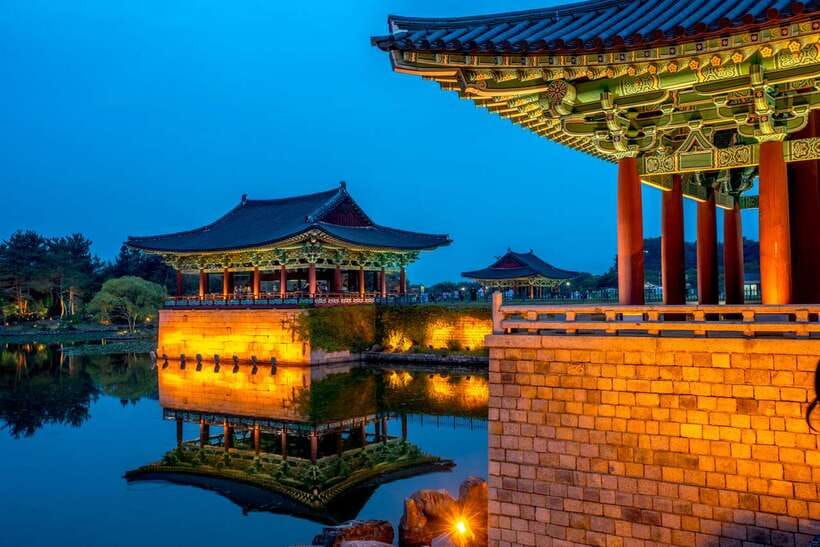
This portion runs about one hour with guided support and time to enjoy the pond area. Wolji is part of the ancient Silla palace complex, and the highlight is the reflection of the moon on the pond—the kind of scene that turns history into something you can feel, not just read about.
Even if moonlight isn’t dramatic on a given evening due to clouds, the illuminated setting and the calm, reflective water still make the stop special. The tour’s structure matters here too: you’ve been touring since morning, and finishing with a softer, evening atmosphere gives your brain a chance to settle.
For the best experience, arrive ready to stand still. These are not “walk-by” views.
Package C: Gyeongju National Museum for Artifacts You Can’t Fake
If you prefer indoor, controlled viewing, Package C is the option. Instead of spending the evening on the illuminated bridge and pond sequence, the tour ends at Gyeongju National Museum, with about one hour of free time for you to browse.
The museum is described as holding priceless Silla artifacts, including golden crowns and Buddhist relics. This is where the tour’s value becomes different: you’ll see object details that won’t be as obvious from outdoor ruins.
One advantage of ending at the museum: you’re not guessing what to look for in the dark. You get a slower rhythm, and you can stand close enough to actually absorb shapes, materials, and craftsmanship.
The tradeoff: you’ll miss the evening-night atmosphere of Woljeonggyo Bridge and Wolji Pond. If night views are your priority, pick A or B.
Timing, Pacing, and What to Pack (So the Day Feels Good)
This tour is designed for a full arc: start in the morning, arrive at major Silla sites, then shift into evening sights (for A/B). You’ll be on the move and you’ll need to accept that you can’t be everywhere at once.
A few practical notes:
- Wear comfortable shoes. Multiple stops involve walking and standing.
- Expect weather impact. The tour notes that itinerary can shift due to weather and traffic.
- Bring a layer. Even in mild seasons, evenings near the pond and river areas can feel cooler than you expect.
- Don’t plan a late night immediately afterward. The return ride is part of the day’s rhythm, not an afterthought.
The tour’s tight schedule also explains the glowing review pattern you’ll see: guides keep timing under control and give you enough short breaks to enjoy each place instead of just “passing through.”
Who Should Book This Gyeongju Day Tour From Busan
This tour fits best if you:
- want a guided day that covers multiple UNESCO-level stops without planning headaches
- care about Korean history but don’t want to spend your day reading maps
- like the mix of outdoors sites and a clear evening payoff (A/B)
- appreciate a guide who helps with photo timing and directions
It may not fit if you:
- hate long days or have very low walking tolerance
- want a slow, solo pace with no group rhythm at all
- dislike night travel and photo-light dependence
For couples, it’s a strong pick because the evening photo stops help you end the day with pictures that feel like a real memory, not a rushed snapshot.
Should You Book This Busan to Gyeongju Day Tour?
I’d book this if your goal is a high-value, guided “greatest hits” day that still feels meaningful. The price makes sense when you factor in transportation, professional guide support in English/Chinese/Korean, and the chance to see Silla landmarks plus a memorable night view (for Packages A and B).
Choose Package A if you want Yangdong Village’s hanok focus and you like the idea of included access details at Daereungwon Cheonmachong. Choose Package B if you’re more drawn to clan-history vibes at Gyochon, but still want the night pond-and-bridge ending. Pick Package C if you prefer artifacts and indoor viewing, and you’d rather spend your evening at the museum than outside by the water.
Bottom line: this is a well-paced way to experience Gyeongju in one day. Just go in ready for a full schedule, pack good shoes, and trust the guide to get you to the right angles at the right time.
FAQ
How long is the Busan to Gyeongju UNESCO day tour?
It runs about 8 to 12 hours, depending on the starting time and conditions. The coach ride time is listed as about 100 minutes each way.
How much does the tour cost?
The price is $52 per person.
What are the three package options?
You can choose: Package A (Gyeongju UNESCO Tour with Yangdong + Bulguksa + Daereungwon & Hwangnidan-gil + Woljeong Bridge and Donggung & Wolji), Package B (Echoes of Silla with Gyochon + Bulguksa + Daereungwon & Hwangnidan-gil + Woljeong Bridge and Donggung & Wolji), or Package C (Museum-focused with Bulguksa + Hwangnidan-gil area sites and ending at Gyeongju National Museum).
Which stops are included in Packages A and B for the evening?
Packages A and B include the evening highlight area with Woljeong Bridge and then Donggung Palace & Wolji Pond.
Are entrance fees included?
Some entry fees are included depending on the package. Yangdong Village entry is included for Package A, Daereungwon Cheonmachong Tomb entry is included for Package A, and Donggung & Wolji entry is included for Packages A and B. Other site admissions are not specifically listed as included.
Are meals included?
No. Meals are not included in the tour price.
What is included besides admission fees?
The included items are transportation and English and Chinese-speaking staff. The tour also includes guided visits at each stop.
Where do I meet the group in Busan?
Meeting points can vary by the option booked. The listed starting areas include locations around Haeundae, Seomyeon, and KTX Busan Station (with specific exit references).
What should I bring and wear?
Wear comfortable shoes. The tour also notes that the itinerary may shift due to weather and traffic, so dress for conditions.
Is the tour refundable if plans change?
Yes, it offers free cancellation up to 24 hours in advance for a full refund.