REVIEW · BUSAN
Old Korea Thousand History Tour of Gyeongju from Busan
Book on Viator →Operated by Lecirt · Bookable on Viator
One day, a thousand years, no stress. This Gyeongju classic strings together major UNESCO stops plus a few hands-on street scenes, all with live commentary and round-trip comfort from Busan.
I love two things most: the complimentary admission to the sites you stop at, and the way the itinerary balances big monuments (like Bulguksa Temple) with places you can actually wander and look around (like Hwangridan-gil). The main drawback to plan for is time: it’s a full 12-hour day with plenty of walking, so heat and stamina matter.
In This Review
- Key things to look forward to
- Busan-to-Gyeongju Logistics: How the Day Actually Runs
- Bulguksa Temple: Silla Stonework and a Calm Start
- Gyechon Traditional Village and Woljeonggyo: Where You Can See Daily Life
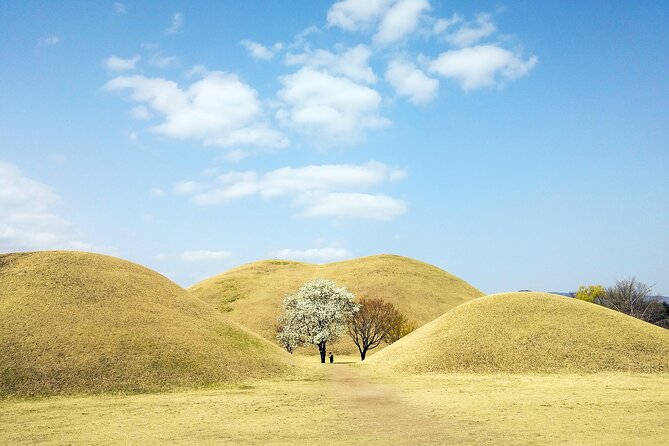
- Daereungwon Tomb Complex: Big Significance, Simple Visuals
- Hwangridan-gil: A Preserved 1960s Street You Can Walk Through
- Donggung Palace and Wolji Pond (Anapji): Reflections That Make the Site Click
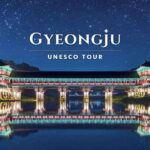
- Woljeonggyo Bridge at Night: Short Stop, Big Photo Payoff
- Price and Value: What $64 Gets You in Real Terms
- Pace, Walking, and Heat: How to Make the Day Feel Good
- Guides Make the Difference: What to Expect from the Human Part
- Who Should Book This Gyeongju Day Tour (and Who Might Skip It)
- Should You Book This Tour?
- FAQ
- What is the duration of the tour from Busan to Gyeongju?
- What is included in the tour price?
- Are meals included?
- Do I need a printed ticket?
- How many stops are included and what are they?
- Is admission included at every stop?
- What should I do if weather is poor?
- Can I cancel after booking?
- Are there limits on group size?
- Is the tour suitable for people with moderate physical fitness?
Key things to look forward to
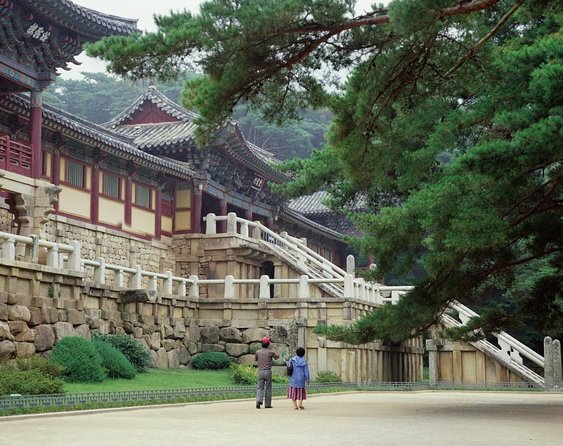
- Bulguksa Temple (UNESCO): Silla-era temple sightlines plus a real sense of place
- Gyochon Traditional Village + hanok lanes: easy-to-picture older Korean everyday life
- Daereungwon Tomb Complex: culturally important, but it’s mostly mounds and open terrain
- Hwangridan-gil: a preserved older-street vibe from the 1960s
- Wolji Pond and Donggung Palace site: lake reflections tied to Unified Silla power
- Woljeonggyo Bridge night lights: a short, photogenic stop with free admission
Busan-to-Gyeongju Logistics: How the Day Actually Runs
This is built as a true one-day circuit. You start at Busan Station and the pickup expands to other hubs, including Seomyeon Station and Haeundae Station, then you ride to Gyeongju with round-trip transfers. The tour is listed around 12 hours, so you’re trading a long day for not having to plan trains, tickets, and connections yourself.
The practical win is that you get a professional guide plus live narration across multiple stops. That matters because Gyeongju’s sites can feel similar if you don’t have a thread to follow. Many guides have been highlighted for keeping the energy up—names that have popped up include Bada, Hyony, Kyla, Katrina, Erica, Kayla, and Eva—so you can reasonably expect the explanations to connect the dots between Silla-era culture, politics, and daily life.
One more reality check: Gyeongju is inland. Expect warmer weather than Busan, and build in hydration, sunscreen, and something for sun like a hat or umbrella. Even on days that are hot and muggy, people report the bus AC helps between stops, which makes the day feel doable instead of punishing.
You can also read our reviews of more historical tours in Busan
Bulguksa Temple: Silla Stonework and a Calm Start
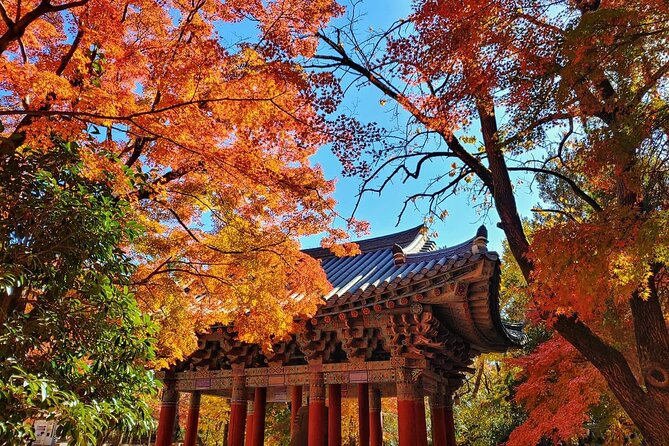
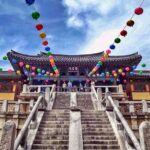
Bulguksa Temple is your UNESCO anchor, and it’s a strong way to begin. The stop is about 1 hour, and that hour is best used slowly: look at the stonework, then look up and outward to see how the structures sit in the landscape.
This temple is strongly tied to the Silla period, and that’s the key context your guide should help you hold onto. If you get that timeframe in your head, the temple stops being just pretty architecture and turns into a cultural statement from an older Korea.
Is it worth the first-stop slot? Yes. Even when the rest of the day feels like a lot, Bulguksa is the kind of place where the time pressure is less annoying because the setting does some of the work for you. You’ll come away with images that actually feel timeless.
Gyechon Traditional Village and Woljeonggyo: Where You Can See Daily Life
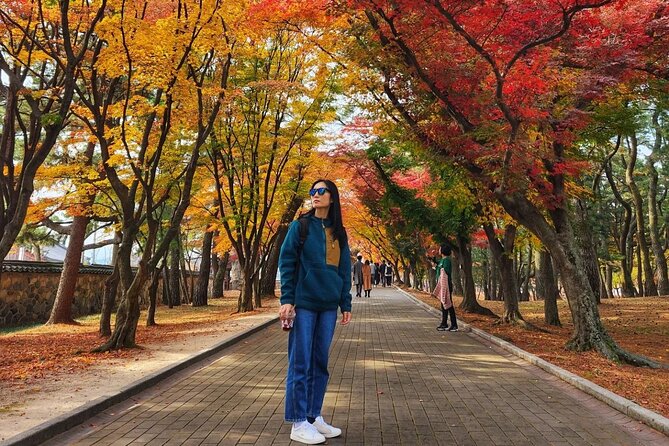
Your next 1-hour stop is Gyeongju’s Gyochon Traditional Village, built around the hanok-house feel of earlier Korea. You’ll also pass through or be near Woljeonggyo (the bridge tied to this area), and the stone wall road gives you that “older route” feeling fast.
Here’s why this stop earns its place on the schedule: it shifts you from royal-era monuments into what everyday life might have looked like. Hanok architecture isn’t just an aesthetic. It affects light, airflow, and how families organized living space. Even if you can’t read everything on-site, the shapes and layout communicate a lot.
One practical tip: use this stop for walking and looking, not just photos. If you’re the type who likes to pause at details—doorways, rooflines, and street patterns—this is a good place to slow down. If you rush, you’ll miss the “how people lived here” feeling.
Daereungwon Tomb Complex: Big Significance, Simple Visuals
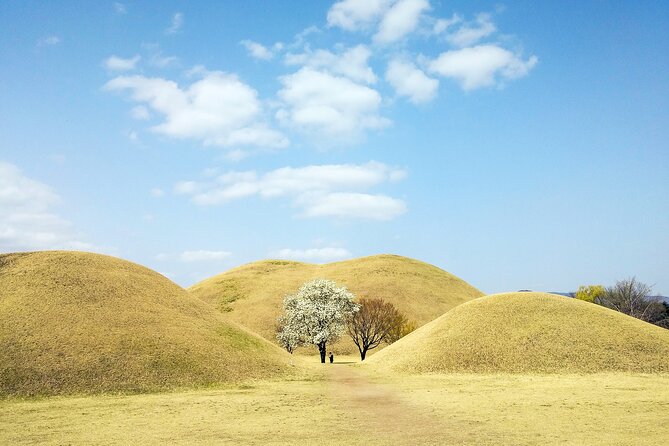
Daereungwon Tomb Complex gets about 1 hour and it’s culturally important because it represents the legacy of Silla kings, queens, and aristocrats. The catch is visual expectation. This isn’t a museum stop with rooms full of artifacts. It’s a heritage landscape where the main features are tomb mounds—so what you see can be more subtle than you expect.
That’s not automatically bad. In a place like this, the value is in learning what the area means: why these burials mattered, how power was expressed, and what the broader royal geography looks like in Gyeongju. But if you’re hoping for something that feels like a dramatic “stand in front of a clearly visible tomb” moment, you might feel underwhelmed.
If you go in with the right mindset, Daereungwon becomes a lesson in how history is preserved by land itself—less about objects, more about form and placement. That’s also why guides matter here: you need help translating “a mound in a park-like setting” into the political story it represents.
Hwangridan-gil: A Preserved 1960s Street You Can Walk Through
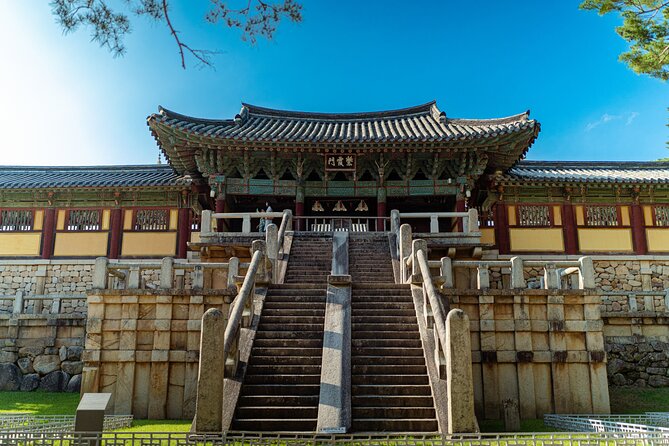
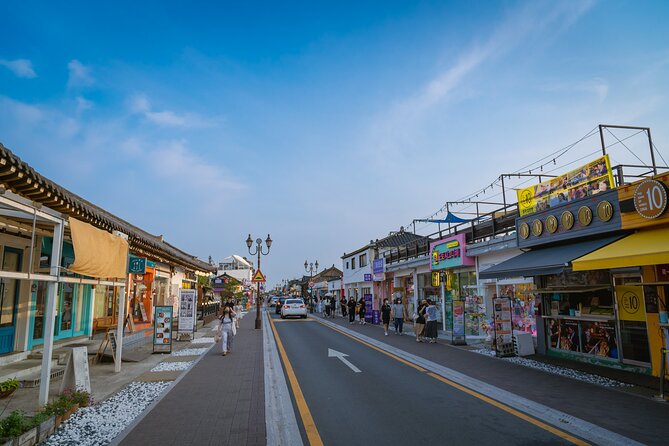
Next is Hwanglidangil (often spelled Hwangridan-gil), with about 2 hours and free admission. This is your decompression stop in the middle of the day.
What you’re looking for is the older-street atmosphere. The area is known for preserved buildings with a vibe that traces back to the 1960s, so it feels different from temple grounds and palace site remnants. Think of it as a time-walk: not ancient Silla power, but a later era of Korean street life that helps you understand how old and new overlap in real neighborhoods.
If your goal is photos, this is a good location because there’s visual variety within walking distance. If your goal is atmosphere, this is even better: stop at small storefronts, take your time with the street rhythm, and let the guide’s history notes broaden beyond the early dynasties.
Donggung Palace and Wolji Pond (Anapji): Reflections That Make the Site Click
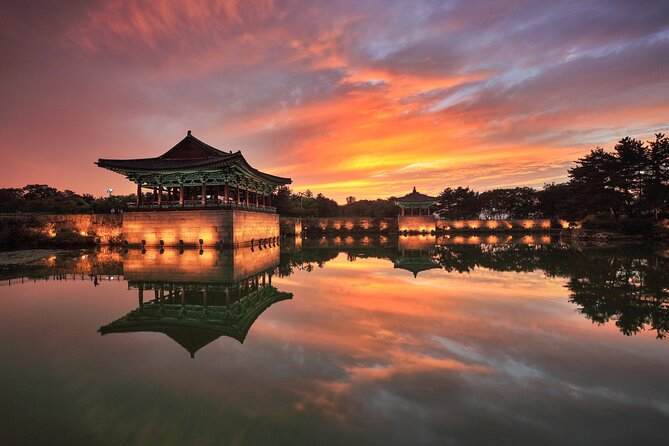
The stop at Donggung Palace and Wolji Pond is about 1 hour and includes admission. This is one of the most iconic “place-based” moments in the itinerary because the palace site is tied to Unfied Silla-era power, and the pond is where the setting really shows off.
Even if the palace structures you see now aren’t the same scale as the original, the lake relationship still matters. The reflection effect turns a historical site into something you can visually understand without a lecture. Your guide should connect why this pond mattered—water, court life, and status all showing up in the same view.
Practical advice: give yourself enough time to walk the edges of the pond area and keep checking angles. You’ll get different compositions as you move, especially if the light shifts.
Woljeonggyo Bridge at Night: Short Stop, Big Photo Payoff
You finish with Woljeonggyo Bridge for about 30 minutes, and it’s free admission. This is the payoff stop for the day’s visual memories.
The highlight here is the night view: lights reflecting on the water, with that traditional bridge look. Because the stop is short, it’s worth preparing—wear comfortable shoes, keep your phone charged, and don’t wait until the last minute to take photos.
If you’re traveling solo, this can be great. One-person photo moments are easier here than in crowded interior spots, and the lights give you decent results without fiddling too much with settings.
Price and Value: What $64 Gets You in Real Terms
At $64 per person for an around 12-hour day, the value is mostly about what you don’t have to coordinate yourself. You get round-trip transfers, a professional guide, and complimentary admission to every attraction on the schedule.
That admission part is a big deal for value. Temple and heritage site tickets add up fast when you buy everything separately. Here, you can treat the day like an all-in plan: show up, follow the stops, and pay attention to what you’re seeing instead of juggling tickets.
Also, the tour is capped at a maximum of 400 travelers. That number doesn’t guarantee a small group, but it hints that you’re not going to be squeezed into chaos by random “everyone wants the same thing” dynamics. In practice, people have described it as manageable, especially with the bus AC and time blocks between stops.
The main “cost” is your day. This isn’t a relaxed half-day. You’re committing to a long schedule, so if you hate long standing/walking or you’re traveling with small kids, you’ll want to think carefully.
Pace, Walking, and Heat: How to Make the Day Feel Good
This is the tour’s central trade-off: you get a lot, but you also move a lot. One review-style point that keeps showing up is that it’s a long day—people even mention hitting 18,000+ steps on hot days. That’s not a reason to avoid it. It’s a reason to pack like you mean it.
Bring:
- Water and something to cool off with (a parasol/umbrella is especially handy)
- Sunscreen and a hat
- Walking shoes you trust for uneven ground around heritage sites
The bus between stops helps. People have pointed out the comfort of cooling off in the AC during transit, which makes the schedule feel less exhausting. Still, you’ll be on your feet often, and the walking is part of how the sites come alive.
If you want time to explore on your own, look for the guide who gives room for that. Some guides have been praised for helping people take photos and for giving enough time to wander at key stops, while others have seemed more rushed in certain moments. Your best move is to manage your expectations: this is structured, not a free-form tour.
Guides Make the Difference: What to Expect from the Human Part
The itinerary is the skeleton. The guide is the soul.
Across the many named guides associated with this tour—Bada, Hyony, Kyla, Katrina, Erica, Kayla, and Eva—common praise includes being friendly, funny, and organized, with clear storytelling about Silla-era culture and the meaning behind each stop. People also mention photo help, patient explanations, and keeping everyone moving even when it’s hot.
That matters for you because history sites can get confusing fast. You’ll see temples, tombs, palace remnants, and bridges in one day. A strong guide helps you keep them in separate mental folders and also shows how they connect.
Tip for your planning: if you’re picky about pacing, be mentally ready to follow a schedule. If you’re okay with a brisk but structured day, you’ll likely love how much you can see without stress.
Who Should Book This Gyeongju Day Tour (and Who Might Skip It)
This tour makes the most sense if you:
- Have limited time in Busan and want Gyeongju highlights in one day
- Like big UNESCO stops but also enjoy street atmosphere and night photos
- Want a guide to connect Silla-era context so the sites feel meaningful
You might consider skipping (or choosing a different format) if you:
- Dislike long days and lots of walking
- Expect every stop to be visually dramatic and object-heavy (Daereungwon can feel more subtle)
- Want a lot of free roaming time with no schedule pressure
Should You Book This Tour?
If you’re trying to fit Gyeongju into a short Busan stay, this is a strong pick. The biggest reason is value: included admissions plus round-trip transfers plus a guide for a day that would otherwise take real planning to replicate.
Book it if you want the best-known Silla and UNESCO moments plus the night bridge payoff, and you’re ready for a hot, active schedule. Skip it if you’re seeking slow travel or you prefer museum-style history over outdoor heritage landscapes.
If you do book: pack for heat, keep your shoes solid, and treat Daereungwon and Wolji Pond as “look, learn, and interpret” stops—not just photo checkpoints. That mindset is what turns a busy day into a memorable one.
FAQ
What is the duration of the tour from Busan to Gyeongju?
The tour runs about 12 hours.
What is included in the tour price?
It includes round-trip transfers, admission to the visited attractions, and a professional tour guide.
Are meals included?
No. Meals are not included.
Do I need a printed ticket?
No. The tour uses a mobile ticket.
How many stops are included and what are they?
The itinerary includes stops at Bulguksa Temple, Gyochon Traditional Village, Daereungwon Tomb Complex, Hwangridan-gil, Donggung Palace and Wolji Pond, and Woljeonggyo Bridge.
Is admission included at every stop?
Admission is included for the attraction stops that require tickets, while Hwangridan-gil and Woljeonggyo Bridge are listed as free.
What should I do if weather is poor?
This experience requires good weather. If it’s canceled due to poor weather, you’ll be offered a different date or a full refund.
Can I cancel after booking?
Yes. Free cancellation is available up to 24 hours before the experience’s start time for a full refund.
Are there limits on group size?
The tour has a maximum of 400 travelers.
Is the tour suitable for people with moderate physical fitness?
The tour is recommended for travelers with moderate physical fitness level.