REVIEW · DOHA
Full Day Qatar’s North And West tour || History & Heritage
Book on Viator →Operated by Golden Adventures Qatar · Bookable on Viator
North Qatar feels like a time machine. This full-day route strings together ports, forts, desert sculpture, and coastal nature in a tight 6–8 hour loop that’s as much about how Qatar lived as where it looks beautiful today. You’ll also get a small-group setup (max 6) with an air-conditioned vehicle, so you’re not stuck in a crowd while the countryside rolls past.
I especially love the way the day mixes heritage sites with real scenery: Al Khor’s old pearl economy, the UNESCO grounds at Al Zubara Fort, and the rock formations near Zekreet. I also like the art stop—Richard Serra’s East-West / West-East—because it’s modern, dramatic, and perfectly placed out in the quiet of Brouq nature reserve. One consideration: it’s a lot of driving for a day, and a couple of short stops (like the fish market area) can be hit-or-miss depending on your vibe.
Key highlights worth your attention
- UNESCO at Al Zubara Fort: a major archaeological site tied to Qatar’s trading and pearling past.
- Al Khor to the mangroves: a look at how the coast worked, then how nature protects it now.
- Camel training viewing: a short watch at the Ash-Shahaniyah track while camels practice.
- Zekreet Fort and rock photography: dunes, forts, and famous rock shapes near the peninsula.
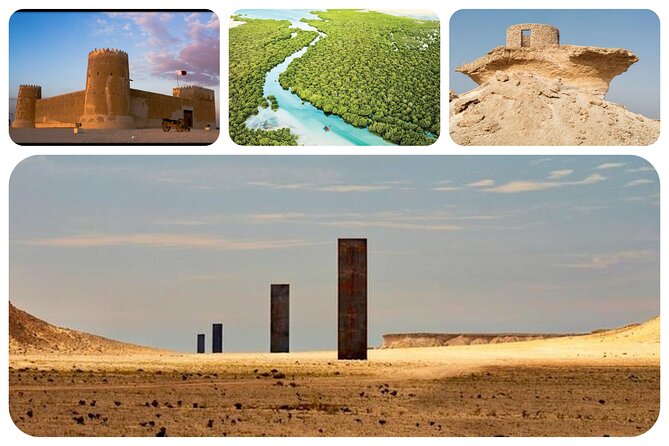
- Richard Serra sculpture in the desert: four massive steel plates placed across the reserve.
In This Review
- North Qatar in One Long Day: Timing, Vehicle Comfort, and Pace
- Al Khor Harbour: The Pearl-Diving Past and a Real Working Coast
- Al Thakhira Mangroves: Nature’s Coastal Shield in the Desert
- Purple Island (Bin Ghannam Island): A Quick Nature Break
- Al Zubara Fort (UNESCO): Where Qatar’s Trading World Meets Archaeology
- Al Jumail: The Old Pearling and Fishing Village Connection
- Ash-Shahaniyah Camel Racing Track: Watching Training (and Why the Timing Matters)
- Zekreet Fort Ruins and West Coast Rock Formations: Dunes, Ruins, and Photo-Friendly Shapes
- Richard Serra in the Desert: East-West / West-East at Brouq Nature Reserve
- Price and Value for $165: What You’re Paying For (and What You Need to Plan)
- Who This Tour Fits Best (and Who Should Skip It)
- Should You Book Qatar’s North and West Full Day?
- FAQ
- FAQ
- How long is the North and West Qatar tour?
- Do you get pickup from Doha?
- What’s the group size?
- Is the admission fee included for the stops?
- What’s included in the price?
- What’s not included?
- Is a mobile ticket used?
- Does the tour require good weather?
- What’s the cancellation window?
- Where does the tour stop?
North Qatar in One Long Day: Timing, Vehicle Comfort, and Pace
This tour is built for people who want more than Doha postcards. Expect 6–8 hours of mostly “out of town” time with short museum-and-view stops threaded through the drive. The pace is fast, but it’s also structured: you’re not wandering in circles, and you’re not left to figure logistics in rural Qatar.
The setup is practical. You get an air-conditioned vehicle, bottled water, and coffee or tea. You’ll also have the benefit of pickup, plus a mobile ticket. Group size is capped at 6 travelers, which tends to make questions easier and photo stops less chaotic.
One smart tip: this route often works best when you can lean into an early start. Some departures align with sunrise timing for the desert rock areas, which can make the West Coast feel extra cinematic. If you’re the type who likes golden light, ask when the day starts and plan accordingly.
Al Khor Harbour: The Pearl-Diving Past and a Real Working Coast
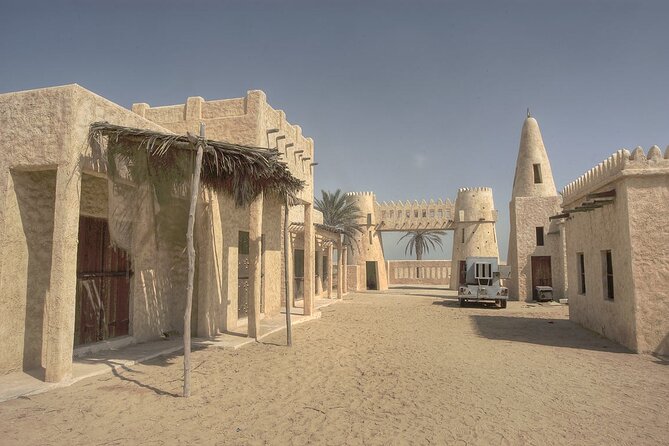
Al Khor sits about 50 km north of Doha, older than the capital but smaller and calmer. The big story here is pearling: it used to be Qatar’s center for pearl diving and fishing, then lost some of its role when cultured pearls changed the industry. Today you’ll find a scenic harbor with traditional fishing dhows, plus a corniche-style walk that gives you a sense of how the coast lives.
You also stop at an area with a museum connected to fishing, pearling, and dhow building. Even if you only spend about 30 minutes, it helps you understand why these waters mattered so much.
The one practical caution: there can be a fish-market smell near harbor areas. If you’re sensitive to odors, keep that in mind during the first stop so you’re not caught off guard.
You can also read our reviews of more historical tours in Doha
Al Thakhira Mangroves: Nature’s Coastal Shield in the Desert
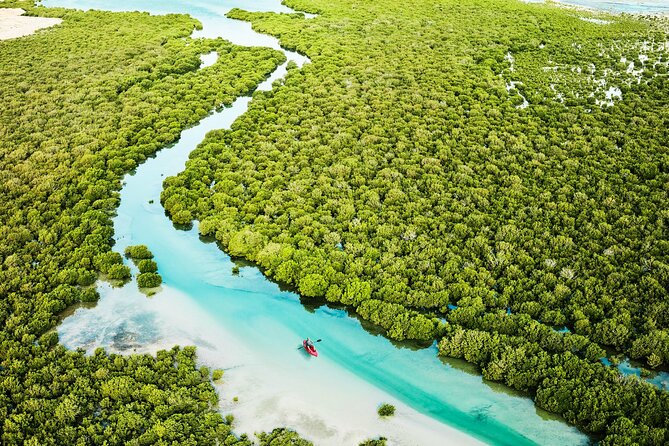
After Al Khor, the day shifts from port life to living nature at Al Thakira Beach. The mangroves here aren’t just pretty for photos. They’re described as a major tourism draw and also a functional environmental resource for Qatar—providing habitat for birds and marine life and helping prevent coastal erosion.
This stop is short—around 30 minutes—so treat it like a reset button. You get a break from the “driving to the next thing” rhythm and a glimpse of Qatar’s coastal ecosystem doing real work.
If you like birdlife, go ready with your camera. If you don’t, it still makes sense as a story beat: the country’s identity isn’t only forts and old trade routes. It also depends on protected coast.
Purple Island (Bin Ghannam Island): A Quick Nature Break
Next up is Purple Island, better known as Bin Ghannam Island. It’s a northeast Qatar destination near Al Khor, and it’s famous for natural beauty, plus exotic flora and fauna. The stop runs about 40 minutes, so it’s long enough for a good wander and photos, but not long enough to feel like a full hike day.
This is a nice contrast stop. You’ve got archaeology and desert rocks ahead; this section helps you “breathe” before you switch back to history and stone. Bring sun protection and comfy shoes—this part is more nature-view than big sightseeing infrastructure.
Al Zubara Fort (UNESCO): Where Qatar’s Trading World Meets Archaeology
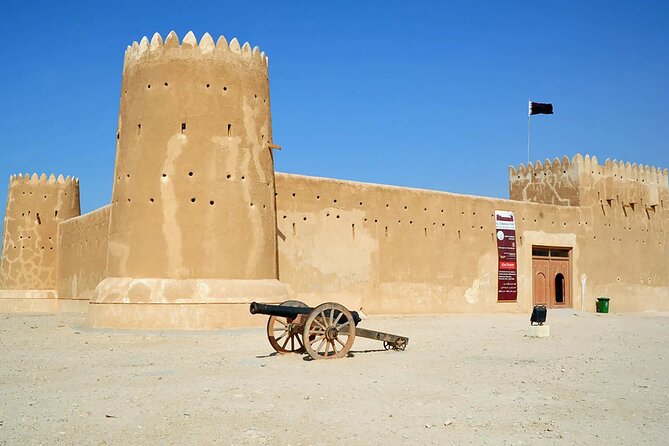
Al Zubara Fort is the centerpiece for many people, and it’s easy to see why. It’s Qatar’s first UNESCO World Heritage site, and it sits in the North-Western part of the country next to ruins tied to an older fort. Long ago, Al Zubarah wasn’t just a settlement; it was described as a flourishing port and a center of trade, fishing, and pearling.
On the ground, you’re not only seeing stones. You’re also walking through a protected archaeological area, and you can view artifacts that have been uncovered by an international team with leadership from the Qatar Museums Authority. That makes the visit feel more grounded: the site isn’t just “historic,” it’s actively being studied and preserved.
Plan for about 1 hour here. That’s enough time to take photos, read the key context, and understand the bigger picture of how Qatar’s coastal economy shaped communities.
Al Jumail: The Old Pearling and Fishing Village Connection
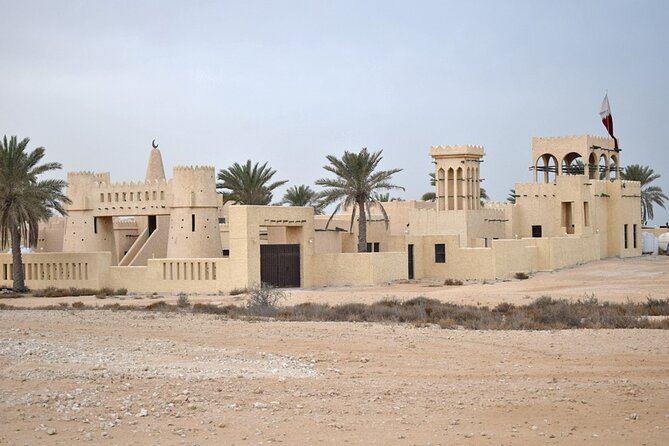
From the fort area, the tour continues toward heritage at Al Jumail, where you get another slice of how daily life connected to pearling and fishing. This stop runs about 30 minutes and is framed as an old village setting tied to Qatar’s earlier eras.
It’s a good follow-on to Zubara. Forts explain power and trade. A village explains the people inside the system—how communities functioned when the sea drove the economy.
If you enjoy learning how preservation works, you may find the village story especially meaningful, because this type of site depends on careful protection, not just visitor access.

Ash-Shahaniyah Camel Racing Track: Watching Training (and Why the Timing Matters)
One of the most memorable moments on this route can be the camel portion at Ash-Shahaniyah. The stop is about 30 minutes, and you’ll view the camel racing track while the camels are under training.
Here’s the practical reality: the tour descriptions set the stage for training, but what you actually see depends on the day and the session. On some outings, that timing lines up well and you can watch training in motion. On other days, it may feel more like observing the setup and the environment around the track.
Either way, it’s a cultural snapshot you don’t get in Doha city tours. It’s also a nice break from architecture and desert sculpture—something moving, loud, and very Qatar.
Zekreet Fort Ruins and West Coast Rock Formations: Dunes, Ruins, and Photo-Friendly Shapes
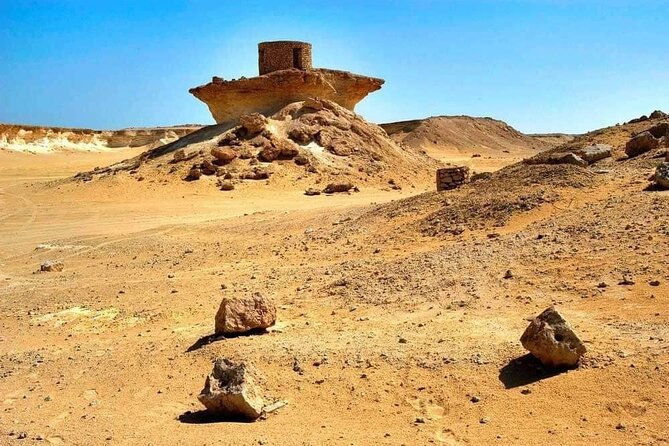
When the day turns toward Zekreet Fort Ruins, you’re stepping into the West Coast’s dramatic side. Zekreet Fort is described as a historical landmark with ruins that went through two different construction phases. That gives the stop a sense of layered time—this wasn’t just one era stamped in stone.
Expect striking scenery among dunes, and keep your camera ready. There’s a mention of an umbrella-shaped rock that photographers love, and the broader Zekreet area is known for limestone rocks and the famous West Coast feel.
This part leans into “walk and look” rather than ticketed indoor exhibits, so your experience will depend on weather and light. If you’ve managed an early start, you might catch sunrise lighting that makes the limestone features look almost sculpted—think famous rock shapes like mushroom-shaped formations and the Eye-in-the-Rock type of view people associate with Zekreet.
Your time here is about 40 minutes, so bring a plan: decide what you want photos of (fort ruins vs. rock shapes) and move efficiently.
Richard Serra in the Desert: East-West / West-East at Brouq Nature Reserve
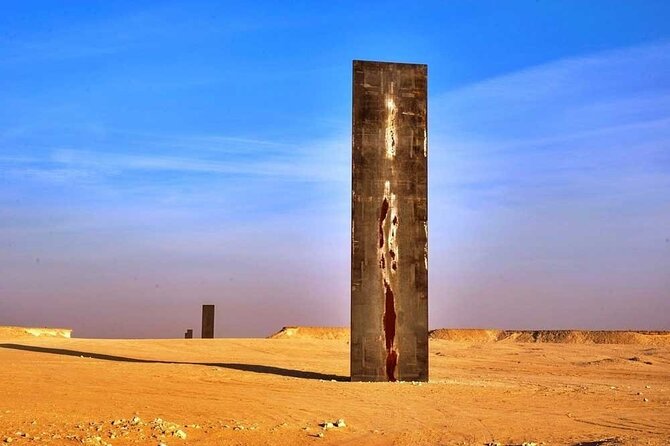
One reason this tour feels different from a standard history loop is the stop at Richard Serra’s East-West / West-East installation in the Brouq nature reserve.
The sculpture is described as spanning over a kilometer and made of four steel plates, each more than 14 meters tall. Serra examined the topography to get alignment right, which is why the work feels so tied to where it sits. Even if you don’t usually chase contemporary art, the scale and placement make it hard to ignore.
Time here is about 35 minutes. That’s enough to walk in the space around the plates, notice how distance changes the sculpture’s feel, and snap photos that show both steel and desert emptiness.
This stop also works as a tonal shift. After forts and heritage, it’s modern. After dunes and ruins, it’s geometric and precise. It lands as a satisfying “brain pause” in the middle of the day.
Price and Value for $165: What You’re Paying For (and What You Need to Plan)
At $165 per person, the value question is really about how much is included versus what you’d spend on your own.
Here’s what you get included:
- Air-conditioned transport plus pickup
- Bottled water
- Coffee/tea
- Insurance
- Free admission listed for the stops during the day
- A group limited to 6 travelers
- Mobile ticket
What you don’t get:
- Lunch and snacks
So the real planning move is food. Since you’re out for 6–8 hours, bring a simple lunch strategy: either pack something light (if the company allows), or plan to grab food nearby after you return. The tour includes water and a drink, but not your full meal.
Also consider driving time. Some people love the “countryside day” feel. Others want more time at each big site and less road between them. If you’re sensitive to long drives, keep that in mind before booking.
Finally, check the final total in the booking stage. There’s at least one real-world caution from people who felt the pricing didn’t match what they expected when the group wasn’t full. Confirm what you’ll pay before you commit.
Who This Tour Fits Best (and Who Should Skip It)
This tour is a great match if you want:
- North and West Qatar in one day rather than piecing it together
- A blend of UNESCO heritage, desert scenery, and one modern art stop
- A small-group day that’s guided and structured
- The chance to see camel training and mangroves without running your own schedule
You might want to skip it—or switch to a different style—if you:
- Want minimal driving and long stays at fewer places
- Dislike fish-market-style stops where the environment can be smelly or crowded
- Are mainly after Doha-only attractions
Should You Book Qatar’s North and West Full Day?
I’d book it if your goal is to see Qatar beyond Doha in a single day and you’re open to a route that moves quickly. The combination is strong: Al Zubara Fort (UNESCO) plus the West Coast rock areas plus Richard Serra in the desert gives you a day that’s not just history or just scenery.
I’d hold off if you’re expecting a slow, restful sightseeing day. This is a “cover ground” tour. If you enjoy being on the move, you’ll likely find it worth it.
If you do book, the smart prep is simple: wear comfortable shoes, bring sun protection, plan for lunch on your own, and keep your schedule flexible for weather. This experience requires good weather, and if conditions are poor it may be rescheduled or refunded.
FAQ
FAQ
How long is the North and West Qatar tour?
It runs about 6 to 8 hours.
Do you get pickup from Doha?
Yes, pickup is offered.
What’s the group size?
The tour has a maximum of 6 travelers.
Is the admission fee included for the stops?
Admission is listed as free for each stop in the schedule.
What’s included in the price?
The tour includes an air-conditioned vehicle, coffee and/or tea, bottled water, and insurance.
What’s not included?
Lunch and snacks are not included.
Is a mobile ticket used?
Yes, you receive a mobile ticket.
Does the tour require good weather?
Yes. The experience requires good weather, and if it’s canceled due to poor weather you’ll be offered another date or a full refund.
What’s the cancellation window?
You can cancel for a full refund up to 24 hours before the start time.
Where does the tour stop?
Key stops include Al Khor, Al Thakhira (mangroves), Purple Island (Bin Ghannam Island), Al Zubara Fort (UNESCO), Al Jumail, Ash-Shahaniyah camel racing track, Zekreet Fort ruins, and Richard Serra’s East-West / West-East installation in Brouq.