REVIEW · DA NANG
Da Nang: Full-day My Son Sanctuary And Hoi An Heritage Tour
Book on GetYourGuide →Operated by Hoi An Express · Bookable on GetYourGuide
Two UNESCO stops, one smooth day. My Son’s red-brick sanctuaries and Hoi An’s historic streets come together in one guided loop, so you’re not just sightseeing—you’re decoding what you’re seeing. I especially loved the mountain-valley views from My Son and the classic photo moment at the Japanese Covered Bridge. The main drawback is simple: it’s a long day (about 9.5 hours), so comfy shoes matter.
What really makes this work is the way the English-speaking guide ties things together—how the Champa Kingdom used this landscape for worship, and how Hoi An became a meeting point for cultures. In the best cases (like guides named Emily or Be), you’ll get clear, energetic explanations that help you enjoy each stop without feeling rushed.
If you want a practical, high-value day in central Vietnam that covers two major names—without having to plan buses and tickets—this tour is a solid bet. Just know you’ll be out walking and moving throughout the day, so plan to go in with good energy.
In This Review
- Key Things I’d Bet On
- Why My Son and Hoi An Fit Together So Well
- Getting from Da Nang: Pickup, Route, and What to Expect
- My Son Sanctuary: UNESCO Towers in a Mountain Valley
- What you’ll do there
- A realistic drawback
- Best way to enjoy it
- Traditional Lunch in Hoi An: Eat, Refuel, Stay Comfortable
- A small tip for your comfort
- Hoi An Market and the Start of the Walking Route
- Potential drawback
- Lotus Pagoda and 66 Bạch Đằng: Quiet Spiritual Stops and a Dance Show
- Practical note
- Hoi An Folk Museum and Old House of Tan Ky: Architecture You Can Feel
- What to look for
- Possible drawback
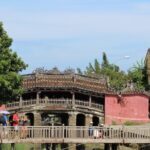
- The Japanese Covered Bridge and Sông Hoài Square
- Why these stops matter
- A practical drawback
- Craft, Snacks, and the Small Stops That Make the Day Feel Real
- What to buy (and what not to)
- Pacing on a 9.5-Hour Day: How to Make It Feel Less Rushed
- Price and Value: Is $67 Worth It?
- Who gets the best value
- Who might feel it’s not worth it
- Who Should Book This Tour (and Who Should Skip It)
- Should You Book the Da Nang My Son and Hoi An Full-Day Tour?
- FAQ
- How long is the My Son Sanctuary and Hoi An heritage tour?
- How much does the tour cost?
- Is hotel pickup included?
- Is lunch included?
- Are entrance fees included?
- Do I need to pay extra for bottled water or the guide?
- What about minors traveling?
- What’s the cancellation policy?
Key Things I’d Bet On
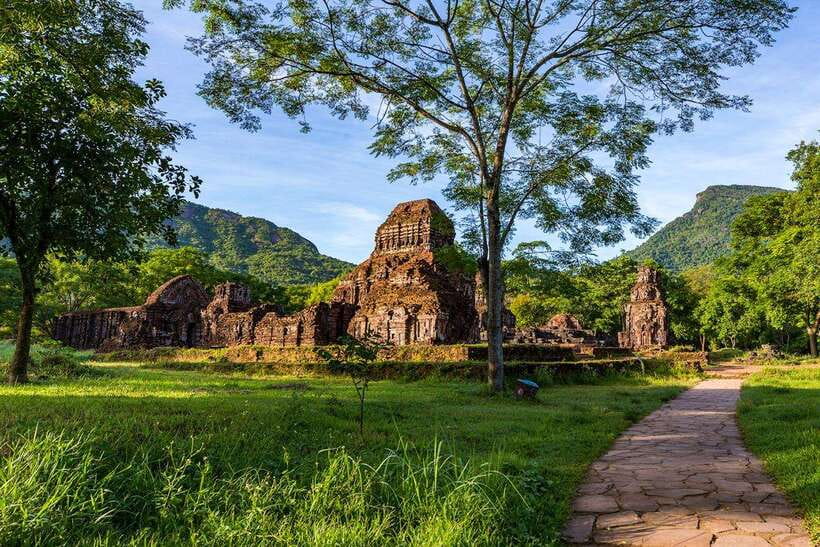
- My Son Sanctuary’s UNESCO ruins in a green valley with ancient red-brick towers
- Japanese Covered Bridge + old houses that show Hoi An’s architecture blend
- A guided day that reduces guesswork, with an English-speaking guide
- Lunch included, so you can focus on the sites instead of hunting food
- A schedule with short guided stops, plus time for walking at key moments
Why My Son and Hoi An Fit Together So Well
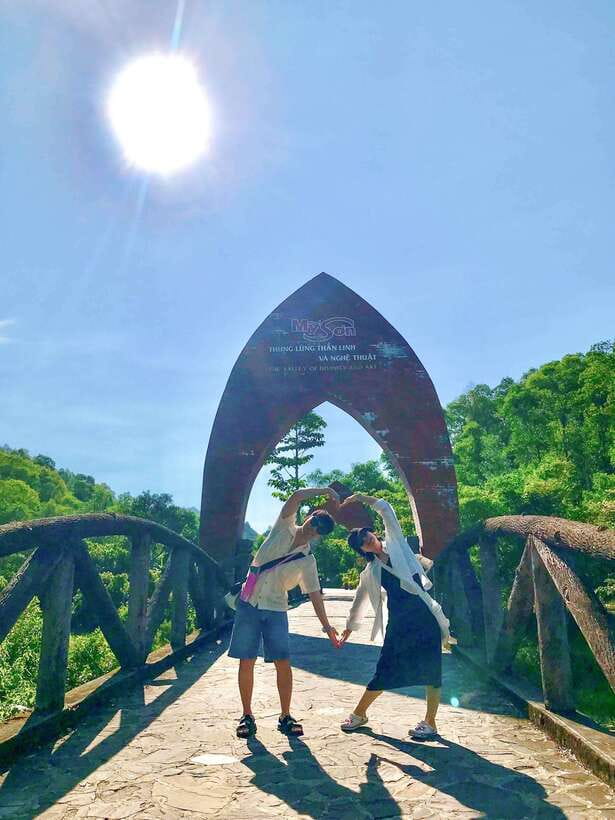
This tour is built around two places that explain each other. My Son shows you the Champa Kingdom’s religious center—its sanctuaries, brick towers, and the way people shaped sacred spaces in the valley. Then you shift to Hoi An, a trading port where outside cultures landed, stayed, and mixed into local architecture and customs.
That pairing matters because it prevents the “checklist travel” feeling. Instead of two separate days of ruins and old streets, you get a stronger sense of how central Vietnam’s identity formed over time—through faith, trade, and cultural contact.
Also, doing both in one day is smart if you’re based in Da Nang and don’t want to spend a second night planning details. With transport and entrance fees handled, you’re mostly spending your energy on experiences, not logistics.
You can also read our reviews of more historical tours in Da Nang
Getting from Da Nang: Pickup, Route, and What to Expect

You’ll start with hotel pickup in Da Nang City Center, with drop-off back in Da Nang at the end. Pickup is included, but it does not cover the Son Tra Peninsula area—so if that’s where you’re staying, you’ll want to confirm the meeting point and options.
The day runs about 9.5 hours, and your schedule moves from site to site with guided walking blocks. That’s why the “small practical” stuff is worth your attention:
- Wear shoes you can walk in for hours.
- Bring a hat and sunscreen; outdoor time is part of both stops.
- Have a light layer ready—weather can shift fast in this part of Vietnam.
If your guide is the type people praise (and the reviews mention passionate, helpful guides like Emily or Be), you’ll benefit from having someone coordinate timing, explain what you’re looking at, and keep you from wandering into confusion.
My Son Sanctuary: UNESCO Towers in a Mountain Valley
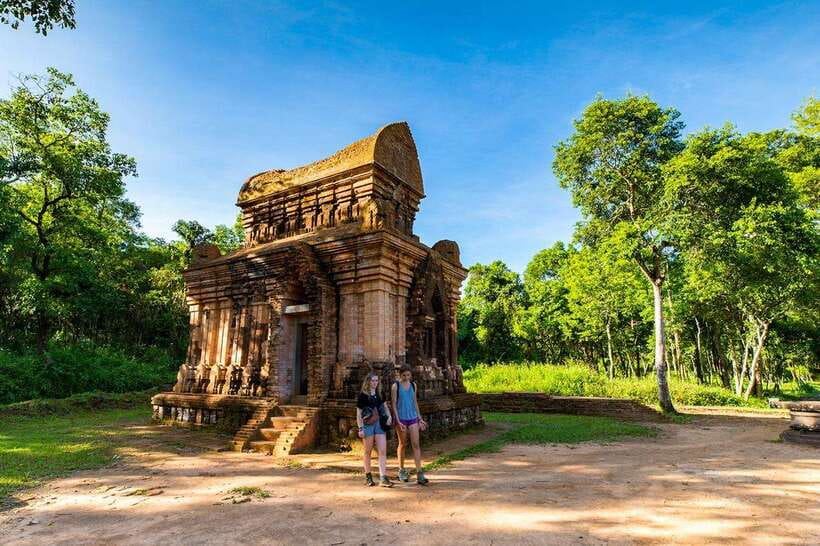
My Son Sanctuary is the core of the day, and it’s not just because it’s famous. It’s because the site feels theatrical. You’re looking at red brick sanctuaries and towers laid into a valley setting framed by mountains. Even before the guide starts explaining, you can tell this was made for worship and ceremony.
This is where the Champa story becomes physical. The highlight here is the ancient ruins dating back to the 3rd century, and the main sanctuary structures span from about the 7th to 13th centuries. You’ll see dozens of red brick towers and sanctuaries that reflect religious life in the Champa Kingdom’s capital and religious center.
What you’ll do there
Expect a guided visit with time to walk around and take photos. The focus is on the layout of the sanctuary area and how to read the structures—especially if you don’t know Champa culture well yet.
A realistic drawback
My Son involves outdoor walking and sun exposure. Also, parts of the ruins can feel repetitive if you’re expecting a single “wow building.” The magic is in understanding the site pattern—so listen closely, and don’t rush to the next photo spot every few minutes.




Best way to enjoy it
Go with a curiosity mindset. Instead of trying to memorize details, look for the big picture: how this valley environment supports a sacred complex, and how the architecture signals religious purpose.
Traditional Lunch in Hoi An: Eat, Refuel, Stay Comfortable
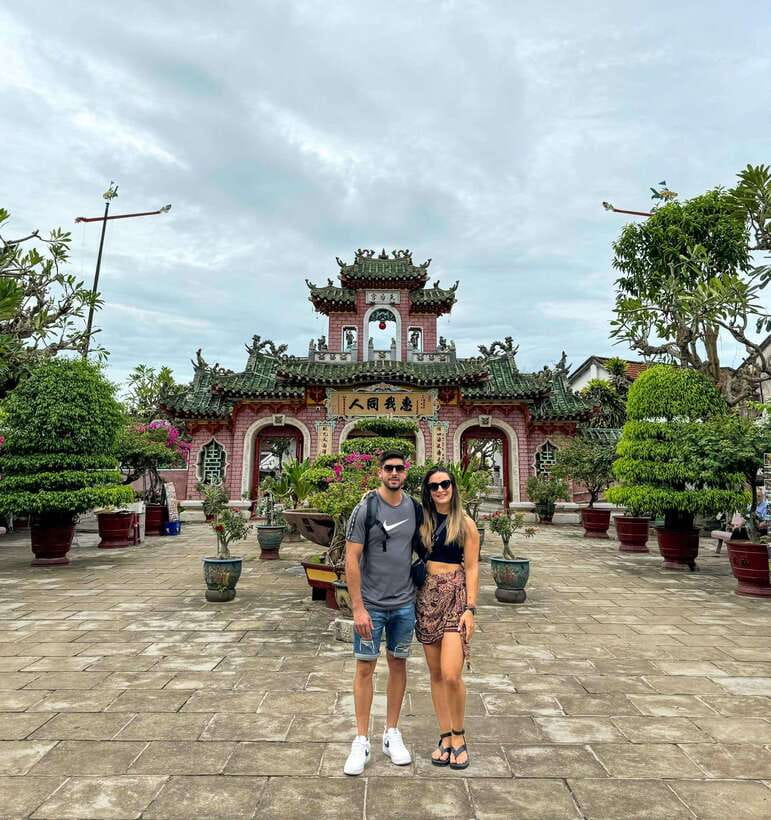
After My Son, you’ll have lunch at a local restaurant in Hoi An. Lunch is included, which sounds basic until you realize what it solves: in a tour day like this, food can turn into a time sink. Here, you get a set meal window, so you can keep moving.
The lunch is described as traditional Vietnamese cuisine. That’s exactly what you want on a day that’s otherwise mostly walking and heritage stops. Also, having a planned meal means you’re less likely to end up stuck in a tourist menu situation when you’re hungry and tired.
A small tip for your comfort
If you’re the type who gets overheated easily, go slow during the meal. A long food break isn’t promised, so you’ll likely jump back into walking afterward. Drink water when you can; bottled water is included.
Hoi An Market and the Start of the Walking Route
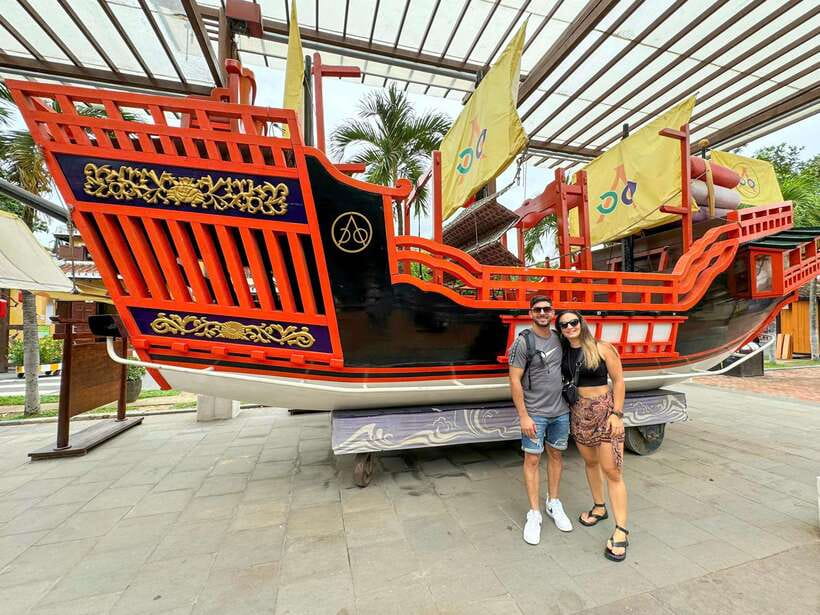
Once the walking in Hoi An begins, you’ll get a mix of heritage and daily life. One stop is the Hoi An Market, with guided time and a short walking window. Markets in Hoi An aren’t just for snacks—they’re also a sensory reminder that the town still functions, not just performs for tourists.
Even if you don’t buy anything, markets help you understand scale and rhythm. You see what locals choose, how shops are arranged, and how people move through the old streets.
Potential drawback
Markets can be crowded depending on the hour. You’ll be part of a group, so you’ll want to keep pace with the guide and avoid drifting into stalls at your own speed.
Lotus Pagoda and 66 Bạch Đằng: Quiet Spiritual Stops and a Dance Show
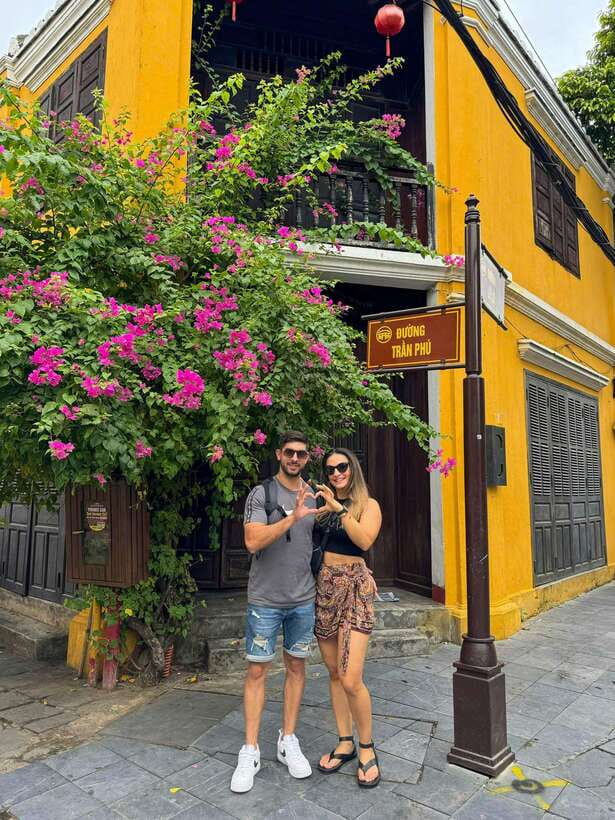
The tour includes a visit to the Lotus Pagoda and also a stop at 66 Bạch Đằng, where you’ll see a traditional dance show.
This is a smart mix because it breaks the day into different moods:
- Lotus Pagoda gives you a calmer, more reflective moment.
- 66 Bạch Đằng adds performance energy, helping you understand culture beyond buildings.
For people who prefer “stories with motion,” the dance show is often a highlight. For those who’d rather keep things straightforward, it’s still a useful cultural stop—especially on a day where much of the content is architectural.
Practical note
These are shorter guided stops, so don’t expect long free time. If you tend to take lots of photos, be ready to move when the group does.
Hoi An Folk Museum and Old House of Tan Ky: Architecture You Can Feel
Next you’ll get a stop at the Hoi An folk museum and then one of the most famous heritage homes: the Old House of Tan Ky.
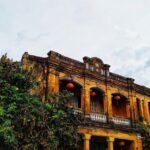
The power of a place like Tan Ky is that it’s lived-in history, in the best sense. You get to see how people built homes in Hoi An, how light and layout play into everyday life, and how architectural details hint at social and trade influence.
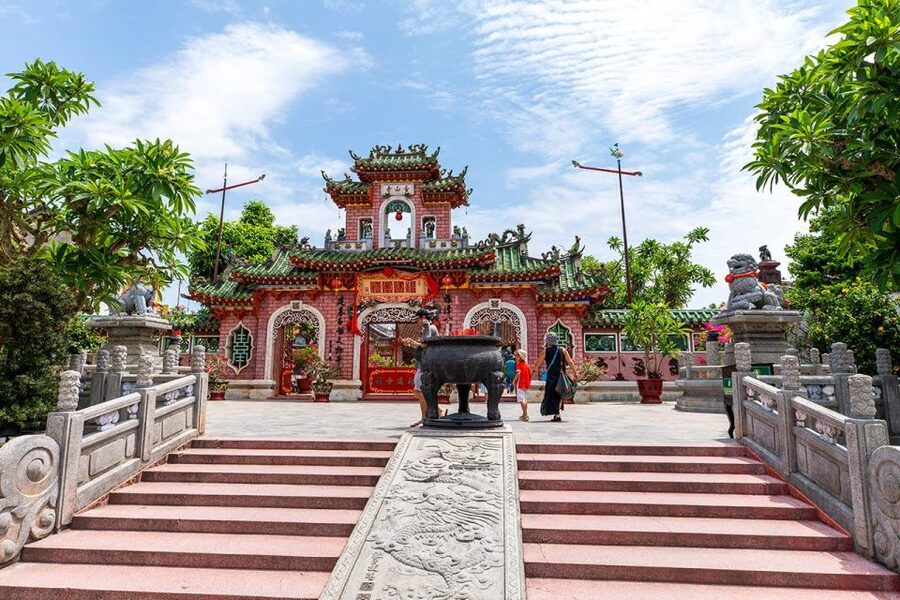
The tour also includes other heritage elements you’d expect in Hoi An—like ancient houses and assembly halls influenced by Chinese culture—so Tan Ky fits into a bigger theme: Hoi An as a crossroads town where styles and craftsmanship blended.
What to look for
Don’t just walk through rooms. Use the guide’s explanations to notice design logic—how spaces connect, how entrances and courtyards function, and how decorative elements reveal cultural influence.
Possible drawback
Indoor heritage sites can feel warm, and you’ll likely move in a steady flow with your group. If you enjoy slow, solo wandering, you may wish you had more time. The good news: the tour still gives multiple short windows so you can catch key views and then refocus.
The Japanese Covered Bridge and Sông Hoài Square
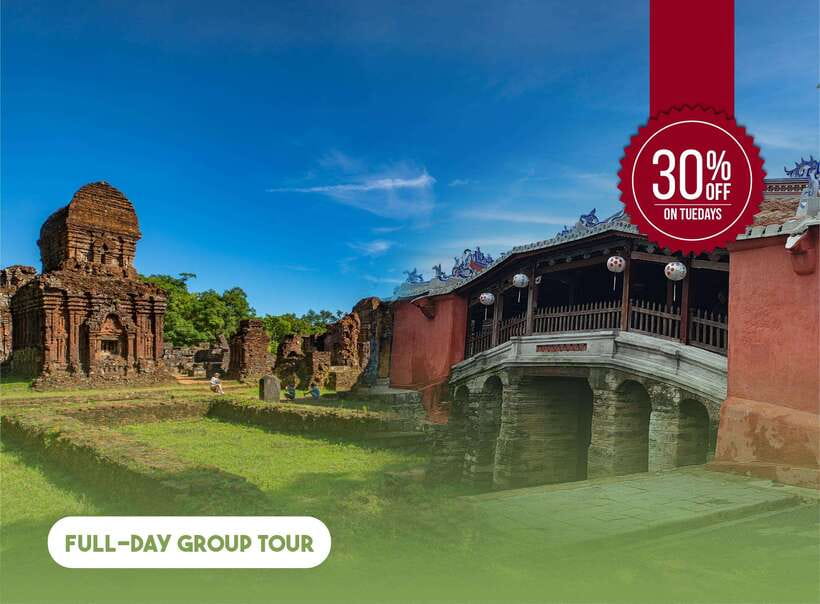
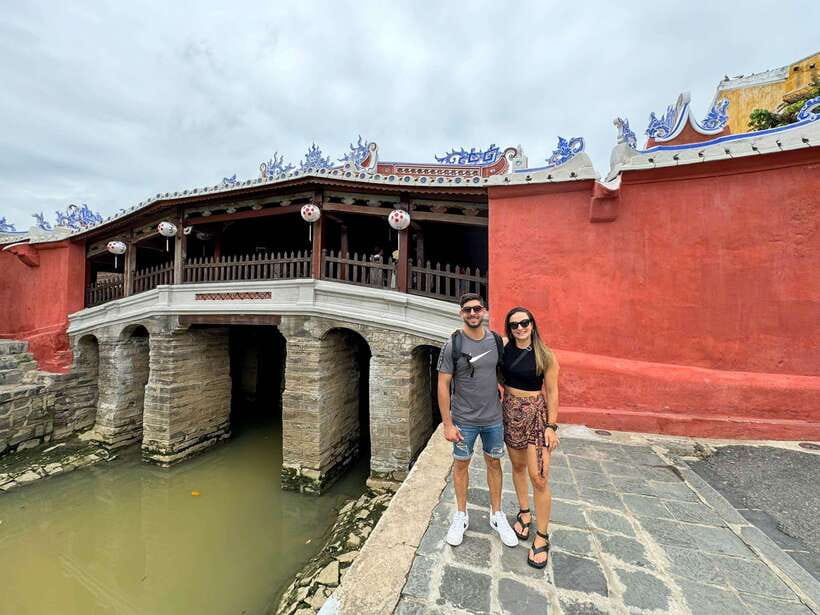
The Japanese Covered Bridge is the classic Hoi An landmark, and it earns its place for one simple reason: it looks like it belongs to the town’s identity. Even if you’ve seen it in photos before, being there is different. It’s tactile, human-scale, and tied to a long history of exchange.
After that, you’ll spend time at Sông Hoài Square, with guided viewing and a short walk.
Why these stops matter
The bridge represents cultural mixing in a visible way—an emblem of Japan’s influence in Hoi An’s trading era. Then Sông Hoài Square helps round out the experience by giving you a town-center feel, where the past and present coexist.
A practical drawback
These are popular photo targets. If you’re serious about photos, you’ll still do fine as a group, but expect brief crowd moments. The best way to handle it is to keep moving with the guide and take photos during your designated stop window.
Craft, Snacks, and the Small Stops That Make the Day Feel Real
You’ll also stop for local snacks at a local café for a short break. This matters more than people think. On a day that includes walking and heat, a small food moment helps keep your energy steady.
The tour also includes a craft manufacturing workshop stop (you’ll see traditional art/craft production elements). These aren’t just “shop” stops; they’re a chance to connect the heritage theme to real skills. Hoi An’s identity isn’t only in buildings—it’s in the hands that make things.
What to buy (and what not to)
The data you have doesn’t say exactly what’s for sale, so don’t count on a specific product line. I’d treat this as a learn-and-watch moment first. If you see something you genuinely like, buy it. If not, enjoy the process and move on.
Pacing on a 9.5-Hour Day: How to Make It Feel Less Rushed
At 9.5 hours, you’re combining two major areas and multiple stops. The pacing is structured—short guided segments, then enough time to walk around and look. That means you’re not stuck in a single long bus ride for the whole day.
One thing worth knowing from how people describe the experience: guides often aim to reduce stress by keeping you moving at sensible times. In some cases, the route and timing helps you avoid the worst traffic and the most crowded moments.
Still, it’s a full schedule. If you’re the type who hates being “on a plan,” this can feel busy. If you like having someone else coordinate the day, it feels efficient.
Price and Value: Is $67 Worth It?
$67 per person is the headline number, but value depends on what’s included and what you’re saving yourself.
Here’s what you’re getting without extra charges:
- Hotel pickup and drop-off in Da Nang City Center (with the Son Tra Peninsula exclusion)
- Transportation for the full route
- Entrance fees
- Lunch
- Bottled drinking water
- English-speaking tour guide
- Travel insurance
For a full-day route that covers a UNESCO site and major heritage walking in Hoi An, it’s not just “a bus ticket.” You’re paying for guided explanations, timed entry, and the convenience of not figuring out ticket lines and transport between areas.
Who gets the best value
You get the best deal if you:
- Want an English guide to explain what the ruins and houses mean
- Prefer one organized day instead of two separate plans
- Appreciate having lunch and entrance fees handled
Who might feel it’s not worth it
If you love independent travel and already know how to plan transport and tickets, you could theoretically build a DIY day for less. But you’d trade away guide time and a smooth, pre-set schedule.
Who Should Book This Tour (and Who Should Skip It)
This tour is a good fit for:
- First-timers to My Son and Hoi An who want a guided foundation
- People who like architecture, cultural mix, and interpretation
- Families traveling with adults (kids must be accompanied by an adult)
It may not be the best match if:
- You don’t like long walking days
- You prefer spending half the day lingering in one place rather than touching many sites
- You’re traveling with minors who would be unaccompanied (unaccompanied minors aren’t allowed on this activity)
If you want a quieter experience, the fact that private group options are available can help you control pacing and attention.
Should You Book the Da Nang My Son and Hoi An Full-Day Tour?
I think you should book this tour if you want a well-structured, guided day that hits My Son Sanctuary and the key Hoi An heritage icons without making you do planning homework. The combination of included lunch, entrance fees, and transportation makes the cost feel grounded rather than “nickel-and-dime.”
I’d also book if you’re the kind of traveler who enjoys understanding context—Champa religious purpose at My Son, then Hoi An’s architecture shaped by multiple cultures. The reviews also point to guides like Emily or Be being especially strong at clear explanations and helpful enthusiasm.
Skip it only if you strongly dislike long schedules and prefer slow independent wandering. Otherwise, this is a practical, memorable way to see two Central Vietnam heavyweights in a single day.
FAQ
How long is the My Son Sanctuary and Hoi An heritage tour?
The tour duration is 9.5 hours.
How much does the tour cost?
The price is $67 per person.
Is hotel pickup included?
Yes. Hotel pickup and drop-off are included from Da Nang City Center (except the Son Tra Peninsula). You should be ready about 15 minutes before your scheduled pickup time.
Is lunch included?
Yes. Lunch is included at a local restaurant.
Are entrance fees included?
Yes. Entrance fees are included.
Do I need to pay extra for bottled water or the guide?
Bottled drinking water is included, and there is an English-speaking tour guide included in the price.
What about minors traveling?
Unaccompanied minors are not allowed. Every child must be accompanied by an adult, and adult tickets must be booked for additional children.
What’s the cancellation policy?
Free cancellation is available up to 24 hours in advance for a full refund.