REVIEW · DOHA
Doha: North of Qatar Tour, History and heritage
Book on Viator →Operated by Arabian Tourism · Bookable on Viator
If you think Doha is all Qatar has, think again. This 4-hour northern loop takes you from Al Khor’s pearl-diving harbor to mangroves and then on to the UNESCO site of Al Zubara Fort. I especially like the way the day balances nature (mangroves on Purple Island) with human history (the fort and the archaeological story), and I also like the small-group feel, max 6 people, which keeps the questions coming. One watch-out: Al Zubara Fort’s admission isn’t included, so you’ll want to budget for that extra cost.
The guide quality really shows here. In my notes from different departures, Tariq and Usmaan get singled out for clear, friendly explanations, smart photo stops, and keeping things comfortable with tea and cold water when the heat is doing its thing. If you’re hoping for nonstop chatter, do know that experiences can vary by guide, and one review mentioned a quieter, less explanatory guide—so ask questions early and keep the day interactive.
In This Review
- Key highlights worth planning around
- Why Qatar’s North Feels Like Another Side of the Same Story
- Getting There in an Air-Conditioned Car Without the Headache
- Stop 1: Al Khor Harbor and the Pearl-Diving Past
- Stop 2: Purple Island’s Mangroves for a Slow Nature Reset
- Passing Al Thakira and Getting a Peek Toward Al Shamal
- Stop 3: Al Zubara Fort and the UNESCO Archaeology Story
- Stop 4: 2394+R3 Desert Art and the Pattern You Can Actually See
- The Guide Experience: Tariq and Usmaan Make the Day Click
- Price and Value: What $59 Really Covers
- Who This Tour Fits Best (and Who Might Want Something Else)
- Should You Book This North of Qatar Tour?
- FAQ
- How long is the North of Qatar tour?
- Is pickup available?
- How many people are in the group?
- What’s included in the tour price?
- Are admission fees included?
- Which places do you visit?
- Is Purple Island entrance free?
- Is there something to do at Purple Island besides walking?
- Does the tour provide a mobile ticket?
- Can I cancel for a full refund?
Key highlights worth planning around
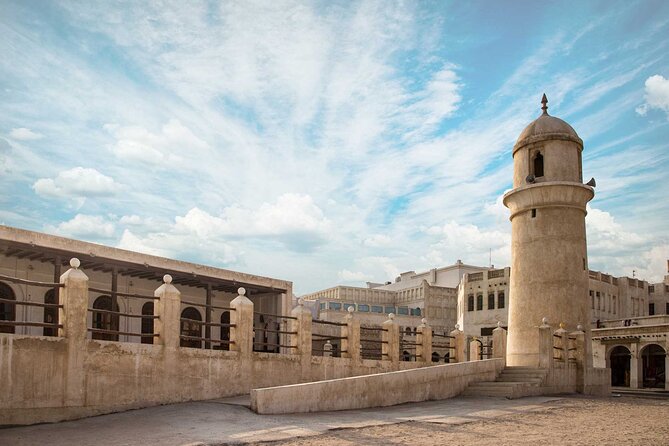
- Pearling-era Al Khor: a quieter port feel, plus a museum linked to fishing, pearling and dhow building
- Purple Island mangroves: free time for walks, picnic-style breaks, and even kayaking if you want to go there
- UNESCO at Al Zubara Fort: archaeological context, plus artifacts displayed in the renovated fort
- Islamic art meets math at 2394+R3: a site-specific artwork based on symmetry you can actually spot
- Small group, max 6: easier pacing for photos and questions than big-bus tours
- Comfort upgrades: air-conditioned car, bottled water, coffee/tea, plus guidance that can suggest good photo angles
Why Qatar’s North Feels Like Another Side of the Same Story
Qatar’s north doesn’t feel like a second city. It feels like a different chapter. Instead of skyscraper Doha energy, you get coastal ports, mangrove edges, desert forts, and a sense of how people used to live and trade.
What makes this route satisfying is the mix. You’re not just looking at one thing for four hours. You’re moving through coastal work (Al Khor), sheltered nature (Purple Island mangroves), and long-term human presence (Al Zubara). Toss in a traditional Qatari village stop and the chance to see Bahrain from Al Shamal on clear days, and the day turns into a readable map of the country.
You can also read our reviews of more historical tours in Doha



Getting There in an Air-Conditioned Car Without the Headache
This is set up as a transport-first tour. You get private transportation, and you ride in an air-conditioned vehicle, which matters a lot in Qatar when your outdoor time is planned but your waiting time can sneak up on you.
The group size is capped at 6 travelers. That’s big enough to share the experience, small enough that a guide can actually steer attention—like pointing out where to stand for photos, or keeping a comfortable rhythm between stops. Most people will also appreciate the included bottled water, plus coffee and/or tea during the day.
Pickup is offered, and since it’s a half-day tour (about 4 hours), you can usually fit it cleanly between other Doha plans. This is one of those trips where the logistics don’t eat your day.
Stop 1: Al Khor Harbor and the Pearl-Diving Past
Al Khor sits about 50 kilometers north of Doha. It’s older than Doha, but much smaller—so the pace here feels more human, less staged. The harbor area is where the story starts, because this used to be Qatar’s center for pearl diving and fishing.
The day’s value at Al Khor is partly what you see and partly what it explains. You’ll get a scenic harbor with traditional fishing dhows, a corniche that leads toward mangrove colonies, and a museum connection that covers the fishing, pearling, and dhow building industries. The stop is about 45 minutes, and admission is free.
Practical tip: if you like photos, ask your guide where the light looks best before you wander off. Several guides in this experience are praised for photo help, including picking the right angles and offering to take group shots.
A gentle reality check: Al Khor’s importance changed over time. The harbor lost some of its former role after cultured pearls arrived. That’s a key idea the tour is built around—how technology and economics reshape places.
Stop 2: Purple Island’s Mangroves for a Slow Nature Reset
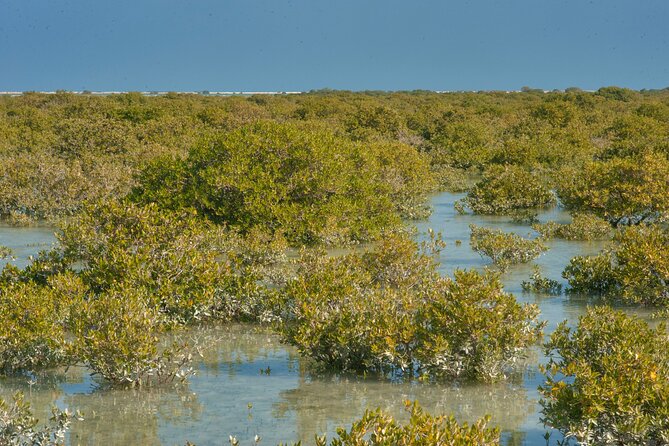
After the port story, you shift into calm mode at Purple Island. This is an island setting beyond Al Khor, known for mangroves and lush greenery. The tone changes right away: less trade-and-history, more quiet and nature-focused time.
The stop is about 45 minutes, and admission is free. You’ll have options that fit different travel styles. If you want a relaxed walk and family picnic vibe, you can do that. If you want something more active, kayaking is listed as an option.
This is the kind of stop that works even if you’re not a hardcore nature person. Mangroves are fascinating because they sit at the boundary between land and sea, and you get that sense of protection—roots, water, wildlife. If you’re doing this tour in the hottest part of the day, pace yourself. You’ll enjoy it more if you keep the walking light and use the time for small breaks.
Also, don’t underestimate how “just being here” can make the fort stop later feel even more meaningful. The day has structure, but it also gives you a breather.
Passing Al Thakira and Getting a Peek Toward Al Shamal
Between stops, you’ll go through Al Thakira. This is part of the way the tour threads nature into the bigger heritage story. The tour specifically mentions mangroves here too, so you’re getting multiple nature angles rather than a one-and-done photo stop.
Then comes a pair of location moments that make Qatar’s geography feel real. First, you visit a traditional Qatari village area with houses made of limestone and mud. Even without a long stay, it adds texture: you can see how building materials relate to the land and climate.
Second, you may have views toward Bahrain on clear days from Al Shamal. That’s not guaranteed in the sense of weather control, but it’s a nice planning idea. If the sky is clean, you get an extra geographic reward without adding more time.


Stop 3: Al Zubara Fort and the UNESCO Archaeology Story
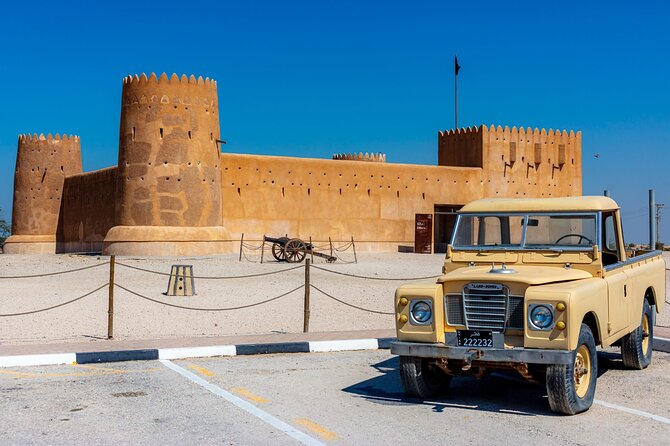
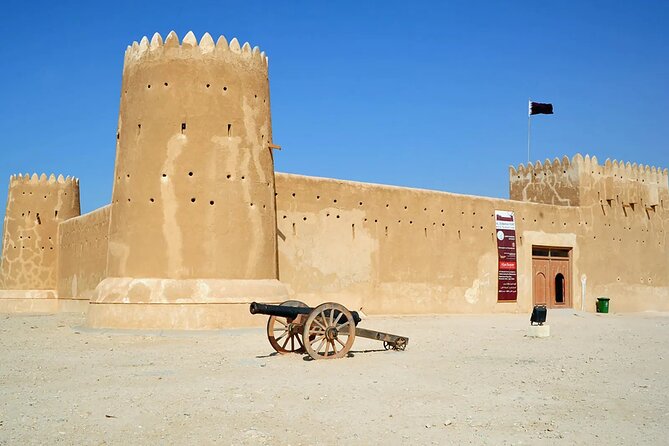
Al Zubara Fort is the headline. It’s Qatar’s first UNESCO World Heritage site, and the tour treats it like more than a monument.
Here’s the basic setup you’ll feel on-site: the fort was built next to the ruins of an ancient fort. Al Zubarah used to be a flourishing port and a center for trade, fishing, and pearling. Over time, the area became an archaeological focus, and excavation work continues with teams connected to the Qatar Museums Authority.
You’ll spend about 1 hour here. Admission isn’t included, so plan for that cost. The good news is that the tour doesn’t just point at walls. It connects the excavations to artifacts displayed in the renovated fort. That makes the site easier to understand: you’re seeing what was found, not only what’s left standing.
How to get the most out of your hour: move slowly at the spots where your guide is explaining the sequence of the port’s past. These talks tend to click when you can visually connect the trade-life story to the physical fort layout.
Stop 4: 2394+R3 Desert Art and the Pattern You Can Actually See
Next is a totally different flavor of culture: public art in the desert. 2394+R3 is described as a site-specific artwork made up of shelters arranged in circular forms.
At first glance, it can look random. It isn’t. The design is positioned according to axes of a fivefold symmetrical pattern. The center includes ten shelters forming a pentagram-like arrangement. The tour also notes that similar principles were recently discovered by mathematicians in the West, while Islamic cultures may have used comparable sophistication in medieval-era design.
This stop takes about 40 minutes, and admission is free. If you like visual patterns, this is a fun break from lectures about trade and architecture. It gives your brain something else to do: spot order in the open air.
Photo tip: bring your patience. Desert light changes fast, and shadows make the pattern clearer. If your guide is the photo-helper type (many guides are praised for this), ask where to stand before you climb around for angles.
The Guide Experience: Tariq and Usmaan Make the Day Click
This tour seems to live or die by the guiding. And in the feedback you can see a repeated theme: strong guides don’t just describe stops—they organize your attention.
Tariq is mentioned as superb, friendly, and knowledgeable, with guides describing sites clearly before arrival and even offering help with the best places to take photos. Usmaan also comes up as extremely knowledgeable, punctual but flexible, and good at responding to last-minute tweaks like drop-off adjustments.
That flexibility shows up in how the day can feel. One review mentioned a guide letting the group decide whether to stop for tea, which is the kind of small control that makes a half-day tour feel less rigid.
Balanced note: one review flagged a guide who felt less talkative and didn’t really explain places, making the experience feel more like driving with minimal storytelling. If you want history to be a big part of your day, treat this like a conversation: ask questions early. The better guides will meet you halfway.
Price and Value: What $59 Really Covers
At $59 per person, this tour sits in the “worth it if you use the time well” category. You’re paying for transport, guided interpretation, and a structured hit-list across Qatar’s north.
Included in the price:
- Private transportation in an air-conditioned vehicle
- Bottled water
- Coffee and/or tea
Mobile ticketing is also part of the setup, which is helpful when you’re juggling multiple plans in Doha.
What’s not included:
- All fees and taxes
That matters most for Al Zubara Fort, since admission there is specifically listed as not included. Stops like Al Khor Harbor, Purple Island, and 2394+R3 are marked as free admission tickets, so the extra cost is likely concentrated around the fort.
Is it good value? For me, it makes sense because you’re not just getting a view from the car. You’re getting short, meaningful stops with context: a working port past, mangrove nature time, a UNESCO site with artifacts, and desert art with a design story. Plus the max 6 group size makes the day feel less like a conveyor belt.
One small planning note: the average booking lead time is around 50 days. That usually means popular dates may fill earlier than you expect.
Who This Tour Fits Best (and Who Might Want Something Else)
This is a strong match for:
- People who want to see beyond Doha without committing to a full-day outing
- Travelers who like history with a clear narrative thread (pearling → port life → archaeology)
- Photo lovers who enjoy being guided to better angles
- Families who might enjoy the mangrove time at Purple Island and the idea of picnics
It might be less ideal if:
- You want a long, free-form exploration with no structure. This is about stops with timing, not hours and hours in one place.
- You’re only interested in city-style sights in the urban sense. The day leans rural/natural.
- You hate paying extra on the spot for a paid attraction, since Al Zubara Fort admission is not included.
Should You Book This North of Qatar Tour?
I’d book it if you want a compact taste of northern Qatar with real variety. The combination of Al Khor’s harbor story, mangroves on Purple Island, UNESCO archaeology at Al Zubara Fort, and the math-and-pattern angle of 2394+R3 is a smart mix. Add the limestone-and-mud village stop and the possibility of Bahrain views from Al Shamal on clear days, and you’ve got a day that feels like it tells a bigger story than Doha-only sightseeing.
If history matters to you, put energy into asking questions as you go—especially at Al Zubara. If the guide is strong, this tour turns from a list of places into an explanation of Qatar itself. If you want a safe bet for a smooth half-day, this one fits the bill.
FAQ
How long is the North of Qatar tour?
It’s about 4 hours (approx.).
Is pickup available?
Yes. Pickup is offered.
How many people are in the group?
The maximum group size is 6 travelers.
What’s included in the tour price?
Private transportation, an air-conditioned vehicle, bottled water, and coffee and/or tea are included.
Are admission fees included?
No. All fees and taxes are not included. Al Zubara Fort admission is listed as not included, while several other stops have free admission.
Which places do you visit?
You’ll visit Al Khor, Purple Island (Al Khor Island), Al Zubara Fort, and the 2394+R3 site-specific artwork. The route also includes mangroves (via Al Thakira), a traditional Qatari village with limestone and mud houses, and a view toward Bahrain on clear days from Al Shamal.
Is Purple Island entrance free?
Yes. Purple Island is listed as free admission.
Is there something to do at Purple Island besides walking?
Kayaking is an option mentioned for Purple Island, along with walks and family picnic-style time.
Does the tour provide a mobile ticket?
Yes. Mobile ticketing is listed as a feature.
Can I cancel for a full refund?
Yes, with free cancellation up to 24 hours in advance for a full refund.