REVIEW · BEIJING
Great Wall of China at Mutianyu plus Ancient City Wall of Beijing
Book on Viator →Operated by Wikibeijing · Bookable on Viator
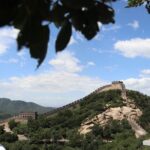
That first Great Wall view hits hard.
This private full-day outing is a smart way to see Mutianyu without wasting the whole day on logistics, and I especially like that all entrance fees are folded in. You also get a guided hike and then a calmer stop at the Ancient Ming City Wall Ruins Park, where you can walk among the restored brickwork and spot details like bullet marks. The only real drawback is the early start—7:00 am pickup means you’ll want an early night.
What makes this day work is the pacing: you spend your main chunk (about two hours) actually on the wall, then you shift gears to a shorter, more relaxed city-wall visit. I also like that you’re not stuck figuring things out yourself; you travel with a private guide (names you might hear mentioned include Li and Joe Geng) who keeps the day flowing and explains what you’re seeing in clear, practical terms.
In This Review
- Key Highlights You’ll Care About
- The Value Angle: What $175 Buys You in a Real Beijing Day
- 7:00 am Hotel Pickup: How This Tour Avoids Wasted Morning Time
- Mutianyu Great Wall: Cable Car Up, Real Walking Time In
- What to Look For While You’re On the Wall
- Timing the Views: Why Aerial-Style Perspectives Matter
- A Note on Crowds and Your Best Shot at Quiet
- Site of Ming City Wall Ruins Park: The Second Wall That Feels Like a Breather
- Southeast Corner Watchtower: Arrow-Tower Details You Can Actually Understand
- Lunch and the Pace of an 8–9 Hour Day
- Your Guide Matters More Than You Think
- Price and Logistics: What to Consider Before You Say Yes
- Who This Tour Suits Best
- Should You Book This Great Wall + Ming City Wall Day?
- FAQ
- What time does the tour start?
- How long is the tour?
- Does it include hotel pickup and drop-off?
- Are entrance fees included?
- Do I need to bring a passport?
- Can I cancel for a full refund?
Key Highlights You’ll Care About
- Hotel pickup and drop-off included, so you start early and worry less.
- All entrance fees included, which helps you avoid surprise add-ons.
- Cable car access at Mutianyu keeps you on the wall longer.
- A private guide means you can move at your pace and stop for the best angles.
- Ming City Wall Ruins Park adds a second layer of Beijing’s wall story beyond the famous fortifications.
- A 7:00 am start helps you beat the worst crowd pressure at Mutianyu.
The Value Angle: What $175 Buys You in a Real Beijing Day
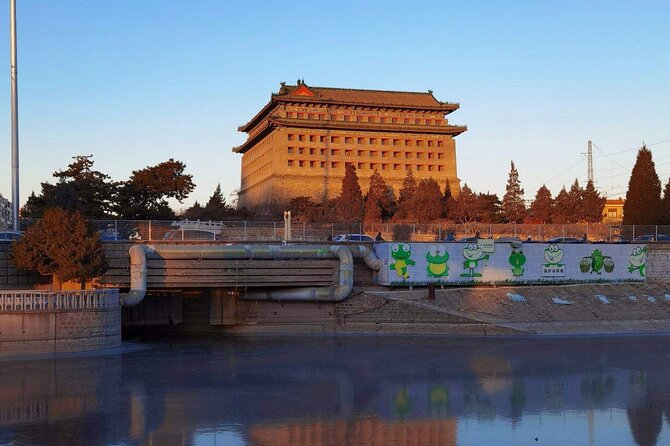
At $175 per person, this isn’t the cheapest way to do Beijing’s two big wall stops. But it is priced like a day designed for you—not like a bare-bones ticket-and-hope plan.
You’re paying for three things that matter once you’re on the ground:
- Time: a full-day program with a clear flow, starting at 7:00 am.
- Reduced friction: free hotel pickup and drop-off means you’re not burning energy on taxis, schedules, or figuring out where to go next.
- Fewer payment headaches: entrance fees are included, so you’re not constantly recalculating budgets mid-day.
And there’s a quality-of-the-day factor too. The best feedback for this provider centers on guides who speak excellent English and know how to make the day feel smooth—people often name guides like Li and Joe in particular, and that matters when you’re walking big, historic sites where it’s easy to get lost in the crowd.
You can also read our reviews of more city tours in Beijing

7:00 am Hotel Pickup: How This Tour Avoids Wasted Morning Time
You meet your guide in your hotel lobby at 7:00 am, which sounds early because it is early. But for Mutianyu, early usually means fewer headaches: less congestion, smoother entry, and better odds of finding quiet spots along the wall.
This is one of those days where pickup logistics can make or break your energy. With free hotel pickup and drop-off included, you’re basically buying back hours of your attention. You can focus on the big stuff—views, stone details, and the sense of walking something that’s been rebuilt and re-used over centuries.
Mutianyu Great Wall: Cable Car Up, Real Walking Time In
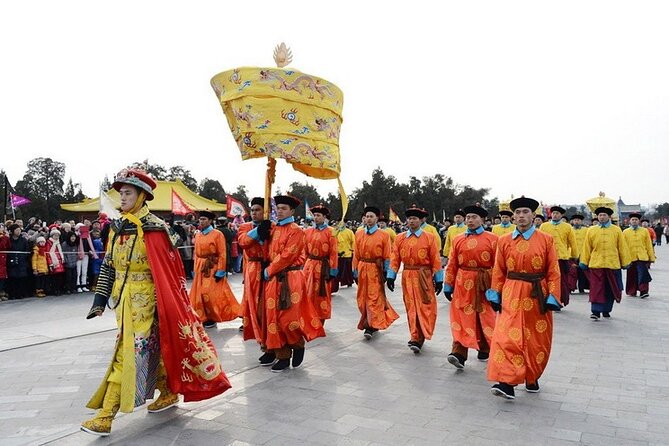
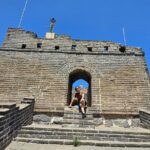
Mutianyu is often the Great Wall stop that feels the most user-friendly. You’ll start with the Mutianyu Great Wall segment, and the plan is built around giving you more time on the wall and less time stuck in transitions.
A key detail: you take the cable car for both directions. That choice helps you maximize actual wall time. Instead of turning your day into a long grind of getting to and from viewpoints, you spend more of the two hours walking along the structure itself.
Mutianyu was built and restored in the early Ming Dynasty (1368–1644), and it sits on older ground—remnants of an earlier wall line from the Northern Qi Dynasty (550–577). So you’re not just seeing a single-era monument; you’re seeing how the wall concept evolved and got rebuilt to keep serving the same purpose.
What to Look For While You’re On the Wall
Even without a technical lecture, you’ll get a lot more from your hike if you keep an eye on a few things:
- The way the brickwork and restoration blend with older stone.
- The geometry of the watch positions—where it looks built for visibility.
- The rhythm of the stairs and platforms, which often tells you where people historically paused to signal or regroup.
A good guide helps here. In the feedback for this operator, English clarity and a friendly, knowledgeable approach come up again and again—exactly what you want when you’re looking at a site that can feel overwhelming at first glance.
Timing the Views: Why Aerial-Style Perspectives Matter
Mutianyu is famous for wide-angle landscapes. One reason the tour highlights fantastic aerial views is that you’ll naturally get “big picture” moments from your cable car approach and from the higher sections you reach as you walk.
This isn’t just about getting a pretty photo (though, yes, you’ll want one). It’s also about understanding what you’re standing on. When you can see stretches of the wall fading into the hills, the Great Wall starts to make sense as a system—not just a single tourist line of stones.
If you’re prone to rushing, this tour structure gives you a gentle correction. You’re allocated about two hours on the wall, which encourages you to choose a direction and pace yourself instead of sprinting to hit everything.





A Note on Crowds and Your Best Shot at Quiet
One stand-out theme from the strongest feedback is the sense that the day can feel calmer than you’d expect—especially when your timing and guide choice line up well. You can’t control crowds entirely, but you can control your approach. Ask your guide to point out where people tend to cluster so you can spend more time where you can actually see the landscape.
Site of Ming City Wall Ruins Park: The Second Wall That Feels Like a Breather
After Mutianyu, you’ll head back toward the city for the Ming City Wall Ruins Park. This part of the day is only about one hour, and that’s a good thing. It gives you a second perspective without turning your schedule into an all-day wall marathon.
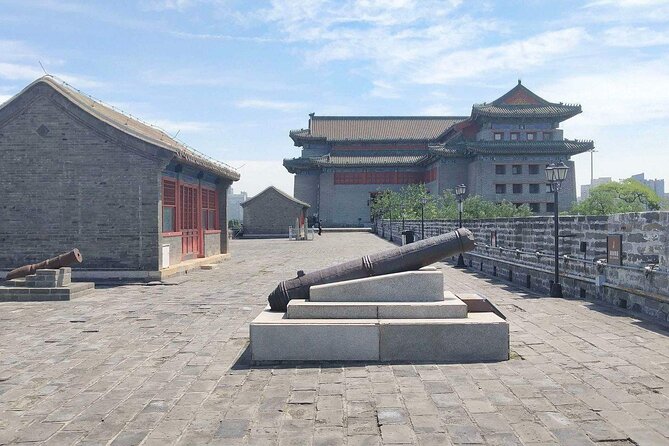
Here’s the payoff: this park preserves a restored section of the 15th-century wall that once encircled Beijing. You’re not getting the full “long-distance hike” experience. You’re getting a concentrated look at wall architecture up close.
The showpiece is the remaining restored line—about 2 kilometers of the Ming-era wall. You’ll notice brickwork and even bullet holes, which is the kind of detail that makes history feel real instead of decorative.
Southeast Corner Watchtower: Arrow-Tower Details You Can Actually Understand
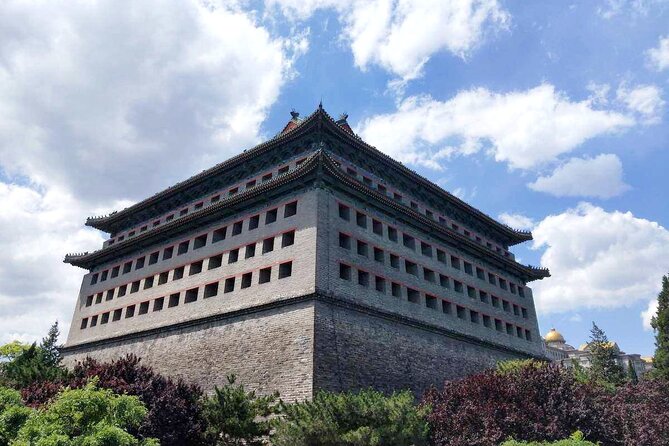
One of the coolest specifics here is the Southeast Corner Watchtower. The park has exhibitions there, and it’s described as the largest arrow tower existing in China with 144 windows.
That number is the kind of detail that sticks with you because it’s concrete. When you’re standing near a structure with lots of openings, it helps you imagine how defenders could protect a stretch of wall with visibility and layered coverage.
For your energy level, this stop is also easier to enjoy. By the time you reach the Ming City Wall Ruins Park, you’ll be shifting from “climb and hike” mode into “walk and look around” mode. That makes it a smart pairing with Mutianyu.
Lunch and the Pace of an 8–9 Hour Day
Lunch is included, which is more important than it sounds. Great Wall days can get weird if you don’t build in a real break—snacks run out, lines form, and suddenly you’re spending half your afternoon in whatever food setup you can find.
Here, lunch is part of the flow. That helps you keep your energy for the cable-car walking and then still have enough left to enjoy the quieter city-wall ruins.
The overall duration is about 8 to 9 hours, which is long enough to feel like a proper day, but not so long that you’ll start losing attention near the end.
Your Guide Matters More Than You Think
This tour is private. That means your guide isn’t a background role. They help you:
- Find the right time to move between the wall and viewpoint zones.
- Understand what you’re looking at without needing a guidebook glossary.
- Keep the day from feeling like a checklist.
Guide praise in the feedback you’ll see for this operator consistently focuses on friendliness, strong English, and making the experience feel personal. Names that pop up include Li, Joe, and Joe Geng—and those details matter if you’re the type of traveler who values clarity over vague “this is old” commentary.
Even if you’re a confident self-guided traveler, a private guide can be the difference between standing on a site and actually understanding it.
Price and Logistics: What to Consider Before You Say Yes
Before you book, consider two practical things.
First, the early start at 7:00 am. If you’re not an early morning person, you’ll still survive, but you’ll enjoy the day more if you treat it like a plan, not an accident.
Second, you’re choosing a specific wall style. Mutianyu is the focus, but the hike time is limited to around two hours. If you’re dreaming of a long, multi-section trek, this format may feel short. If you want the best blend of iconic views and manageable time, it’s a good fit.
The upside of this format is that you’re also adding the Ming City Wall Ruins Park, which is a different flavor of wall experience. It makes your day feel like more than a single-stop photo mission.
Who This Tour Suits Best
This is a strong match if you want:
- A private day rather than a bus full of strangers.
- A guided approach with clear English support.
- Built-in value: entrance fees, pickup, and lunch included.
- Two wall experiences in one day: Mutianyu for the classic Great Wall vibe and the Ming City Wall Ruins Park for a closer, calmer historical look.
It’s especially appealing for couples, small groups, and anyone who feels tired of “tourist logistics” and just wants the day to run smoothly.
Should You Book This Great Wall + Ming City Wall Day?
I’d book it if your priority is an efficient, guided wall day that doesn’t turn into a budget math problem. The included entrance fees, lunch, and free hotel pickup and drop-off are the kind of practical perks that make the price feel fair. And the two-stop structure gives you variety: big landscape views at Mutianyu, then detailed wall architecture in Beijing at the Ming ruins.
I would hesitate only if you strongly prefer a longer wall hike with more time on the Great Wall than this plan allows. Also, if waking up early is a dealbreaker, plan for it now.
If you’re comfortable with an 8–9 hour day and want the Great Wall without the usual hassle, this is the kind of tour that delivers.
FAQ
What time does the tour start?
It starts at 7:00 am with meeting your guide in your hotel lobby.
How long is the tour?
The total duration is about 8 to 9 hours.
Does it include hotel pickup and drop-off?
Yes. Free hotel pickup and drop-off are included.
Are entrance fees included?
Yes. All entrance fees are included, so you won’t need to pay separately for the sites on the day.
Do I need to bring a passport?
Yes. Please bring your passport for the tour.
Can I cancel for a full refund?
Yes, you can cancel for a full refund if you cancel at least 24 hours in advance of the experience start time.