REVIEW · NEW DELHI
Old Delhi Food-Spice Market-Temples Tour Soon Featured on NETFLIX
Book on Viator →Operated by Explore Real India · Bookable on Viator
Old Delhi can be loud and confusing. This tour turns that blur into a clear route through food, faith, and history. You’ll bounce between major landmarks and the smaller lanes that make the area feel alive, with tastings planned so you can focus on flavors instead of guesswork.
I especially like two things: the street food tastings are built into the price, and you get a Sikh langar meal experience that’s bigger than most people expect. The guide also keeps the pacing tight enough to cover a lot in about 3 hours without feeling like you’re sprinting.
One thing to consider: this is a lot of walking on uneven Old Delhi streets, and temple visits mean shoes come off (and for some people, that can be the whole problem). If you’re sensitive to crowds, heat, or footwear discomfort, plan your day around the weather and your comfort level.
In This Review
- Key things that make this Old Delhi food-and-spice tour work
- Getting your bearings fast around Chandni Chowk
- Red Fort from outside: a landmark moment without the time sink
- Gurudwara Sis Ganj Sahib and the Langar kitchen experience
- Asia’s largest spice market: Khari Baoli smells like a lesson
- Chandni Chowk bazaar food: tastings you can actually plan around
- Digambar Jain Temple: a quiet reset inside the noise
- 370-year-old mosque and Red Fort area context
- Gali Paranthe Wali and the Old Delhi rickshaw ride
- Price, value, and what $49.10 actually covers
- What to wear and bring so the tour feels easy
- Who should book this tour (and who might skip it)
- Should you book this Old Delhi Food-Spice Market-Temples Tour?
- FAQ
- How long is the tour?
- What food and drinks are included?
- What’s the group size?
- Where does the tour start?
- What should I wear for temple visits?
- Is weather important?
Key things that make this Old Delhi food-and-spice tour work
- Street-food safety focus with tried-and-tested vendor stops so you can eat confidently
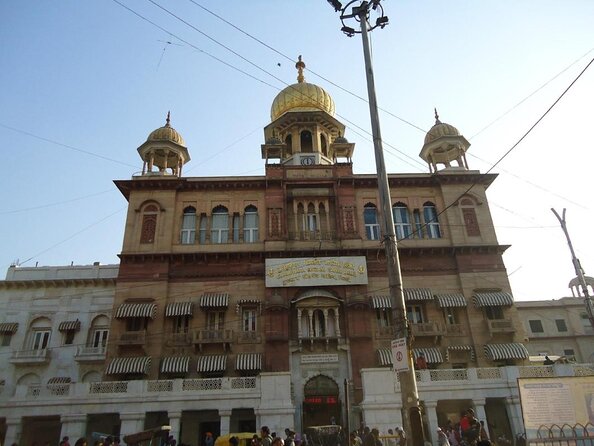
- Sikh Gurdwara Sis Ganj Sahib + Langar where 15,000+ people eat for free every day
- Asia’s largest spice market (Khari Baoli) plus a secret rooftop photo finish
- Compact Old Delhi route centered on Chandni Chowk so you don’t waste time crossing the whole city
- Temples across faiths including a Digambar Jain Temple, with respectful access rules
- Rickshaw ride through the market lanes for a fast, fun reality check on Old Delhi
Getting your bearings fast around Chandni Chowk
Old Delhi has a way of throwing you off your rhythm. You’ll start near Chandni Chowk at 892, Lajpat Rai Market, and from there the guide helps you move like you belong—without you having to constantly re-check your map. The group stays small, with a maximum of 12 travelers, so it doesn’t turn into a herding situation.
The tour runs about 3 hours, which is the sweet spot for first-timers. You get meaningful stops—temples, markets, and viewpoints—without losing the whole afternoon to transit. And because there’s WiFi on board, you can still sync plans with your next stop without disappearing into airplane mode.
If you’re doing Old Delhi on a tight schedule (or you’re solo and want structure), this format is practical. One person can feel brave; five people can feel coordinated. Small group size helps a lot.
You can also read our reviews of more food & drink experiences in New Delhi

Red Fort from outside: a landmark moment without the time sink

You’ll begin with an outside look at Red Fort. That matters even if you’re not going inside. It gives you a physical anchor right at the start, so the later lanes feel connected to something bigger than a snack run.
What I like about starting this way is psychology. Even before the food arrives, you’re orienting to where you are in Delhi’s story. Then when you move into the market area, you’re not just reacting to chaos—you’re following a route.
There’s also an added benefit for photos. From the street, the fort is a recognizable frame, even when Old Delhi is doing its best impression of a sensory storm.
Gurudwara Sis Ganj Sahib and the Langar kitchen experience
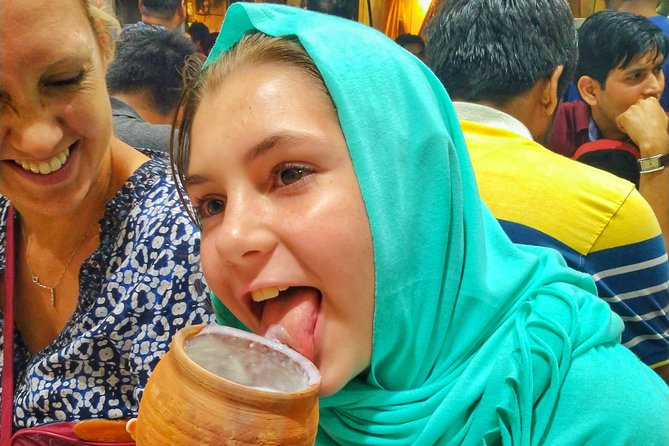
Next you’ll head to Gurdwara Sis Ganj Sahib, a place that can change how you understand community in India. You’re not just walking past a temple. You spend time there and learn how the worship spaces connect to food for everyone.
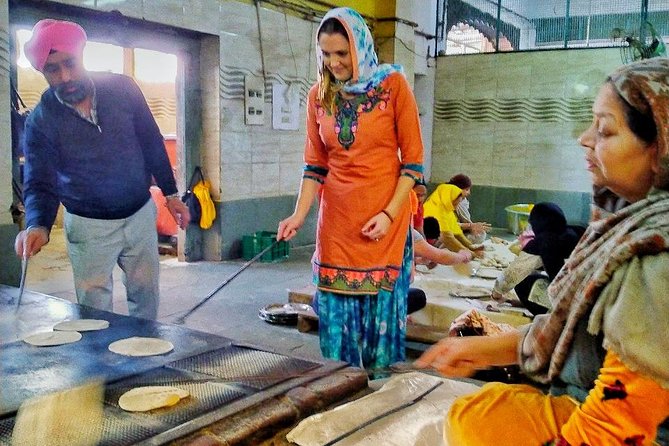
The standout here is the Langar—the communal kitchen where 15,000+ people eat for free every day. That scale is hard to grasp until you’re there and you see how it operates as daily service, not a one-off event.
Also, this tour doesn’t treat the religious visit like a quick photo stop. The guide explains what you’re seeing, and you may get interactive details tied to food preparation—one review even mentions a moment with dough rolling. It’s the kind of detail that makes your brain switch from tourist mode to understanding-mode.
Practical note: you’ll need to remove shoes and socks and walk barefoot inside temple premises. Wear comfortable shoes that are easy to put on and off. For ladies, dressing conservatively is requested, and you may want to bring a scarf just in case you need one for entry. One helpful trick is to keep your scarf and wet wipes in the same pocket every time you remove shoes—Old Delhi rewards organization.
Asia’s largest spice market: Khari Baoli smells like a lesson
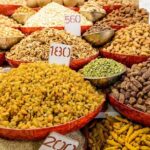
Then the tour shifts into full sensory education at Khari Baoli, described as Asia’s largest spice market. Yes, it’s intense. Yes, your nose will work overtime. But that’s the point—and with a guide, you’re not standing there wondering what everything is or whether you can safely taste.
This is where the tour earns its name. You’ll spend time learning how spices are used and what’s inside popular street foods. The guide’s explanations make the flavors you try later feel less random. Instead of eating and moving on, you understand why something tastes sweet, smoky, tangy, or warming.
One of the most memorable parts is the secret rooftop viewpoint. From up there, you get Old Delhi’s geometry—lanes, rooftops, and the layered feel that makes the area so hard to describe from street level. If you like photos for your Instagram feed, this is the moment that justifies the camera battery.
The tour also includes a visit to a secret spice mansion, which adds a bit of calm and curiosity in between market energy. It’s a nice contrast: shopping-street chaos, then a more controlled space where spices and heritage feel more personal.
Chandni Chowk bazaar food: tastings you can actually plan around
After you’ve seen the religious and spice sides of Old Delhi, the street food starts to make even more sense. You’ll spend time in Chandni Chowk Bazaar and hit several small vendor stops along the way.
The tour includes a set of tastings that can easily become your entire snack budget for the day: jalebi, samosa, parantha, roti, daal, and gulab jamun. You’ll also get Indian drinks—lassi or chai, plus mineral water. That’s not just a list for marketing. It’s a useful spread: crispy, soft, sweet, savory, and filling enough that you won’t feel like you’re being teased with tiny bites.
I also like that the tour is designed around safety and confidence. The concept here is you eat from places that have been tried and tested for safer street-food choices, so you spend less time worrying about what you’re putting in your mouth.
You’ll also get negotiating and money-saving tips in India. That’s valuable because Old Delhi isn’t only about food—it’s also about how you handle the market. Even if you don’t buy anything, learning what not to do can save stress and cash.
One extra plus: the guide helps you keep moving without losing the story. You’re not just eating in a line; you’re hearing why these foods exist where they do.
A few more New Delhi tours and experiences worth a look




Digambar Jain Temple: a quiet reset inside the noise
Old Delhi can feel like it’s speaking all at once. A stop at a Digambar Jain Temple helps break that rhythm. Jain spaces often feel more still and focused, and the visit adds another layer to what you’re seeing across the area.
The guide explains what you’re looking at, and you’ll learn how different religious communities shape the city. You’re seeing the same neighborhoods through different lenses—food, devotion, and architecture all sharing the same streets.
Temple rules matter here too: you’ll remove shoes and follow on-site guidance. Bring a little patience. The payoff is that short reset before you return to market energy.
370-year-old mosque and Red Fort area context

The tour also includes a look at a 370 years old 2nd largest mosque. That adds a historical and architectural thread between the Sikh gurdwara, Jain temple, and the spice market.
I like this balance. Too many food tours focus only on what you eat. This one keeps shifting your attention between food and the places that shaped the community around it. Even if you’re not a religious history buff, you’ll walk away with a clearer sense of how Old Delhi became what it is.
And since much of the landmark context happens on foot, the explanations land better than if you were rushing through a museum. You’re inside the environment while learning about it.
Gali Paranthe Wali and the Old Delhi rickshaw ride
Just when you think you’ve had enough carbs, you’ll be brought to Gali Paranthe Wali, known for paratha culture. If you’re serious about Indian food, this is the kind of alley stop that makes you feel like you’re getting an Old Delhi specialty, not generic tasting menu food.
Then you’ll do an Old Delhi rickshaw ride through the market lanes. It’s chaotic, in the real way—horns, people, movement, and a constant swirl of activity. But it’s also fun. From the rickshaw seat, you can take in street life without having to thread through every crowd gap on foot.
This is also one of those moments where you’ll understand why a guide helps. You’re not navigating lane-by-lane traffic logic. You’re riding the route and watching the city behave.
Price, value, and what $49.10 actually covers
At $49.10 per person, this tour can feel like a bargain or a splurge, depending on how you travel. Here’s the value equation as I see it:
- It’s 3 hours long, focused on Old Delhi, so you’re paying for concentrated guidance rather than time-consuming logistics.
- Tastings are included, including multiple savory items plus sweets: jalebi, gulab jamun, and several classic snacks.
- Drinks are included (lassi or chai and water), so you’re not hunting for your next beverage in the middle of the market.
- You also get time at spice-market highlights and temple visits that you likely wouldn’t manage respectfully on your own the first time.
Tips are not included, so keep that in mind when you budget. But even with tipping, the included food and guided access make the total feel fair for a first-timer focused on food plus culture.
One more detail: mobile ticket and group discounts can make the booking feel smooth. And since the typical booking lead time is about 19 days, you’ll want to reserve early if your dates are fixed.
What to wear and bring so the tour feels easy
Old Delhi’s rules show up quickly. If you show up ready, the tour feels smooth. If you don’t, it turns into little delays.
Here’s your practical checklist:
- Comfortable shoes. You’ll do a lot of walking and you’ll remove footwear at temples.
- Hand sanitizer and/or wet wipes. Temple transitions and street-food touchpoints add up fast.
- A camera. You’ll get that rooftop and spice-market view.
- Napkin or wet wipes for sticky food moments.
- For ladies: dress conservatively, and consider bringing a scarf.
One more tip I recommend: go in with a real hunger. The tour is structured around tasting, and you’ll get plenty of food. If you arrive too full, some of the best flavors might not land.
Who should book this tour (and who might skip it)
This tour fits best if you:
- Want a first-timer-friendly Old Delhi route focused on food and culture
- Prefer small groups with more interaction time
- Like street food but want a guide to help you choose safer vendor stops
- Want temple access that’s explained, not just photographed
You might consider a different option if you:
- Strongly dislike barefoot temple visits or the routine of shoes-off entry
- Can’t handle heavy walking on uneven streets
- Are traveling with very tight mobility constraints
Should you book this Old Delhi Food-Spice Market-Temples Tour?
Yes, if your goal is to understand Old Delhi through what people eat and worship, while still feeling guided and safe. The combination of spice market education, Sikh langar, and a Chandni Chowk food route makes it more than a snack crawl.
Book it if you want a compact day that gives you multiple “wow” moments: rooftop views, spice-market aromas, temple interiors, plus the rickshaw ride that makes the chaos click into place.
Skip it only if the idea of lots of walking, crowded lanes, and temple footwear rules will stress you out more than the food will delight you. If that’s you, you’ll enjoy the day less even with a great guide.
FAQ
How long is the tour?
It lasts about 3 hours.
What food and drinks are included?
You’ll get snacks including jalebi, samosa, parantha, roti, daal, and gulab jamun, plus lassi or chai, mineral water, and coffee and/or tea.
What’s the group size?
The tour has a maximum of 12 travelers.
Where does the tour start?
It starts at 892, Lajpat Rai Market, Chandni Chowk, Delhi, 110006, India, and ends back at the meeting point.
What should I wear for temple visits?
You should dress conservatively (especially for ladies). During temple visits, you’ll need to remove shoes and socks and walk barefoot inside temple premises, so wear comfortable shoes.
Is weather important?
Yes. The experience requires good weather. If it’s canceled due to poor weather, you’ll be offered a different date or a full refund.