REVIEW · SHIMLA
Guided Heritage Walk Tour in Shimla
Book on Viator →Operated by Himachal Bylocals · Bookable on Viator
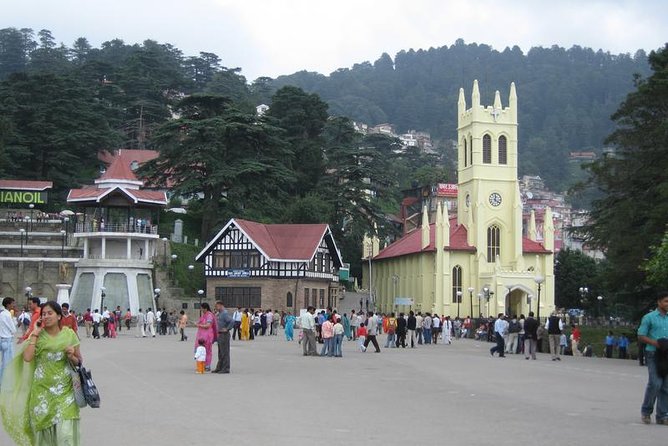
Shimla’s stories come fast on foot. This guided Shimla heritage walk strings together colonial-era sights and local lore, starting at Christ Church and moving along the Mall to landmarks like Betink’s Castle. I like that the route keeps you passing major town markers, including the Gaiety Theater and the General Post Office, without making the walk feel like a lecture.
The only real caution is practical: parts of the walk can feel a bit strenuous, and once you finish at the Indian Institute of Advanced Study, you’ll need to arrange your own way back to your hotel.
In This Review
- Key takeaways before you go
- Shimla on foot: what you get in about three hours
- Meeting at Christ Church and starting with the right mood
- The Mall Road start: British-era Shimla in 15 minutes
- Shimla heritage walk: the stops that teach you how to read the town
- Betink’s Castle and why local stories beat postcard viewing
- Imperial Bank and the Railway Board Building: civic Shimla
- Tudorbethan and neo-style details you’ll actually spot
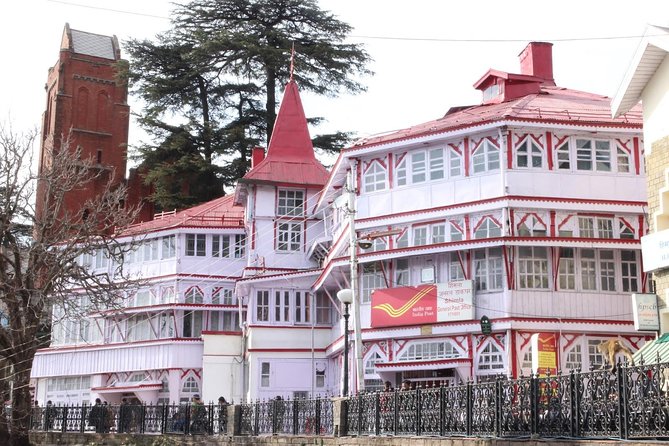
- Gaiety Theater and the General Post Office: where the city’s public life shows up
- Ending at the Indian Institute of Advanced Study (IIAS)
- Price and value: what $31 covers and what may cost extra
- Pacing, comfort, and how to make the walk enjoyable
- Who should book this Shimla heritage walk
- Should you book this guided heritage walk?
- FAQ
- How long is the guided heritage walk in Shimla?
- Where does the tour start?
- Where does the tour end?
- What is included in the tour price?
- Are entrance fees included?
- Is hotel pickup or drop-off provided?
- Do I need to arrange my own transport after the tour?
- How many people are in the group?
- What happens if the weather is bad?
Key takeaways before you go
- Tight 3-hour loop that focuses on the key historic highlights instead of wandering
- Betink’s Castle storytelling helps you read Shimla’s architecture like a map
- Mall Road orientation gets you the British-era geography fast
- Small group size (max 15) means more questions and less standing around
- Included bottled water + local English guide keeps you comfortable while walking
- IIAS is a strong ending stop, even if it’s just for a focused visit
Shimla on foot: what you get in about three hours
This is a half-day walking tour that aims to do one thing well: give you bearings and context in a short time. Shimla can feel hilly and visually busy when you’re first there, so having a guide who can connect what you’re seeing to why it exists makes the place click quickly.
At about 3 hours, you’re not stuck all day in transit. You’ll walk a one-way route from the Christ Church area toward the Indian Institute of Advanced Study, with a few landmark stops that build a coherent story as you go. And because the group stays fairly small (up to 15 travelers), it tends to feel more like a moving conversation than a bus tour.
One more plus: the tour includes bottled water, which matters in Shimla when sun and cool wind can trick you into thinking you don’t need it.
You can also read our reviews of more walking tours in Shimla

Meeting at Christ Church and starting with the right mood
The tour begins at Christ Church. You’ll meet your guide at the main entry gate of the church, with the stop kept short (about 10 minutes).
Why this first stop works: Christ Church is a strong visual starting point for understanding Shimla’s British-era planning. Even if you don’t go deep into architecture jargon, the building’s presence sets the tone for what you’ll be seeing later along the Mall—formal, institutional, and built to signal permanence.
Practical tip: arrive a few minutes early and take a quick look around at the entry area before the walk starts. Once you move, you’ll want to be ready to notice details as you climb and transition from one part of town to the next.
The Mall Road start: British-era Shimla in 15 minutes
From Christ Church, the walk moves to The Mall, Shimla’s main street. This segment is brief (about 15 minutes), but it’s a smart way to orient yourself.
The Mall Road is described as being constructed during the British colonial period, and that matters because it explains why the city feels laid out in layers: road, institutions, and public buildings. As you start down the Mall, you’ll get a sense of the spine of Shimla’s heritage—what the British built for governance and public life, and how that continues to shape what you see today.
What I’d watch for as you walk:
- the way the street pulls your gaze toward key buildings
- the density of landmarks along the corridor
- the shift in vibe as the route moves from center-street energy into more heritage-focused stops
Shimla heritage walk: the stops that teach you how to read the town
This is the main stretch of the tour (the longest segment), and it’s where you get the real payoff: explanations tied to specific landmarks rather than vague history.
You’ll learn about Shimla as a hub for India’s tourism industry and as a place that holds colleges and research institutions, along with temples and palaces. That mix matters because Shimla’s “heritage” isn’t one single style or one single era—it’s a layered city where different functions coexist.
Betink’s Castle and why local stories beat postcard viewing
One highlight is Betink’s Castle. The tour frames it as a heritage stop for learning local history, and it’s the kind of place that can look interesting from the outside but only becomes memorable when someone explains what you’re looking at.
I like this stop because it gives you a “read” on Shimla. When a guide connects a building to a story, you stop treating the city like scenery and start treating it like a timeline.
Imperial Bank and the Railway Board Building: civic Shimla
You’ll also pass landmarks such as the Imperial Bank and the Railway Board Building. These are the kinds of structures that help you understand what Shimla was for: administration, planning, and influence, not just sightseeing.
Even if you don’t go inside, these stops help you notice how civic buildings often anchor a district. They explain why certain roads and spaces feel important even when they’re not the most famous photo spots.
Tudorbethan and neo-style details you’ll actually spot
The tour description notes that Shimla’s buildings include Tudorbethan and neo… design influences. You won’t need to memorize style names to benefit. When your guide points out these visual cues while you’re walking, you start noticing them on your own after the tour ends.
That’s a big part of the value: you leave able to recognize patterns—windows, facades, and the general “shape” of the architecture—rather than just collecting facts.
Gaiety Theater and the General Post Office: where the city’s public life shows up
Two major highlights called out for this experience are the Gaiety Theater and the General Post Office. Even though the itinerary description keeps the walking segments broad, these landmarks are precisely the kind that make a heritage tour feel real.
Why these work well:
- A theater tells you how public culture operated—what people gathered to see and where the city put its creative energy.
- A post office signals communication and infrastructure—another way the British-era imprint shows up in daily life.
There’s also an extra-value angle for visitors: entrance fees for certain sites may apply depending on your nationality and what’s included on the day. The tour lists an entrance fee (for foreign tourists) of ₹700 per person for the Gaiety Heritage Cultural Complex and the Indian Institute of Advanced Study (IIAS). So if you want the full experience at those stops, plan for this add-on.
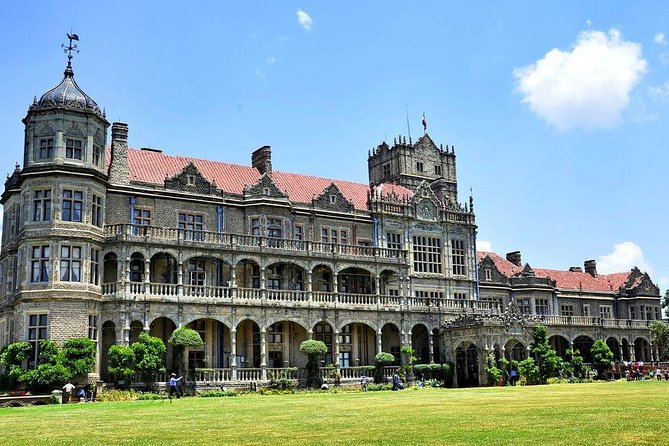
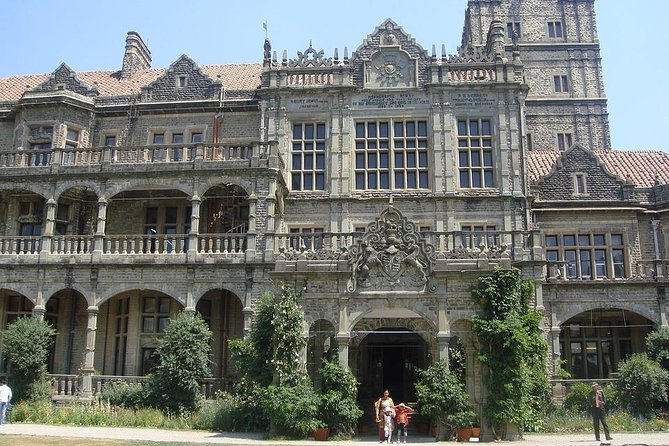
Ending at the Indian Institute of Advanced Study (IIAS)
The tour concludes at the Indian Institute of Advanced Study, with the final stop set at about 25 minutes.
This ending is more than a random drop-off. IIAS represents the shift from colonial-era public life to modern institutional life. In a short walk, you get a neat contrast: older civic and cultural anchors earlier on, and then a campus-like setting that connects to scholarship and research.
One important practical note: the tour describes a one-way walking route from Christ Church to IIAS, and it clearly says no transport cost is included from IIAS back to your hotel or to Christ Church. So I recommend you map out your return plan before the tour finishes—because once you’re at the end point, you don’t want to scramble.
Price and value: what $31 covers and what may cost extra
The advertised price is $31.00 per person and it’s an experience you’ll often want to book in advance (on average, around 10 days ahead). For a guided heritage walk in Shimla, that price point is usually fair because you’re paying for a real guide-led route, not just “someone pointing at buildings.”
What’s included:
- Local English-speaking guide
- Walking tour
- Bottled water
- Guided one-way walk from Christ Church to IIAS
What’s not included:
- Hotel pickup/drop-off
- Transport back after the tour
- Entrance fees (listed as ₹700 per person for foreign tourists for the Gaiety Heritage Cultural Complex + IIAS)
- Meals
So the value equation looks like this: you’re getting a focused route, comfort essentials (water), and a guide who can explain the why behind what you see. If you’re also paying the listed entrance fees for IIAS and the Gaiety Heritage Cultural Complex, your total spend will be a bit higher than the headline price—but you’re paying for access to two named sites rather than just views from the street.
Pacing, comfort, and how to make the walk enjoyable
This walk is doable for many people, but it can feel strenuous at times. The key is that the guide appears willing to match your pace—one of the strong points mentioned in the experience is that the guide will take it slowly if you need to.
Here’s how I’d prepare so you enjoy it instead of fighting it:
- wear comfortable walking shoes (you’ll be on foot for the full route)
- bring a light layer for wind and shifting temperatures
- sip water during the walk, not only at the end
- be ready for a steady tempo, especially if you’re visiting during a busy time of day
Also, since hotel pickup isn’t included, plan to start at Christ Church on your own time. The tour indicates you’re near public transportation, which is helpful if you’re not staying within easy walking distance.
Who should book this Shimla heritage walk
This fits best if you want:
- a fast orientation to Shimla’s historic center
- a guided way to understand what you’re seeing at major sites
- a walk that ends at a meaningful modern-institution stop (IIAS)
It’s especially good for first-time Shimla visitors who feel overwhelmed by how steep and scattered neighborhoods can feel. If you’re the type who learns better when someone points out details as you go—rather than reading a guidebook at stops—this format will work.
If you dislike walking or you need a fully car-based itinerary, this may feel more effort than you want, since it’s a walking tour and return transport isn’t included.
Should you book this guided heritage walk?
If your goal is to understand Shimla in one half-day, I’d say yes. The combination of a structured route, named landmarks (including Betink’s Castle, Gaiety Theater, and the General Post Office), and a local English-speaking guide makes the $31 price feel reasonable—especially when you compare it to the cost of doing site-hopping on your own without context.
I’d only hesitate if:
- you strongly need pickup/drop-off or guaranteed transport back afterward
- you’re very sensitive to walking uphill or uneven terrain
- you want a purely indoors, low-effort plan
If you do book, go with comfortable shoes, accept that it’s an active walk, and treat the guide’s explanations like your personal shortcut to understanding Shimla’s built heritage.
FAQ
How long is the guided heritage walk in Shimla?
It lasts about 3 hours (approx.).
Where does the tour start?
The guide meets you at Christ Church, at the main entry gate.
Where does the tour end?
The tour ends at the Indian Institute of Advanced Study (IIAS).
What is included in the tour price?
Included are bottled water, a local English-speaking guide, and the walking tour from Christ Church to IIAS.
Are entrance fees included?
Entrance fees are not included. For foreign tourists, the listed entrance fee is ₹700 per person for the Gaiety Heritage Cultural Complex + IIAS.
Is hotel pickup or drop-off provided?
No. Hotel pickup and drop-off are not included.
Do I need to arrange my own transport after the tour?
Yes. No transport cost is included from IIAS to your hotel or back to Christ Church, so you’ll need to arrange it yourself.
How many people are in the group?
The tour has a maximum of 15 travelers.
What happens if the weather is bad?
The experience requires good weather. If it’s canceled due to poor weather, you’ll be offered a different date or a full refund.