REVIEW · ROME
Colosseum Underground All Access Tour with Ancient Rome
Book on Viator →Operated by Colosseum Underground All-Access Tour with Roman Forum & Palatine Hill · Bookable on Viator
You’re about to see Rome from below. This Colosseum Underground All Access tour adds rare access to the tunnels and chambers, then tops it off with Palatine Hill and the Roman Forum.
Two things I really like: you get a small group (max 14), so the pace stays human, and you walk routes tied to the gladiator world—plus views from the 1st and 2nd levels that most tickets don’t reach.
One possible drawback: the experience can hinge on timing and communication. A few guests reported late starts, hard-to-hear audio, or last-minute changes affecting the underground portion—so go in with flexibility.
In This Review
- Key highlights at a glance
- Why the Colosseum Underground feels different
- The small-group setup that actually helps
- Entering the Colosseum: arena floor and restricted levels
- Underground tunnels, dungeons, and the gladiator reality
- Palatine Hill: imperial palaces and myth on the seven hills
- Roman Forum: Via Sacra and the political heart
- How much walking and stair climbing you’re signing up for
- Price and value: is $216.86 worth it?
- Logistics to watch: meeting point, audio, and timing
- Who this tour is best for (and who should skip it)
- Should you book the Colosseum Underground All Access tour?
- FAQ
- How long is the Colosseum Underground All Access Tour?
- What’s included in the Colosseum portion?
- Does the tour include Palatine Hill and the Roman Forum?
- What’s the group size?
- What’s the price?
- What language are the tours offered in?
- Where do you meet and where does it end?
- Is this tour suitable for people who struggle to walk?
- Is there a cancellation option for a full refund?
- How far in advance do people usually book this?
Key highlights at a glance
- Underground access to tunnels, dungeons, and chambers tied to gladiators and animals
- Arena floor time where warriors once fought
- 1st and 2nd level viewing with big panoramic views
- Small group cap (14) for a more personal, less chaotic tour
- Roman Forum + Palatine Hill added for the full imperial story arc
Why the Colosseum Underground feels different
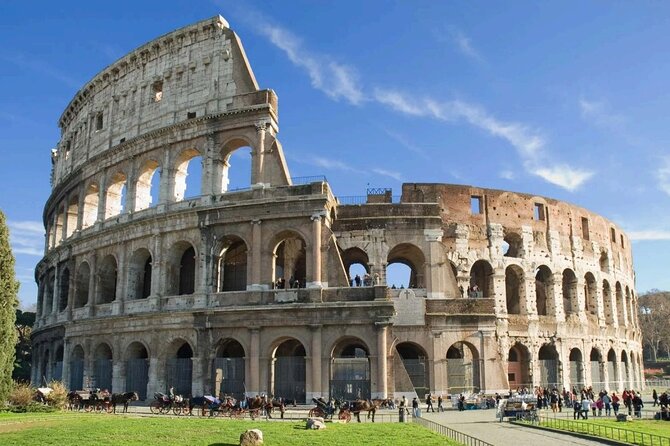
The Colosseum is famous for its outer walls and sheer size. This tour makes it feel real in a new way because you’re not just looking at history—you’re moving through the working spaces underneath.
You’ll see the “behind the curtain” side: the passageways and holding areas where people and animals waited before the spectacle. That contrast changes how you understand the building, the show, and the engineering.
If you’re the type who likes details—how things were built, routed, and used—this kind of access is exactly the point.
You can also read our reviews of more tours and experiences in Rome.
The small-group setup that actually helps
The group stays no more than 14 travelers, which matters in a place like the Colosseum. With smaller numbers, your guide can keep everyone together, slow down for questions, and keep the walk-to-story rhythm from turning into a sprint.
I also like that the tour is in English, and multiple guides on this run have been praised for turning the site into a living lesson. Names that show up in the experience include Manuela, Giovanni, Tonya/Tanya, and Francesca—each noted for making the monuments connect.
Keep in mind: even with a small group, you’re still doing a lot of walking. This isn’t a sit-and-watch tour.
Entering the Colosseum: arena floor and restricted levels
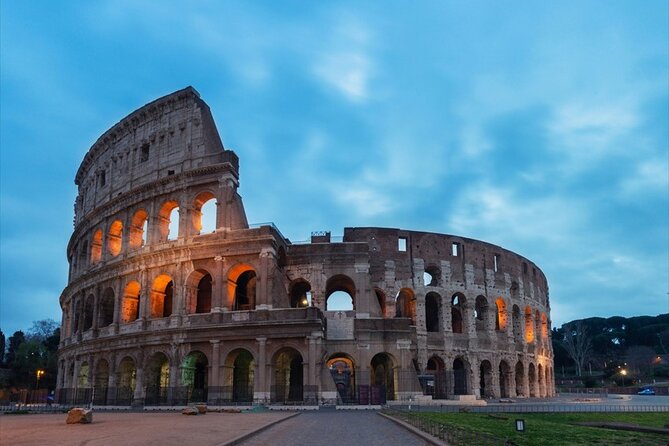
The Colosseum stop is built around three “layers” of experience.
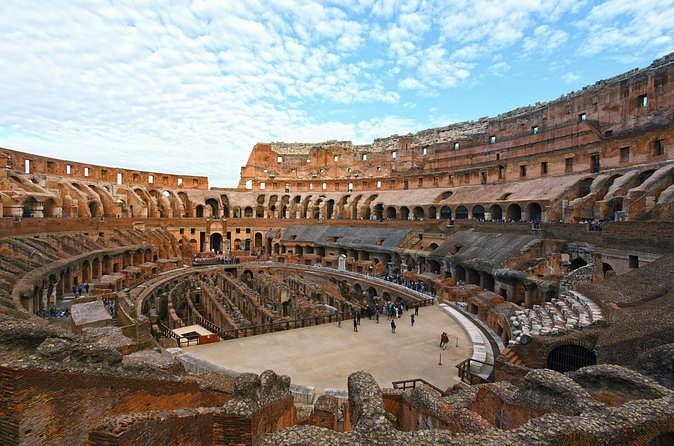
First, you start with restricted areas that are typically off-limits. Then you step onto the arena floor, placing you where gladiators once fought. That moment is usually the one people remember most, because it feels like you’re standing inside the action rather than outside it.
After that, you move up to the 1st and 2nd levels. These upper tiers aren’t just for photos; they give you the wider shape of the amphitheater and how the crowd would have packed in.
Underground tunnels, dungeons, and the gladiator reality
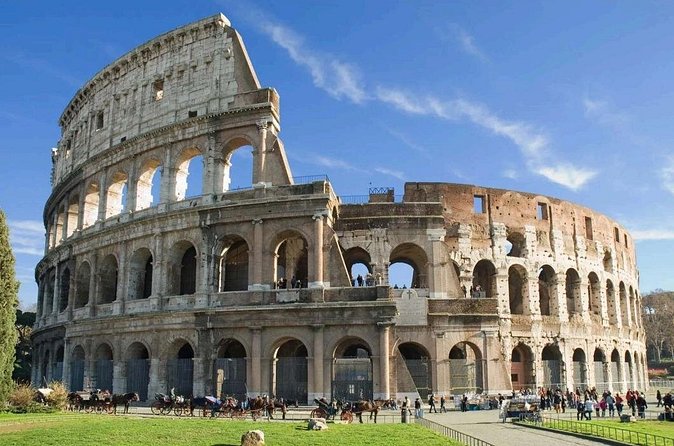
This is the headline. The tour description promises access to the underground chambers, plus hidden tunnels that supported the shows.
What makes that worth it is what it adds to the story. On the surface, the Colosseum is grand and dramatic. Underground, it becomes practical and grim—routes, holding areas, and spaces that explain how the spectacle was staged.
Also, the experience is timed. You’re not wandering on your own; you’re moving with a guide through spaces where schedules matter. That means you’ll want to stay close to your group and listen for directions, because the pace can tighten as you transition between areas.
A word of caution from reported experiences: a few guests said the underground portion didn’t happen exactly as booked due to last-minute changes. If underground access is the reason you booked, keep your expectations realistic and double-check your final details the day before.
Palatine Hill: imperial palaces and myth on the seven hills
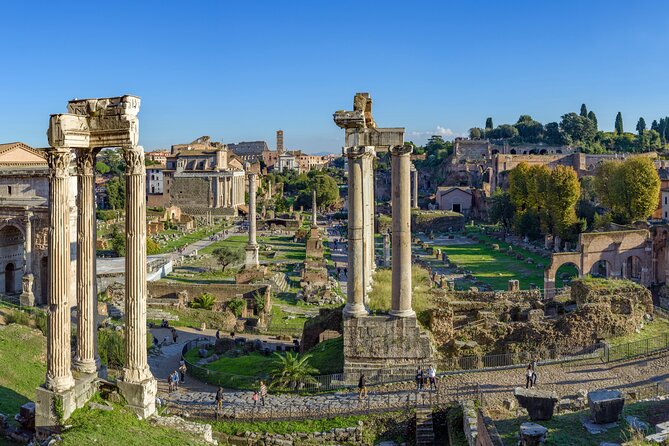
After the Colosseum, you head up to Palatine Hill, often described as the birthplace area of Rome’s elite life. You’ll visit the remains of imperial residences, plus temples and garden spaces tied to the world of emperors and aristocrats.
This stop is also where the tour shifts from performance to power. You’re not just seeing where people watched fights; you’re seeing where leaders built their world and planned their prestige.
You also get myth and origin storytelling—specifically the legend of Romulus and Remus—and you’ll enjoy views over the Roman Forum and Circus Maximus. That view is useful. Once you can picture how the hills and arenas relate, the whole layout of ancient Rome makes more sense.

Roman Forum: Via Sacra and the political heart
The Roman Forum is where Rome stops being a stage set and becomes a functioning city center.
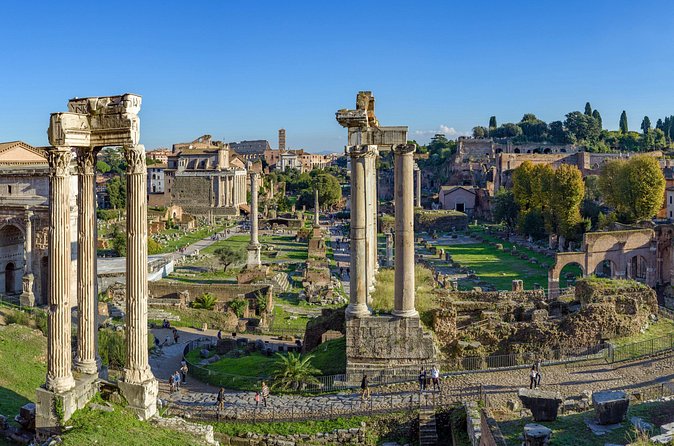
You’ll walk among the ruins of temples, basilicas, and government buildings, plus follow Via Sacra, the main street used for triumphant parades by victorious generals. That “procession path” idea helps you understand why the Forum mattered: it wasn’t just religious or scenic. It was where decisions, announcements, and public life collided.
You’ll also pass well-known landmarks such as the Temple of Saturn, the Arch of Titus, and the Curia (Senate House). The guide’s job here is to connect what you see—arches, building fragments, street lines—with what those places did day to day.
If you like history you can picture, this is the payoff stop. It turns the stones into a map of politics, ceremony, and daily power.
How much walking and stair climbing you’re signing up for
This tour is listed for moderate physical fitness and is not recommended if you can’t walk for more than 2 hours.
In practice, you should expect lots of ground coverage and some steep steps and ramps—especially when moving between levels in the Colosseum and then up and around Palatine Hill. Some guests noted 15 floors of stairs and ramps, which gives you a sense of how quickly “3 hours” becomes “a workout.”
What I’d do: wear supportive shoes and plan for pauses. Even on a good day, heat and crowds can drain energy fast. Bringing water and taking small breaks when your guide allows them is smart.
Price and value: is $216.86 worth it?
At $216.86 per person, this isn’t a budget tour. The value comes from access and time efficiency.
You’re paying for three things that are hard to replicate on your own:
- Restricted underground access that most standard Colosseum visits don’t include
- Arena floor time, plus 1st and 2nd level exploration
- A combined route that bundles Palatine Hill + Roman Forum into the same guided session
If you were building this itinerary yourself, you’d likely spend time juggling tickets, entrances, and guide explanations across separate visits. Here, the guide connects the dots in one run. That can save mental energy, not just time.
That said, the stories about occasional logistics hiccups matter. If you hate surprises and you’re very tight on the rest of your day, factor in that timing or underground access can sometimes shift. In that case, paying for a tour is still fine, but you should keep your schedule elastic.
Logistics to watch: meeting point, audio, and timing
The meeting point is Largo Gaetana Agnesi. The tour ends at the Roman Forum area. That’s helpful if you’re planning to continue exploring afterward, but it also means you should build in a buffer if you’re changing locations again later.
Two real-world issues show up repeatedly in the experiences:
1) Late starts and time changes. Some guests reported check-in times moving and groups starting later than expected. If you booked this to anchor your day, give yourself a cushion.
2) Audio clarity. There are reports of microphone static and background noise interference in the Colosseum, plus one guide who was hard to understand due to accent and sound issues.
What you can do:
- Arrive early enough to settle in, not just to “check in on time.”
- Stay near your guide when audio seems spotty.
- If your tour provides listening gear, use it. If not, don’t assume you’ll always hear clearly from far away.
One more practical note: the meeting spot is shared with other tour groups. So even if you’re standing in the right square, you might still need a quick check for the correct flag or guide team.
Who this tour is best for (and who should skip it)
This tour is a strong fit if you’re a history-first traveler who wants context, not just photos. You’ll probably love it if you care about how the Colosseum worked—especially how the underground spaces supported the spectacle.
It also suits people who like small groups and clear guidance. Multiple guides named in the experiences—Francesca, Manuela, Tonya/Tanya, Giovanni—were praised for explaining details and keeping the story coherent.
Skip it, or at least think hard, if any of these apply:
- You can’t handle extended walking and steep steps
- You need a perfectly predictable schedule with no last-minute changes
- You strongly depend on hearing a guide clearly even in noisy outdoor/echo-heavy spaces
If you’re traveling with older adults, pace matters. Heat can drain people faster than they expect, and some guests specifically said seniors found it exhausting.
Should you book the Colosseum Underground All Access tour?
I’d book this if underground access and the arena floor are your priority, and you can handle a solid amount of walking. The small-group size and the added Palatine Hill and Roman Forum stops make it efficient, and the best guides on this route are the kind who make the stones feel like a story you can follow.
If your schedule is tight or underground access is non-negotiable, book with a little extra day-of slack and confirm your timing details before you leave. And if you’re sensitive to audio issues, plan to stay close to your guide and be ready to ask questions when you can hear.
Overall, for the right traveler, this is one of those Rome experiences that changes how you see the Colosseum—because you don’t just look up. You see how it worked.
FAQ
How long is the Colosseum Underground All Access Tour?
It’s about 3 hours total (including time at the Colosseum, Palatine Hill, and the Roman Forum).
What’s included in the Colosseum portion?
The tour includes access to the underground areas (tunnels and chambers), time on the arena floor, and exploration of the 1st and 2nd levels, with panoramic views.
Does the tour include Palatine Hill and the Roman Forum?
Yes. Palatine Hill is included after the Colosseum, and the Roman Forum is the final stop.
What’s the group size?
The maximum group size is 14 travelers.
What’s the price?
The price is $216.86 per person.
What language are the tours offered in?
The tour is offered in English.
Where do you meet and where does it end?
You start at Largo Gaetana Agnesi and the tour ends at the Roman Forum.
Is this tour suitable for people who struggle to walk?
It’s listed for moderate physical fitness and is not recommended if you can’t walk for more than 2 hours.
Is there a cancellation option for a full refund?
Yes. You can cancel up to 10 days in advance for a full refund.
How far in advance do people usually book this?
On average, it’s booked 79 days in advance.

![[All Inclusive] The Soul of Bali: Temples, Art & Traditions Tour - Elephant Cave (Goa Gajah): old stone, sacred setting, and a clear guide](https://l.historytourer.com/wp-content/uploads/all-inclusive-the-soul-of-bali-temples-art-traditions-tour-400x267.jpg)