REVIEW · JODHPUR
Jodhpur Heritage Walk
Book on Viator →Operated by Jodhpur Heritage Walk · Bookable on Viator
Jodhpur’s lanes tell stories. This heritage walk is a smart way to understand the architecture and living culture of the Blue City in just a few hours.
What I like most is that the guide turns monuments and city planning into something you can actually see, not just read about. I also like the built-in time for markets and snacks, so the walk feeds your curiosity and your appetite. One thing to consider: it’s a walking tour that depends on good weather, so plan to dress for the elements.
You’ll meet near Ghanta Ghar (Clock Tower) and spend about 3 to 4 hours working through Old Jodhpur with a private guide who keeps the pace flexible for your group. The tour is priced at $26.67 per person, and it includes the guide plus sights—while the admission ticket is listed as free.
One more consideration: you’re going into narrow lanes and busy areas, so it’s not the right pick if you want a low-footprint, mostly-seated experience.
In This Review
- Key things to know before you go
- A 3–4 hour route through the Blue City and beyond
- Architecture and city planning: what your guide points out
- Rainwater harvesting stories in everyday Jodhpur
- Markets, shopping, and snack moments that feel natural
- Narrow lanes, temples, and the conversations that go beyond dates
- Optional masala chia in a local home (only if you want it)
- Price and value: why $26.67 can make sense in Jodhpur
- Practical tips: how to get the most from your walk
- Should you book this Jodhpur Heritage Walk?
- FAQ
- How long is the Jodhpur Heritage Walk?
- Where does the walk start?
- Is this tour private?
- What will the guide cover during the walk?
- Will I have time to shop and try snacks?
- Is the masala chia lesson included?
- How much does the tour cost?
- What happens if the weather is bad?
- Can I cancel and get a refund?
Key things to know before you go
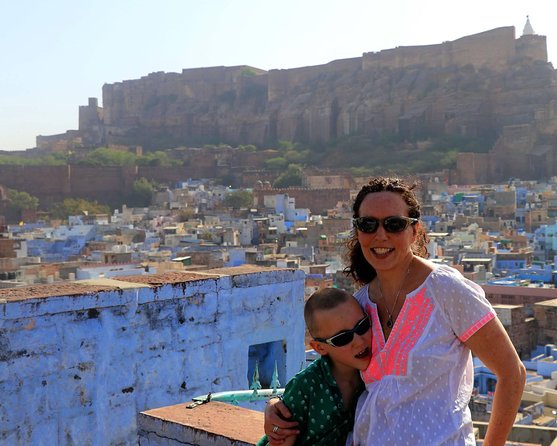
- Private and flexible: it’s only your group, so your guide can adjust pace and focus.
- Blue City context: expect explanations that connect the blue-painted houses and old neighborhoods to the way the city was planned.
- Architecture focus: you’ll look closely at monuments and architectural features instead of doing a quick photo stop.
- Rainwater harvesting, explained: it’s woven into the history of how Jodhpur works.
- Markets and snacks built in: shopping and taste stops are part of the point, not an afterthought.
- Optional masala chia lesson: if you’re interested, you can learn how to make spiced masala chia in a local home.
A 3–4 hour route through the Blue City and beyond
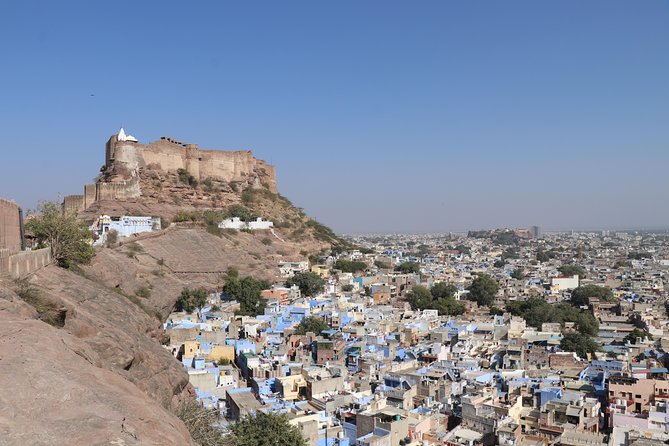
This is set up as a guided heritage walk through Jodhpur’s older areas. You start near Ghanta Ghar (Clock Tower) and end back near the meeting point, so you don’t have to worry about figuring out transport at the end. The listed duration is about 3 to 4 hours, which is a sweet spot when your schedule is tight but you still want real context.
The experience is private, so it’s ideal if you’d rather not share a guide’s attention with strangers. It also means you can ask questions as you go—especially useful in a place where the “what am I looking at?” factor can run high once you’re inside the maze of lanes.
One practical perk: the tour uses a mobile ticket, so you’re not scrambling with printed vouchers.
You can also read our reviews of more walking tours in Jodhpur



Architecture and city planning: what your guide points out
The heart of the walk is the architecture and the way the city was planned and built. Your guide shows monuments and architectural features, then connects them to the history behind how Jodhpur’s vivid old city took shape. This isn’t just a list of names; the tour is designed to help you read the city like a map.
Expect to spend real time looking at how buildings are shaped, positioned, and decorated, and how those choices connect to life in the old city. The best part of an architecture-focused walk is that it makes Jodhpur feel less random. When someone explains why certain design choices show up around a neighborhood, the streets start to make sense instead of just being pretty.
In reviews, this kind of guiding is strongly praised—especially for guides like Prabhat Singh, Pranhat, Sabiya, and Rishi Jodha, who are noted for explaining the old city clearly and pointing out small details you’d otherwise miss.
Rainwater harvesting stories in everyday Jodhpur
One standout theme is rainwater harvesting—and it’s more than trivia. The guide is set to explain local practices and show how those systems fit into the city’s history and daily functioning. In a dry region like Rajasthan, that topic helps you understand how people planned for survival, not just comfort.
As you walk, these explanations tend to make architecture and street life click together. You start seeing buildings not only as heritage objects, but as part of an intelligent system for managing water, heat, and community needs.
If you enjoy “how did they live?” questions, this is the kind of walk that answers them in plain language.
Markets, shopping, and snack moments that feel natural
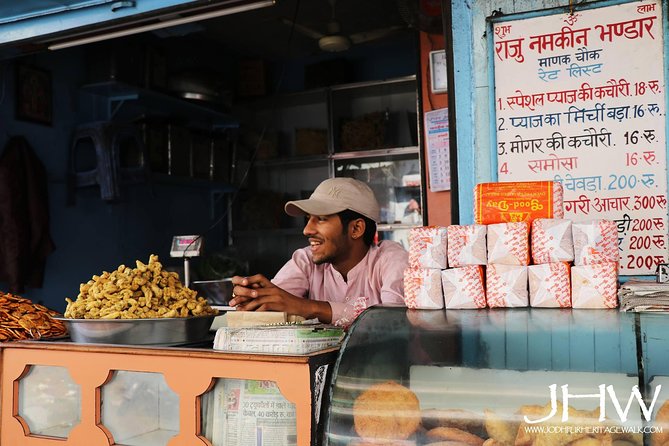
This tour doesn’t treat markets like a chore. Instead, it’s built around the busy market areas you’ll pass through, with time to shop and try local snacks. That matters because Old Jodhpur is alive—so the experience feels less like a museum circuit and more like a guided walk through how the city operates.
You’ll get chances for local tastes along the way, and the vibe is meant to be casual. Reviews also mention snacks and sweets as part of the flow, plus small comfort breaks like tea at an old-style blue house setting.
If you’re the kind of person who likes to bring something edible home, this is one of the better ways to do it without turning your trip into a supermarket hunt.
Tip: if you plan to shop, keep some cash handy for small purchases, and don’t overpack your day bag. Narrow lanes plus shopping stops is a “light and flexible” kind of combo.
Narrow lanes, temples, and the conversations that go beyond dates
Jodhpur’s old city can be tough to navigate without help. With a guide, you’re less likely to feel like you’re just wandering from blue wall to blue wall. You’ll be guided through narrow lanes and points of interest like temples, with a steady explanation of how the old city functions socially and historically.
What I love about this style of walking is that it supports more than one kind of traveler. If you’re here for architecture, you get architecture. If you’re here for culture and everyday life, you get that too. And if you’re the type who asks why things work the way they do, you’ll likely enjoy how guides connect the past to present life.
In reviews, people specifically mention socio-economic and political conversations coming up during the walk. That’s a good sign. It means the guide isn’t only talking about facts on plaques; they’re connecting history to the city as it is today.
Also, the tour seems well-suited for photos. Reviews mention photo-friendly viewpoints and smart places to pause, including one note about a terrace view toward Mehrangarh.
You can also read our reviews of more historical tours in Jodhpur



Optional masala chia in a local home (only if you want it)
One of the more memorable add-ons is the option to learn how to make India’s famously spiced masala chia in a local home. It’s not described as a required part of the tour, so treat it as a choose-your-own-interest moment.
This matters because it shifts the experience from “seeing” to “doing.” Even if you never make the same drink again at home, you’ll leave with a story and a small skill—plus the context of how locals think about flavors and routine.
If you like hands-on culture, this is the moment to say yes.
Price and value: why $26.67 can make sense in Jodhpur
At $26.67 per person for about 3 to 4 hours, this walk sits in the “good value” zone—especially because it’s private. Admission is listed as free, and the emphasis is on guided context, not expensive entry fees.
The real value here is time. Walking Old Jodhpur on your own can be pretty, but it can also feel confusing. A guide helps you connect what you’re seeing: the architecture, the city planning logic, rainwater harvesting, temples, and the way markets fit into the daily rhythm.
If your goal is to understand Jodhpur quickly without committing to big-ticket monuments every day, this is a solid first-or-middle-day activity. It’s also a good way to protect your time budget—because the guide can steer you toward what matters most in the limited hours you have.
Practical tips: how to get the most from your walk
This is near public transportation and starts at Ghanta Ghar (Clock Tower) in the Sardar Market/Ghantaghar Market area. That makes it easier to slot in without long taxi rides before you even start.
Because the tour requires good weather, plan what you’ll wear based on the forecast. Comfortable walking shoes are a must. Old Jodhpur means uneven ground and tight spaces, and your comfort will directly affect how much you enjoy the stop-and-explain pacing.
Since it’s private, you can also use the guide’s flexibility. If there’s a topic you care about—water systems, architecture details, or how daily life looks in the lanes—ask early. The tour is designed to include those kinds of explanations, and guides like Prabhat Singh and Pranhat are specifically noted for strong engagement and clear storytelling.
Finally, if you want a more relaxed day, do this when you’re not completely burned out. This walk is fast enough to be energetic, but it still expects attention.
Should you book this Jodhpur Heritage Walk?
Book it if you want a guided understanding of Old Jodhpur that goes beyond monuments and photos. It’s especially worth your time if you like street-level history, architecture details, and practical culture like rainwater harvesting—plus shopping and snack stops that actually fit the city.
Skip it only if you strongly prefer minimal walking or you’re traveling on a day where weather looks doubtful. Since it’s outdoors and weather-dependent, you don’t want to bet your itinerary on conditions that might ruin the route.
If you can handle a few hours of walking and you’ll enjoy learning while you go, this is a smart, value-forward way to experience the Blue City properly.
FAQ
How long is the Jodhpur Heritage Walk?
The tour lasts about 3 to 4 hours.
Where does the walk start?
The meeting point is near Ghanta Ghar Jodhpur, Clock Tower, in the Sardar Market/Ghantaghar Market area (Jodhpur, Rajasthan 342001, India).
Is this tour private?
Yes. It’s described as a private tour/activity, with only your group participating.
What will the guide cover during the walk?
You’ll learn about Jodhpur’s past and present through architecture and heritage monuments, plus local practices like rainwater harvesting, and you’ll spend time in busy market areas.
Will I have time to shop and try snacks?
Yes. The tour includes opportunities to shop and try local snacks in market areas.
Is the masala chia lesson included?
It’s optional. If you’re interested, you can learn how to make spiced masala chia in a local home.
How much does the tour cost?
The price is $26.67 per person.
What happens if the weather is bad?
This experience requires good weather. If it’s canceled due to poor weather, you’ll be offered a different date or a full refund.
Can I cancel and get a refund?
Yes. You can cancel up to 24 hours in advance for a full refund. If you cancel less than 24 hours before the start time, the amount paid is not refunded.


![[One-day bus tour departing from Kanazawa Station] Shirakawa-go and Gokayama - Two World Heritage Villages Enjoyable Bus Tour - The Included Lunch in the Hida Region: More Value Than It Sounds](https://l.historytourer.com/wp-content/uploads/one-day-bus-tour-departing-from-kanazawa-station-shirakawa-go-and-gokayama-two-world-heritage-villages-enjoyable-bus-tour-400x267.jpg)