REVIEW · SHIMLA
Shimla: Guided Walk Tour-Heritage, Culture & Colonial Trail
Book on GetYourGuide →Operated by Wonders of Himalaya · Bookable on GetYourGuide
Shimla feels different on foot. This 2-hour private guided walk traces Shimla’s colonial-era corners, starting at Christ Church and ending at the Indian Institute of Advanced Study. I like that you’re walking with someone from Himachal Pradesh who can connect big British-era buildings with everyday local life, not just point at landmarks.
My other favorite part is the variety: you move through a mix of Ridge viewpoints, castle-like buildings, an active temple stop, and Shimla’s administrative/communications sites. One thing to plan around: if your tour is on a Monday, the end area—Viceregal Lodge—stays closed, and some other attractions may also be shut.
In This Review
- Key highlights you’ll feel on the walk
- Why this Shimla walk is a smarter move than winging it
- Starting at Christ Church: neo-Gothic architecture with living context
- Ridge and Scandal Point: the hill-station viewpoint logic
- Betink’s Castle and Gorton Castle: castle-like architecture with purpose
- Kali Bari Temple: where the walk turns from colonial to local
- Railway Board Building and HP Vidhan Sabha: power centers on hills
- The Oberoi Cecil and the All India Radio stop: Shimla’s layered identity
- Ending at IIAS (Viceregal Lodge area): a calmer finish
- Price and value: what $16 buys you in real sightseeing time
- Who this tour suits best (and who should skip)
- My booking checklist before you go
- Should you book this Heritage, Culture & Colonial Trail walk?
- FAQ
- Where does the walk start?
- Where does the walk end?
- How long is the tour?
- What languages does the guide speak?
- Is this tour private?
- What’s included in the price?
- Are monument fees or entry tickets included?
- Is hotel pickup and drop-off provided?
- Is the Viceregal Lodge closed on Mondays?
Key highlights you’ll feel on the walk
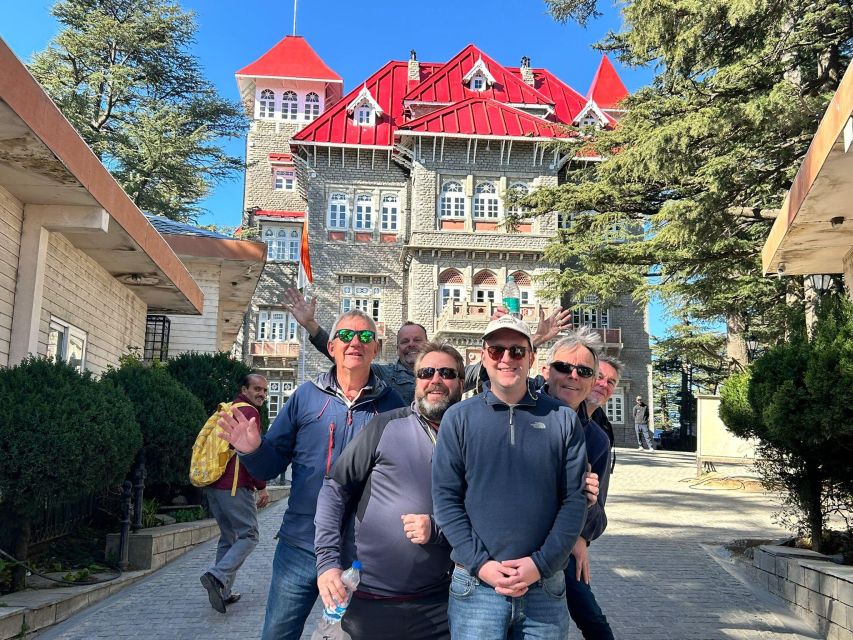
- Local guide, local language mix: expect English, Hindi, and Pahari from your guide (with stories in plain human terms)
- Christ Church to IIAS route: a one-way walk that gives you a structured way to see Shimla’s heritage belt
- Colonial and culture stops: Ridge, Scandal Point, multiple castles, plus Kali Bari Temple
- Real administration landmarks: Railway Board Building and HP Vidhan Sabha fit the “hill station as a power center” story
- Views + a calm finish: the tour ends at IIAS, where the setting feels like a breather after city streets
Why this Shimla walk is a smarter move than winging it
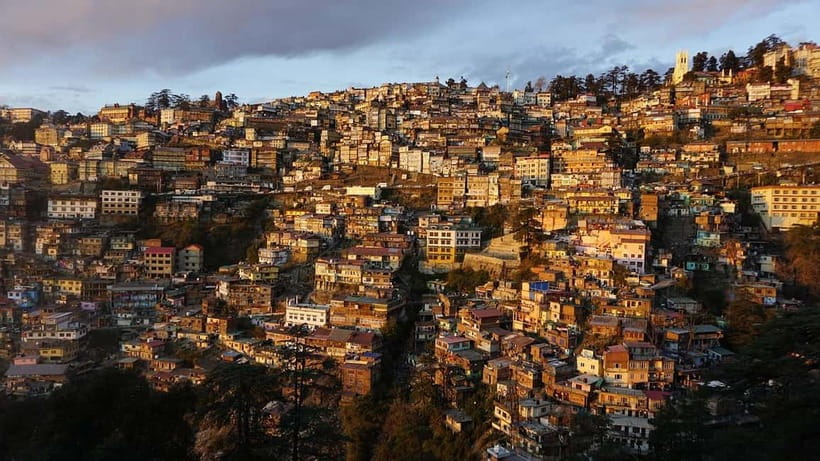
Shimla is the kind of hill station where landmarks sit close together, but they’re also easy to miss if you’re just wandering. This tour fixes that problem by giving you a clear line to follow, with a guide who translates what you’re looking at into context—British planning, local religious life, and how the town’s layout shapes the experience.
At $16 per person for a 2-hour private walk, the value isn’t just the number of stops. It’s the explanations you get along the way: why these buildings exist here, what they were used for, and how modern Shimla still carries those influences. If you like your sightseeing with a little story and a few local jokes, this is built for you.
The tour is private, too. That matters in Shimla, where weather can change fast and gradients can slow you down. With a private group, your pace is easier to manage than a fixed group on a tight schedule.
You can also read our reviews of more walking tours in Shimla
Starting at Christ Church: neo-Gothic architecture with living context
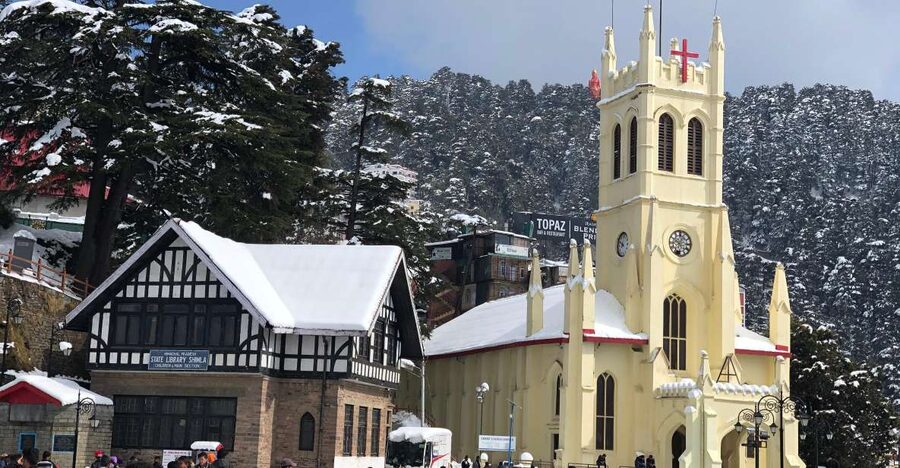
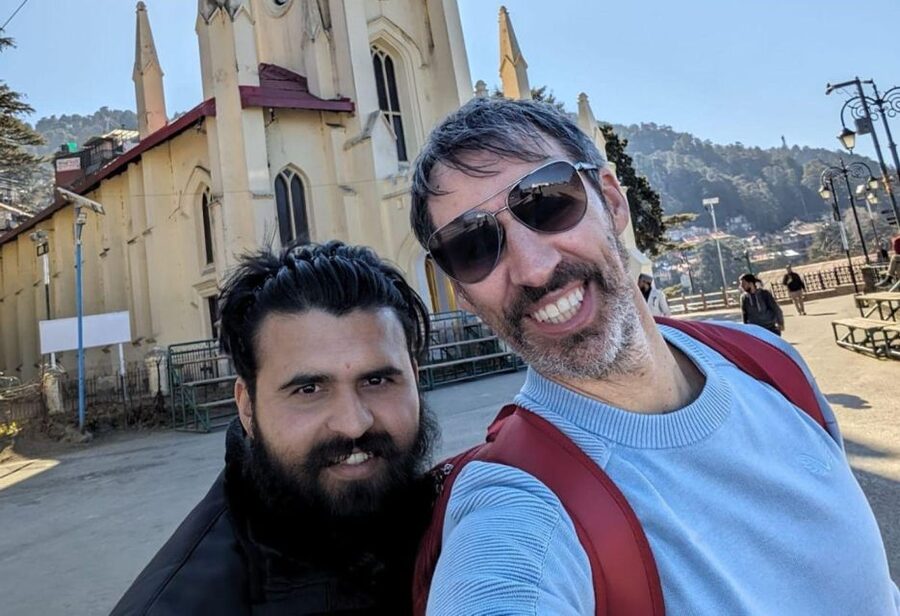
You begin at Christ Church, Shimla, a neo-Gothic centerpiece with stained glass windows and organs that are still in use. Even if you’re not an architecture nerd, the church works as a strong first anchor: it sets the tone for the colonial trail and gives your guide a natural starting point for the British-era chapter of Shimla.
What I like about starting here is that you don’t immediately bounce around. You get a calm reference point, then the walk begins to “braid” together scenery and history—Ridge energy, viewpoints, then official buildings and landmarks that feel like they were planned with authority in mind.
Practical note: dress for a walk from the start. This is a walking tour, and Shimla’s hills mean you’ll want good shoes right away.
Ridge and Scandal Point: the hill-station viewpoint logic
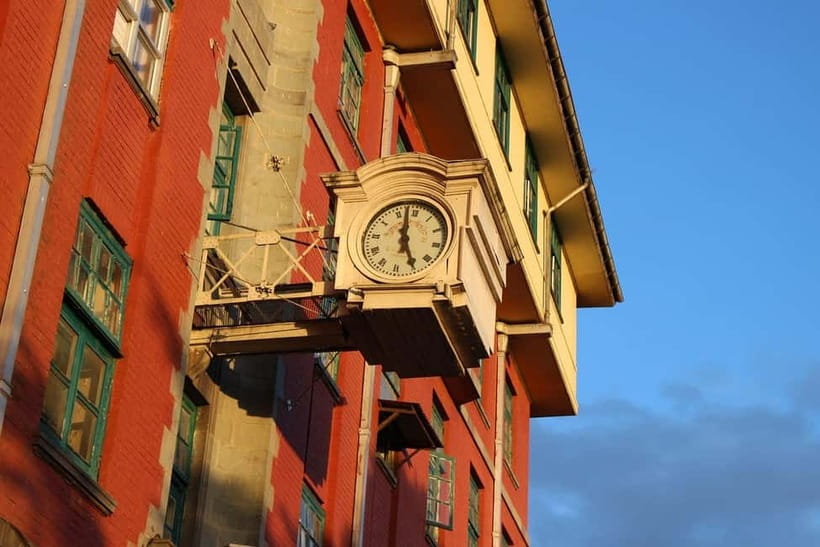
From Christ Church, you head to Ridge, Shimla and then Scandal Point. These stops are short, but they matter. Ridge is where Shimla’s public life historically gathered—big events, open-air social energy, and that signature hill-station feeling of “the town is spread out, look at it.”
Your guide’s job on these segments is important: the Ridge and Scandal Point areas are visually dramatic, but without context they can feel like nice scenery with no story. With the right commentary, you start seeing how the colonial town’s design connected officials, visitors, and viewpoints.
If you’re photographing, this is a good place to do it early while your legs feel fresh.
Betink’s Castle and Gorton Castle: castle-like architecture with purpose
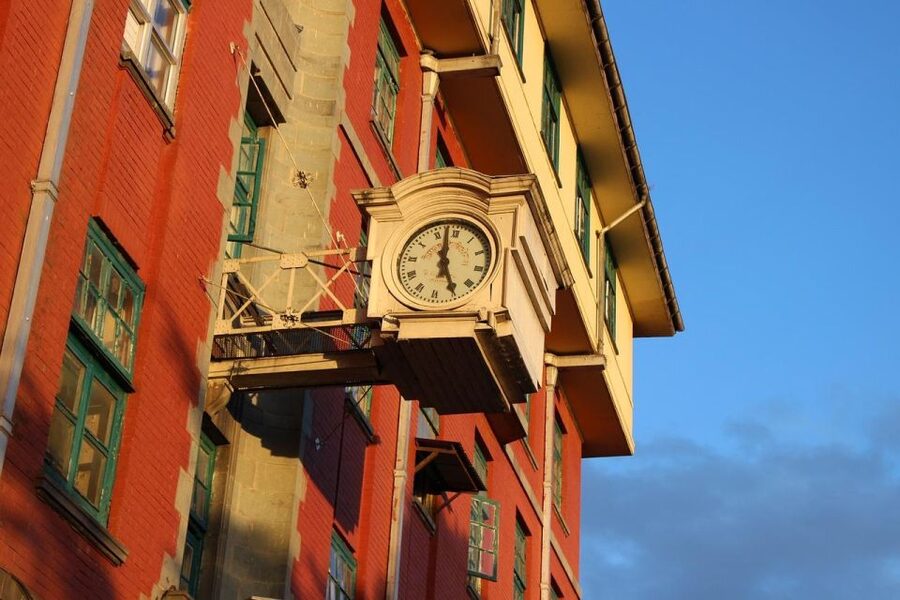
Next come the castle stops, including Bantony/Betink’s Castle and Gorton Castle. Even if the name sounds playful, these buildings fit into the serious colonial pattern of the hill station: dramatic architecture, institutional or elite use, and strong visual identity.
Here’s what tends to make these moments land: your guide doesn’t treat them like random photo backdrops. You’ll hear what British influence looked like in architectural choices and how the buildings sit within Shimla’s steep city shape.
I also like that the tour doesn’t overstay in one category. You’ll get architecture, then the route moves you back into religion and daily life with the temple stop next.
Kali Bari Temple: where the walk turns from colonial to local
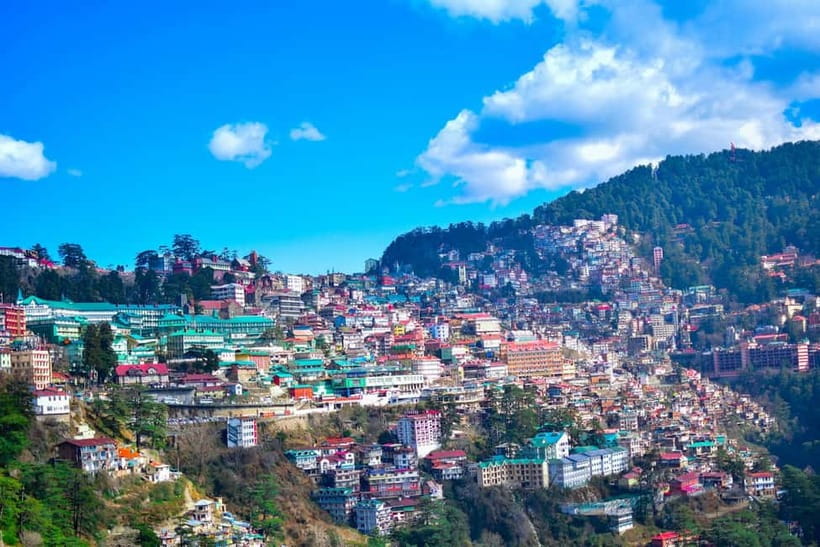
At Kali Bari Temple, Shimla, you shift from the colonial trail into something more directly local. This is one of those stops that keeps the walk from feeling like a museum route of only stone-and-slogans.
The guide’s explanations help you notice the details that matter at a place of worship—your attention moves from the building style to what it means in living practice. If you’re the type who enjoys culture that isn’t staged for tourists, this stop is a highlight.
Tip for the temple stop: keep your phone ready but respect the space. In places of worship, your best photos usually come from patience rather than rushing.
Railway Board Building and HP Vidhan Sabha: power centers on hills
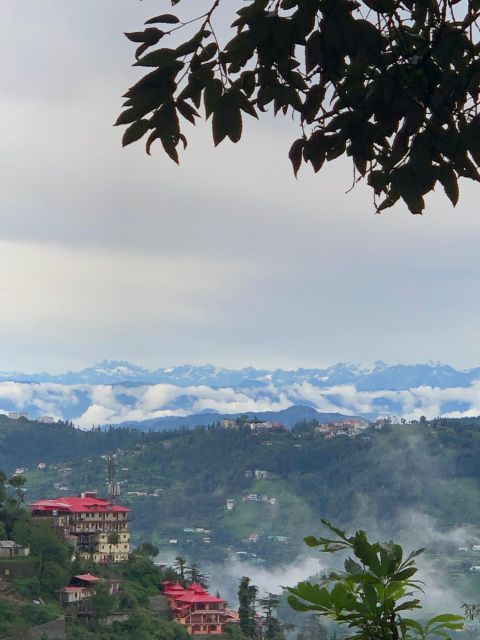
The tour continues into Railway Board Building and HP Vidhan Sabha territory—two stops that explain a bigger theme: Shimla wasn’t only a scenic getaway. It functioned like an administrative and planning hub.
This is where the “walk with a local” part really helps. You’re not just reading plaques; you’re learning how the town’s political and institutional roles shaped what you see on the street. These are the buildings that give the route its spine—turning “pretty hill streets” into a story about governance and infrastructure.
One more plus: these segments tend to slow your walking pace naturally, because you’ll want to look at details on façades and entrances, not just move to the next selfie spot.
The Oberoi Cecil and the All India Radio stop: Shimla’s layered identity
You’ll pass The Oberoi Cecil, Shimla for a brief look at the hospitality side of old Shimla. Then you move to All India Radio (Radio Station), Shimla District, Himachal Pradesh, India.
Even when these are short stops, they help the walk feel complete. A colonial-era trail can become one-note if it only chases the past. Here, you see how Shimla’s identity keeps stacking: British-era planning, Indian civic life, and modern communication/institutional presence.
From what I’ve picked up from guide performance across the route, the best guides (and you’ll often get one with strong delivery) connect these dots without turning it into a lecture. You’re getting facts, but also practical sense of where you are and why it mattered.
Ending at IIAS (Viceregal Lodge area): a calmer finish
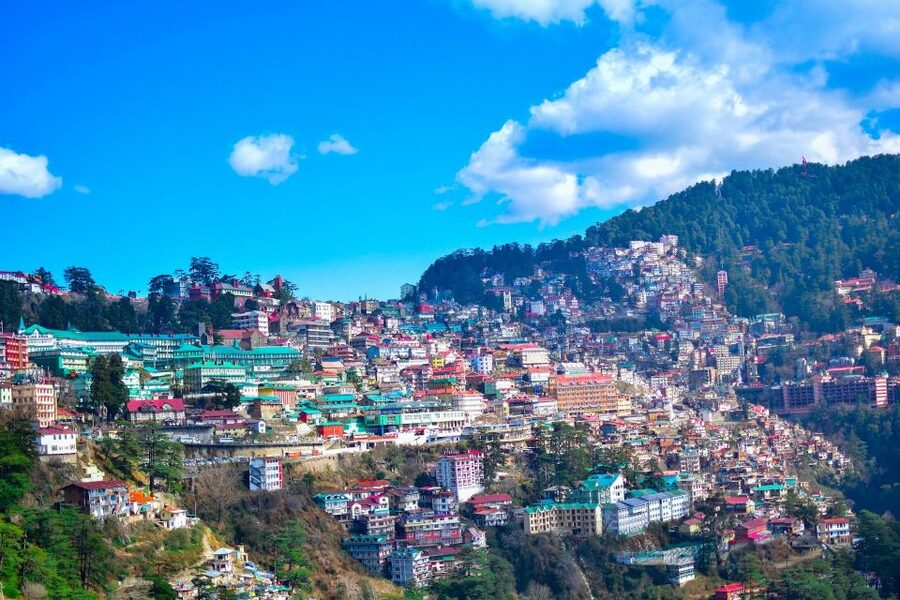
Your tour ends at the Indian Institute of Advanced Study (IIAS), Shimla—often associated with the Viceregal Lodge setting. This works as a gentle landing after active city streets and repeated uphill/downhill sections.
In particular, multiple guides structure the ending to feel like a breather: you stop, you take in the setting, and you get a final wrap-up that ties the walk together. If you want a “slow down and absorb” moment, this end point delivers.
Important Monday note: the Viceregal Lodge remains closed on all Mondays, and many attractions that rely on visitor access can also be closed that day. If you’re traveling Monday, plan your expectations for the final part of the walk accordingly.
Price and value: what $16 buys you in real sightseeing time
$16 per person for a 2-hour private guided walk is a solid price in Shimla’s context—mainly because it buys you guidance, not just a route. You’re covering a line that includes religious life, colonial-era architecture, and key institutional buildings, and your guide is speaking English and Hindi (with Pahari included via the guide team).
Also, it’s a private group. That means the guide can adjust pacing when hills slow you down and when you linger for pictures.
What you should budget separately:
- Monument fees
- Any entry tickets
- Meals
- Hotel pickup/drop-off
- No transportation is provided
So think of the $16 as paying for the walk + explanations. Everything else depends on what you choose to pay for during the day.
Who this tour suits best (and who should skip)
This walk is ideal if you want a guided Shimla experience focused on heritage, culture, and the colonial trail. You’ll likely enjoy it most if you care about architecture and you like hearing why buildings exist, not just where they are.
It’s also a good choice for you if you want an efficient “one line through town.” Instead of piecing together Ridge, churches, and institutional stops on your own, you get a planned route with a local expert.
But it may not be the best fit if:
- You’re traveling with children under 10
- You need a stroller-friendly route (it’s not listed as baby-friendly; babies under 1 year aren’t suitable)
- You’re over 95
- You’re expecting lots of indoor museum time (many entries/tickets aren’t included)
For anyone with limited mobility, the simplest approach is to ask yourself one question: can you comfortably handle a hill-station walk with short stops that still involves uphill/downhill walking? Some people report needing breaks on gradients, so a careful pace matters.
My booking checklist before you go
Here’s what I’d check so the walk goes smoothly:
- Bring comfortable walking shoes (Shimla’s slopes are real)
- Wear layers; hill weather can change quickly
- Plan for any monument or entry fees to be extra
- If you’re on a Monday, confirm what’s still open at the end area near IIAS/Viceregal Lodge
- Decide in advance whether you want a quick photo stop or a longer one at temples/administration buildings
If you do those five things, you’ll spend your energy on the sights, not on surprises.
Should you book this Heritage, Culture & Colonial Trail walk?
Yes—if you want Shimla’s colonial and cultural side in a tight, well-paced 2 hours, and you like having a local guide translate buildings into meaning. The biggest reason to book is the human layer: guides (including names like Preeti/Priti, Raghav, Pawan, and Sunni/Sunny) tend to bring strong historical context and friendly delivery, plus the local gossip that makes the walk feel lived-in rather than scripted.
Skip or reconsider if your trip is on a Monday and you’re counting on the Viceregal Lodge area to be accessible, or if you don’t want walking as part of your sightseeing plan.
FAQ
Where does the walk start?
The tour starts at Christ Church, Shimla.
Where does the walk end?
The tour finishes at the Indian Institute of Advanced Study (IIAS), Shimla.
How long is the tour?
The duration is 2 hours.
What languages does the guide speak?
The guide speaks English, Hindi, and the tour also includes a local guide who can speak Pahari.
Is this tour private?
Yes. It’s listed as a private group.
What’s included in the price?
Included are the walking tour, a local English/Hindi/Pahari speaking guide, and the one-way walk from Christ Church to IIAS.
Are monument fees or entry tickets included?
No. Monument fees, entry tickets, and any entry costs are not included.
Is hotel pickup and drop-off provided?
No. Hotel pickup and drop-off is not included, and the tour does not include transportation.
Is the Viceregal Lodge closed on Mondays?
Yes. Viceregal Lodge remains closed on all Mondays, and many attractions that allow tourist entry can also be closed on Mondays.