REVIEW · KATHMANDU
Kathmandu: UNESCO Heritage Day Tour with Private Guide
Book on GetYourGuide →Operated by Nepal Adventure Guide · Bookable on GetYourGuide
Seven sites in one smooth day. That’s the charm of this private Kathmandu tour with an English-speaking guide, hitting UNESCO stops that most visitors only piece together over multiple trips. I like the way the sites are paired (temples and squares back-to-back), so you leave with clear mental connections, not just photos. I also like that guides such as Pranav, Sajan, and Nabin are praised for turning stone, carvings, and rituals into a story you can actually follow.
You’re looking at a full circuit across Kathmandu Valley, so you’ll spend real time moving and standing around sacred places. One consideration: entrance fees aren’t included, so the final cost isn’t just the listed price.
If you want a structured “best hits” day with a private guide, this tour is built for you. If you’re hoping for a slow, lounge-by-lunch kind of outing, you might find the schedule a bit tight—though the exact duration depends on timing and your starting point.
In This Review
- Key Highlights You’ll Really Notice
- Why This UNESCO Circuit Works (and When It Doesn’t)
- Starting the Day: Pickup Options and How to Set Yourself Up
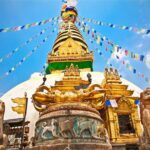
- Swayambhunath Stupa: Monkey Temple Views and a Strong First Lesson
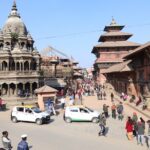
- Kathmandu Durbar Square: Monarchy Stories and Kumari Ghar Area
- Patan Durbar Square: Newari Craft You Can Actually See
- Bhaktapur Durbar Square: The Longer Stop for the Royal-Era Setting
- Changu Narayan Temple: A Short Walk to an Old Standout
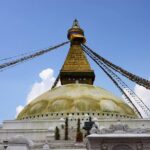
- Boudhanath Stupa and the Nearby Arts Market
- Pashupatinath Temple: A Formal Sacred Setting by the Bagmati
- Price and Value: What $4.80 Buys (and What You Must Budget)
- Getting the Most Out of a Private Guide Day
- Who Should Book This UNESCO Kathmandu Tour
- Should You Book It? My Take
- FAQ
- Which UNESCO sites are included in the tour?
- How long does the tour take?
- Is this tour private?
- Where can I get picked up and dropped off?
- Are entrance fees included?
- Can I skip the ticket line?
- What language will the guide speak?
- What should I bring?
- Is the tour suitable for wheelchair users?
Key Highlights You’ll Really Notice
- Swayambhunath Stupa viewpoints: a hilltop start with big valley views and easy photo moments
- Pashupatinath by the Bagmati River: a major Hindu pilgrimage setting that feels deeply formal
- Boudhanath’s Tibetan cultural center vibe: massive stupa, calm pacing, and a market stop nearby
- Patan + Bhaktapur Durbar Squares: Newari art and carved temple details you can’t get from a quick stop
- Kathmandu Durbar Square highlights: Hanuman Dhoka Palace and the Kumari Ghar area
- Changu Narayan Temple timing: a short but meaningful add-on that slots cleanly into the circuit
Why This UNESCO Circuit Works (and When It Doesn’t)
This tour is designed like a map you can walk through. You start with Swayambhunath, then move through Kathmandu Durbar Square, Patan Durbar Square, and Bhaktapur Durbar Square, then add Changu Narayan Temple before ending with Boudhanath and Pashupatinath. That order matters because it groups similar “visual lessons” together. Stupas first. Then palace-and-temple squares. Then another round of spiritual atmosphere by two of Kathmandu Valley’s most famous religious sites.
A second reason it works: it’s private. That changes everything about pacing. You can ask questions on the spot, stop for the photos that matter to you, and avoid the awkward “we only have 30 seconds per stop” feeling. In multiple bookings, guides like Nabin and Sajan get praised for bringing the significance of each site to life with clear explanations and a friendly tone.
The main drawback is also simple: 7 UNESCO World Heritage Sites means a day that fills up quickly. Even though the duration is listed as 3 to 7 hours, the full circuit is built to take multiple segments. If you want fewer stops, or you’re sensitive to long walks and temple crowds, you may prefer a shorter “top 3 or top 5” style plan. (You can still ask your guide to focus where your interests are strongest.)
You can also read our reviews of more guided tours in Kathmandu
Starting the Day: Pickup Options and How to Set Yourself Up
You get hotel pickup and drop-off within Kathmandu Valley, with five pickup options: Airport Gate, Lalitpur, Kathmandu, Buddha Stupa, and Thamel. Thamel is handy for most visitors because you’re already near guesthouses and travel services, but any of the other pickup points can reduce wasted time depending on where you’re staying.
What I like about this setup is that it protects your morning from delays. You don’t have to sort out transport while you’re already trying to get oriented. And because the tour includes comfortable transportation between sites, your guide can keep the momentum going—no repeated “wait for everyone” rhythm.
One small practical thing: bring cash and a passport copy (accepted). Entrance fees are not included, so cash becomes more useful than you’d think once you’re standing at a ticket counter.
Swayambhunath Stupa: Monkey Temple Views and a Strong First Lesson
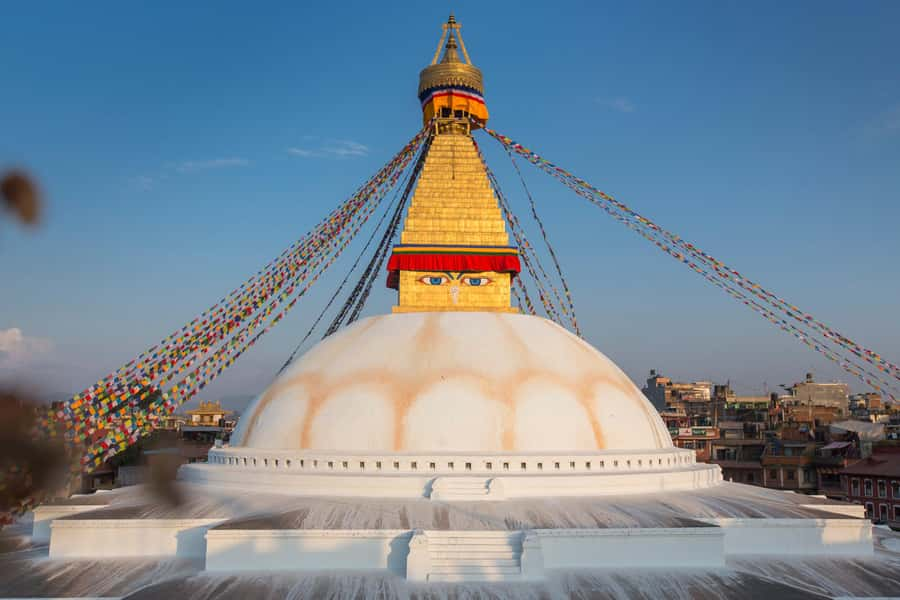
Swayambhunath is usually the first place people point to when they talk about Kathmandu’s iconic skyline. Here, you get a 45-minute window that includes a break and a photo stop, plus a guided visit and sightseeing time.
I love using Swayambhunath as a starting anchor because it gives you context. From the hilltop, you can get your bearings across the Kathmandu Valley. That makes the rest of the day easier to understand: temples and squares stop looking like random points on a map and start looking like connected landmarks.
Also, this is a great “energy check” moment. If you’ve got jet lag, you’ll still get something meaningful without forcing a rushed pace. If you’re feeling great, you can use the viewpoints to frame what you’ll see later that day.
Kathmandu Durbar Square: Monarchy Stories and Kumari Ghar Area
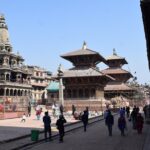
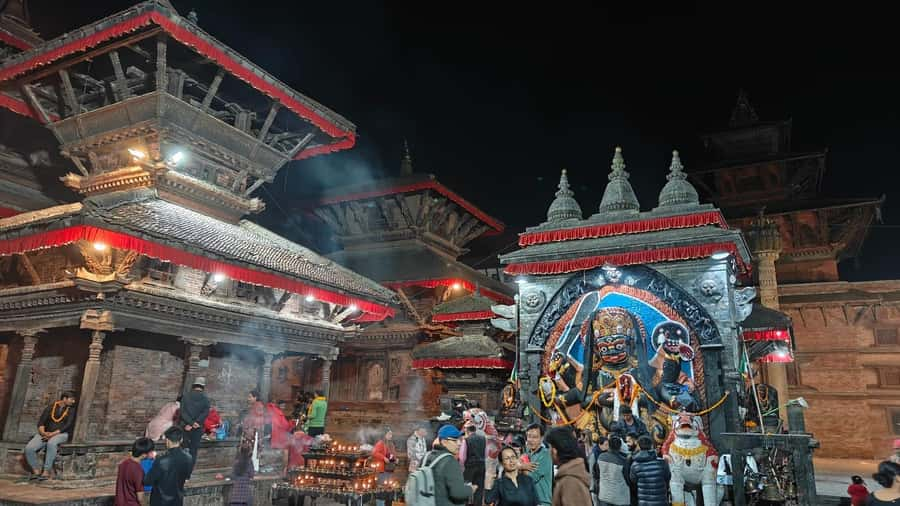
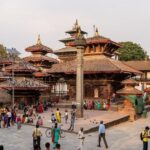
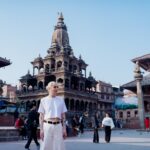
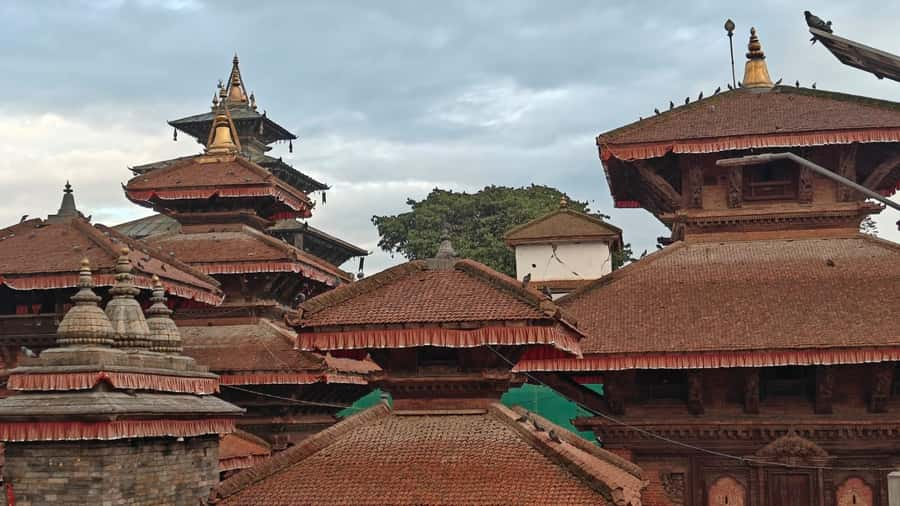
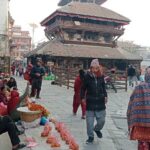
After Swayambhunath, the tour shifts from panoramic stupa views to the political and religious heart of the city: Kathmandu Durbar Square. You’ll spend about 1 hour here with a guided tour, a photo stop, and sightseeing time. There’s also a shopping slot built in.
What makes this stop special is that it’s not just temples—it’s where you can connect Nepal’s past monarchy to visible landmarks. You’ll see areas tied to the Hanuman Dhoka Palace and the Kumari Ghar, the home associated with the living goddess. Even if you don’t know the story ahead of time, a good guide helps you interpret what you’re looking at, instead of treating the square like a backdrop.
A practical consideration: Durbar Squares can get busy, so if you’re the type who wants lots of quiet moments, use the guided portion strategically. Ask your guide to point out the details you should focus on, then use your free minutes for photos and slow wandering.
Patan Durbar Square: Newari Craft You Can Actually See
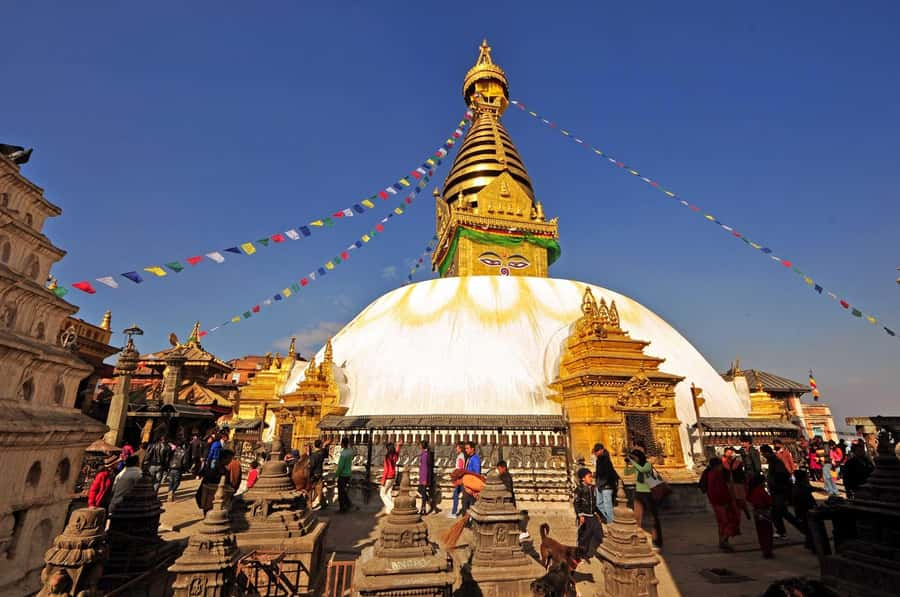
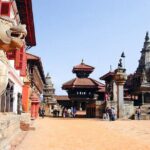
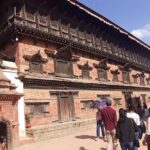
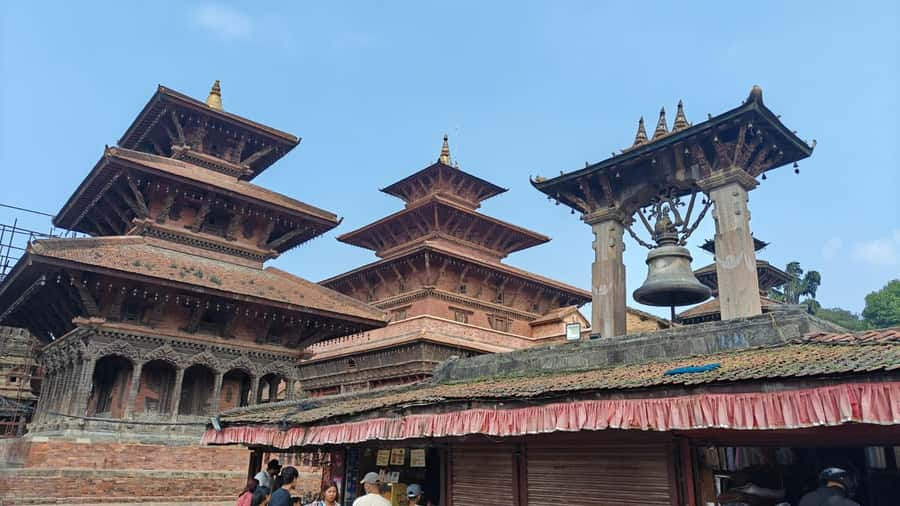
Next up is Patan Durbar Square, also about 1 hour. This stop leans heavily into the art and craftsmanship side of the UNESCO experience.
Patan’s strength is its concentration of palace-and-temple elements that feel built for close looking. With a guide, you’re not just moving from one courtyard to another—you’re learning how the carvings and architectural choices reflect local Newari skill.
What I like here is the pacing. Patan sits between Kathmandu and Bhaktapur, and it acts like a bridge in the day’s “visual language.” If you start to feel overload after Swayambhunath and Durbar Square #1, Patan can reset you because the details reward slower attention.
You can also read our reviews of more private tours in Kathmandu

Bhaktapur Durbar Square: The Longer Stop for the Royal-Era Setting
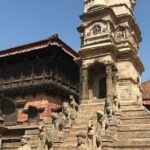
Then you head to Bhaktapur Durbar Square, where you get about 2 hours—the longest city-square block on the route. That extra time matters because Bhaktapur’s preserved setting takes longer to absorb. You can spend more moments tracing the layout and noticing the small architectural patterns.
This is also where I’d suggest paying extra attention to what your guide focuses on. In bookings, guides like Nabin get praised for explaining significance in ways that make the sites feel more than just photo targets. In a place this detailed, those explanations help you “read” the space faster.
If you’re planning around energy levels, think of Bhaktapur as the site where you’ll want the most patience. The stop is long for a reason.
Changu Narayan Temple: A Short Walk to an Old Standout
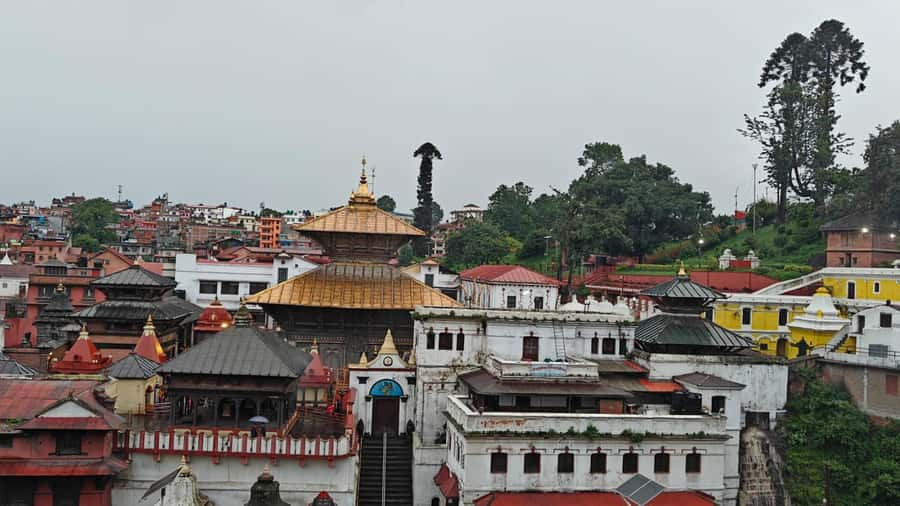
After Bhaktapur, you add Changu Narayan Temple. Expect around 30 minutes, including a photo stop, guided tour, sightseeing, and a short walk.
This temple works well because it’s compact. It gives you a different kind of connection than the Durbar Squares: the feel shifts from courtyards and palace areas to a more specific, focused sacred structure.
One important detail: Changu Narayan is described as one of the oldest Hindu temples in the Kathmandu Valley. Even with limited time, that “age” angle is helpful. It changes how you look at the carvings and the purpose of the site.
Boudhanath Stupa and the Nearby Arts Market
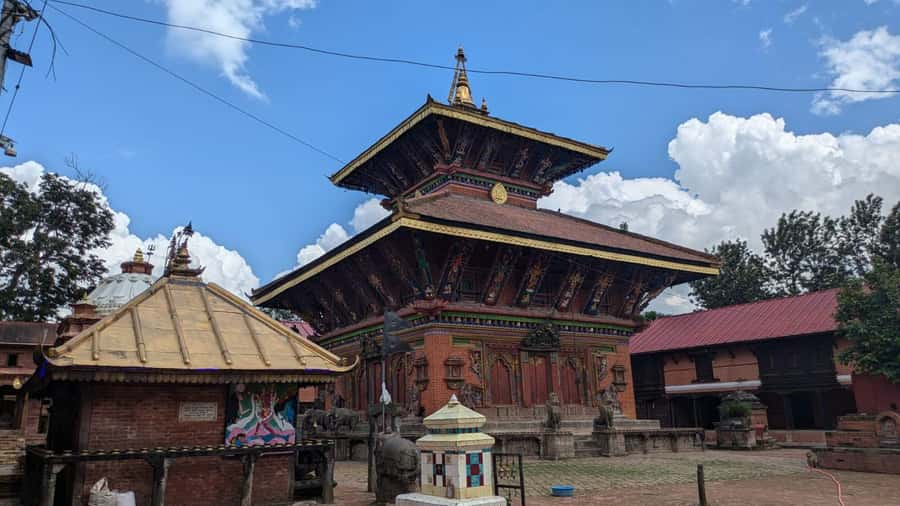
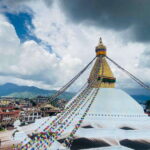
Next is Boudhanath Stupa, with about 1 hour of time plus a walk and sightseeing. There’s also an arts & crafts market visit.
Boudhanath is famous for a reason. It’s massive, and it has a calm, devotional atmosphere that doesn’t feel like the same kind of city spectacle as a Durbar Square. The tour description also frames it as a center of Tibetan culture, and that cultural angle is part of why it feels different from the other stops.
The market slot is useful. You’re not stuck with only temple viewing—you get a chance to browse for small items and get a sense of what people buy and carry in daily life. If you want souvenirs that feel linked to the places you just visited, this is where you’ll likely do it.
Pashupatinath Temple: A Formal Sacred Setting by the Bagmati
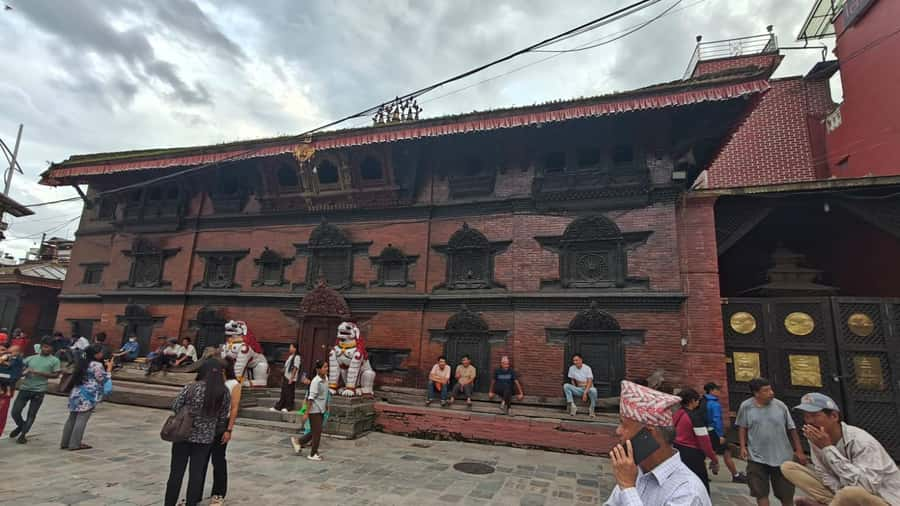
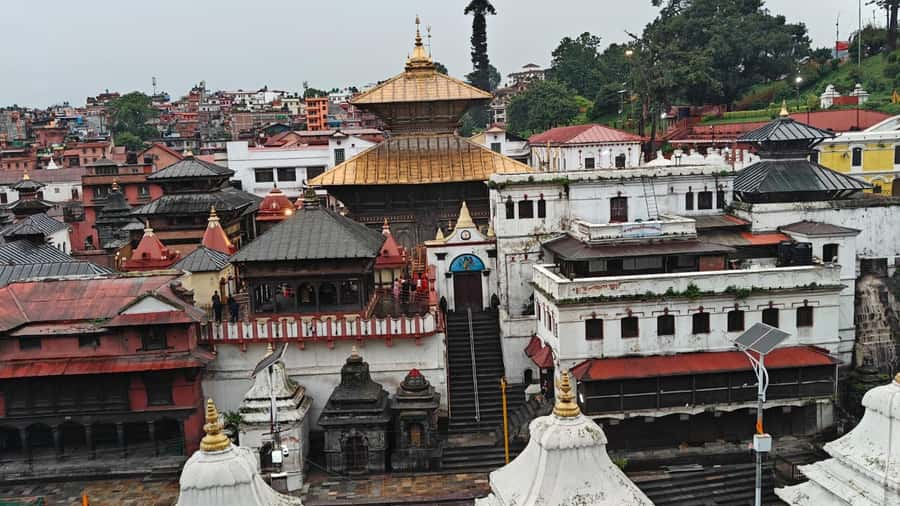
The day ends—or at least turns toward its most spiritual moment—with Pashupatinath Temple. You’ll spend about 1 hour with photo stop, guided tour, sightseeing, and a walk.
This is a sacred Hindu pilgrimage site along the holy Bagmati River, and it has a formal, ceremonial feel. Even if you’re not fluent in the traditions, a guide can help you understand the layout and what makes the setting important.
I like placing Pashupatinath later in the circuit. After centuries of palace-and-craft visuals, it becomes easier to appreciate how rituals and river-based sacred geography create a different kind of meaning. It’s also a strong finale because you’ll walk away with a sense of Kathmandu as a living religious city, not just a museum.
Price and Value: What $4.80 Buys (and What You Must Budget)
The price listed is $4.80 per person, with private group service and a guide. That’s the biggest reason this tour can feel like a bargain: you’re not just paying for a driver—you’re paying for an organized route through 7 UNESCO sites.
But here’s the money reality: entrance fees are not included. For many UNESCO areas, ticket costs can add up fast, so budget for that extra line item. Also, personal expenses and meals aren’t specified.
The included value you do get:
- Expert English-speaking guide for each UNESCO heritage site
- Comfortable transportation between sites
- Hotel pickup and drop-off within Kathmandu Valley
- Personalized insights into Nepal’s history, culture, and architecture
In the reviews tied to this experience, the smoothness of the day and the quality of the guiding stand out. People mention organized timing, a friendly driver (names like Sundar come up), and guides who explain things in a way that makes the stops feel connected. That kind of guidance is exactly what helps a low-cost tour feel worth it.
Getting the Most Out of a Private Guide Day
A private UNESCO day goes best when you treat your guide like a translator for details. Ask questions like:
- What should I look for first in this courtyard?
- Why is this structure shaped this way?
- What’s the easiest way to understand the site’s role in daily life?
From the positive feedback around this tour, guides such as Pranav, Sajan, and Nabin are repeatedly praised for exactly that kind of storytelling and calm, kind demeanor. One review also mentions a guide going above and beyond with local food suggestions along the way. So if you’re hungry and curious, ask where to grab something simple that fits the neighborhood you’re in.
Practical notes that come straight from the tour rules:
- No drinks in the vehicle
- No alcohol and no drugs, and no alcoholic drinks in the vehicle
- Bring cash and a passport copy
Who Should Book This UNESCO Kathmandu Tour
This is a great fit if:
- You want 7 UNESCO sites without planning, hopping between ticket lines, or juggling transport on your own
- You like guided explanations that connect architecture, religion, and local culture
- You’re traveling with friends or family and want a private group pace
It may not be ideal if:
- You want a very slow, flexible day with minimal stops
- You’re traveling with mobility limitations, since it’s not suitable for wheelchair users
If you’re the type who likes structure but still wants flexibility to ask questions, this private format is a strong match.
Should You Book It? My Take
Book this tour if you want a clean, guided way to see the UNESCO highlights of Kathmandu Valley in one organized circuit. The best value is the combination of private guiding plus transport plus a route that includes both spiritual landmarks and the Durbar Squares where you can spend real time looking.
Don’t book it expecting everything to be “all-in.” The big add-on is entrance fees, and your day will be full. If you’re okay with that, you’ll likely end the day feeling like Kathmandu isn’t just a stopover—it’s a place with stories you can now recognize on sight.
FAQ
Which UNESCO sites are included in the tour?
The tour covers Swayambhunath Stupa, Pashupatinath Temple, Boudhanath Stupa, Patan Durbar Square, Bhaktapur Durbar Square, Kathmandu Durbar Square, and Changu Narayan Temple.
How long does the tour take?
The duration is listed as 3 to 7 hours, depending on availability and timing.
Is this tour private?
Yes, it’s described as a private group experience.
Where can I get picked up and dropped off?
Pickup options include Airport Gate, Lalitpur, Kathmandu, Buddha Stupa, and Thamel. Drop-off options include Airport Gate, Thamel, Lalitpur, Buddha Stupa, and Kathmandu.
Are entrance fees included?
No. Entrance fees to all 7 UNESCO World Heritage Sites are not included.
Can I skip the ticket line?
Yes, it includes skipping the ticket line.
What language will the guide speak?
The live tour guide is available in English and Hindi.
What should I bring?
Bring cash and a passport (a copy is accepted).
Is the tour suitable for wheelchair users?
No, the tour is not suitable for wheelchair users.