REVIEW · VALLETTA
Heritage Pass in Malta
Book on Viator →Operated by iSeeMalta_Official · Bookable on Viator
Malta’s past is everywhere, and this pass helps you link it fast. With a single ticket you can hit a standout mix: Valletta forts, megalithic temples like Hagar Qim/Mnajdra, and early Christian sites such as St Paul’s Catacombs. You also get unlimited use of the hop-on hop-off bus, a harbor cruise, and a coastal route toward Comino and Gozo.
The two things I like most are practical. First, the pass is built to help you avoid repeated ticket-line hassle by bundling access to a long list of places. Second, the cruises include free onboard Wi‑Fi, so you can catch up on directions and photos without burning your phone battery.
The one thing to watch is planning pressure. You’ll only feel like you got value if you actually visit enough sites in the time window, and some places can be closed on short notice—so I’d plan with flexibility and check the opening info tied to your pass.
In This Review
- Key things that make this Malta pass worth a look
- Price and value: when the pass makes sense
- Pass basics: how to avoid disappointment
- Valletta logistics: getting on the hop-on bus without wasting a day
- Cruises with free Wi‑Fi: the water time that actually helps
- Comino and Gozo by coastal route: plan your timing
- The included heritage sites: what each stop feels like
- Fort St Elmo: star fort drama from 1565
- MUŻA (Malta National Community Art Museum): art in an old Order building
- National Museum of Natural History (Mdina): Malta’s land and underwater life
- Ta’ Ħaġrat Temples (Mġarr): UNESCO megaliths built for religion
- Għar Dalam Cave and Museum (Birżebbuġa): prehistoric remains, real archaeology
- Fort St Angelo (Birgu): the sea fortress in the middle of the harbor
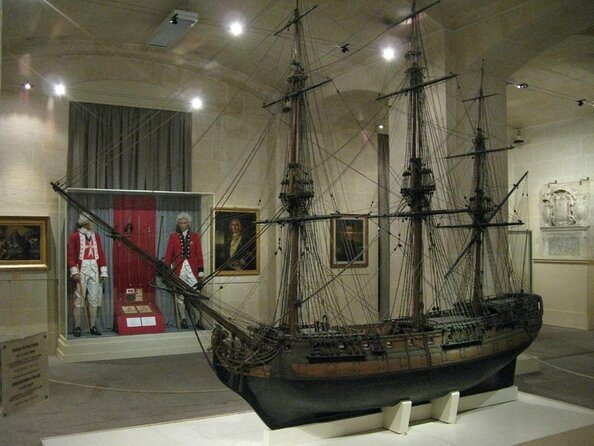
- Malta Maritime Museum (Birgu): 20,000 artifacts telling Malta’s shipping story
- Ħaġar Qim & Mnajdra Archaeological Park: two temple worlds close together
- State Rooms (Presidential Palace in Valletta): power and ceremony on the map
- Palace Armoury: Order of St John weapons and pageantry
- Skorba Temples (near Żebbiegħ): Neolithic insight you might miss otherwise
- Borġ in-Nadur Prehistoric Complex: temples plus Bronze Age life
- St Paul’s Catacombs: underground galleries from the early centuries
- Domvs Romana: Roman mosaics and private-life clues
- Ħal Tarxien Temples: decorated stone with layers of time
- Mnajdra Temples: the sister site to Ħaġar Qim
- Who this Malta heritage pass suits best
- The service element: reps who help you make the day click
- Should you book the Heritage Pass?
- FAQ
- What does the Heritage Pass include?
- Do the cruises have Wi‑Fi?
- How long is the pass valid?
- Are admission tickets free at the listed sites?
- What should I do if a site is closed?
- Where is this experience based?
- Can I cancel for a full refund?
Key things that make this Malta pass worth a look
- Hop-on hop-off flexibility in Valletta so you can move at your pace instead of syncing to one strict group schedule
- Two cruise experiences with free Wi‑Fi: Valletta/Three Cities harbor views plus coastal water time
- Megalithic and Roman sites in one package including Ta’ Ħaġrat, Skorba, Borg in-Nadur, Domvs Romana, and more
- Catacombs without fuss at St Paul’s, known for underground galleries and tombs from the early centuries
- Lots of walking, lots of clues: the value comes from spacing your stops across Malta’s geography
Price and value: when the pass makes sense
At $92.69 per person, this is not a cheap impulse buy. But it can work out well because the included sites are listed as admission-ticket free with the pass, and the stops span major categories—forts, temples, natural history, Roman remains, and underground Christianity.
That said, the pass only feels like a bargain if you commit. Malta is compact, but “compact” still means real transit time and real walking. If your style is slow meals, beach time, and one or two museums, you might do better paying as you go and picking your top hits.
Also keep in mind pricing can vary by where and how you purchase. One example in the feedback shows it being sold for around €40 at Fort St Elmo, while the published price here is $92.69. The takeaway: check what’s included on the exact ticket you’re buying, not just the headline price.
You can also read our reviews of more historical tours in Valletta

Pass basics: how to avoid disappointment
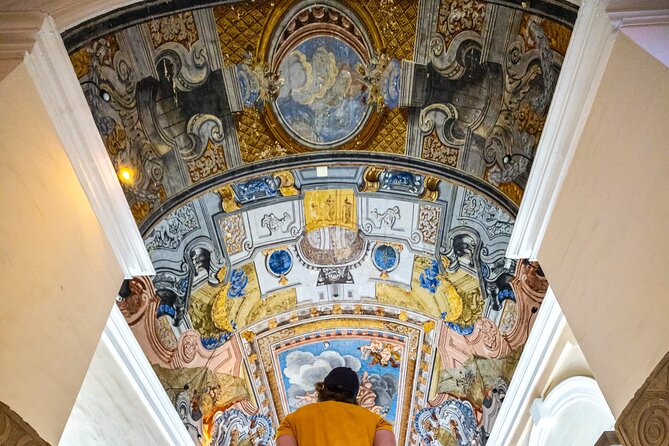
This experience is offered in Valletta and runs daily from 8:00 AM to 6:00 PM. Your ticket covers access to 20+ attractions over a short stay, plus unlimited hop-on hop-off bus use and the cruise/route add-ons.
Before you rely on it like a magic wand, do two things:
- Check the validity window printed on your voucher. The time frame shown here is about 3 days, but there’s also confusion in the feedback about whether some passes were described differently. You want the exact dates/timing on your own ticket.
- Scan the QR code for opening times tied to the places you plan to visit. The operator specifically points to using the QR code for opening info, and that matters because some sites can close at short notice.
Valletta logistics: getting on the hop-on bus without wasting a day
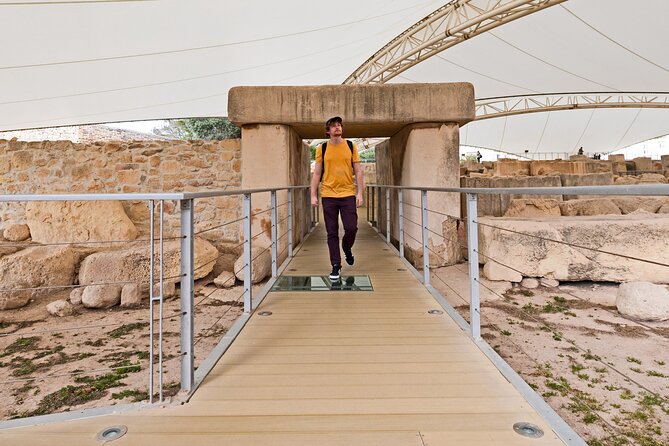
The hop-on hop-off bus is one of the biggest reasons this pass can work. You’re not locked into one guided route. You can hop off, explore, then return later—ideal for Valletta’s tight streets and layered sights.
Still, bus days can go sideways when you don’t pay attention to stops. One recurring practical issue is finding the exact stop when you’re getting on later, especially along the Valletta waterfront area. If you want an easy day, I’d do this:
- When you get off, note the stop location/name right away.
- For your next hop, aim to board at the same clearly identified stop you used earlier, instead of trying to guess.
You’ll also want to keep expectations realistic about coverage. The bus isn’t the same as having a private driver who can drop you at every turn. The feedback mentions only two routes, and that can mean longer stretches between useful jump-off points.
Cruises with free Wi‑Fi: the water time that actually helps
There are two cruise components included. One is a harbor cruise of Valletta and the Three Cities. The other is a coastal pass route that connects toward Comino and Gozo.
Why I like the harbor cruise even if you think you’re not a boat person: it gives you instant context. Valletta’s skyline makes more sense after you’ve seen how the harbors sit and how the fortifications face the sea. It also helps you orient for the rest of your walking day.
And yes, the cruises include free Wi‑Fi on board. That’s genuinely useful, not just a perk—especially when you’re checking routes, schedules, or map pins between stops.
Comino and Gozo by coastal route: plan your timing
This pass includes a coastal route heading to Comino and Gozo. It’s a great match for travelers who want more than one kind of Malta: historic stone plus island water scenes.
The practical reality is timing. Getting to and from the coast takes time, and you’ll want to reserve your best energy for the stops you care about most. If you’re building a tight itinerary, treat the Comino/Gozo leg as a half-day commitment, not a casual add-on.

The included heritage sites: what each stop feels like
You’re covering a lot of Malta in a short span, so here’s how I’d understand each site and what makes it special—plus what to keep in mind.
Fort St Elmo: star fort drama from 1565
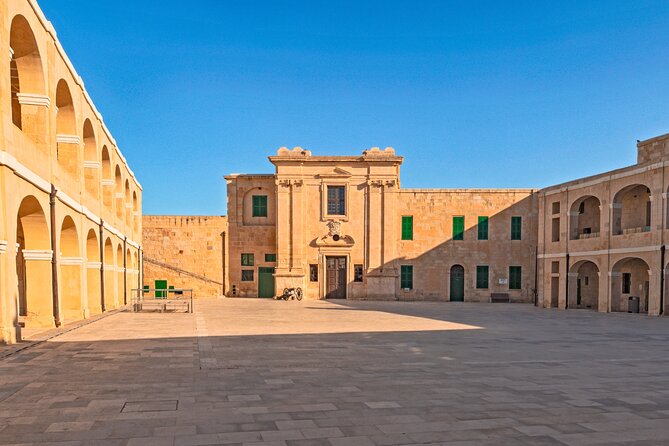
Fort Saint Elmo sits on the seaward shore of Valletta’s Sciberras Peninsula and guards entrances to both harbors. It’s tightly tied to the Great Siege of Malta in 1565, so even a short visit gives you a big-picture sense of why Valletta mattered.
Watch-outs: You’ll be walking on uneven fort ground with sea views. Wear shoes you trust, not fancy sandals.
MUŻA (Malta National Community Art Museum): art in an old Order building
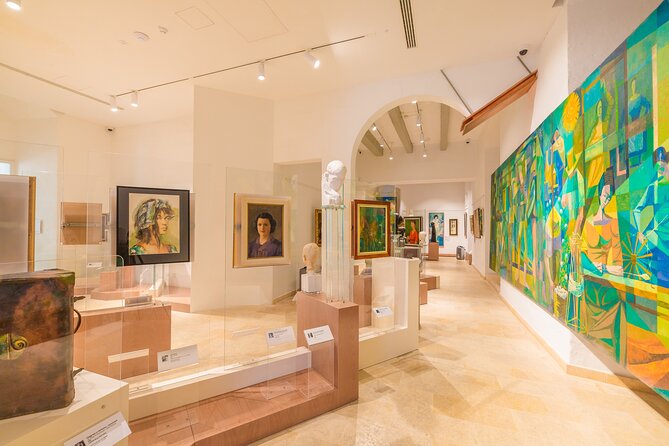
MUŻA is housed at Auberge d’Italie in Valletta, a historic setting that adds character to the art. The museum has held collections of Maltese and foreign artists representing major European styles, and it has a history of shifting locations and names.
What to expect: Plan this as a calmer break from forts and temples. It’s a good stop when you want indoor time.
National Museum of Natural History (Mdina): Malta’s land and underwater life
This museum is in Palazzo Vilhena in Mdina, run by Heritage Malta. It focuses on Maltese ecosystems on land and underwater, with a spotlight on endemic plants and birds, plus minerals, fossils, insects, reptiles, and more.
Why it’s worth it: Malta’s islands feel simple until you learn what’s unique and what’s adapted to this tiny ecosystem.
Ta’ Ħaġrat Temples (Mġarr): UNESCO megaliths built for religion
Ta’ Ħaġrat is a UNESCO World Heritage Site and among the world’s oldest religious places. The larger temples date to the Ġgantija phase (roughly 3600–3200 BCE), and the smaller to the Saflieni phase (roughly 3300–3000 BCE).
Note: These sites are time-travel compact. You’ll see it fast, but it helps to slow down for the scale.
Għar Dalam Cave and Museum (Birżebbuġa): prehistoric remains, real archaeology
Għar Dalam is a cave system about 144 meters long and contains bone remains tied to animals that became extinct in Malta at the end of the Last Glacial Maximum. It even lends its name to a Maltese prehistory phase.
Why it feels different: Underground sites bring a stronger sense of human and animal history than stone-only temples.
Fort St Angelo (Birgu): the sea fortress in the middle of the harbor
Fort St Angelo is centered on Malta’s Grand Harbour in Birgu. Originally a medieval castle, it was rebuilt by the Order of Saint John into a bastioned fort, and it served as the Order’s headquarters during the Great Siege.
What you’ll get: A strong sense of strategy. Fort St Angelo isn’t just scenic; it’s built to control access by sea.
Malta Maritime Museum (Birgu): 20,000 artifacts telling Malta’s shipping story
The Maritime Museum sits in the former Royal Naval Bakery from the 1840s. The collection covers Malta’s maritime history starting from prehistory to modern times, with over 20,000 artifacts.
Pro tip for your legs: This is one of the best indoor stops if you’ve been temple-hopping all morning.
Ħaġar Qim & Mnajdra Archaeological Park: two temple worlds close together
This area brings you to Malta’s famous megalithic tradition. Ħaġar Qim sits on the southern edge of the island, on a ridge of soft globigerina limestone. The builders used this stone throughout the temple architecture.
Here’s what’s useful: If you do both Ħaġar Qim and Mnajdra, you’ll start noticing differences in design and stonework rather than just seeing “old rocks.”
State Rooms (Presidential Palace in Valletta): power and ceremony on the map
The Staterooms are part of the Presidential Palace in Valletta, tied to the city’s post-1566 growth. Under the British period the palace served as the Governor’s Palace and even hosted Malta’s first constitutional parliament in 1921.
Important consideration: The site can occasionally be closed at short notice by order of the President, so don’t build your whole day around it.
Palace Armoury: Order of St John weapons and pageantry
The Palace Armoury shows the opulence of the Order of St John, who ruled from 1530 to 1798. You can see armor suits of Grand Masters like Alof de Wignacourt and Jean de Valette, plus Ottoman armor and weapons and a selection of artillery pieces.
Why I’d prioritize it: It helps you connect the forts you’ve visited to the people who wore and used the gear.
Skorba Temples (near Żebbiegħ): Neolithic insight you might miss otherwise
Skorba temples are UNESCO listed and shed light on Malta’s earliest Neolithic culture. Interestingly, this site was excavated in the early 1960s, later than many other megalithic sites studied since the 19th century.
Practical tip: If you like archaeology details, this is a great complement to the more famous southern sites.
Borġ in-Nadur Prehistoric Complex: temples plus Bronze Age life
Borġ in-Nadur is near St George’s Bay and includes a Tarxien phase megalithic temple and remains of a Bronze Age village. It also includes what’s described as the earliest fortification in Malta, and it’s near other historic features like Bronze Age cart ruts and silos.
What to expect: Open fields and a sense of how early settlements sat in productive landscapes.
St Paul’s Catacombs: underground galleries from the early centuries
St Paul’s Catacombs are a major early-Christian site with underground galleries and tombs dating from the 3rd to 8th centuries CE. The open-to-the-public portion is managed by Heritage Malta, and the complex contains over 30 hypogea, with many more than the ones you’ll enter.
How to enjoy it more: Give yourself a moment before you go in to mentally switch gears. The site is partly about scale—underground work that looks inhumane by modern standards.
Domvs Romana: Roman mosaics and private-life clues
Domvs Romana is about the private life of an ancient Roman aristocrat. Even though little of the house structure was recovered, the mosaics and other artifacts left behind show the original richness of the dwelling.
Great when: You want a calmer, indoor-feeling history stop without going fully museum-heavy.
Ħal Tarxien Temples: decorated stone with layers of time
The Tarxien Temples include three connected temple structures. The main entrance is a reconstruction from 1956, and many decorated slabs were moved indoors for protection at the Museum of Archaeology in Valletta.
Why this matters: If you’ve only ever seen temples outdoors, this is a reminder that weather and time damage stone—and that conservation is part of the story.
Mnajdra Temples: the sister site to Ħaġar Qim
Mnajdra sits about 497 meters from Ħaġar Qim. It was built around the fourth millennium BCE, and it includes a protective tent for the site.
Practical detail: With a protective cover and cliffside views, it feels like a place between being exposed to elements and being preserved.
Who this Malta heritage pass suits best
This is ideal if you want a single ticket to coordinate many Malta highlights without hiring a private driver. It works best for people who like structure but still prefer freedom to set your own pace on foot.
I’d also call it a strong choice for first-timers. You get Valletta fortifications, underground Christian archaeology, and megalithic temples without needing to stitch together too many separate tours.
If you’re traveling with limited walking tolerance, you’ll still be able to visit sites, but your pacing will matter more. Malta’s streets and historic paths are not designed for sitting around.
And if your travel style is very spontaneous, plan to check the QR opening info before you commit time to a stop—especially for places like the State Rooms that can close.
The service element: reps who help you make the day click
Even with a self-guided pass, the human help can make a big difference. The feedback includes names of reps who helped people shape their routes, including Diane Zammit and Sandra Fenech, plus Monalisa at the Corinthia St George who explained how to fit trips together. There’s also mention of Allen at Ampaz in Bugibba and Gabriela at 115 The Strand Hotel, both of whom were praised for taking time to explain the pass and options.
If you’re the type who likes a map in human form, ask for guidance early. Even 10 minutes can save you a half day of guesswork.
Should you book the Heritage Pass?
Book it if you want maximum Malta coverage in a short window and you’re willing to plan. With access to major sites like Fort St Elmo, St Paul’s Catacombs, and both the Hagar Qim and Mnajdra temple complexes—plus bus and cruise options with onboard Wi‑Fi—it can turn Malta from a list of landmarks into a connected story.
Skip it if you’re only planning a couple of stops, or if you hate logistics. This pass rewards smart pacing. Make your list, check opening info via the QR code, and keep some flexibility for short-notice closures.
FAQ
What does the Heritage Pass include?
It includes admission access to over 20 attractions (including Fort St Elmo, St Paul’s Catacombs, and the Ħaġar Qim and Mnajdra archaeological park), unlimited hop-on hop-off bus use, a harbor cruise of Valletta and the Three Cities, and a coastal pass route toward Comino and Gozo.
Do the cruises have Wi‑Fi?
Yes. Both cruises include free Wi‑Fi on board.
How long is the pass valid?
The pass is described as lasting about 3 days. The exact validity window is shown on your booking/ticket, so check what’s printed on your voucher.
Are admission tickets free at the listed sites?
The sites included in the pass are listed with admission ticket free in the experience details.
What should I do if a site is closed?
The operator advises scanning the QR code for opening times of each place. Some sites can also be closed at short notice, so checking opening info before you go helps.
Where is this experience based?
It is located in Valletta, Malta, and it’s near public transportation.
Can I cancel for a full refund?
Yes. The experience offers free cancellation if you cancel at least 24 hours in advance for a full refund.