REVIEW · HOUSTON
Houston: Buffalo Bayou Park Cistern History Tour
Book on GetYourGuide →Operated by Buffalo Bayou Partnership · Bookable on GetYourGuide
Houston hides a cathedral underground. This 30-minute guided walk into the Buffalo Bayou Park Cistern turns a piece of city infrastructure into a real sensory experience, with its massive concrete interior and a 17-second echo you can test with your own voice.
I love how the guide connects the space to what it used to do. You’ll learn it was built in 1926 as Houston’s original drinking-water reservoir, and you’ll see the scale up close: interior space about the length of 1.5 football fields.
One thing to plan for is sound clarity underground. The cistern’s echo can make fast talking harder to follow, and the tour isn’t designed for kids under 9, so bring an adult-ready ear and take your time.
In This Review
- 6 Things You’ll Notice on This Cistern History Tour
- Buffalo Bayou Park Cistern: Houston’s Underground Room With a Soundtrack
- From the Visitor Center to the Cistern Door: What the 30 Minutes Feels Like
- The 1926 Reservoir Story: How a Water System Became a Public Space
- Seeing the Scale: 1.5 Football Fields and 15 Million Gallons
- The 17-Second Echo Test: Yes, You Should Try It
- Guide Style, Singing, and Why Speech Speed Can Matter
- Price and Value: $15 for a 30-Minute Underground Architecture Hit
- Rules That Affect Your Comfort (and What to Bring)
- Who Should Book This Cistern Tour (and Who Might Skip It)
- Should You Book This Buffalo Bayou Park Cistern History Tour?
- FAQ
- How long is the Buffalo Bayou Park Cistern history tour?
- Where do I check in for the tour?
- Is the tour wheelchair accessible?
- Are kids allowed?
- Are pets allowed during the tour?
- Does the tour include a guide?
6 Things You’ll Notice on This Cistern History Tour
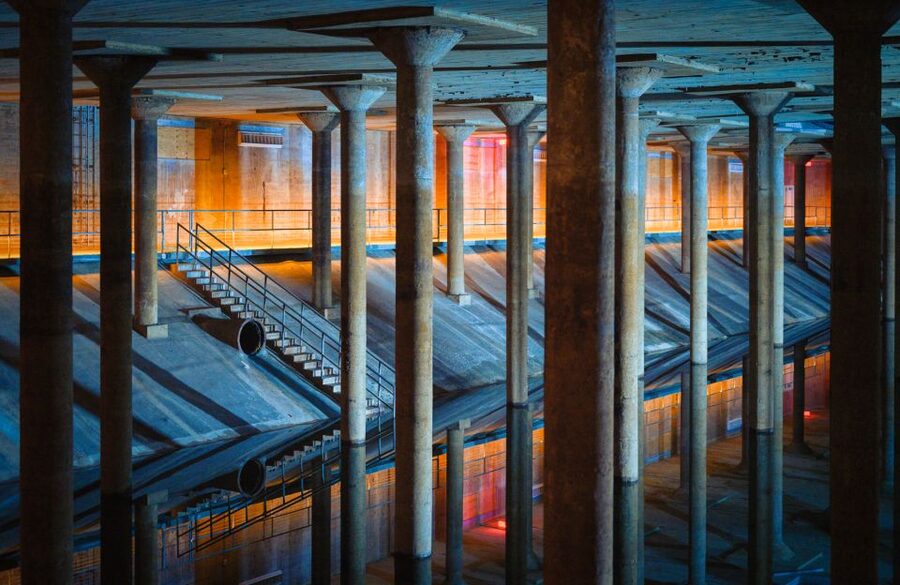
- Underground architecture you can stand inside: thick monolithic concrete columns and a huge interior volume, right in the middle of town.
- A built-in sound experiment: you’ll try calling out and hearing the 17-second reverberation for yourself.
- A real 1926 origin story: the tour explains why this structure exists and how it worked as a reservoir.
- Scale that lands fast: the space is about 1.5 football fields wide in feel, not just in measurements.
- Guides who turn history into performance: multiple guides bring extra personality, including singing that highlights the acoustics.
- A short tour with a focused payoff: you get a lot of meaning in 30 minutes without long wandering.
Buffalo Bayou Park Cistern: Houston’s Underground Room With a Soundtrack
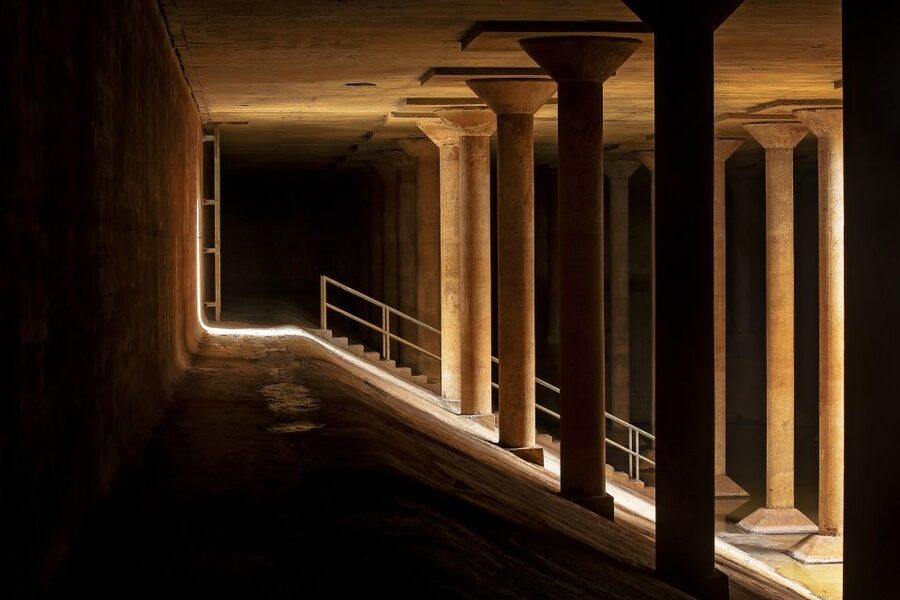
This tour is for people who like seeing how a place changes jobs over time. The cistern started as a water reservoir, then became a subterranean public space. Now it does something else too: it makes sound behave like a science demo.
Walking in, you feel the shift right away. The air goes still, the ceiling drops into your world, and the guide’s voice bounces. That’s not just a cool trick. It’s part of why this place works so well for storytelling and why architecture matters here, not just as design, but as function.
If you enjoy unusual spaces—especially the kind you could never guess from the surface—this is exactly that. You’ll look at concrete columns and remember they once held enormous volumes of water. Then you’ll call out and hear the echo stretch your words into something theatrical.
From the Visitor Center to the Cistern Door: What the 30 Minutes Feels Like
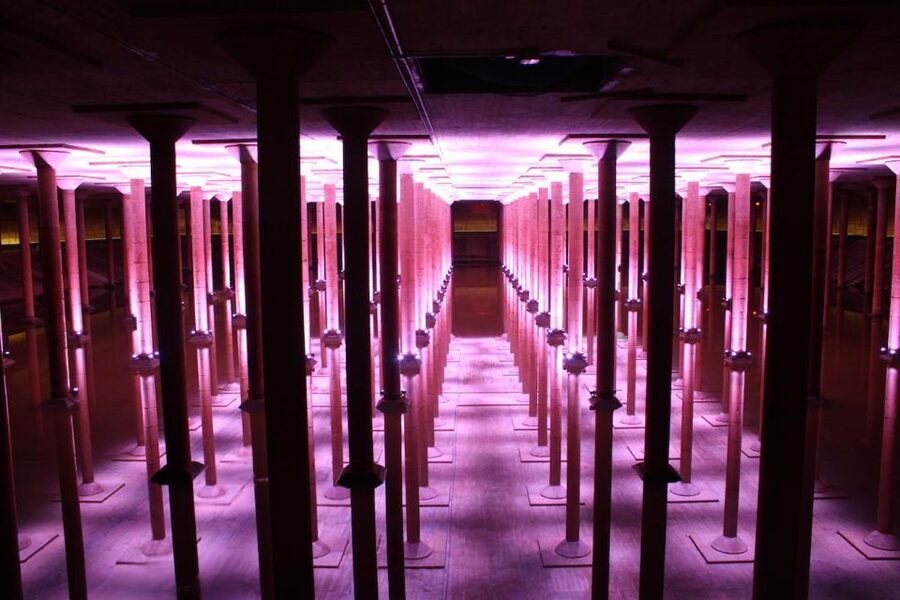
You check in at the Buffalo Bayou Park Visitor Center next to the cistern. That’s your staging point, and it’s helpful because the tour happens underground—so you’re not just “going to a room,” you’re stepping into a different acoustic world.
The flow is simple. You meet your guide at the cistern entrance, then you’re led into the structure. The tour is built around walking and listening, not a long schedule of separate stops, so it stays tight and focused.
Because the entire experience is underground and fairly enclosed, I’d treat it like a short guided hike where you mostly look up. Wear shoes you’re comfortable standing in. And if you’re sensitive to echoes, stand where the guide’s voice seems to carry best rather than drifting too far away from the group.
The 1926 Reservoir Story: How a Water System Became a Public Space
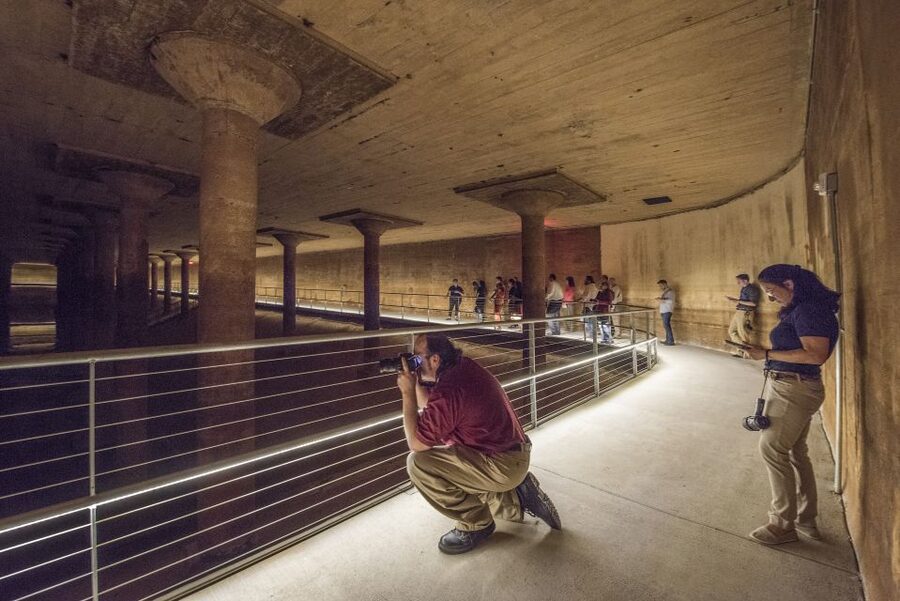
This is a history tour with an architecture lens. Your guide explains the origins of the Buffalo Bayou Park Cistern and how it was built in 1926 as Houston’s original drinking water reservoir. That detail matters, because it changes how you read the space.
Instead of thinking, this is just an underground exhibit, you think, this is engineered storage. The guides connect the monolithic concrete forms to their practical purpose—big, stable volumes designed for holding water in a city that needed it.
The best part is how the story stays grounded in what you’re seeing. You don’t just get dates. You get a reason for the shape, the materials, and the sheer size. That turns the tour into a kind of architectural time travel that’s easy to follow.
Seeing the Scale: 1.5 Football Fields and 15 Million Gallons
One of the strongest selling points is the sheer impression of the interior. The cistern’s space is described as about 1.5 football fields, and it once held 15 million gallons of drinking water. Even if you’ve seen big numbers before, the room makes you understand them differently.
The columns are a big cue. They’re monolithic concrete forms that make the space feel both heavy and oddly elegant. They also structure your sight lines, so even when you’re standing in the middle of everything, you still feel guided toward the key features.
What I like about this “scale experience” is that it’s not abstract. You can point your gaze, compare distances, and take in the space’s geometry. It turns architecture into a physical feeling, not just a photograph moment.
The 17-Second Echo Test: Yes, You Should Try It
This tour gives you permission to play. Your guide encourages you to call out and listen as your voice bounces off the walls and ceiling. The cistern’s 17-second reverberation is the headline behavior, and it’s honestly one of the easiest ways to understand what makes this place special.
Here’s the practical tip: don’t do it once and assume it’ll be obvious. Try a short phrase, then try again with a slower pace. You’ll start to notice how your syllables smear into a delayed echo. It’s also a good moment to listen for where the sound seems to collect.
In several cases, the guide’s performance takes advantage of this acoustic effect, including singing and a capella elements. That’s not random. In a room like this, voice becomes part of the design. The echo makes certain notes hang longer, and that helps you “hear” the space the way you can see it.
If you’re the type who prefers quiet museums, you might hesitate. But you don’t have to do anything dramatic. Just call out once. You’ll get the point fast.
Guide Style, Singing, and Why Speech Speed Can Matter
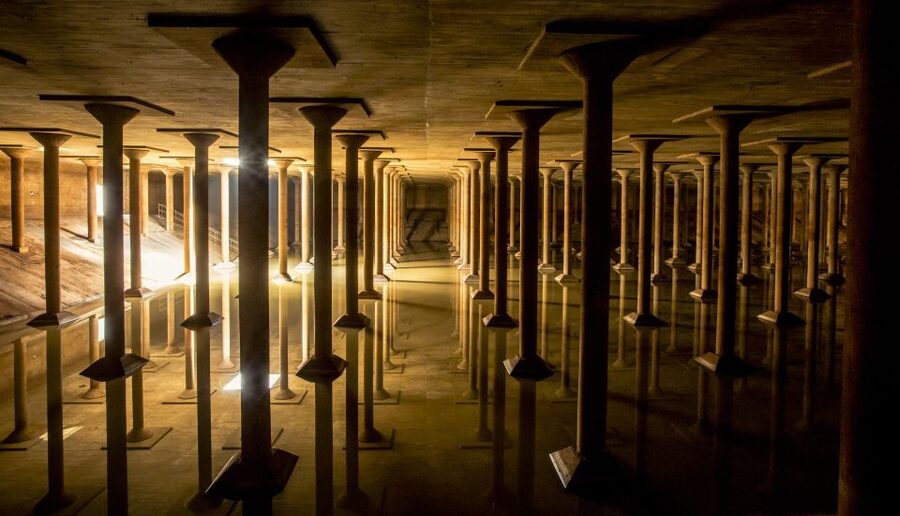
A lot of the tour’s magic comes from the guide’s delivery. Many experiences highlight expert-led storytelling and a guide who sings during the tour. Some guides create a song specifically for the setting, and the acoustics make that performance feel built-in rather than forced.
That said, not every guide’s pace lands equally for everyone in a reflective space. One common challenge is that the echo can make rapid speech harder to follow. If you’re in the group where you can’t catch the details, your best move is to stay closer to the guide and ask them to repeat key points.
I also recommend thinking of the tour like a conversation with a tricky acoustics problem. You don’t need every word. If you catch the main ideas—1926 reservoir purpose, cistern scale, column layout, echo behavior—you’ll walk away with a clear sense of why the place matters.
Price and Value: $15 for a 30-Minute Underground Architecture Hit
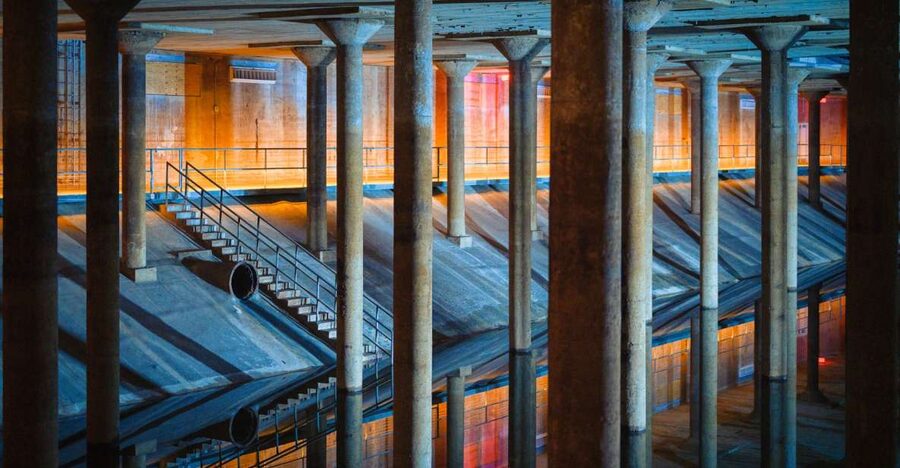
At $15 per person for about 30 minutes, this tour is priced in a way that makes sense for what you actually get. You’re paying for access to a very specific underground space plus a guide who can interpret it on the spot.
It’s not a long-day attraction with multiple ticketed add-ons. It’s a short, concentrated experience where the “product” is both visual and audio-based. Once you’ve heard the echo and understood the reservoir story, the value feels complete.
If you’re on a tight Houston schedule, this is the kind of activity that fits neatly. You can get a memorable architectural experience without losing half the day. For the cost, it’s a strong option—especially if you like places that feel slightly off the normal tourist track.
Rules That Affect Your Comfort (and What to Bring)
A few practical rules shape how the tour feels. Tripods aren’t allowed, and pets are not allowed (assistance dogs are allowed). Also, since the tour is underground, plan for a more enclosed setting.
In terms of what to bring, keep it simple: wear comfortable shoes for standing and walking, and use a phone for photos only if you’re not tempted to set up gear that isn’t permitted. If you’re sensitive to noise, remember you’ll hear echo and guide voice reflections, plus there may be singing during the experience.
Duration is usually offered in the morning and afternoon, so you’ll have choices depending on your day plan.
Who Should Book This Cistern Tour (and Who Might Skip It)
This tour is a great fit if you like history that you can see in physical form. It’s also ideal if you enjoy sound-based experiences—people who like watching architecture through how it behaves in the real world will enjoy this.
I’d put it high on the list for adults and older kids who can sit with short guided explanations. The tour isn’t suitable for children under 9, so if you’re traveling as a family with younger kids, check whether you’d rather do a different Buffalo Bayou Park option first.
If you’re the sort of traveler who likes quiet, slow museum wandering, you may still enjoy it, but treat it as a guided performance rather than a self-paced gallery. The space invites voice and interaction, even though it’s still a history tour.
Should You Book This Buffalo Bayou Park Cistern History Tour?
Yes, if you want a short, high-impact Houston experience that mixes architecture, history, and sound. The cistern is unusual, and the guide helps you make sense of the scale—1.5 football fields and 15 million gallons—so you don’t just marvel, you understand.
Skip it if you’re extremely sensitive to echo-heavy environments or you need a super-quiet, strictly informational experience with no singing or voice emphasis. Also, if you’re traveling with kids under 9, this one won’t be suitable.
If you’re deciding whether $15 is worth it, my take is simple: this is one of those rare tours where the space itself does part of the work for you. You’ll finish with a clear mental image and a physical memory of what your voice sounds like underground.
FAQ
How long is the Buffalo Bayou Park Cistern history tour?
The tour runs for about 30 minutes.
Where do I check in for the tour?
Check in inside the Buffalo Bayou Park Visitor Center next to the cistern entrance.
Is the tour wheelchair accessible?
Yes, it is wheelchair accessible.
Are kids allowed?
The tour isn’t suitable for children under 9 years old.
Are pets allowed during the tour?
Pets are not allowed, though assistance dogs are allowed.
Does the tour include a guide?
Yes. The tour includes an entrance and a live English-speaking guide.