REVIEW · RIO DE JANEIRO
Rio de Janeiro: Afrobrazilian Heritage & Black History Walk
Book on GetYourGuide →Operated by Rio Encantos Experiences · Bookable on GetYourGuide
Rio rewires your understanding of Black heritage. On this 150-minute walk, Valongo Wharf UNESCO makes the transatlantic slave trade impossible to ignore, and Pedra do Sal shows how culture survived and turned into something you can still feel today. I love how the guide connects the African descendants story across downtown Rio, and I love that candomblé and umbanda are explained as living traditions with African roots, not just old facts in a slideshow.
One thing to plan for: the topic is heavy, and the tour is outdoors rain or shine. Bring rain gear, wear comfy shoes, and pace yourself—some parts of the history are emotional, even with the best guide.
In This Review
- Key things you should notice on this walk
- Starting in Praça Mauá: where the walk gets real fast
- Valongo Wharf (UNESCO): the biggest slave market in the Atlantic, explained clearly
- Largo São Francisco da Prainha and downtown stops: names as clues
- Candomblé and Umbanda: religion as survival, not folklore
- Pedra do Sal: the samba story starts here, then keeps going
- Estúdio Kobra’s Etnias mural: history you can see
- How long it takes and how to prep for the walk
- Price and value: why $64 can make sense here
- Who should book this walk, and who might want something else
- Should you book Rio Encantos Experiences?
- FAQ
- Where does the tour meet?
- How long is the tour?
- What languages are offered?
- Is the tour wheelchair accessible?
- Does the tour include museum entrance fees?
- Will the tour run in bad weather?
Key things you should notice on this walk
- Valongo Wharf UNESCO: the place tied to the transatlantic slave trade, told in clear, human terms
- Pedra do Sal and Little Africa: where samba culture took shape and the tradition keeps going
- Candomblé, Umbanda, and syncretism: how African spiritual systems adapted under pressure
- African deities and nature spirits: orishas and related traditions described with their cosmology
- Prainha and Praça Mauá area: key downtown stops connected to African arrival and community life
- Estúdio Kobra’s Etnias mural: bold visual storytelling to meet the history with art
Starting in Praça Mauá: where the walk gets real fast
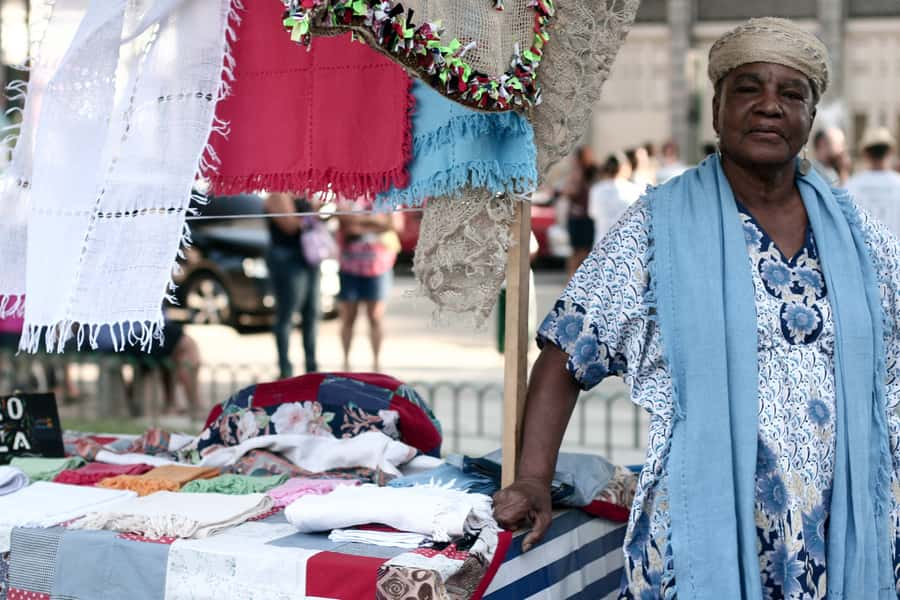
Most starts put you in the Praça Mauá area, meeting under the trees in front of the MAR Museum (Rio Art Museum). It’s a good “get your bearings” point because you’re right in the downtown flow, close enough to connect the city’s present to what happened here centuries ago. You’ll also have flexibility on where the day begins, with an option around Saúde for groups that start there.
Right away, you’re not doing the usual grab-a-photo, move-on rhythm. This walk is about using Rio’s streets as evidence: stone, names, walls, and neighborhoods that still hold memory. If you’re the type who likes context, you’ll appreciate how the guide frames each stop as part of one long chain—Portuguese trafficking, forced arrival, and the cultural legacies carried forward by African descendants.
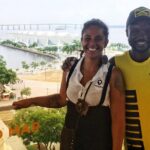
Also, guides are live and you can get help in English, Spanish, or Portuguese. In the past, guides such as Kelly have been praised for deep research and for bringing the story directly from Rio-based experience. Another guide name you might hear in the same spirit is Jaíse—praised for detailed historical knowledge and for making the history feel alive.
You can also read our reviews of more walking tours in Rio De Janeiro

Valongo Wharf (UNESCO): the biggest slave market in the Atlantic, explained clearly
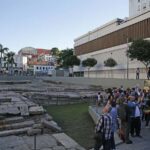
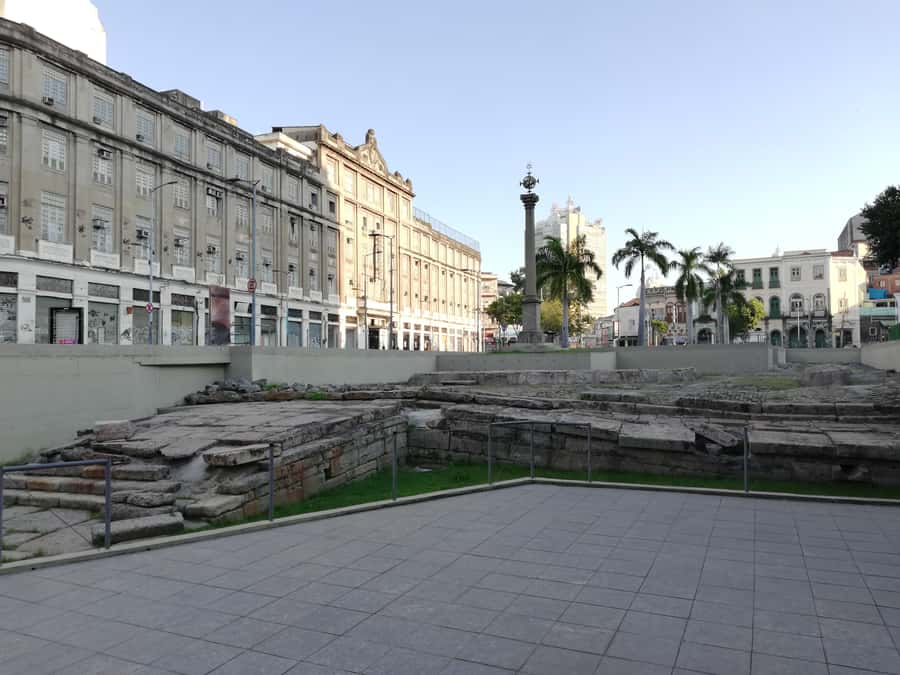
The centerpiece is the UNESCO World Heritage Site linked to the transatlantic slave trade: Cais do Valongo / Valongo Wharf. This isn’t a visit where you’re left to piece things together. The guide puts the Portuguese slave trade in a long timeline—over 380 years—and explains what “arrival” meant in practical, brutal terms.
You’ll learn how millions of Africans were brought to Rio and sold here, and how the market’s presence shaped the city. The tone matters. A good guide doesn’t turn suffering into a spectacle; instead, you leave with sharper understanding of how systems worked, and how communities formed afterward.
What I like about this stop: you get both scale and specificity. It’s not only numbers—it’s also the idea that this place wasn’t abstract. It was a working corridor between Atlantic routes and the lives that were changed forever.
Largo São Francisco da Prainha and downtown stops: names as clues
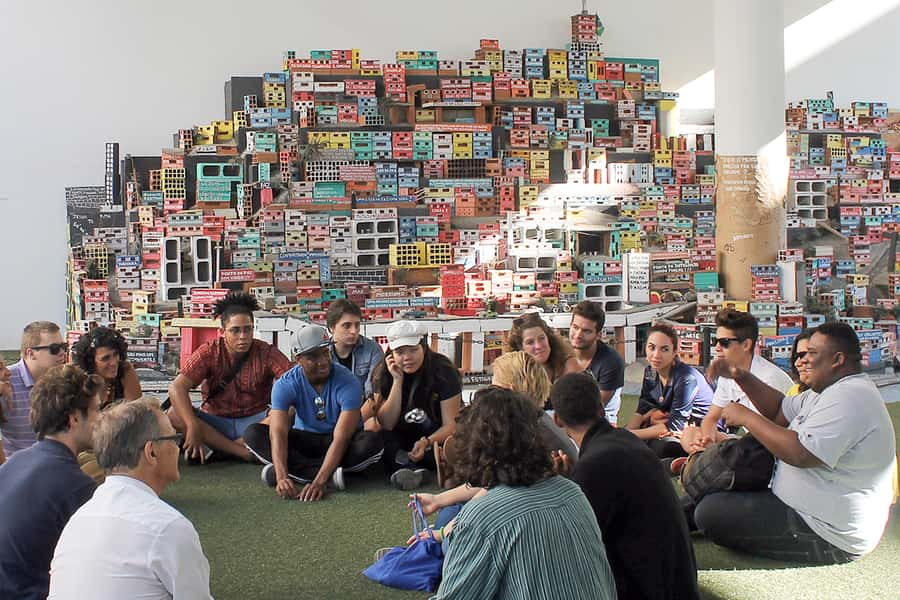
After Valongo, you keep moving through the downtown area to places that help explain how African descendants built community in the city. Stops can include Largo São Francisco da Prainha and Praça Mauá, both tied to the story of African arrival and later cultural life.
You’ll also see historically relevant landmarks around the same urban grid, so the city feels like a map you can read. The guide links Portuguese wrongdoing to how people adapted—socially, spiritually, and culturally—so the walk doesn’t end at the moment of sale. It continues into survival and creation.
This is where I recommend slowing down mentally. Look at the street-level details. In a place like Rio, the past doesn’t sit behind rope barriers. It’s embedded in street names, in what neighborhoods became known for, and in what the descendants of those arrivals kept, changed, and passed on.
Candomblé and Umbanda: religion as survival, not folklore
One of the most valuable parts of this experience is the explanation of afro-Brazilian religions—especially the origins of candomblé and umbanda. You learn about sincretism: how African spiritual systems blended with Christian traditions under extreme pressure. In other words, religion becomes both identity and strategy.
The guide also brings in specific cultural categories tied to African heritage, including the legacy of orishas/deities and related traditions such as nkisis and voduns. You’ll hear about Brazilian ancestral gods and goddesses of nature, and how the spiritual world connects to everyday life, not only ceremonies.
Why this matters for you: if you’ve ever wondered why Rio’s culture still uses spiritual language in music and street life, this is where the dots connect. The walk helps you see that samba and neighborhood gatherings aren’t only “entertainment.” They’re part of an ongoing cultural system that grew from African traditions and adapted in Brazil.
Pedra do Sal: the samba story starts here, then keeps going
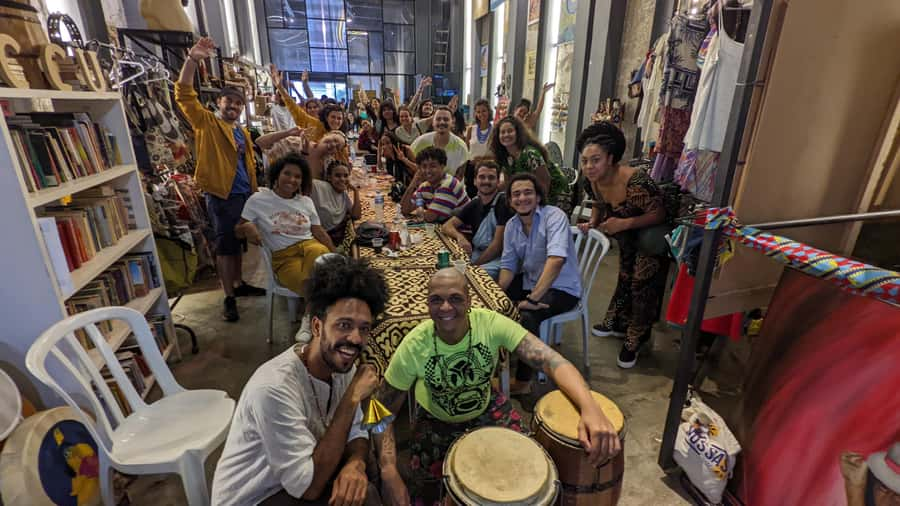
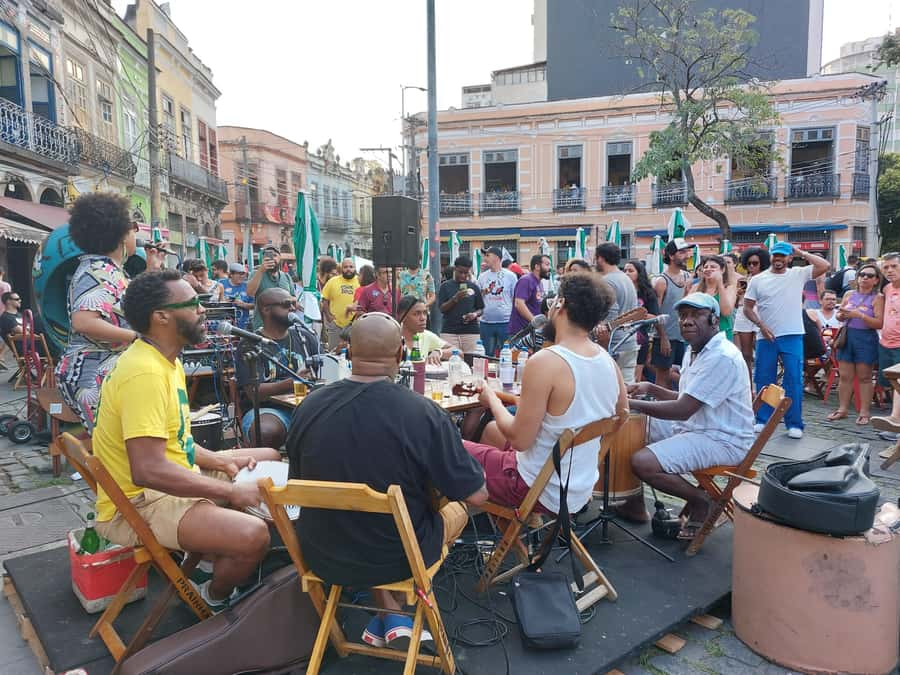
Then you reach Pedra do Sal—often described as the heart of Little Africa. This area is famous for being tied to the origins of samba culture. The guide explains how musicians met here to sing and dance, and why the neighborhood became a center of Afro-Brazilian community life.
Pedra do Sal is also linked to early Carnival traditions, including some of the first bloco parties and parades in the area. Even better: the tradition is not frozen in the past. The weekly rodas de sambas continue, so you’re not just learning about culture—you’re learning where it was born and how it survives.
Practical note: this is also where you’ll want to take a moment, breathe, and watch people move. Even if you don’t attend a full performance that day, the setting makes sense of what samba is: community rhythm with history underneath.
Food is not included, but this is the kind of stop where you’ll likely want a snack or cold drink nearby. The guide typically gives tips on local programming—music, art, museums, restaurants, and what’s happening in the local scene—so you can continue the cultural thread after the walk.
You can also read our reviews of more historical tours in Rio De Janeiro

Estúdio Kobra’s Etnias mural: history you can see
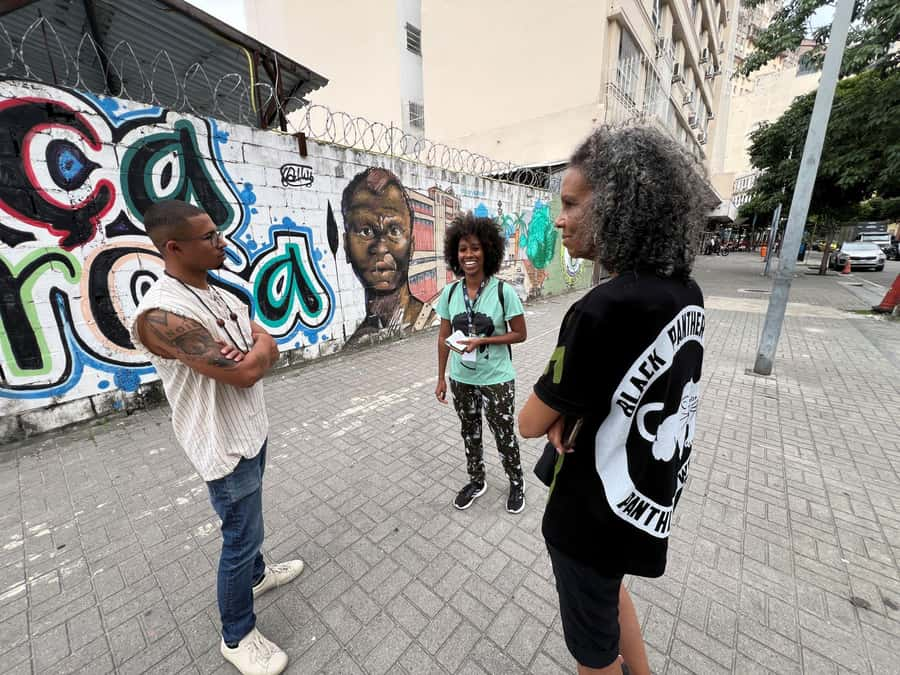
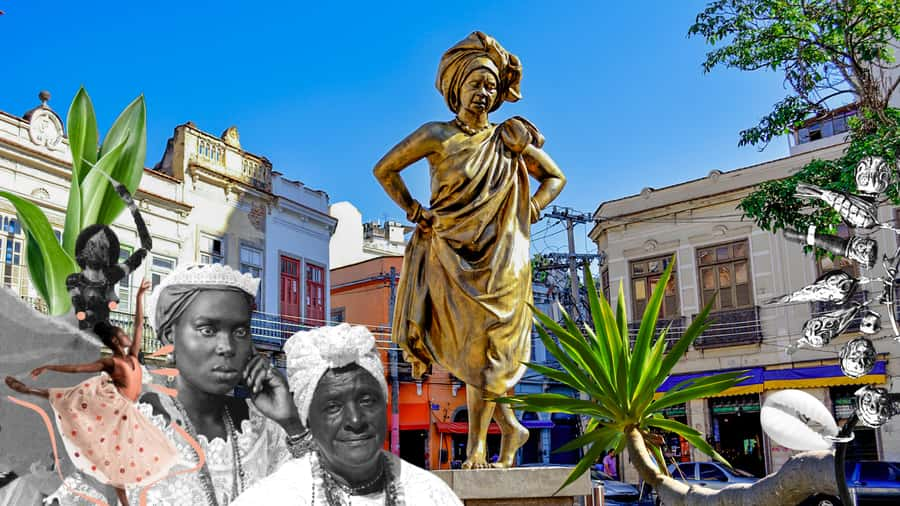
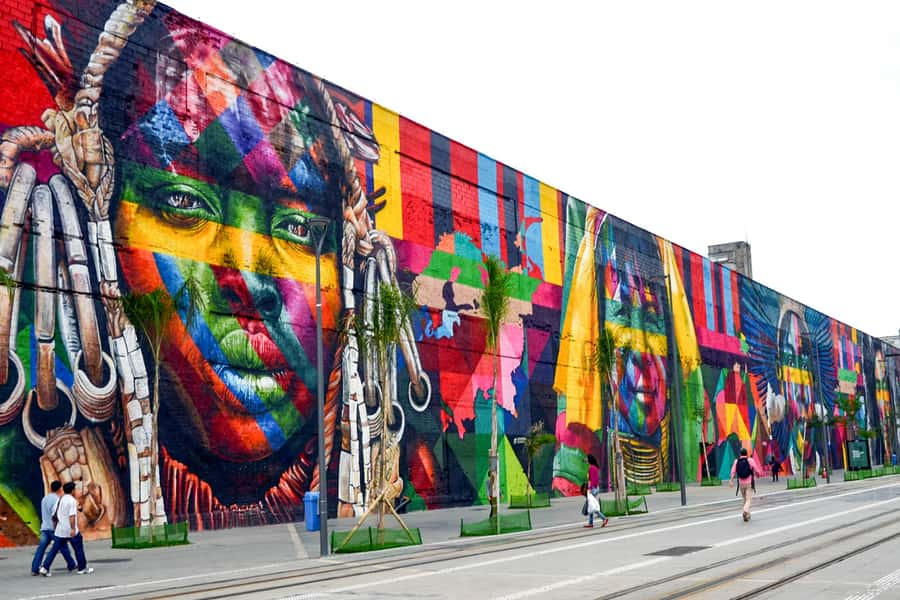
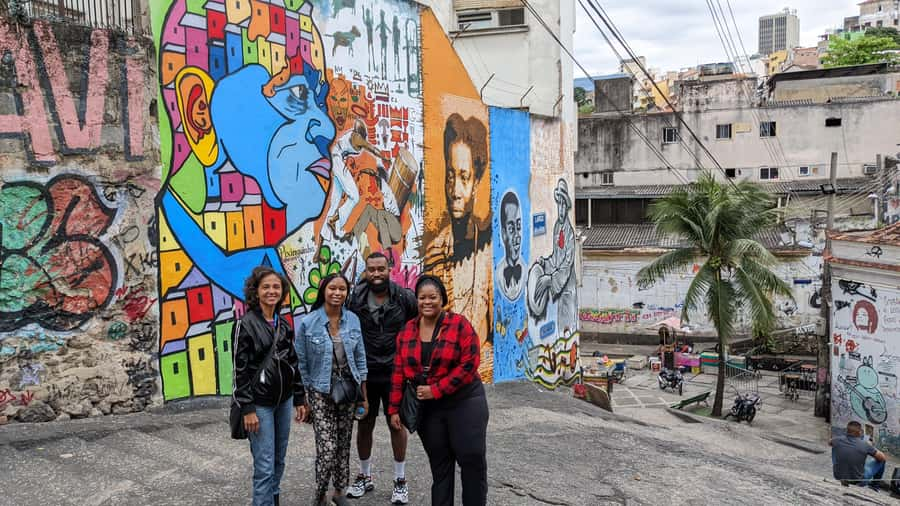
On the route, you may also pass by the Etnias mural by Estúdio Kobra, depending on where your group ends and the flow of the day. It’s a strong visual companion to the human story you’re hearing—art that works like a loud caption.
This matters because it helps your brain process what you’re learning. Heavy history tends to feel abstract until you connect it to images of people, identity, and memory. A mural like this does that work fast, without needing extra talking.
How long it takes and how to prep for the walk
The tour runs about 150 minutes—roughly 2.5 hours. It’s a walking heritage experience focused on downtown sites, so your comfort matters.
Here’s what to bring:
- a reusable water bottle
- comfortable clothes and shoes
- a hat
- rain gear (the tour runs rain or shine)
The route is wheelchair accessible, so it’s designed to accommodate mobility needs. You also avoid getting stuck waiting on complicated transfers because walking is the main plan. Transfers aren’t included, so you’ll want to factor in how you’ll get to the meeting area in Praça Mauá.
If you’re traveling with medical documents or a travel insurance reference number, keep that information handy. It’s not required, but it’s smart for outdoor activities—especially when weather changes quickly.
One more rule: pets aren’t allowed (assistance dogs are allowed). Plan accordingly if you’re traveling with an animal service companion.
Price and value: why $64 can make sense here
At $64 per person for 150 minutes, you’re paying for more than “guided walking.” You’re paying for interpretation—someone who can connect Valongo’s UNESCO significance, Little Africa’s cultural birthplaces, and afro-Brazilian religious traditions like candomblé and umbanda into one coherent story.
This is the kind of tour where the guide matters a lot. The strongest praise in the guide experience centers on passion, extensive research, and the sense that the story is told from real Rio context by guides from the background being discussed. When that’s true, you get more than facts—you get understanding.
If you’re the type who likes to see culture and history as living systems, not only as sites, the value gets clearer. If you want only quick photo stops with minimal context, you might find the pacing a bit thoughtful—and the subject matter weighty.
Who should book this walk, and who might want something else
This tour is a great fit if you:
- want Black history in Rio tied to real sites you can walk to
- care about how African heritage shaped Brazilian religion, music, and community
- like guided context instead of self-guiding through a bunch of landmarks
It might feel less ideal if you:
- prefer lighter, purely entertainment-focused experiences
- don’t want an emotional historical narrative on foot
Should you book Rio Encantos Experiences?
I think you should book this walk if you want Rio that hits beneath the surface. Valongo Wharf gives you the gravity. Pedra do Sal gives you the continuity. And the religion-and-music sections help you understand why the cultural legacies are still present today.
It’s also a smart choice if you’re only in Rio for a short window. Two and a half hours is long enough to get meaning from the route, and short enough to still build the rest of your day around music, art, and neighborhoods.
FAQ
Where does the tour meet?
Meet under the trees in front of the MAR Museum (Rio Art Museum), at Praça Mauá.
How long is the tour?
The experience lasts about 150 minutes.
What languages are offered?
The live guide speaks English, Spanish, and Portuguese.
Is the tour wheelchair accessible?
Yes, the tour is wheelchair accessible.
Does the tour include museum entrance fees?
Museum entrance fees are not included, including entrance to the Museum of Tomorrow and Rio Art Museum.
Will the tour run in bad weather?
Yes. The tour takes place rain or shine, so bring rain gear and comfortable clothes.
If you tell me your travel dates and whether you prefer the Praça Mauá start or the Saúde start option, I can help you plan what to do before and after the walk so the day flows well.