REVIEW · NEW ORLEANS
New Orleans African American Heritage Walking Tour
Book on Viator →Operated by Universal Tour Group USA · Bookable on Viator
A good tour makes a neighborhood feel personal. This one connects Congo Square and the French Quarter to the African American story from early New Orleans to the traditions still seen in music, food, and faith. I like how it’s factual and specific, not just general vibes, and I also like that it’s short enough to fit right into your afternoon plans.
Two big things I’m drawn to: the chance to start at the place that mattered—Armstrong Park / Congo Square—and the way the walk links that past to everyday things you can still spot in the French Quarter, like Creole architecture and traditions tied to voodoo and dance. One thing to think about: the subject matter is heavy, and the only “break” is the end of the walk, so plan to keep your emotional energy steady for about two hours.
In This Review
- Key Highlights You Should Expect
- Why Congo Square and Armstrong Park Set the Tone
- Price and Time: What You’re Actually Paying For
- Meet-Up at 401 Decatur St: Easy Start, Smart Planning
- Stop 1: Congo Square’s Gatherings and the Meaning of Community
- Stop 2 in the French Quarter: Voodoo, Jazz, Creole Food, and Architecture
- The Bigger Story: Forced Arrival, Survival, and Lasting Influence
- Guide Energy Matters: Keynin, Mika, and Keenan
- How Long Two Hours Feels on Your Feet
- What to Do About Food and Drinks
- A Quick Note on Tips and Guide Comfort Levels
- Who This Tour Suits Best
- Should You Book It?
- FAQ
- How long is the New Orleans African American Heritage Walking Tour?
- What time does the tour start?
- Where does the tour begin?
- Where does the tour end?
- How much does it cost?
- Is a guide included?
- Are food and drinks included?
- What ticket do I need?
- Is it accessible for most travelers?
- How big is the group?
- Is there free cancellation?
Key Highlights You Should Expect
- Congo Square at Armstrong Park: where enslaved people gathered to trade, play music, dance, and socialize
- A clearly guided timeline: forced arrival beginning in 1719, then major groups in the 1720s and 1780s
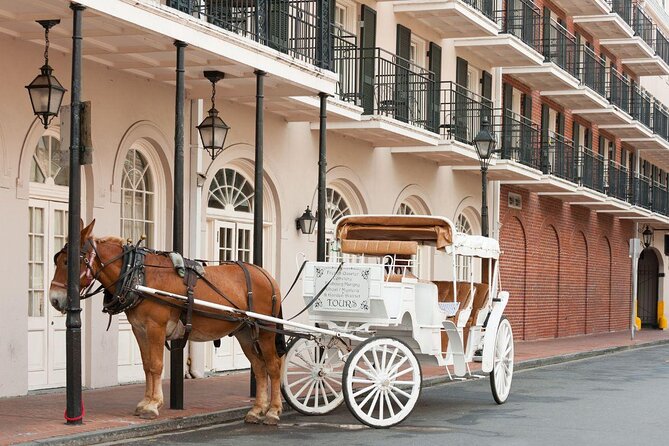
- French Quarter connections you can see: voodoo traditions, jazz music, Creole food, and architecture
- Small enough to ask questions: capped at 30 travelers with a live guide
- Mobile ticket for an easy start: you don’t need to hunt for paper tickets
Why Congo Square and Armstrong Park Set the Tone
If you care about history that shows up in real streets, start here. Congo Square, now part of Armstrong Park, sits on the edge of the French Quarter in Faubourg Treme—and it’s not just a pretty landmark. It’s tied to community life: hundreds of African enslaved people and laborers gathered there to trade goods, make music, dance, and socialize.
What makes this stop hit is the contrast. New Orleans was forming fast, but the people in this story were not free to come and go. The tour’s big thread begins with arrivals in 1719, within a year of the city being established, after people were forcibly removed from Senegambia. That context gives Congo Square more weight than the usual “festival history” approach.
You can also read our reviews of more walking tours in New Orleans

Price and Time: What You’re Actually Paying For
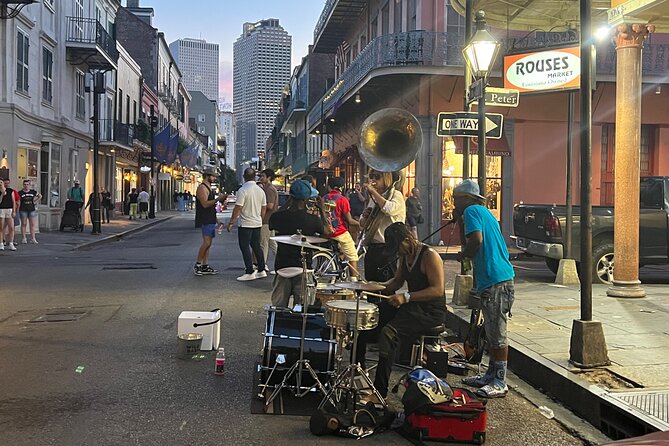
At $29 per person for about 2 hours, this is good value if you want meaning fast. You’re paying mainly for a live guide to connect dates, places, and culture—especially since the guide is the main included item and you don’t have to add a museum entry fee. The structure is simple: two focused stops, then you’re back at the starting point.
Also, check your timing. The start is 4:00 pm, which usually works well because you’ll be walking in daylight and still have time afterward for dinner, music, or a slower walk back through the Quarter. You’ll be on your feet, so wear comfortable shoes; the tour stays to a walk-and-talk pace rather than long sit-down breaks.
Meet-Up at 401 Decatur St: Easy Start, Smart Planning
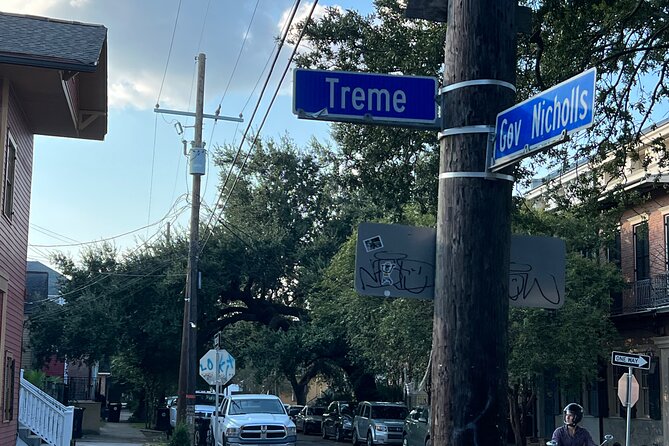
Your meeting point is 401 Decatur St, New Orleans, LA 70130, and the tour ends back there. That round-trip format is a real plus in New Orleans, where it’s easy to accidentally spend half your day crisscrossing the map. It also means you can plan a nearby meal afterward without stress.
This tour runs in the area with public transportation nearby, which helps if you’re staying outside the immediate Quarter. If you’re trying to pair it with other activities, think of it like a “history anchor”: do this first, then build your evening from there using what you learned.
Stop 1: Congo Square’s Gatherings and the Meaning of Community
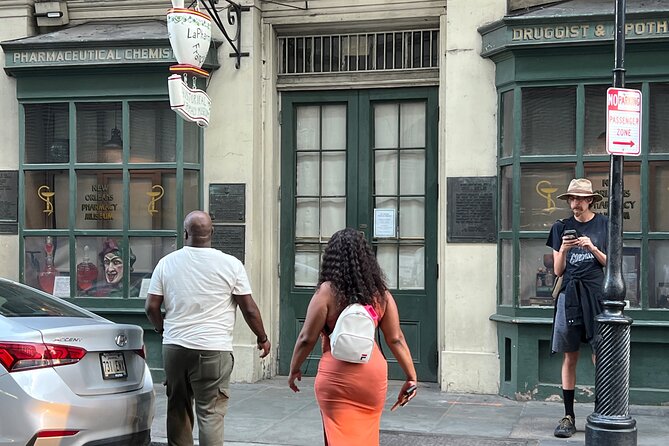
The first stop is Congo Square, part of Armstrong Park. Here’s what you’re really looking for: not only the physical space, but the way the tour frames what happened there. The guide explains how enslaved Africans and laborers gathered to exchange goods and, crucially, to keep cultural life alive through music and dance.
This is where the tour’s timeline becomes practical. It describes early arrivals beginning in 1719, then survival stories during the 1720s when about 5,000 Africans made it to French Louisiana after the Middle Passage. Later, in the 1780s, another similarly sized group arrived brought by the Spanish from Benin and Congo. These are not just numbers; they set up why African culture could persist in New Orleans even under brutal conditions.
A detail that adds punch: the tour emphasizes how enslaved Africans helped build the city—clearing forest, raising crops, and building infrastructure. That’s the kind of context that turns “history” into something you can understand as labor, risk, and daily life, not just dates on a page.
What you’ll like here: the guide ties the space to human routines—trading, dancing, socializing—so Congo Square feels like a living community site, not a distant monument.
Possible drawback: this stop can feel emotionally intense. If you need to pace yourself, take a minute when the story shifts from survival to cultural persistence.
Stop 2 in the French Quarter: Voodoo, Jazz, Creole Food, and Architecture
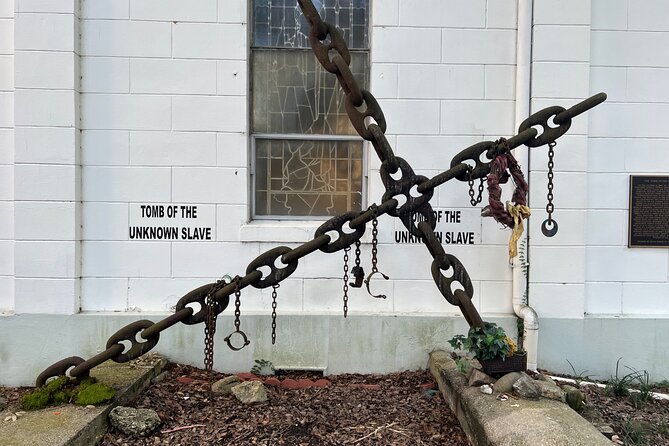
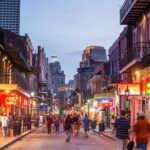
After Congo Square, the walk moves into the French Quarter with the theme of African American culture and history. You won’t just be passing storefronts. You’ll be learning how traditions developed and how African influence shows up across everyday New Orleans life.
The tour specifically calls out several areas you can connect as you walk:
- Voodoo traditions (as part of cultural and religious practice)
- Dance and how movement carried meaning
- Jazz music and the roots behind the sound
- Creole food and why flavors and methods matter
- Architecture and how the built environment reflects layered histories
That last point—architecture—can be a pleasant surprise. The French Quarter is often treated like a postcard. This tour pushes you to look past the postcard view. You start noticing that buildings and streets aren’t neutral; they’re shaped by labor, culture, and the people who built and lived in the city.
And the tour’s guiding idea is plain: African culture persisted, influencing food, music, religion, and architecture. That’s a strong frame for sightseeing, because it turns the whole Quarter into a readable map of influence rather than a collection of stops.
One practical note: since the second part is about walking through the Quarter, keep your phone charged. You may want to reference what you heard when you’re deciding where to eat or where to listen to music later.
You can also read our reviews of more historical tours in New Orleans
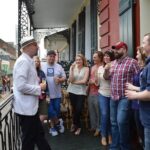




The Bigger Story: Forced Arrival, Survival, and Lasting Influence
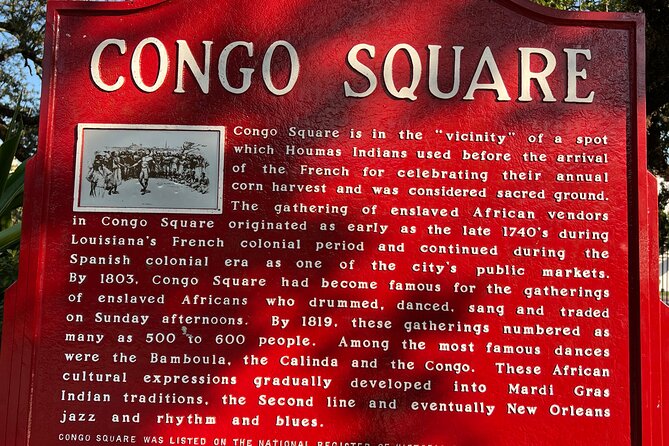
What makes this tour more than a two-stop walk is how it connects the early forced arrival to later cultural persistence. The story starts in 1719 with people from Senegambia being removed and brought into French Louisiana. Then it highlights survival during the 1720s, when roughly 5,000 Africans survived the Middle Passage into the colony. It continues with another wave in the 1780s tied to Spanish transport from Benin and Congo.
From there, the tour shifts to what you can see and taste now. Enslaved Africans cleared land, raised crops, and helped build city infrastructure, meaning their work shaped what New Orleans became. Then, despite enslavement and repression, African cultural traditions survived and adapted. That’s why the tour talks about how you’ll recognize African influence in food, music, religion, and architecture.
This is valuable for you as a visitor because it stops you from treating New Orleans culture as “mystery sauce.” You leave with a clearer chain of cause and effect: where people came from, what they endured, and how culture carried forward.
Guide Energy Matters: Keynin, Mika, and Keenan
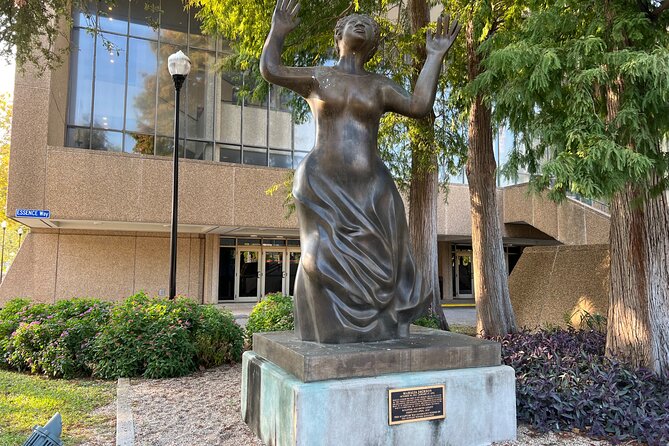
The reviews strongly emphasize guide quality, and names come up again and again. Keynin is described as a New Orleans native with deep passion and strong context, including one tour experience where the guide left people with a more nuanced understanding of the city’s origins and the lives of ancestors. Mika is praised for balancing serious history with conversation and a friendly pace. Keenan is also mentioned as experienced and highly responsive to questions.
So here’s how you can get the best out of your guide, regardless of which one you meet: come with one question you genuinely want answered—something about how a tradition formed, or why a place like Congo Square mattered beyond the surface story. If you ask early, you’ll often steer the walk toward your interests.
Also, if you like a more human, community-rooted approach, pay attention to how your guide explains the neighborhood around you. A strong guide doesn’t just list facts. They point out what to notice and how to connect it to the larger history.
How Long Two Hours Feels on Your Feet
It’s listed as about 2 hours, but walking tours feel different depending on your pace and the group. With a maximum of 30 travelers, you can usually expect to stay together without too much crowding. Still, this is a street walk with stop-and-explain moments, so plan for steady standing time.
Most people can participate, and service animals are allowed. If you’re traveling with mobility needs, the best move is to take the route seriously: choose comfortable shoes, and be ready to pause if you need it. One review mentions a wheelchair rental for a family member, which suggests this can be flexible if you arrange the right support in advance.
What to Do About Food and Drinks
Food and drink aren’t included, so I treat this as a pre-dinner history mission. Since you’re out in the French Quarter, it’s smart to plan for a meal right after the tour, when the cultural context is fresh and you can order with better instincts.
You’ll likely be hearing about Creole food, so you may catch yourself wanting to try something right away. That’s a good instinct. Use the walk to learn what to look for on menus, then let dinner be the payoff.
A Quick Note on Tips and Guide Comfort Levels
The guide is included, but tips are not. That’s normal. Still, one past comment complained about feeling pressured around tipping. I can’t generalize that to every tour guide, but I’d say this: keep your tip comfort level simple and clear. If a guide ever makes you feel cornered, remember you still get to decide what you pay.
If you’re the type who prefers a calm, no-pressure experience, you’ll do better arriving with a plan—what you’ll tip, if anything—and sticking to it.
Who This Tour Suits Best
This is an excellent choice if you want a grounded, place-based way to understand African American heritage in New Orleans. It’s especially good for:
- First-timers who want more than the usual French Quarter highlights
- People who care about culture showing up in food, music, religion, and architecture
- Visitors who like guides who answer questions and explain context
- Anyone looking for a short tour that fits neatly into an afternoon-to-evening schedule
It may be less ideal if you want a light, mostly entertainment-style walk. This one is designed to carry history. Even when it includes dance and music topics, it does so with the seriousness of the story behind them.
Should You Book It?
I think you should book this walking tour if you want your French Quarter visit to mean more. For $29, you get a focused 2-hour guided experience anchored at Congo Square and connected to the traditions you’ll keep noticing long after the walk. The historical framing—starting with early arrival in 1719, the Middle Passage survival in the 1720s, and additional arrivals in the 1780s—gives the sights context that’s hard to recreate on your own.
Book it if you’re ready for something reflective, and if you like walking through streets with a narrative in your head. Skip it only if you want a carefree tour with minimal emotional weight or you don’t feel steady walking through the Quarter’s streets for roughly two hours.
FAQ
How long is the New Orleans African American Heritage Walking Tour?
It runs for about 2 hours.
What time does the tour start?
The start time is 4:00 pm.
Where does the tour begin?
It begins at 401 Decatur St, New Orleans, LA 70130.
Where does the tour end?
The tour ends back at the meeting point.
How much does it cost?
The price is $29.00 per person.
Is a guide included?
Yes, a tour guide is included.
Are food and drinks included?
No, food and drink are not included.
What ticket do I need?
You’ll use a mobile ticket. Admission ticket details for the stops are listed as ticket free at the locations described.
Is it accessible for most travelers?
Most travelers can participate, and service animals are allowed.
How big is the group?
The tour has a maximum of 30 travelers.
Is there free cancellation?
Yes. You can cancel up to 24 hours in advance for a full refund.