REVIEW · KONYA
Kilistra Ancient Site
Book on Viator →Operated by Selene Travel · Bookable on Viator
One ruin can feel like another. Kilistra feels different because it was carved into the rock. You get a private, half-day outing from Konya that mixes archaeology, local interpretation, and a good lunch plan.
I really like two things about this tour: the chance to explore Kilistra with a professional guide (in the reviews, Fatima gets specific praise), and the “no-fuss” logistics—round-trip transport plus hotel pickup. The site itself is also special because its rock-cut houses connect Kilistra to the wider Anatolian story, including Byzantine rock settlements.
The one thing to consider is the walking. Kilistra is a real ancient settlement, so you’ll want moderate fitness and comfortable shoes for uneven ground and stone surfaces.
In This Review
- Key things that make Kilistra worth your time
- Kilistra’s rock-carved houses: what you’ll actually feel on site
- Getting from Konya to Kilistra without burning a day
- What happens during the Kilistra visit (and why it’s only 2 hours)
- The biblical layer: St. Paul and the King’s Road connection
- Lunch with local flavor: why this stop is part of the experience, not an add-on
- Private tour value: why the guide makes or breaks it
- Price and what you’re really paying for
- Practical expectations: timing, effort, and what to bring
- Who this tour suits best (and who should skip it)
- Should you book this private Kilistra tour?
- FAQ
- How long is the Kilistra tour?
- Where does the tour start?
- What does the tour cost?
- Is lunch included?
- Is admission included?
- Is this tour private?
- What should I know about tips?
- What is the cancellation policy?
- What are the operating hours?
Key things that make Kilistra worth your time
- Hotel pickup in Konya means you lose less time to figuring out transport
- Free admission at the site keeps the price honest
- A guided visit helps you understand what you’re looking at, not just what it’s called
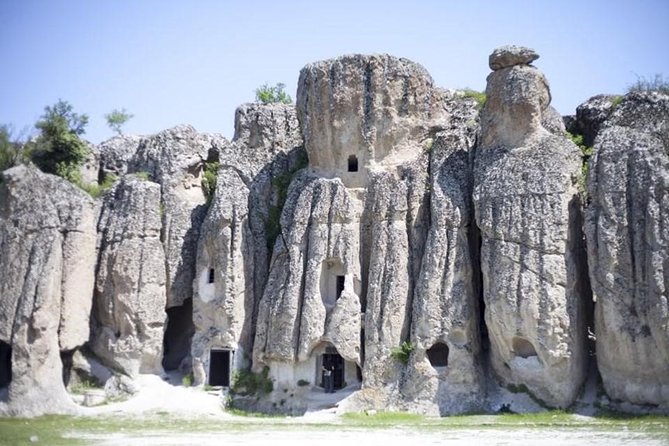
- Rock-carved homes show how people actually lived in different eras
- Local lunch included so you don’t have to plan food mid-excursion
- Private format keeps the pace flexible for your group
Kilistra’s rock-carved houses: what you’ll actually feel on site
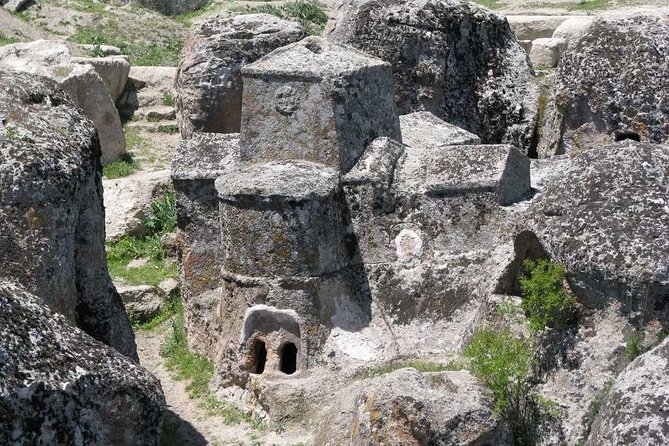
Kilistra is the kind of place where you stop, look again, and then start noticing details. This settlement isn’t just “ruins on the ground.” It’s known for rock-carved homes, which means the landscape and the architecture are part of the same idea. The shape of doorways, the way spaces were carved for daily life, and the surviving rock surfaces all make the place feel lived-in, even when it’s quiet.
Archaeological work suggests Kilistra began in Hellenistic and Roman times (roughly the 2nd century BC through the 3rd century AD). Later, during the Byzantine period (around the 8th century through the 13th century), it’s also believed to have a rock-carved settlement with a look similar to what people associate with Cappadocia. That layering matters. You aren’t seeing one era frozen in place. You’re seeing how the same general spot kept getting used, adapted, and reinterpreted over centuries.
One more reason it’s compelling: Kilistra sits in a travel network, not a dead-end. It’s described as one of the Anatolian cities on the famous King’s Road, between Ikonion (Konya) and Psidia Antiocheia (Yalvaç). When a site sits on a route, you tend to get stories, cultural mixing, and “why here?” questions. Kilistra gives you those questions in real space.
Getting from Konya to Kilistra without burning a day
This is a half-day tour, and the schedule is built around keeping it workable. Kilistra is about 50 km from Konya, so you’re not doing an all-day bus slog. Instead, you travel by air-conditioned vehicle and get your time back.
Because it’s private, you also don’t have to worry about being stuck with a group that moves too fast or too slow for your comfort. You can ask questions as you go, and a good guide can pace the visit so you get the main points without feeling rushed.
Two small details matter more than they seem. First, hotel pickup means you don’t waste time hunting down the right meeting point. Second, you’re getting a mobile ticket, which can make arrival smoother at the site.
You’ll be on-site long enough to take it in, but not so long that you feel cooked by the end. The plan includes about two hours at Kilistra, and then you shift to lunch before heading back.
What happens during the Kilistra visit (and why it’s only 2 hours)
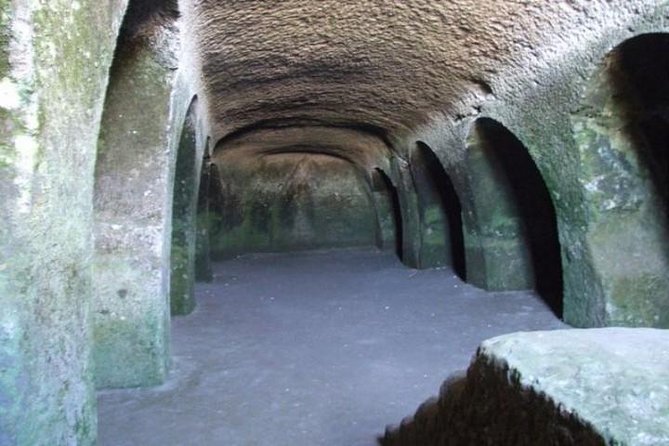
Stop 1 is Kilistra, and the time on site is about two hours. That’s a smart choice for a place like this. You don’t need a whole day to understand what Kilistra is doing architecturally and historically. You just need enough time to look carefully and connect the pieces.
Here’s what that time can look like, in plain terms. You’ll orient yourself first, then focus on the rock-cut features that define the settlement. Carved spaces are usually where guides spend the most time, because that’s where interpretation turns from guesswork into understanding. A good guiding moment can also help you see how the settlement fits the time periods mentioned for Kilistra—Hellenistic/Roman foundations, then Byzantine occupation and rock-carving reuse.
You’ll also get the “route” context, because Kilistra isn’t just an archaeological curiosity. It’s tied to a major overland corridor. Being between Ikonion (Konya) and Psidia Antiocheia (Yalvaç) is one reason the area shows up in older records and travel stories.
The visit includes an admission ticket that’s listed as free in the itinerary details. That means you can budget for the tour cost and lunch, rather than worrying about surprise site fees.
The biblical layer: St. Paul and the King’s Road connection
Kilistra’s story has an additional thread beyond architecture: a biblical association. The site is tied to St. Paulos (Paulos), whose name is mentioned in the Bible. It’s believed that he stopped and lived here for a while during his journey. Whether you approach the story as history, faith, or both, this link changes how you read the place.
In a practical sense, it gives your guide a chance to connect the route logic to the timeline. If you accept that travel corridors were how messages and people moved, then a place on the King’s Road becomes more than a dot on a map. It becomes a plausible stop along a working route.
For me, the best way to use this part of the visit is to ask your guide what they think the biblical connection is based on and how confidently it can be said. The tour description frames it as a belief that he stopped and lived here. That wording matters. It invites curiosity without pretending certainty.
Lunch with local flavor: why this stop is part of the experience, not an add-on
You don’t just rush from the ancient site to the next thing. Lunch is included, and that’s a real quality-of-day decision.
In Turkey, an included meal can go two ways: it’s either generic and forgettable, or it acts like a small bridge into local routines. With this tour, the plan is straightforward: after Kilistra, you get a hearty Turkish lunch before returning to Konya. That pacing helps you avoid the trap of feeling hungry mid-exploration and then rushing the site because you’re waiting for food.
Because lunch is in the package, you also get a little peace of mind about timing. When you’re only gone about 4 to 5 hours total, meal planning can otherwise eat into your calm.
If you’re someone who likes to taste what the region does well, the best approach is simple: ask the guide what to order that day. The tour doesn’t specify dishes, so you’ll need to go with what’s offered, but your guide can usually steer you toward something that fits the meal style.
Private tour value: why the guide makes or breaks it
The private format isn’t just a comfort perk. Here, it directly affects how much you get out of Kilistra.
The strongest praise in the reviews centers on the guide. One named guide stands out: Fatima. Her English is described as excellent, and she’s praised as friendly and extremely well-informed about both the site and local culture. That combination matters because Kilistra is the kind of place where names and dates can feel abstract until someone connects them to what you’re seeing.
A guide also helps you handle the reality that rock-carved sites can look confusing at first glance. With a good explanation, you start noticing practical patterns—how spaces were shaped for use, how the settlement’s occupation across eras might change what you observe, and how the King’s Road connection fits the broader regional map.
This tour also includes professional guiding and all fees and taxes. That’s another value lever. When a tour price covers guiding and site logistics, you can focus on the experience instead of counting extras.
Price and what you’re really paying for
At $120 per person, this tour falls into the “mid-range private” category, mainly because you’re getting hotel pickup, round-trip transport, guiding, and lunch—not just a driver and a quick stop.
Here’s how the math starts to feel reasonable:
- It’s about 4 to 5 hours, not a full day, so the cost is concentrated
- Transport is provided from Konya and back
- Lunch is included, which can otherwise add up quickly
- Admission at the site is listed as free in the itinerary details
- You’re not sharing the experience with strangers in a group context; it’s private
If you compare that to trying to do this on your own, the hidden cost is time and mental effort: coordinating transportation for a 50 km route, timing your visit, and figuring out interpretation once you arrive. Kilistra doesn’t look like the kind of place where a quick glance gives the full story. You’ll benefit from someone explaining it.
So yes, it costs money. But you’re paying for a guided, all-in half-day plan where the logistics are handled for you.
Practical expectations: timing, effort, and what to bring
The tour runs as a half-day private experience, approximately 4 to 5 hours. You’re offered opening hours that span two blocks each day (with the general window running from the morning into the afternoon and early evening). For a practical visit, treat this as a daytime outing built for relaxed exploration.
In terms of effort, plan for moderate physical fitness. Rock-carved sites usually come with uneven surfaces, changes in elevation, and steps or narrow passageways. Even if the walk isn’t long, you’ll want steady footing.
Bring the basics:
- Comfortable walking shoes with grip
- Water, especially if you’re going in warm weather
- Sun protection, because stone sites can have limited shade
The good news is that the structure of the tour protects your energy. Two hours on site is enough time to get value without turning it into a long hike.
Who this tour suits best (and who should skip it)
This private Kilistra tour is a strong fit if you want:
- A guided visit where someone can translate the site into understandable context
- A half-day plan from Konya that doesn’t hijack your whole itinerary
- An included meal, so the day stays smooth
It’s also ideal if you’re traveling with a friend or small group and you like being able to ask questions without waiting your turn.
You might think twice if you:
- Prefer self-guided history trips where you set your own pace entirely
- Want to spend a full day at one major site (this one is intentionally shorter)
Should you book this private Kilistra tour?
If you’re in Konya and you want a standout ancient stop that doesn’t feel like another standard “big ruins” day, I’d book it. The combination of private guiding, hotel pickup, lunch included, and free site admission makes it easier to justify the price. Plus, the praised guidance from Fatima (excellent English and strong site knowledge) is exactly what you want at a rock-carved settlement, where the details matter.
My one caution is to be honest about your comfort with uneven stone. If you can handle that, you’ll likely come away feeling like Kilistra is more than a name on a map.
FAQ
How long is the Kilistra tour?
It lasts about 4 to 5 hours total, with approximately 2 hours at Kilistra.
Where does the tour start?
Pickup is offered from your hotel in Konya, followed by round-trip transportation.
What does the tour cost?
The price is $120.00 per person.
Is lunch included?
Yes. Lunch is included in the tour.
Is admission included?
Admission is listed as free in the itinerary details for the Kilistra stop.
Is this tour private?
Yes. It’s a private tour/activity, and only your group will participate.
What should I know about tips?
Tips for the guide and driver are not included.
What is the cancellation policy?
Free cancellation is available up to 24 hours in advance for a full refund.
What are the operating hours?
The experience shows general availability from 9:00 AM to 1:00 PM and 1:30 PM to 7:30 PM (Monday through Sunday) within the listed date range.