REVIEW · ST JULIAN S
Valletta Street Food & History Tour With Private Transfers
Book on GetYourGuide →Operated by Robert Arrigo & Sons Limited · Bookable on GetYourGuide
Three bites, then a history lesson. This Valletta walking tour pairs street food with major landmarks, so you walk the city and taste how Maltese life actually tastes. I especially like the straightforward mix of food stops (pastizzi and more) and the way the guide ties it to places like Republic Street and Castille Square. I also like that the tour includes private transfers, so you spend less time juggling logistics and more time in Valletta.
One big consideration: this is traditional food, and the operator says they can’t handle special diets, intolerances, or allergies. Also, because Valletta has restricted car access, your vehicle may drop you outside the main entrance near The Phoenicia Hotel rather than right at the gate.
You’ll be out for about 189 minutes with a live English guide, and the pacing is friendly enough for people who need a slower walk, as long as you wear comfortable shoes and plan for some steps and cobblestones.
In This Review
- Key things to know before you go
- Valletta food and history: how the flavor makes the city make sense
- Price and what you’re really paying for
- Getting to the meeting point: the Phoenicia Hotel drop-off trick
- Republic Street to Castille Square: walking the city’s power lines
- Merchants Street and side streets: where the food talk turns practical
- Pastizzi and the rest: the tastings that teach you what to order
- Upper Barrakka Gardens and the old market: a good break in the route
- Private transfers: why they matter more than you’d think
- Pace, walking shoes, and who this tour fits best
- Possible downsides: setting expectations about how the food experience is presented
- Should you book Valletta Street Food & History Tour with Private Transfers?
- FAQ
- How long is the Valletta Street Food and History Tour?
- Does the tour include private transfers from my accommodation?
- Where do I meet the guide in Valletta?
- Where will the taxi drop me if cars can’t access the city gate?
- What food and drinks are included?
- Can the tour accommodate allergies or special diets?
Key things to know before you go

- Private roundtrip transfers: pick-up from your accommodation, no other stops for other guests, then return from Valletta on your preferred timing.
- Food that leads the walk: expect classic Maltese bites like pastizzi, plus other antipasti, sweets, and drinks along the route.
- Landmarks you’ll actually remember: Republic Street, Castille Square, Merchants Street, and Upper Barrakka Gardens are built into the route.
- A guide who connects facts to street corners: you’ll get stories and context you’d miss if you only used maps.
- Red umbrella meeting point: plan to meet in front of the New Parliament Building, and keep an eye out for the guide’s red umbrella.
- Not for most dietary needs: vegans, vegetarians, and people with gluten/lactose or nut allergies are not suitable.
Valletta food and history: how the flavor makes the city make sense

Valletta can feel like a museum if you only look at buildings. This tour works because it treats food traditions like part of the architecture. You’re not just learning dates and names. You’re learning how people lived—through what they cooked, what they bought, and what they ordered when they wanted something filling and affordable.
The food focus matters in a very practical way. Street food gives you rhythm. One stop is a flavor hit. Then you move a few blocks and the guide points out what you’re walking past. That’s why landmarks like Republic Street and Merchants Street land better than they would on a “look and go” tour.
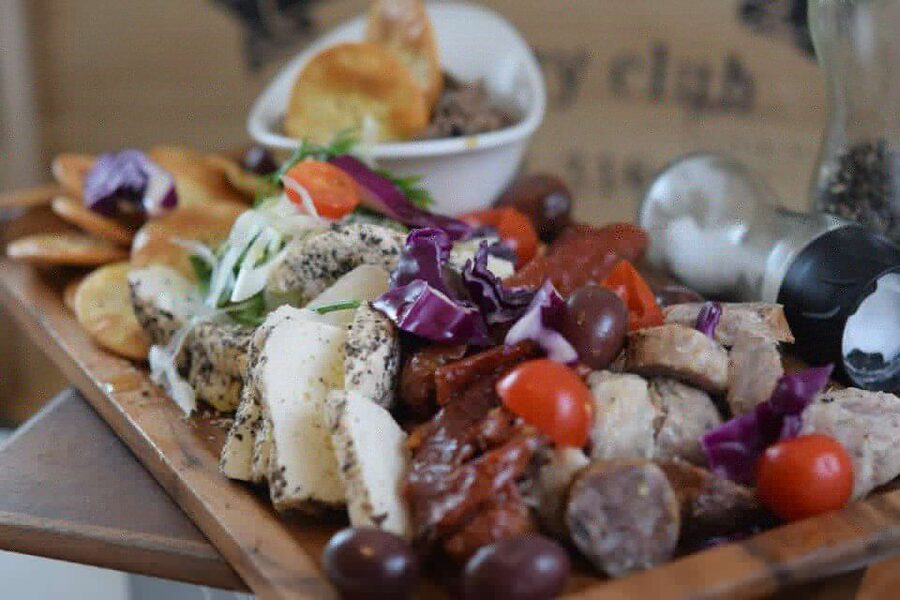
And yes, there are the classic hits. Pastizzi are the obvious anchor, but the tour also includes other local antipasti, sweets, and beverages. Even if you’re not a “foodie,” it’s an easy way to sample Maltese specialties without guessing what to order or where to start.
Price and what you’re really paying for
At $114 per person for 189 minutes, you’re paying for three things:
- A licensed live guide to connect food with city history and landmarks
- Included tastings: various local specialties and beverages (not just one snack)
- Private roundtrip transfers so you’re not stuck with shared pickup chaos
That’s the real value. If you had to hire a private transfer on your own and also pay for a guided walking experience, the cost usually climbs fast—especially in a place where vehicle access is limited in the city center. Here, the tour bundles the “getting there” part, and that can be a big deal if you’re staying outside Valletta or you hate waiting around.
Where you might feel the price bite is expectations. Since this is built around traditional items and shared explanations along the way, it may not satisfy if you want only one thing: nonstop eating with no pauses. The operator does include tastings, but you should expect a guided walk with story time as part of the package.
Getting to the meeting point: the Phoenicia Hotel drop-off trick
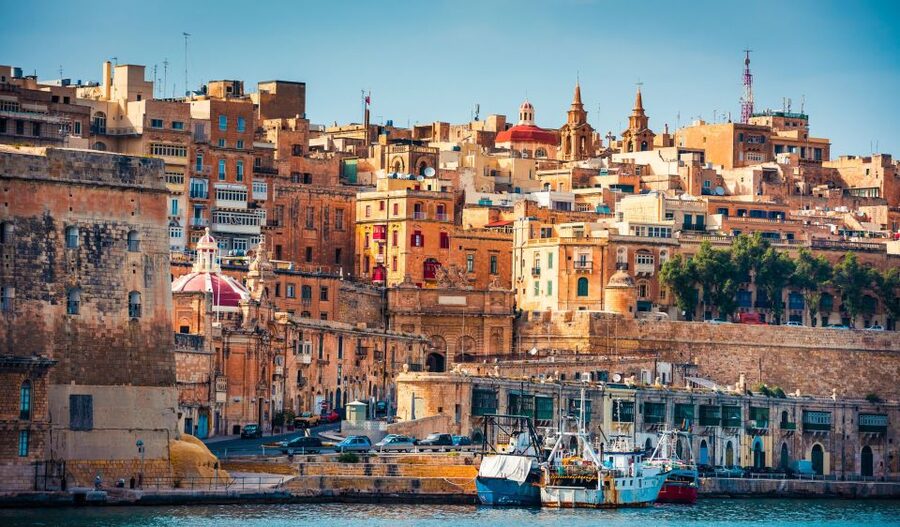
Valletta’s road rules affect your day more than you might think. The tour operator notes that car access by the vehicle is restricted, so your transport may drop you near the main entrance instead of at the gate itself.
Here’s how it works:
- Your taxi/vehicle will drop you at The Phoenicia Hotel area near the Triton Fountain, about 200–250 metres from the tour meeting point.
- The meeting point is in front of the New Parliament Building.
- Look for the guide with the red umbrella.
Why this matters: it keeps you from standing around wondering where the group is. If you arrive at The Phoenicia Hotel zone first, you’re close enough to get to the meeting point fast.
If roads near your accommodation aren’t accessible, the pick-up still happens from a close meeting point. In other words, you’re not stranded—you just need to trust the operator’s adjustment based on access.
Republic Street to Castille Square: walking the city’s power lines

This is where Valletta starts feeling like a living plan, not a pile of stone.
As you walk past Republic Street, you’re moving through the city’s central artery—busy enough that you’ll feel modern Malta, but surrounded by buildings that reflect older control and trade patterns. The guide’s job is to help you “read” the streets: what you’re seeing, why it’s placed where it is, and what it meant to people when it was new.
Then the route reaches Castille Square. For history-lovers, squares can be powerful because they concentrate the story. Here, the guide provides an overview of the capital city’s past and connects it to the bigger forces that shaped Valletta—especially the era of the Knights of St John, which is specifically called out in guide praise you’ll likely hear from English-speaking hosts like Angelle and Angel.
A good sign you picked the right tour: you leave each landmark with one or two “hooks” you can carry into your independent sightseeing. That’s the goal when history is taught alongside the places you’re standing in front of.
Merchants Street and side streets: where the food talk turns practical
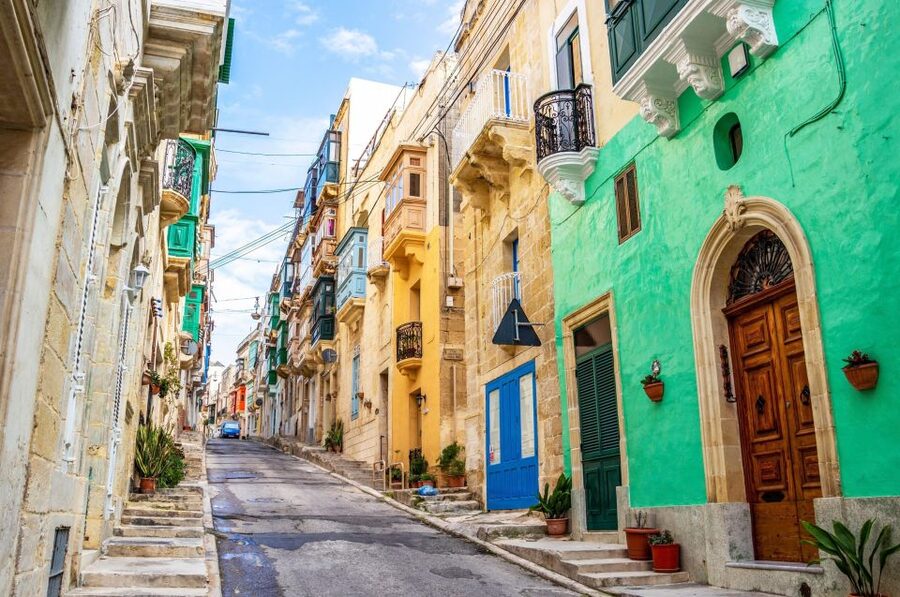
Next comes the part that tends to make the tour feel fun instead of lecture-heavy: the route through Merchants Street and smaller lanes. Smaller streets change the texture of the experience. The pace feels more human. You see typical bars and the kind of side-street commerce that makes Valletta feel lived-in.
This is also where the guide’s food knowledge becomes useful beyond the tour. When someone explains what Maltese locals actually eat and how it shows up in everyday life, you can use that to order the right things later—without playing guessing games.
That’s one reason a food-and-history format works better than just doing “food only.” History gives you context for why the food tradition exists, and the food gives you context for why certain neighborhoods and streets mattered.
Pastizzi and the rest: the tastings that teach you what to order
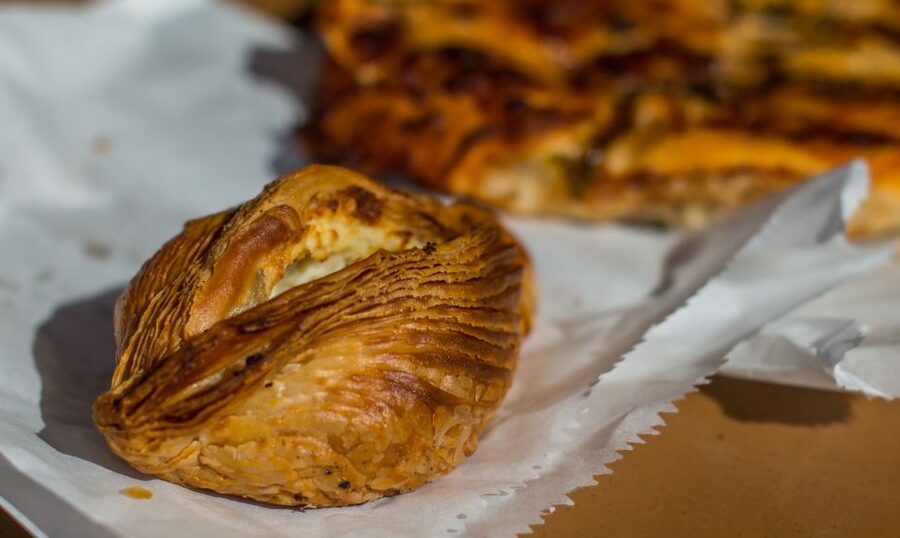
The centerpiece is Malta’s famous pastizzi. If you’ve never had them, think of a small pastry filled with a savory filling—simple, quick, and deeply local. The best part of including pastizzi on a guided tour is that you don’t waste time hunting down a good version. You also learn the basics of what you’re eating so you can recognize it again later.
Beyond that, the tour includes:
- Other traditional antipasti
- Sweets
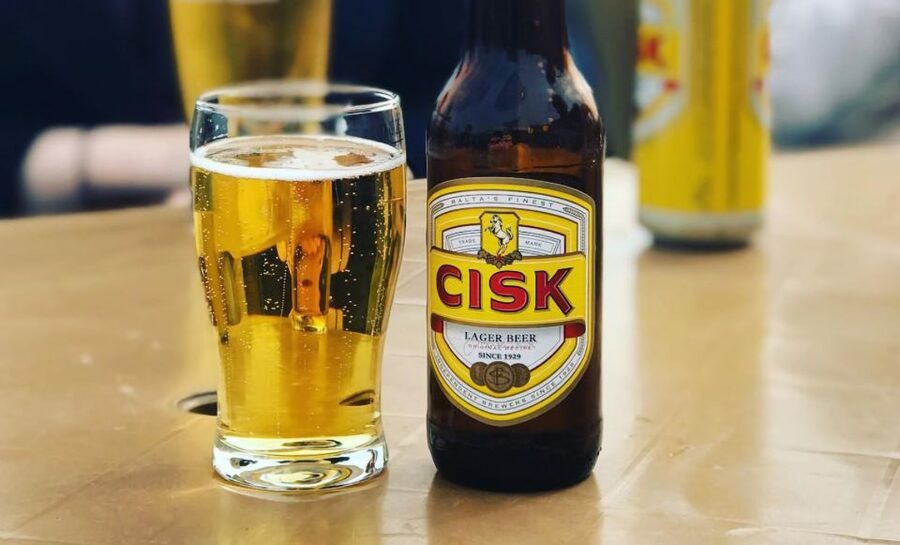
- Drinks
One practical note from the information provided: the tastings are part of the tour package, and extra food and drinks are not included. So if you love the first bite and want to keep sampling past what’s scheduled, you’ll likely pay more later.
Also, the operator is clear that special dietary requests and allergies can’t be accommodated. If you have gluten/lactose or nut allergies (or you’re vegan/vegetarian), this tour isn’t a good match. It’s a traditional-taste experience, not a customized menu.
Upper Barrakka Gardens and the old market: a good break in the route

The tour includes time at Upper Barrakka Gardens and the old market area. Even if you’re primarily here for food, adding a garden space and market zone helps your brain reset between landmark-heavy blocks.
Gardens and markets often play two roles on a walk like this:
- They offer a visual change of pace.
- They give your guide room to tie food traditions to “public spaces” where people gather.
You might not get the same feel if you only visit monuments and skip the spaces where everyday life shows up. This is one of the reasons the route feels balanced—food first, then landmarks, then a change of scenery that keeps the day from feeling one-note.
Private transfers: why they matter more than you’d think

A private transfer sounds like a luxury, but on a city like Valletta it’s also a time-saver.
You get direct roundtrip private transfers, meaning your vehicle isn’t making pickup stops for other guests. You can also choose your return pickup time (subject to confirmation after booking). That gives you control at the end of the tour—either linger longer in Valletta or switch to a slower pace for the rest of your day.
This flexibility is handy if you’re pairing the tour with:
- Museums and churches afterward (without racing your driver)
- A long lunch when you realize you still want to try more Maltese specialties
- Sunset wandering, assuming you can manage the walking
Even with private transfers, remember the car-access restriction detail: you’ll likely start or end near The Phoenicia Hotel rather than at the exact city gate.
Pace, walking shoes, and who this tour fits best
This is a walking tour, so comfortable shoes are not optional. Valletta’s streets can be uneven, and even a well-paced guide can’t make cobbles disappear.
The duration—189 minutes—works out to just over three hours. That’s long enough to cover multiple zones and tastings, but short enough that you don’t lose the whole day.
In terms of suitability:
- Great for food lovers who also care about context.
- Great if you want a structured introduction to Valletta’s big sights without planning.
- Great for people who like a guide who can make connections between what you taste and what you’re seeing.
If you need dietary accommodations, the tour isn’t suitable based on the provided rules. If you’re looking for a purely vegan/vegetarian or allergy-safe menu, this one won’t meet your needs.
Possible downsides: setting expectations about how the food experience is presented
This experience is marketed as street-food style, but parts of the tour may include explanations in places that don’t look like a street corner snack stand—there can be talk about Maltese items such as wine and bread in a retail-style setting.
Also, because the tastings are fixed as part of the package, you should not expect the tour to be unlimited eating. If you judge a tour only by volume, you may feel disappointed. If you judge it by variety and context, it’s a stronger fit.
Lastly, the biggest practical drawback is dietary limitation. That’s not a “maybe.” It’s a clear boundary.
Should you book Valletta Street Food & History Tour with Private Transfers?
Book it if you want:
- A guided introduction to Valletta’s core landmarks, starting from the New Parliament Building area and moving through major streets and public spaces
- Maltese street-food staples like pastizzi, plus other antipasti, sweets, and drinks
- The convenience of private roundtrip transfers with timing flexibility
Skip it if:
- You’re vegan/vegetarian or need gluten/lactose/nut allergy accommodation (the operator can’t adjust for those needs)
- You want a low-walking, minimal-explanation experience where you eat continuously
- You’re hoping for a fully flexible menu on the fly
If you fit the first group, this is the kind of tour that helps Valletta click. You’ll leave with a small list of foods you actually understand—and a mental map of where you ate and what you were looking at.
FAQ
How long is the Valletta Street Food and History Tour?
The tour lasts 189 minutes (about 3 hours and 9 minutes).
Does the tour include private transfers from my accommodation?
Yes. It includes roundtrip private transfers with pick-up from your accommodation at your preferred time, and a return transfer from Valletta to your accommodation at the end of the activity/day.
Where do I meet the guide in Valletta?
The meeting point is in front of the New Parliament Building at the main entrance to the city. Look for the guide with a red umbrella.
Where will the taxi drop me if cars can’t access the city gate?
Access is restricted, so the taxi will drop you at The Phoenicia Hotel near the Triton Fountain, about 200–250 metres from the meeting point.
What food and drinks are included?
The tour includes sampling of various local specialties and beverages, including Malta’s famous pastizzi, plus other traditional antipasti, sweets, and drinks.
Can the tour accommodate allergies or special diets?
No. The operator states they cannot accommodate special dietary requests, food intolerances, or allergies. The tour is also not suitable for vegans, vegetarians, people with food allergies, gluten intolerance, lactose intolerance, or nut allergies.