REVIEW · SAVANNAH
Savannah Slavery to Freedom Guided History Tour
Book on Viator →Operated by Gray Line Savannah · Bookable on Viator
A bus tour turns Savannah streets into lessons. This guided ride uses the voice of Sistah Patt, a Master Gullah Geechee Truth-Teller, to connect West African roots, local slavery, and the road toward freedom. I also like how it pinpoints River Street and Johnson Square instead of handing you vague background. One tradeoff: the tour is largely done from a bus, so you get limited chances to step out for photos.
You’ll spend about 2 to 2.5 hours on narrated history with a maximum group size of 32. Morning and afternoon start times help you fit it into your day, and the mobile ticket keeps the check-in easy.
In This Review
- Key things to know before you go
- Savannah slavery to freedom: what you’re walking into
- Meeting on MLK Jr Blvd and how the bus changes the feel
- River Street warehouses: the West African origin story in Savannah
- Johnson Square auction history: where the story becomes painfully specific
- The freedom route and the Second African Baptist Church pass-by
- Laurel Grove Cemetery and the African American Monument: memory you can’t ignore
- The guides: why Sistah Patt and Sister Rosalyn stand out
- How long it really takes and how much walking to plan for
- Price and value: is $54.78 worth it?
- Who should book this tour (and who might want a plan B)
- Tips to get the most from your 3-hour ride
- Should you book Savannah Slavery to Freedom?
- FAQ
- How long is the Savannah Slavery to Freedom Guided History Tour?
- How much does the tour cost?
- What stops are included during the tour?
- Where do I meet the tour?
- Is the tour offered in English, and how many people are in the group?
- Is accessibility available for people who need an ADA accessible vehicle?
- What is the cancellation policy and what happens if weather is bad?
Key things to know before you go

- Truth-telling by a Master Gullah Geechee Truth-Teller with storytelling that blends humor and facts
- River Street warehouses and the forced West African labor story explained in plain language
- Johnson Square auction history shown as a specific place, not just an idea
- Freedom-focused routing that includes a vehicle pass-by of the Second African Baptist Church
- African American Monument and Laurel Grove Cemetery added to the route for lasting context
- A bus-based format that favors listening over frequent photo stops
Savannah slavery to freedom: what you’re walking into
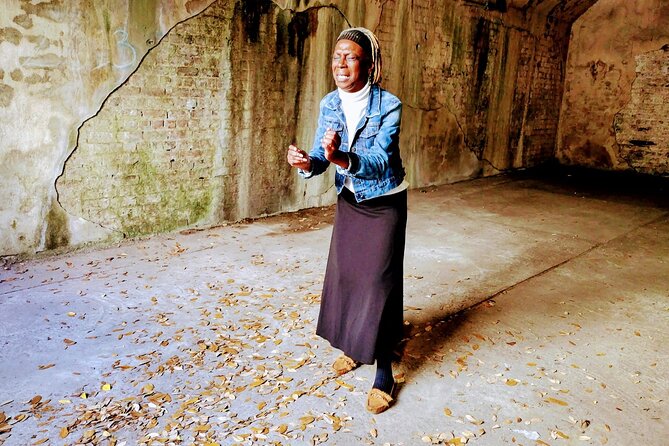
This tour is built around a simple promise: Savannah’s history isn’t only about pretty buildings and famous names. It’s about people, forced labor, survival, and community memory. The experience moves at a guided pace along key downtown areas while staying grounded in specific locations tied to the slave trade and the fight for freedom.
What makes it feel different from a standard city history tour is how the guide frames the story. Instead of treating slavery as a generic tragedy that starts and ends with suffering, the narration links it to the way Savannah grew—economically, physically, and socially. You also get a strong sense of how Black leadership and advocacy helped keep truth from fading.
The result is an honest, sometimes heavy, but often thoughtful ride through the city. If you’re the type who wants context you can use—something you can point to on the map—this tour does that.
You can also read our reviews of more guided tours in Savannah


Meeting on MLK Jr Blvd and how the bus changes the feel
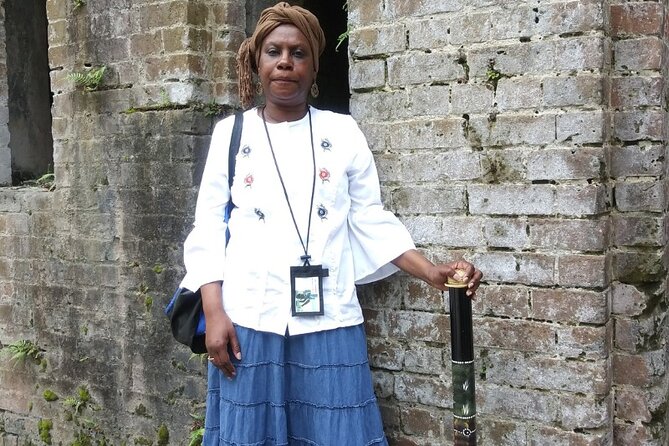
You start at 223 Martin Luther King Jr Blvd, Savannah, GA 31401, and you return to that same point. Expect a bus-led experience rather than a long downtown walking tour. That matters for planning: this is best if you want to spend your energy listening and looking, not if you need frequent stop-and-stroll breaks.
Because it’s a bus format, you’ll hear most of the story while moving between spots like River Street and Johnson Square. You may get only a small amount of time out at certain points, which is great for staying on schedule, but not ideal if you’re hoping for constant photo angles on the sidewalk.
The bright side: with a seated ride and an organized route, it’s a manageable way to cover several meaningful stops in one morning or afternoon window. The comfort level also tends to help people stick with a heavier topic without feeling completely worn out.
River Street warehouses: the West African origin story in Savannah
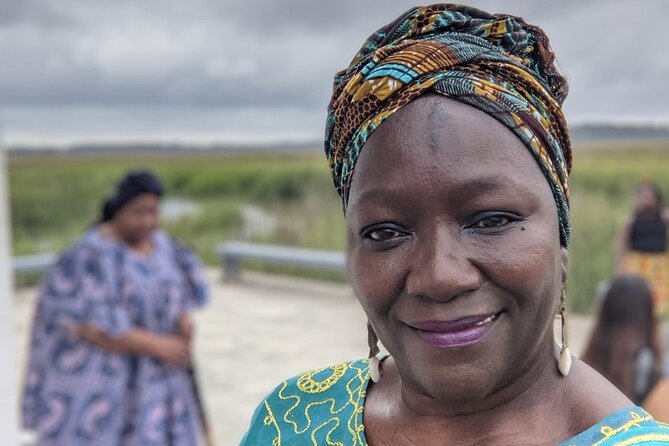
One of the first stops sets the tone by tracing what happened to West African tribes whose people were routed to Savannah. The narration connects that forced displacement to how slavery fueled the building of the warehouses along River Street.
This part matters because it turns history from a distant headline into something you can locate. You’re not just hearing about slavery in America—you’re being guided to understand how African communities were targeted, how their labor was exploited, and how that exploitation helped create Savannah’s working waterfront. It’s also where the “truth-teller” style really shows. The guide keeps the focus on the mechanics of what was done and why it stuck.
If you like a clear chain of cause-and-effect, you’ll probably appreciate this portion. It’s the difference between learning facts and understanding how an economy can be built on human suffering.
Photo note: since the story is often told from the bus, you may want your camera ready before the guide calls out the exact spot.
Johnson Square auction history: where the story becomes painfully specific
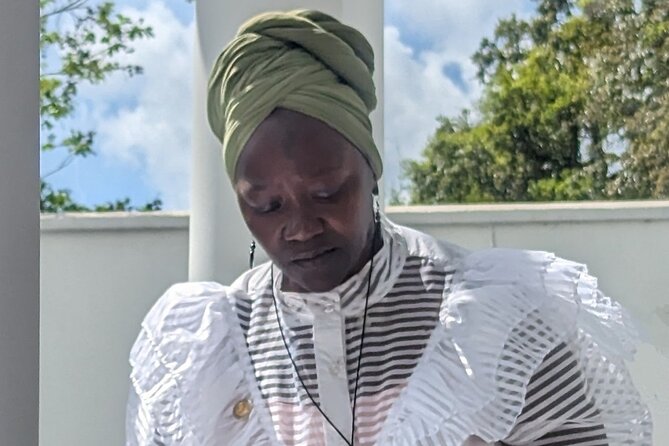
Johnson Square is one of the strongest moments of the tour because it anchors slavery’s marketplace in a known public space. Here, the guide shows where enslaved people were auctioned off—again, not as abstract cruelty, but as an event tied to a place you can stand near or at least look at directly during the route.
This stop hits hardest when you think about how “normal” the setting looks today. Parks and squares are easy to treat as scenery. The narration gives you the reason it wasn’t scenery at all for the people being sold there.
What I like about this tour’s approach is that the telling doesn’t only chase shock. The guide’s style often emphasizes the impact slavery had on Savannah’s development and the broader economic engine behind it. That balance may feel more “usable” if you’re trying to explain what you learned to family members later.
If you’re bringing kids, this is also a good place to gauge their comfort level. Some younger visitors may find auction imagery and the emotional weight of the subject too much, while others handle it surprisingly well with the guide’s structure and pacing.
The freedom route and the Second African Baptist Church pass-by
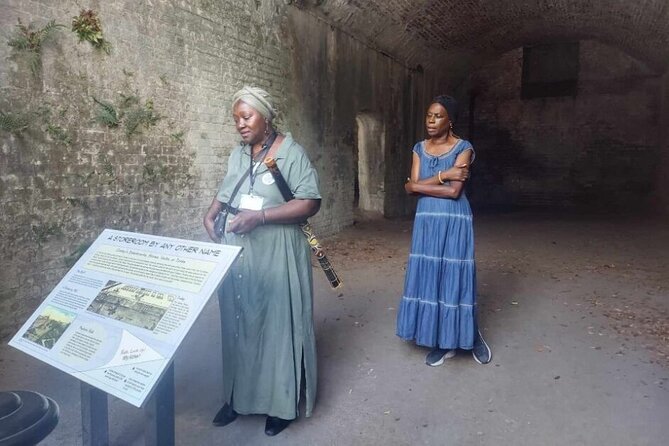
After you’ve toured the darker mechanics of the system, the narrative shifts toward the journey toward freedom. You’ll board the vehicle and travel past the Second African Baptist Church as part of that forward-looking section.
This segment is valuable because it prevents the story from ending at “what was done.” Freedom isn’t treated like a vague happy ending. The tour frames it as a movement that people navigated, built, and fought for—one with institutions and community strength behind it.
Even if you don’t catch every detail from the bus windows, you’ll come away with a clearer picture of how Black churches and neighborhoods helped shape survival strategies and community identity. For many people, that’s the part that feels most “anchoring,” because it gives you names and directions, not just tragedy.
You can also read our reviews of more historical tours in Savannah





Laurel Grove Cemetery and the African American Monument: memory you can’t ignore
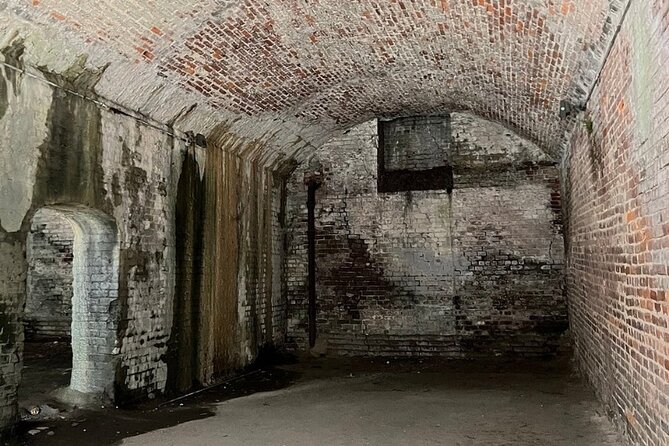
Two additional stops round out the experience in a way that’s hard to replicate on a quick sightseeing walk: the African American Monument and Laurel Grove Cemetery.
Monuments and cemeteries can easily become “one more stop” on tours. Here, they’re used to reinforce what you’ve been hearing all along: the story didn’t disappear. It was recorded in public space, in community memory, and in the landscape.
Laurel Grove Cemetery adds a quieter kind of impact. Instead of focusing only on the market and the buildings, it puts you in a place where remembrance is part of the scenery. If you tend to leave tours with facts but no emotional landing, these stops help provide both.
Caveat: this portion can also feel weighty. If you know your group has limited stamina for emotional stops, it helps to talk through expectations beforehand.
The guides: why Sistah Patt and Sister Rosalyn stand out
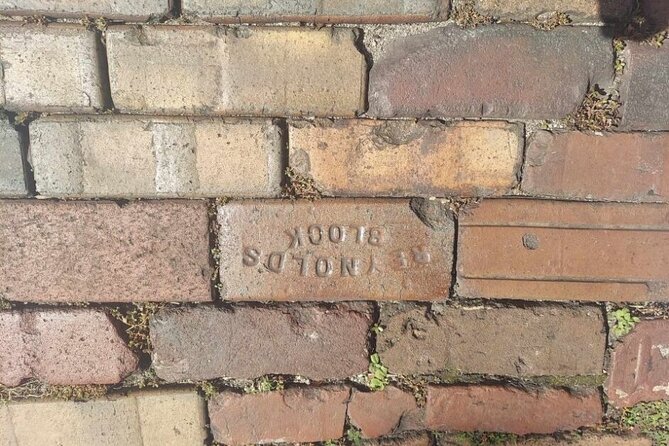
This tour is associated with Sistah Patt, listed as the Master Gullah Geechee Truth-Teller, and you might also hear about other guides in the same tradition—one review specifically mentions Sister Rosalyn as highly engaging and informative.
What people keep praising most isn’t only the volume of information. It’s the delivery. The narration is often described as factual, thoughtfully balanced, and guided by lived advocacy rather than a scripted lecture. Humor shows up as a tool, not as a distraction, and it helps the story move without turning into pure heaviness.
One theme I’d highlight for your decision-making: the guide’s approach aims to keep the focus on truth and context rather than guilt-by-default. That’s not a “softening” of slavery. It’s a way to teach it so you actually remember it.
How long it really takes and how much walking to plan for
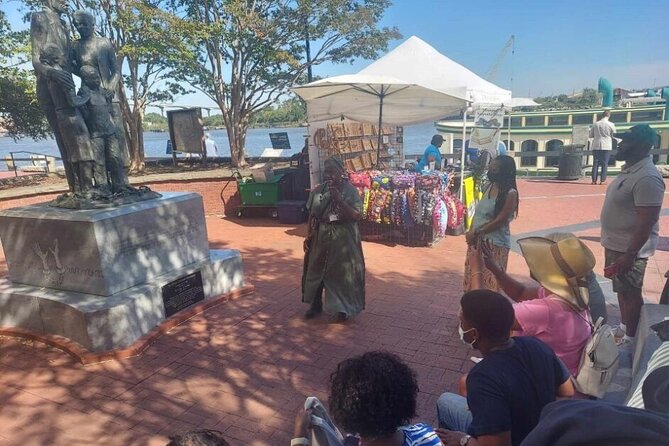
The tour runs about 3 hours total, with 2 to 2.5 hours being narrated time. In practice, that means you have a structured experience that fits into a typical Savannah day without turning your entire afternoon into “tour recovery.”
Because it’s bus-led, walking is likely limited. You may get out only once during the route on some departures, which is something to consider if you’re the kind of person who wants to roam and linger.
For planning, I’d treat it like this:
- You’ll be seated and listening most of the time.
- You’ll likely get short viewing moments at certain historic points.
- Wear comfortable shoes anyway, because the downtown streets and cemetery-style spaces won’t be “all sitting.”
Price and value: is $54.78 worth it?
At $54.78 per person, this isn’t a bargain ticket, but it also doesn’t read like overpriced window-dressing. The value comes from three things you don’t always get together on history tours:
- a master storyteller who guides the narrative,
- multiple specific downtown stops tied to slavery and its legacy,
- and additional context stops like the African American Monument and Laurel Grove Cemetery.
You’re paying for time, for guiding, and for a carefully shaped route that turns scattered landmarks into a connected story. If you’re trying to learn Savannah in a way that goes beyond standard sightseeing, the price starts to make sense.
A practical heads-up: bottled water, parking costs, and gratuities aren’t included. Bring water if you want it, and budget for parking if you’re driving.
Who should book this tour (and who might want a plan B)
This tour is a strong fit if you:
- care about Black history and slavery’s local impact in Savannah,
- like guided context tied to real places,
- want a story that explains systems (including the economics) and not only emotional moments,
- enjoy hearing a guide who uses lived advocacy and storytelling skill.
You might choose a different option if:
- your group needs frequent photo stops and lots of on-foot exploration,
- your kids or family members have a low tolerance for intense subject matter,
- you strongly prefer a lighter, purely architectural walking tour.
The topic is not optional. This tour is about slavery and freedom, so you should expect it to feel serious.
Tips to get the most from your 3-hour ride
A few small choices can make this tour much more rewarding.
First, treat your phone like a notebook. Even when you can’t get out often, your memory will thank you later if you capture key names and places the guide highlights.
Second, plan your day so you’re not rushing. This is not a “grab a photo and move on” tour. It rewards calm attention.
Third, bring water. Bottled water isn’t included, and you’ll be glad you have it if the weather runs warm.
Finally, if you’re traveling with mixed ages, think about stamina. Some younger visitors may find the content intense, while others do well because the guide keeps the narrative organized and engaging. A quick talk ahead of time can prevent tears or frustration mid-tour.
Should you book Savannah Slavery to Freedom?
If your goal is to understand Savannah as a living story—one connected to West African roots, forced labor, public marketplaces, and community memory—this is an excellent match. The price can feel steep until you realize what you’re buying: a guided, place-based narrative led by Sistah Patt style truth-telling, plus stops that many other city tours skip.
I’d recommend booking this early in your planning window because it tends to sell ahead of time. If you’re on the fence, ask yourself one question: do you want the Savannah people live in today to make sense in light of what happened here? If yes, this tour is one of the most direct ways to get there.
FAQ
How long is the Savannah Slavery to Freedom Guided History Tour?
It runs about 3 hours total, with 2 to 2.5 hours of narrated tour time.
How much does the tour cost?
The price is $54.78 per person.
What stops are included during the tour?
The tour includes stops at African American Monument, Johnson Square, and Laurel Grove Cemetery, with additional guided storytelling around key downtown locations like River Street.
Where do I meet the tour?
The meeting point is 223 Martin Luther King Jr Blvd, Savannah, GA 31401, USA, and the tour ends back at the same location.
Is the tour offered in English, and how many people are in the group?
The tour is offered in English, and it has a maximum group size of 32 travelers.
Is accessibility available for people who need an ADA accessible vehicle?
Service animals are allowed. Most travelers can participate. To request an ADA accessible vehicle, you need to give at least 24-hour advance notice.
What is the cancellation policy and what happens if weather is bad?
You can cancel for a full refund up to 24 hours in advance. If the experience is canceled due to poor weather, you’ll be offered a different date or a full refund. If it’s canceled because a minimum number of travelers isn’t met, you’ll be offered a different date/experience or a full refund.