REVIEW · ROME
Rome: Ancient Jubilee in the 4 Major Basilicas
Book on GetYourGuide →Operated by Roman Vacations · Bookable on GetYourGuide
Four Holy Doors in one run.
This Jubilee-style route is built for people who want more than sightseeing: you follow a pilgrimage path that dates to the year 1300, and you enter each of Rome’s four Papal Major Basilicas through their Holy Door. I especially like the structure—stop, guided interior focus, then on to the next basilica—so the day feels like a real rite, not a rush-job.
My other favorite part is the human layer: you’re with an expert local guide in English throughout, including a guided look inside St. Peter’s, St. Paul outside the Walls, San Giovanni in Laterano, and Santa Maria Maggiore. One thing to consider, though: big basilicas can swallow sound, and you may have trouble hearing the guide at times, so plan to rely on the highlights and take notes instead of expecting perfect audio.
In This Review
- Key highlights worth planning around
- The Jubilee route: why these four basilicas matter
- Piazza Giovanni XXIII start: where to meet without panic
- St. Peter’s Basilica: Holy Door entry plus the Pietà
- St. Paul Outside the Walls: chains, house arrest, and a sarcophagus
- San Giovanni in Laterano: Rome’s cathedral and Peter & Paul
- Santa Maria Maggiore: golden interior, nativity relics, and Salus Populi Romani
- Transport and time management in a 5-hour pilgrimage
- Price and value: what the $283-ish cost is really buying
- Clothing rules and on-the-ground realities
- Who this tour suits best (and who should rethink it)
- Should you book this Jubilee tour?
- FAQ
- Which basilicas are included in the Jubilee route?
- Do I enter the basilicas through the Holy Doors?
- How long is the tour?
- Where do I meet the guide?
- What should I wear?
- What identification or documents do I need?
- Is transport included between stops?
- Is food and drink included?
- Is the tour affected by weather?
Key highlights worth planning around
- Holy Door entry at all four Papal Major Basilicas for a true Jubilee pilgrimage flow.
- Expert local guide in English leading the interior visits at each basilica.
- Private air-conditioned chauffeur transport between stops, saving you stress in Rome traffic.
- St. Peter’s includes Michelangelo’s Pietà and a focused look at what’s under the High Altar.
- Santa Maria Maggiore features the nativity-crib relic and the Salus Populi Romani icon.
- Order can shift depending on traffic/access or if a basilica closes for safety or events.
The Jubilee route: why these four basilicas matter
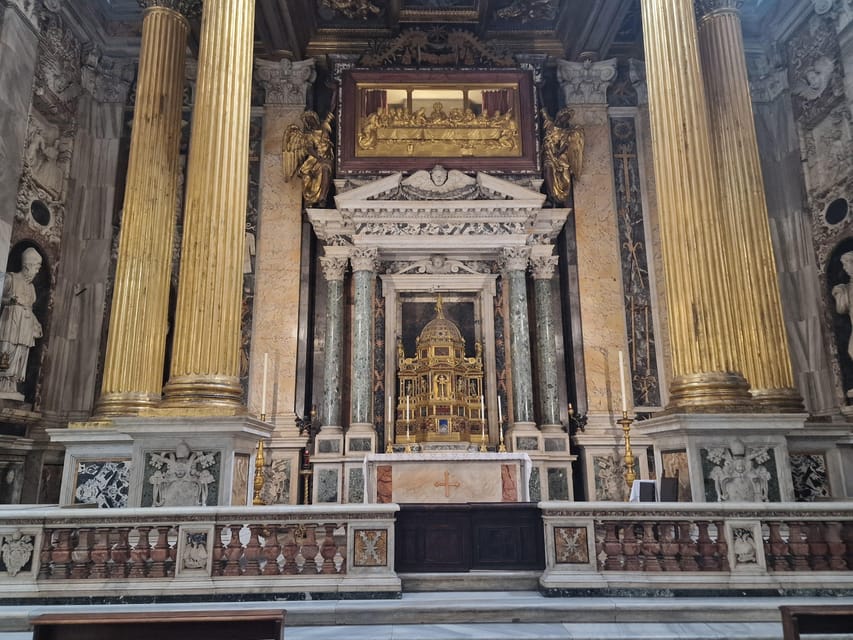
The premise is simple, but it lands with weight: in Jubilee years, the Church asks pilgrims to visit the four most important churches in Christendom—the Major Basilicas of Rome—and to enter them through their Holy Doors. In this tour, that goal isn’t a side quest. It’s the whole point.
These four basilicas aren’t random picks. The highest rank, according to what the Church teaches and how the sites are described here, is the Arch-Basilica of St John Lateran—Rome’s cathedral and the Mother Church of the entire world. The rest of the route orbits that idea of importance, continuity, and pilgrimage tradition that has been practiced for centuries.
If you like spirituality, art, and ceremony all in the same day, this is a good fit. You’re not just looking at famous landmarks—you’re moving through them with a guided framework that explains why each stop is part of the Jubilee practice.
You can also read our reviews of more tours and experiences in Rome.
Piazza Giovanni XXIII start: where to meet without panic
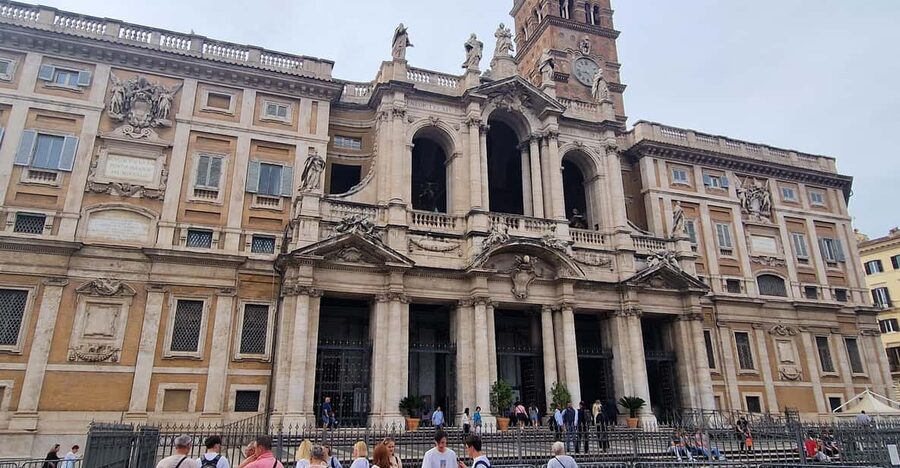
The tour starts at the fountain on the wall of Piazza Giovanni XXIII, near Lungotevere Vaticano. You’ll want to arrive 15 minutes early so you can check in and find your group. The guide will be holding an orange sign with a lion head.
This matters because the tour departs promptly. And Rome is Rome—streets, crossings, and random construction barriers can make a calm meet-up feel harder than it should. Arrive early and you’ll avoid that end-of-day scramble.
St. Peter’s Basilica: Holy Door entry plus the Pietà
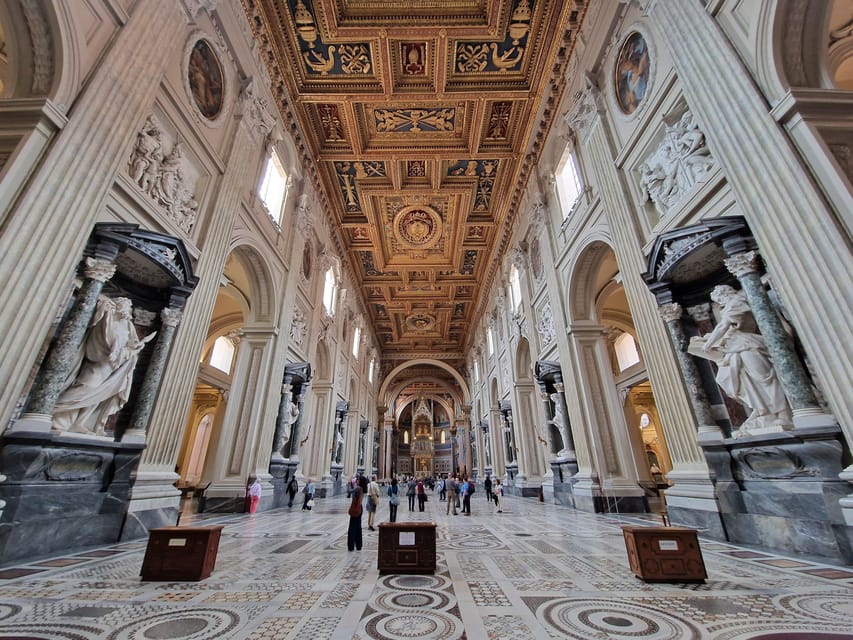
St. Peter’s Basilica is stop number two, and it’s where the day often feels most electric. You enter through the basilica’s Holy Door and then get a guided tour for about an hour focused on key artworks, relics, and what’s underneath.
Here are the specific highlights the guide coverage is built around:
- Michelangelo’s Pietà
- Major saints’ relics and altars
- The basilica’s history tied to the space and its meaning
- The body of St. Peter buried underneath the High Altar
It’s one thing to see St. Peter’s from photos. It’s another to walk in with a guide who can point you to the features that matter within the Jubilee context. If you’re aiming to understand the basilica instead of just snapping pictures, this stop is designed for that.
A practical note: St. Peter’s is huge, and sound can be tricky. In my experience reading other people’s on-tour notes, the guide’s delivery varies by situation—inside can be whisper-leaning. So don’t treat it like a podcast. Treat it like a guided walk: watch for cues, and if you can’t hear every word, you can still follow the main story.
St. Paul Outside the Walls: chains, house arrest, and a sarcophagus
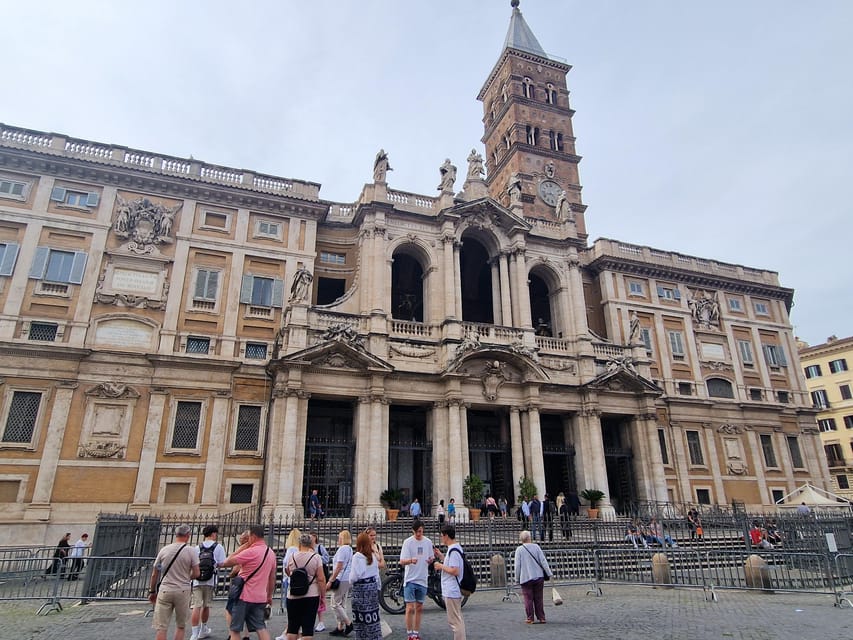
After St. Peter’s, you’ll ride in a private air-conditioned car to St. Paul outside the Walls. The tour guides you here for about an hour, again with a focus on both meaning and specific objects.
Key elements included in the planned visit:
- The chains that bound St. Paul during his incarceration and house arrest in Rome
- The basilica’s setting as a major ancient site
- A newly excavated sarcophagus that’s part of what you’ll view during the guided portion
- A guided walk through the rest of the Theodosian basilica
This stop has a different energy than St. Peter’s. Instead of one mega-tomb centered on papal authority and monumental art, you get a more story-driven focus: the imprisonment, the physical relics, and the ancient structure itself.
If you’re the type who likes to connect artifacts to the timeline of a faith story, this is the basilica where that clicks fastest.
San Giovanni in Laterano: Rome’s cathedral and Peter & Paul
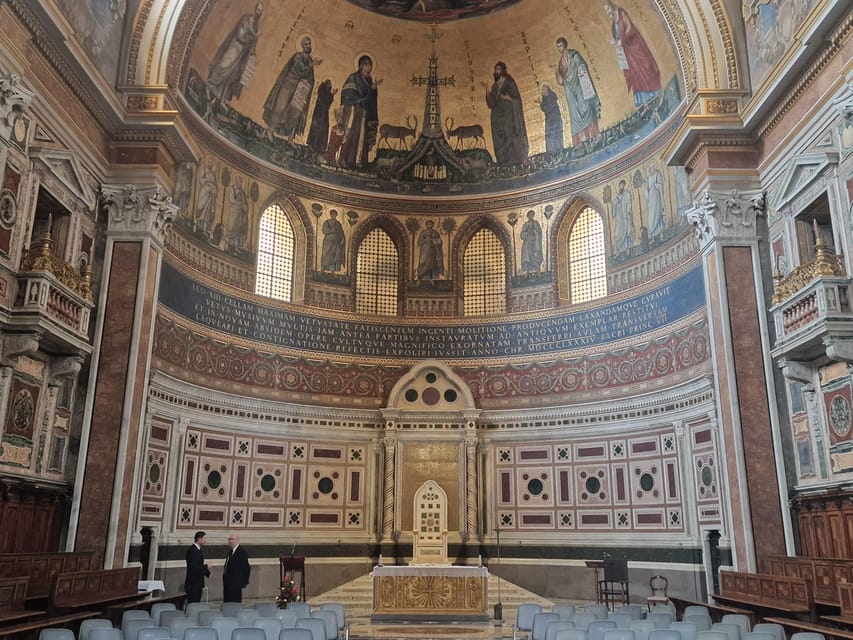
Next comes San Giovanni in Laterano (St. John Lateran), described here as Rome’s cathedral and the top-ranked basilica in its category. You’ll have another guided hour inside, also tied to Jubilee tradition.
The stop’s planned focuses include:
- The story behind the ancient mosaics
- The moment of standing before the heads of Sts. Peter & Paul, brought into the basilica above the altar in the year 1300
This is the kind of visit that changes how you see Rome’s religious map. You’re used to thinking of the Vatican as the center. But this basilica is framed as a central church for the entire world, and the guide’s focus on the mosaics and the 1300 arrival story helps make that feel real.
Also, one logistical reality: Lateran sits outside the main Vatican cluster, so the transport between stops matters. The private chauffeur car keeps the day moving without you needing to navigate buses and walking detours on your own.
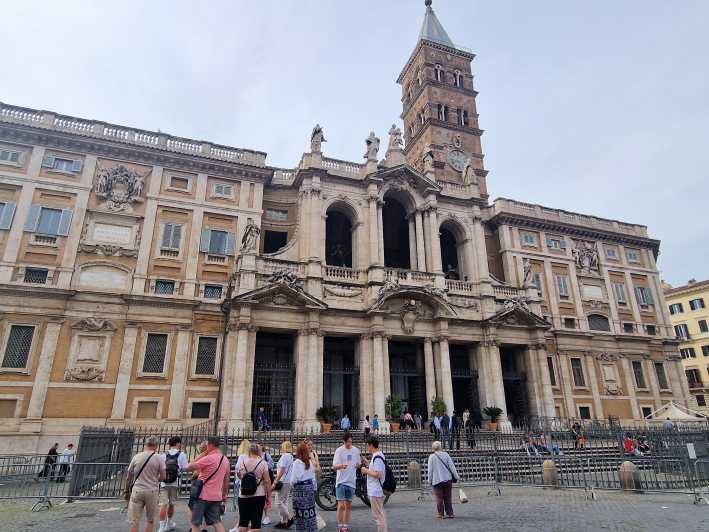
Santa Maria Maggiore: golden interior, nativity relics, and Salus Populi Romani
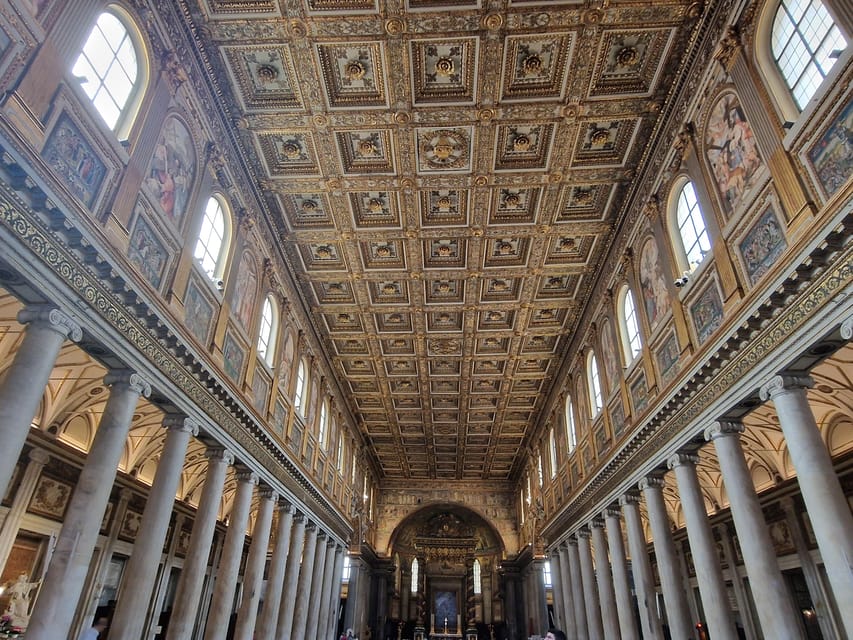
The final basilica on the route is Santa Maria Maggiore (St Mary Major). This is another guided hour, and it’s full of named features that you’ll actually get to experience, not just read about.
The tour highlights here include:
- The golden interior (and the guide’s explanation of what you’re seeing)
- Popes buried here
- Relics of the crib of the nativity of Christ
- The miraculous icon called Salus Populi Romani
If you like the feel of a church that holds multiple layers—art, relics, and big names—this is often the basilica that surprises people. You’re not just ending; you’re collecting the last piece of the Jubilee pattern.
And after the final stop, the tour ends back at the meeting point near Piazza Giovanni XXIII.
Transport and time management in a 5-hour pilgrimage
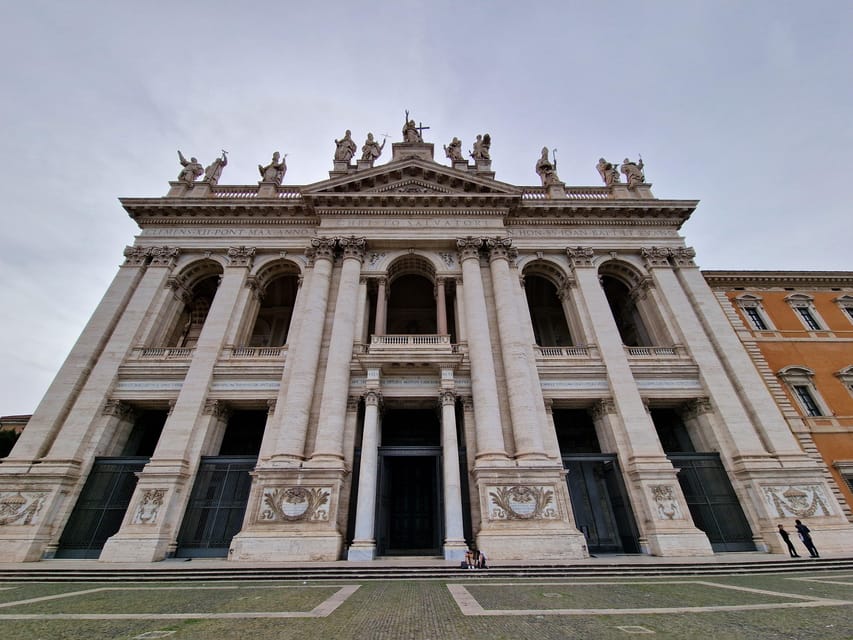
This tour is listed as 5 hours total, and the structure matters. Each basilica includes a guided segment of about an hour, with private car transport between them. That combination is ideal when you want the pilgrimage experience without spending half your day figuring out transit.
What you should plan for:
- You’ll be moving between different districts of Rome, so some time disappears into car travel even with a private driver.
- You’ll likely spend only limited moments on your own. This is a guided pilgrimage, not a free-roam museum day.
- You may want to think about restrooms. The schedule is tight enough that you should not assume long breaks.
Also, the order of sites can vary based on traffic, accessibility, or unforeseen closures/events. So if you’re trying to photograph a specific façade at golden hour, don’t. This day is about the basilicas and the Holy Door entry.
Price and value: what the $283-ish cost is really buying
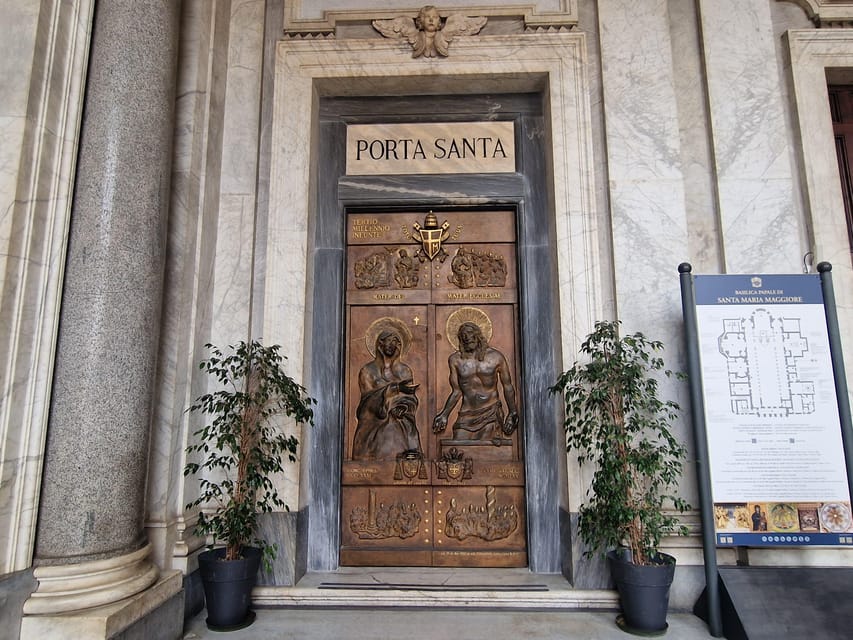
At $283.21 per person, you’re not paying just for entry into four churches. You’re paying for a bundle:
- Entry to each site in the tour
- An expert local guide in English
- Transport between stops in a private air-conditioned car
- A guided experience designed around Jubilee Holy Door access and indulgence aims
Is it expensive compared to a DIY plan? Yes. But DIY won’t reliably give you the guided focus, transport, and Holy Door entry workflow tied to Jubilee instructions. If you want this to feel intentional—guided, organized, and spiritually framed—the price reflects that planning.
If your priority is maximum free time inside each basilica for your own slow pacing, a custom plan might fit better. But if your priority is completing the four Major Basilicas route in one organized day, the value is easier to justify.
Clothing rules and on-the-ground realities
This is a church-focused day, so Rome’s dress rules aren’t optional vibes. You must cover shoulders and knees to enter the basilicas. That means no short skirts and no sleeveless shirts.
Other basics:
- Pets are not allowed.
- You should bring a valid form of photo ID, since proof of identification may be required.
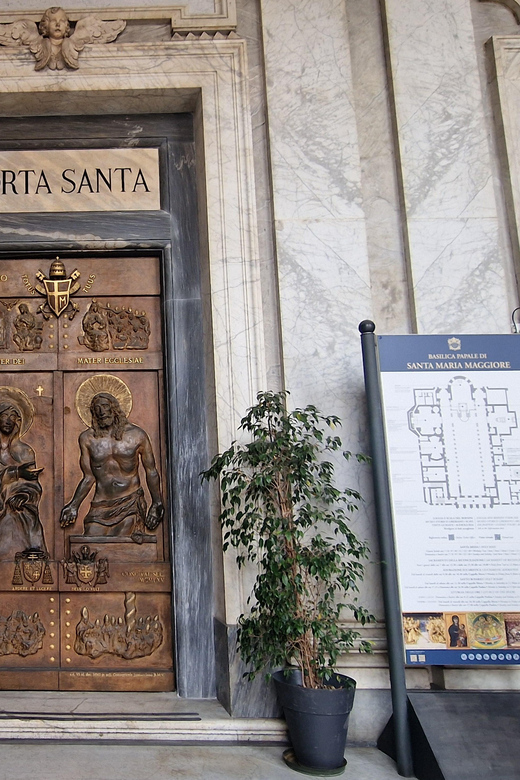
- The tour also requires you to follow Holy Door entry instructions. After booking, you’ll receive communication with details about the pilgrim’s card and how Holy Door entry will work during the tour.
Bring simple comfort too. Rome basilicas can mean long standing and slow lines at entrances. Sunglasses, sunscreen, and water help, especially since the tour runs in all weather unless authorities close a site for safety.
Who this tour suits best (and who should rethink it)
This works best if you:
- Want a Jubilee pilgrimage experience with the Holy Door goal front and center
- Like having a guide connect art, relics, and meaning instead of just pointing at objects
- Prefer private transport over buses and long walks between far-apart basilicas
- Appreciate a structured day and don’t need long, independent breaks
It may not be ideal if you:
- Need a lot of downtime or unplanned bathroom stops
- Are very sensitive to hearing everything perfectly inside large churches (sound can be hard)
- Want a flexible, self-paced schedule to linger wherever you feel like
Should you book this Jubilee tour?
If your goal is the Jubilee “four Major Basilicas” pilgrimage and you want Holy Door entry included, I’d seriously consider booking. The guided hours inside each basilica plus the private transport is what turns it from a stressful checklist into an actual day with flow and meaning.
Book it especially if you like the idea of following an old pilgrimage pattern: year 1300 roots, Jubilee indulgence aims, and a guided route that treats the four churches as one connected practice.
Skip it if your top priority is free time, silent wandering, or spending as much time as possible at just one basilica. This tour is built for completion with guidance, not for maximum solitude.
FAQ
Which basilicas are included in the Jubilee route?
The tour visits four Papal Major Basilicas: St Peter’s Basilica, St Paul Outside the Walls, Basilica di San Giovanni in Laterano, and Basilica Papale di Santa Maria Maggiore.
Do I enter the basilicas through the Holy Doors?
Yes. The tour is designed for Jubilee practice and includes entry into each basilica through its Holy Door.
How long is the tour?
It lasts about 5 hours.
Where do I meet the guide?
Meet at the fountain on the wall of Piazza Giovanni XXIII, near Lungotevere Vaticano. Look for the guide holding an orange sign with a lion head.
What should I wear?
To enter the basilicas, shoulders and knees must be covered. Short skirts and sleeveless shirts are not allowed.
What identification or documents do I need?
You should bring a valid form of photo ID, since proof of identification may be required. You will also receive instructions after booking about the pilgrim’s card and Holy Door entry.
Is transport included between stops?
Yes. Transport during the tour is included, using private air-conditioned chauffeur service between basilicas.
Is food and drink included?
No. Food and drink are not included, so plan to handle meals on your own.
Is the tour affected by weather?
The tour proceeds in all weather conditions unless a site is closed by authorities for safety reasons.