REVIEW · CHIANG MAI
Lanna Heritage Walking Tour: A Journey Through History
Book on GetYourGuide →Operated by Chiang Mai Private Guided Tour by Richard · Bookable on GetYourGuide
Chiang Mai’s past walks right beside you. On the Lanna Heritage Walking Tour, I love how the story of the Lanna Kingdom gets explained in plain language, then you see it made physical at stops like Wat Chiang Man with its old stone carvings. The second thing I really liked is the “every stop has a reason” pacing, so you’re not just ticking off temples—you’re learning what each one meant.
One heads-up: this is a walking tour at Buddhist sites, so you’ll want sports shoes and temple-respect dress. Also, lunch isn’t included, so plan to eat on your own after the tour.
In This Review
- Key things that make this tour worth your time
- Starting at Tha Pae Gate: how the Lanna Kingdom story clicks
- Wat Chiang Man and the historic moat: early Lanna, carved in stone
- Sompet Local Market: the sensory pause you’ll actually remember
- Three Kings Monument, the Rama VI school, and a royal-palace museum
- The renovation site with a women’s prison past—and palace evidence
- Wat Phra Singh: temple significance across changing eras
- Coffee time in a real café: the break that keeps the day enjoyable
- Wat Pan Tao: Lanna architecture tied to the old royal palace
- Wat Chedi Luang to close: Chiang Mai’s enduring symbol
- Price and practical logistics: what you actually get for $45
- Who this walking tour fits best (and who should skip it)
- Should you book the Lanna Heritage Walking Tour?
- FAQ
- How long is the Lanna Heritage Walking Tour?
- Where does the tour meet?
- Is there an English-speaking guide?
- What’s included in the $45 price?
- Are meals included?
- What should I wear or bring?
Key things that make this tour worth your time
- Tha Pae Gate as a history lesson: you start at an iconic entry point and learn how Lanna formed, prospered, declined, and revived.
- Old-carved stone at Wat Chiang Man: the temple’s early-Lanna imagery helps you picture the kingdom’s beginnings.
- Sompet Local Market stops your senses: fruit and local snack time makes the walk feel like daily Chiang Mai life, not a museum tour.
- Rama VI-era education and the Three Kings Monument: you connect monarchy, schooling, and civic identity in a short stretch of walking.
- A renovation story in progress: an area tied to a former women’s prison shows evidence of an early royal palace and points toward a future historical park.
- Wat Pan Tao to Wat Chedi Luang: classic Lanna architecture finishes with Chiang Mai’s most enduring temple symbols.
Starting at Tha Pae Gate: how the Lanna Kingdom story clicks
The tour starts in central Chiang Mai, either with hotel pickup or at Tha Pae Gate. That opening matters. Instead of jumping straight into temple courtyards, you get the political and cultural frame first—how the Lanna Kingdom was established, what its golden era looked like, and what happened when Burma took control.
You also get the story of the long stretch when Chiang Mai sat abandoned for around twenty years, followed by the struggle to regain independence. Then comes the revival roughly 250 years ago—an important theme in this region. Lanna wasn’t just “one period.” It’s cycles: building up, losing ground, then rebuilding with new influences.
After the history chat (about 15 minutes at the start), you’re ready to walk with different eyes. When the next temple appears, it’s easier to ask: who built this, why then, and what does that say about what Lanna people valued?
You can also read our reviews of more tours and experiences in Chiang Mai.
Wat Chiang Man and the historic moat: early Lanna, carved in stone
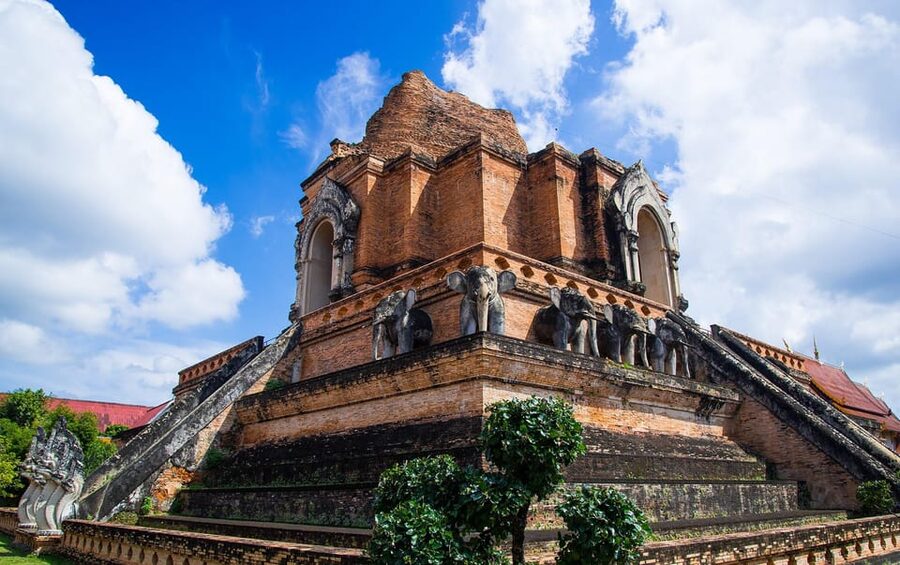
From Tha Pae Gate, you head toward Wat Chiang Man, famous as the oldest temple in Chiang Mai. This is where the tour turns from story into evidence. The key moment is the ancient stone carvings. They’re not just decorative. Your guide explains how they depict early days connected to the Lanna Kingdom—so you’re reading the temple like a visual timeline.
You’ll also notice how the temple sits in the city’s older layout. You walk along the historic moat, and your guide explains how it was constructed and why it mattered. That’s one of the tour’s strengths: it doesn’t treat landmarks as isolated photos. It links them to the way the city was shaped for defense, movement, and identity.
There’s also time for street food here. The stop isn’t just “try something.” It’s a chance to taste what’s typical around temples and markets, with local snacks that keep the pace comfortable. If you’ve ever done a temple-heavy day where everything feels the same, this section breaks that up with a mix of visuals, walking, and taste.
Sompet Local Market: the sensory pause you’ll actually remember
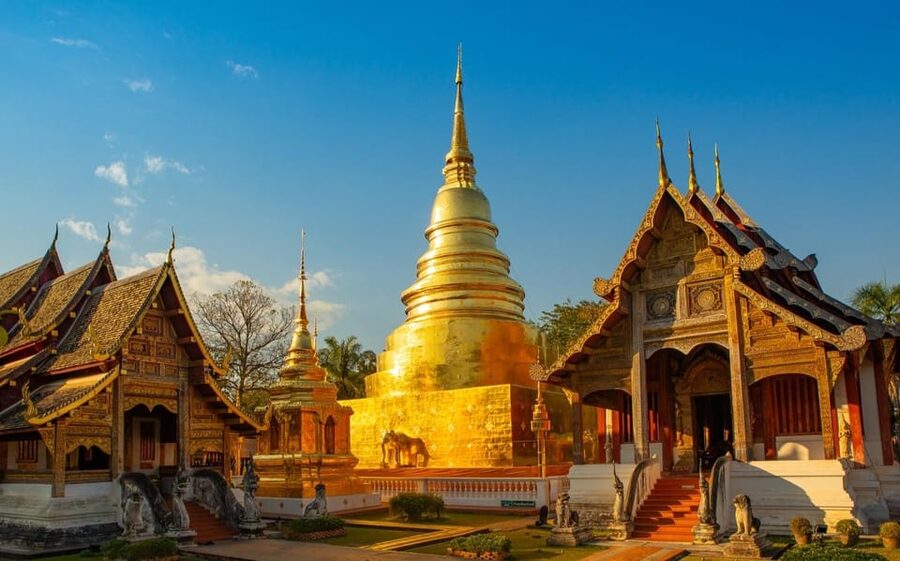
After the early-temple stretch, you get a Sompet Local Market experience. You’ll sample fresh fruit and get a feel for daily local life. It’s simple, but smart. A market stop gives your brain a reset between major religious sites.
Here’s what I’d watch for: markets are where you learn how Chiang Mai people eat and snack casually. Even if you don’t buy much, the smells and what’s displayed will help you understand the city beyond the temple gates.
It also balances the day with something lighter. You’re still learning—your guide can connect the market atmosphere to the city’s lived culture—but you’re not staring at history plaques the whole time. For many people, this is the part that makes the tour feel human.
Three Kings Monument, the Rama VI school, and a royal-palace museum
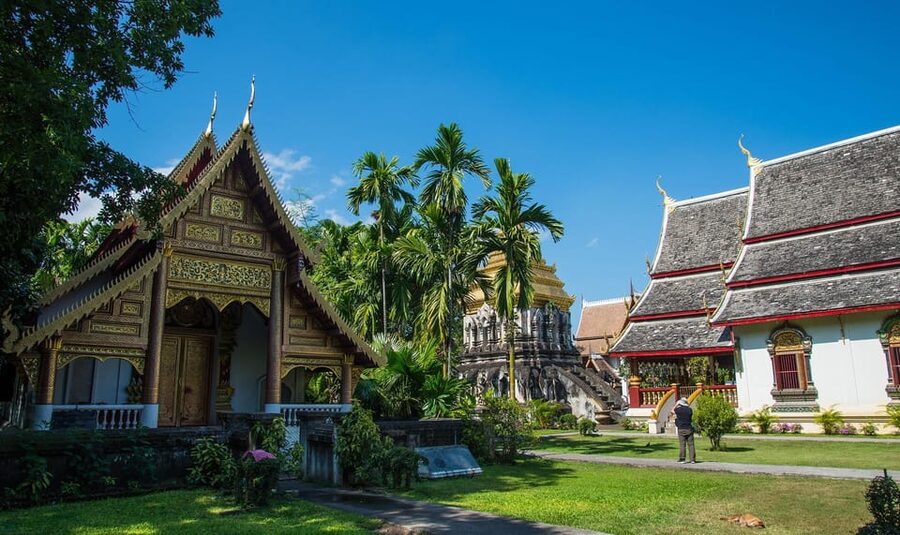
Next you move through a more civic-and-monument area. You’ll see the Three Kings Monument, a tribute to the monarchs Chiang Mai holds close in its identity. Your guide ties it back to the broader Lanna narrative—how rulers shaped culture and legitimacy, not just borders.
Then there’s Chiang Mai’s first government school, established in 1900 during the reign of King Rama VI. This stop is a good reminder that education history is part of the same story as temple building and city identity. It’s also a practical change of pace. You get architecture and meaning, but not in the usual “temple hall” format.
You’ll also pass a museum that used to be a royal palace and later served as an administrative center. Now it holds exhibits. The tour doesn’t ask you to spend a long time inside here, but passing by is still useful—it reinforces how power moved over time from palace space to governing space, and how today’s Chiang Mai continues to use those buildings to tell stories.
The renovation site with a women’s prison past—and palace evidence
One of the most interesting parts of the walking day is a historical renovation site tied to a former women’s prison. The key point is what it reveals: evidence of an early Lanna royal palace.
That’s a powerful kind of stop because it shows history as unfinished. You’re not only looking at what’s preserved—you’re seeing how archaeologic or historical clues can reshape what people understand about the past. Your guide explains what’s been found and how the area is planned to develop into a historical park.
Practical note: renovation sites can be a little uneven. The tour keeps things respectful, but you’ll still want your balance. Sports shoes matter here.
Wat Phra Singh: temple significance across changing eras
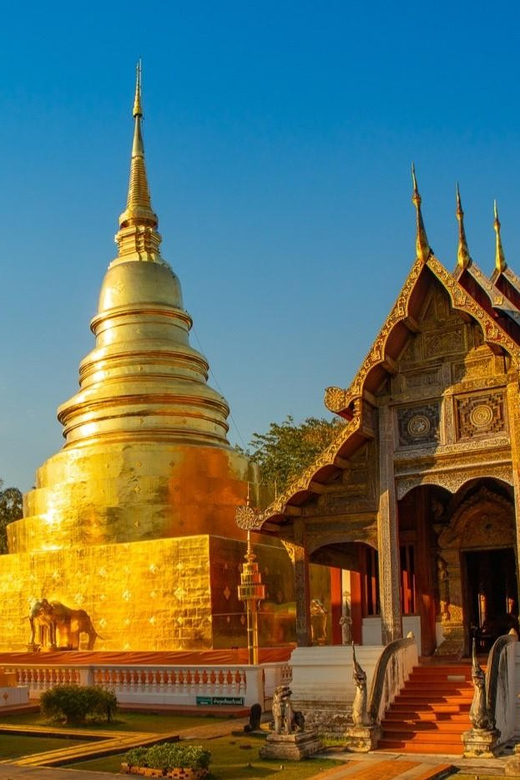
Then you go to Wat Phra Singh, another major temple in Chiang Mai. This stop focuses on importance across different historical periods. Your guide doesn’t treat the temple like a single-era object. Instead, you get the sense that Wat Phra Singh has been part of what communities valued again and again as time changed.
This is also a section where the walking flow stays logical. You arrive, listen, and walk through the spaces with the guide explaining why particular elements matter. The whole point is to make sense of what you’re seeing without turning the experience into a lecture.
There’s also a break built in. After the temple time (around 30 minutes), you get a 15-minute break. This matters because you still have more key stops after this, including coffee time later.
Coffee time in a real café: the break that keeps the day enjoyable
You’ll stop at a local café for Chiang Mai coffee and refreshments. This isn’t just a “reward” stop. It helps you keep energy up without turning the tour into an all-day slog.
If you’re sensitive to heat or humidity, this break is where you can reset. Drink water (you’re provided a bottle during the tour) and slow down for a minute. The tour is designed so you can keep absorbing information while staying comfortable.
And yes, it’s a good chance to ask questions. The guide, Richard, is set up to answer. In one booking, a solo guest had Richard nearly all to themselves, which shows how flexible the private format can feel when group size stays small. If your group is small, you can likely spend more time on the parts you care about most—temple architecture, Lanna political shifts, or daily life around markets.
Wat Pan Tao: Lanna architecture tied to the old royal palace
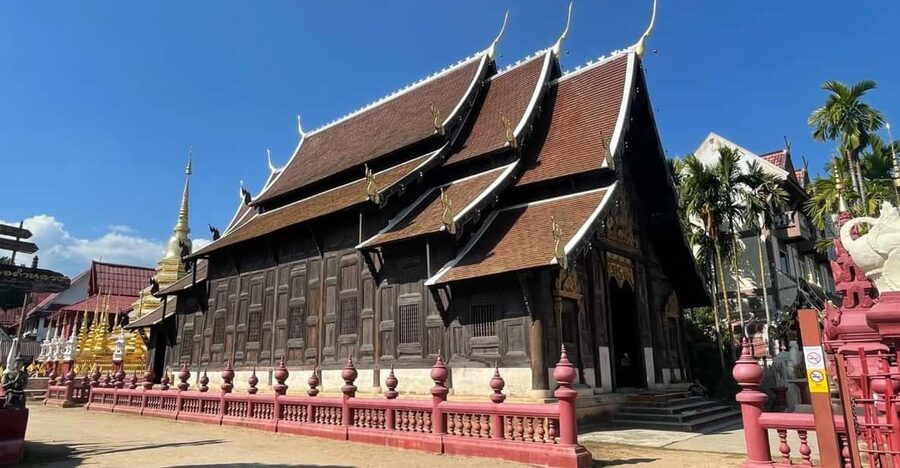
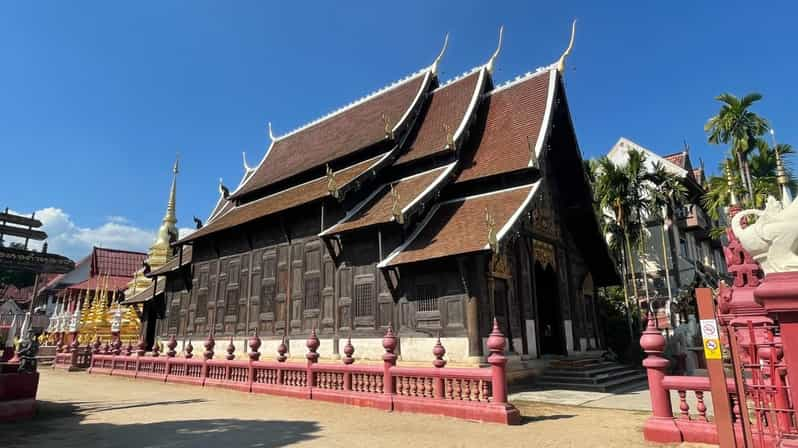
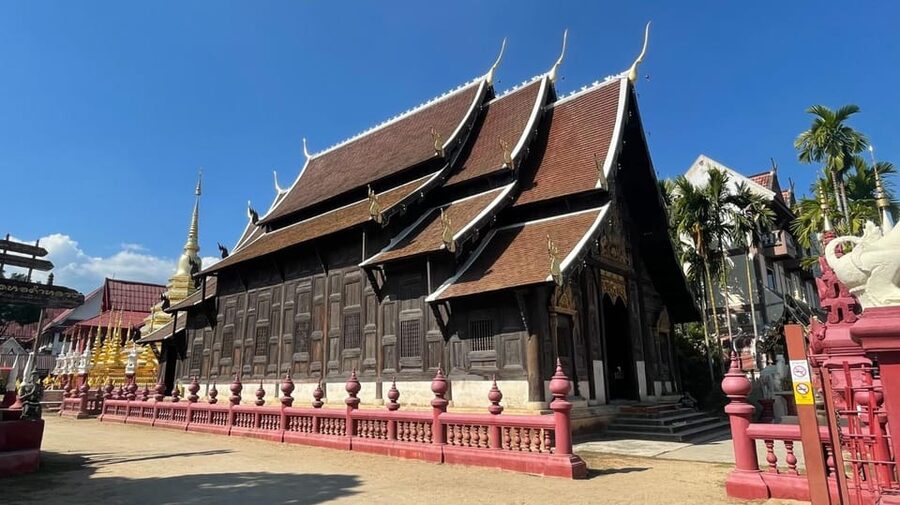
Next comes Wat Pan Tao, a great example of traditional Lanna architecture. The tour explains that it was originally part of the old royal palace complex. That connection helps you understand why the architecture matters beyond aesthetics. It’s tied to authority and court life.
You’ll get a guided visit (about 15 minutes), and the walk itself keeps things moving. This is the kind of stop where you can look for details—curves, shapes, and layout cues—without feeling rushed. If you like architecture, this is one of your best chances during the four-hour window.
Also, it’s a nice transition stop between the morning’s historical civic sites and the final temple, Wat Chedi Luang.
Wat Chedi Luang to close: Chiang Mai’s enduring symbol
The tour ends at Wat Chedi Luang, one of the most recognizable symbols in Chiang Mai. Your guide shares historical events and explains why it matters to the city.
This closing is smart because it gives your day a “bookend.” You started with Lanna’s political story at Tha Pae Gate, and you finish with a temple symbol tied to how the city remembers and honors its past.
You’ll spend about 30 minutes here, which is enough time to feel like you visited, not like you rushed past. It also makes it easier to reflect on everything you learned earlier: the kingdom’s rise and challenges, the way monarchs shaped identity, and how temples became part of that identity.
By the time you leave, you’ll likely notice the city’s layout more clearly—the way older walls, moats, and landmark clusters tell a story of protection, movement, and tradition.
Price and practical logistics: what you actually get for $45
At $45 per person for about 4 hours, this tour is priced to feel fair—especially because it includes more than just guiding.
You get:
- a local expert guide (Richard)
- entry fees to the historical and cultural sites visited
- a two-way hotel transfer
- a bottle of drinking water
- a complimentary beverage at a café
- local snacks during the route
Meals are not included, so you’re not paying for lunch you might not even want. That’s a tradeoff. You’ll taste snacks and coffee, but you’ll still need to plan a proper meal on your own afterward.
The other practical factor is walking. Bring sports shoes. You’ll be on sidewalks and temple grounds, and some sections can be uneven—especially near the renovation site. Wear clothes that let you move comfortably and that you’d feel okay wearing inside religious areas.
Also note the rules:
- no short skirts
- no alcohol or drugs
- dress to show respect for the Buddhist temples
Who this walking tour fits best (and who should skip it)
This tour is a good fit if you want Chiang Mai’s Lanna story to feel coherent. You’re not just seeing temples; you’re connecting political history, architecture, monarchy, and everyday life through markets and local snacks.
It’s also a good choice for people who like asking questions. The tour runs as a private group, which usually means the guide can adjust pacing and answer you directly in English.
It’s not a fit for:
- children under 8
- people over 80
If you’re older but still steady on your feet, you might want to double-check how comfortable you feel with temple walking. If you’re not sure, you can ask your operator about pace and stops.
Should you book the Lanna Heritage Walking Tour?
If you want a short, guided day that connects Chiang Mai’s landmarks to the Lanna Kingdom story, I think this is an easy yes. The mix is well-balanced: Tha Pae Gate history, Wat Chiang Man carvings, market life at Sompet Local Market, education and monuments, the fascinating renovation site, then finishes with Wat Pan Tao and Wat Chedi Luang.
I’d only hesitate if you need a meal fully included, or if temple dress rules and steady walking feel like a hassle. With the right shoes and a bit of planning for food afterward, it’s a strong value for the price, mainly because entry fees, transfers, and guided time are baked in.
If you’re in Chiang Mai for only a few days and want your photos to come with meaning, this tour gives you that. It helps you look at the city like a story you can follow step by step.
FAQ
How long is the Lanna Heritage Walking Tour?
It lasts 4 hours.
Where does the tour meet?
You can either be picked up from your hotel or meet at Tha Pae Gate.
Is there an English-speaking guide?
Yes. The tour includes a live guide in English.
What’s included in the $45 price?
The price includes a guided tour by a local expert, entry fees, a bottle of drinking water, a complimentary coffee or drink at a selected café, local snacks, and two-way hotel transfer.
Are meals included?
No. Lunch and other meals are not included, so you’ll need to plan your own meal separately.
What should I wear or bring?
Bring sports shoes and dress appropriately for temple visits (short skirts are not allowed). The tour is not suitable for children under 8 or people over 80.