REVIEW · AMSTERDAM
LGBTQI+ History Tour of Amsterdam
Book on Viator →Operated by Special Amsterdam Tours · Bookable on Viator
Amsterdam’s queer story isn’t tucked away. It’s walked into the light, stop by stop, with Henk guiding you through places that connect gay rights to the city’s very streets. I love the small group feel here, because it means you can ask real questions instead of just holding your camera up.
Two things I especially like: the tour starts at the Gay Monument with a clear message about victims in past, present, and future, and it keeps going into lived-in areas like Dam Square and the Red Light District. One consideration: this is a walking tour, and it covers multiple central neighborhoods, so you’ll want comfortable shoes and a willingness to stand and walk at a city pace.
In This Review
- Key Highlights You’ll Feel from the First Stop
- A Walking Tour That Links Rights to Real Streets
- Meeting at Westermarkt: Timing, Pace, and What’s Included
- Stop 1 at the Gay Monument: Where the Story Starts for Past, Present, and Future
- Canal Walk Toward Dam Square: 17th-Century Houses and City Planning
- Dam Square and the Royal Palace Area: Big Power, Big Visibility
- The Dam Square Stop: Where Everything LGBT-Related Can Feel Like It’s in One Spot
- Red Light District Walk: The Leather Street Story and Questions You Can Ask
- Chinatown to the Oldest Gay Bar: Rough Streets, Wartime Rules, and Bet van Beeren
- Price and Value: Why $42.33 Can Make Sense for the Time You Spend
- Who This Tour Is Best For (and When to Skip It)
- The Bottom Line: Should You Book This Amsterdam LGBTQI+ History Tour?
- FAQ
- How long is the LGBTQI+ History Tour of Amsterdam?
- What time does the tour start, and where do I meet?
- What’s the group size limit?
- Is the tour offered in English?
- Is there a mobile ticket?
- What is included in the price?
- Which stops include admission tickets?
- Do I need to bring anything?
- Do I get to enter the Royal Palace?
- What if the weather is bad or the tour doesn’t meet the minimum?
Key Highlights You’ll Feel from the First Stop
- Henk’s lived connection to Amsterdam’s gay movement gives the stories extra weight and clarity
- Gay Monument + Dam Square admission tickets are included where the tour directs you
- Canals and 17th-century planning show how the city’s layout shaped its social history
- Red Light District context including the leather street angle, not just name-dropping
- Ending at Bet van Beeren in the Chinatown area, tied to the city’s LGBTQ nightlife history
A Walking Tour That Links Rights to Real Streets
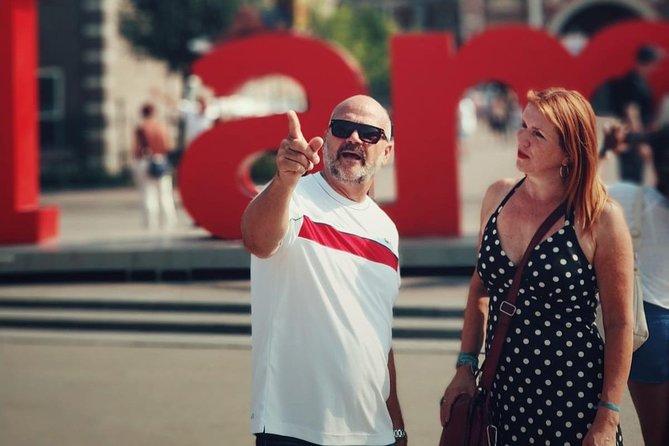
If you only do the usual Amsterdam hits, you’ll miss how the city actually became a place where LGBTQI+ life could be visible. This tour is built around that thread: where people were, what the city allowed, and how visibility changed over time.
You start with remembrance, then you move into ordinary-looking streets that turn out to have outsized meaning. And because the group is capped at 15, you get more than a lecture. You get back-and-forth conversation when you want it.
You can also read our reviews of more historical tours in Amsterdam


Meeting at Westermarkt: Timing, Pace, and What’s Included
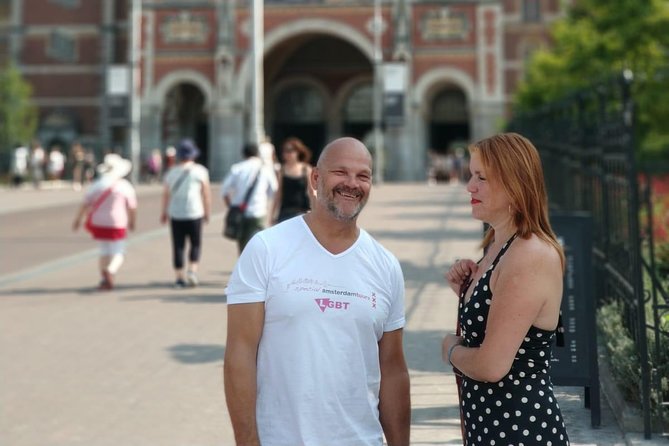
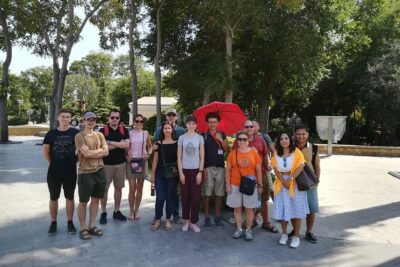
You meet at Westermarkt 2L (1016 DW), with an 11:00 am start. Expect about 2 hours on foot, and plan to keep moving—this is a city-walk day, not a sit-and-stare day.
The basics are simple. You get the tour escort/host, and that’s it—so bring your own water and walking shoes. Admission is only included at certain stops, so you’ll want to listen closely when the guide points out what’s covered and what isn’t.
Stop 1 at the Gay Monument: Where the Story Starts for Past, Present, and Future
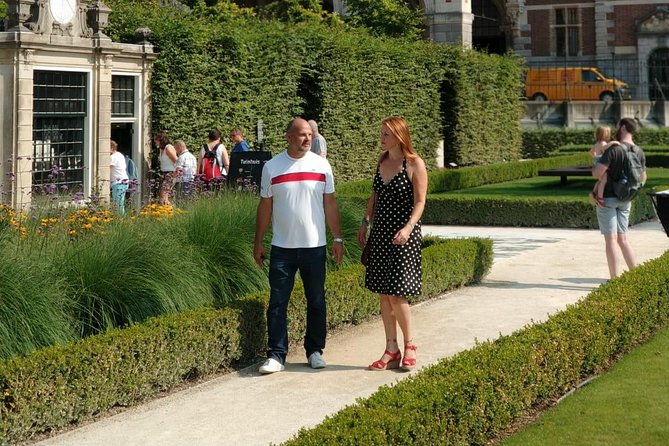
The tour kicks off at the Gay Monument, specifically dedicated to gay victims in the past, present, and future. This is where Henk sets the tone: Amsterdam’s LGBTQI+ story isn’t just about pride events and bars. It also includes the people who were targeted and erased.
You’ll spend around 30 minutes here, and the experience includes an admission ticket for this stop. The monument highlights how the Netherlands achieved something first-in-the-world: an early, public commitment to memorializing gay victims.
Why this stop matters for your trip: it prevents the “history as entertainment” trap. Instead, you get context before you see the city’s more playful or nightlife-side landmarks. It makes later stops feel like evidence, not just atmosphere.
Practical note: monuments can be windy or chilly on a canal-adjacent day, so having a layer helps.
Canal Walk Toward Dam Square: 17th-Century Houses and City Planning
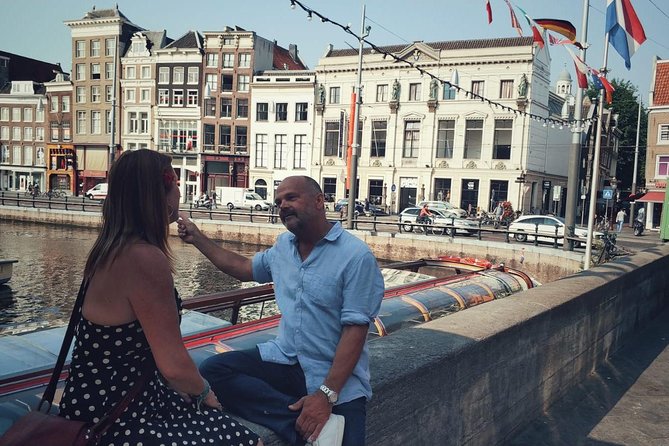
After the monument, you head along the canals toward Dam Square, with stops that focus on the 17th-century houses and how early city planning worked. One of the tour’s key ideas here is that Amsterdam’s layout didn’t happen by accident—it shaped movement, visibility, and community.
This part is great if you like the “why does the city look like this?” question. You’ll also get an easy mental map built into the route, which helps later when you’re wandering on your own.
The only possible drawback: if you’re mainly hunting for nightlife history and want more bar-focused time, this section is more architectural and urban. It’s still relevant, but it’s not all neon and door signs.
Dam Square and the Royal Palace Area: Big Power, Big Visibility
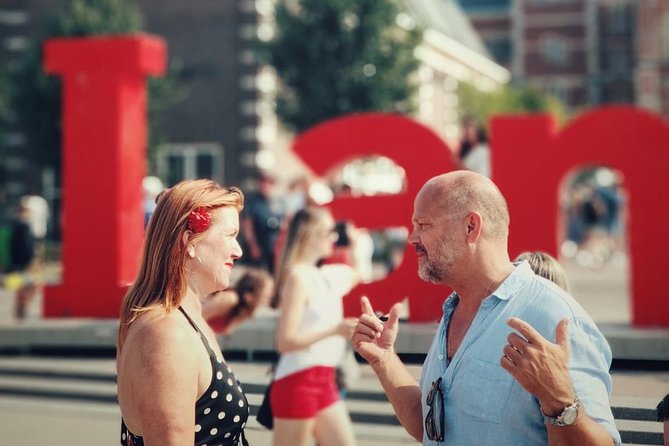
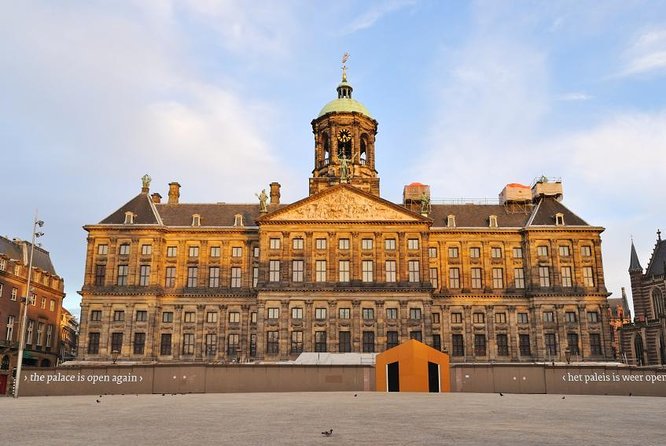
Dam Square is the center of Amsterdam, and this tour treats it like more than a photo spot. You’ll hear the origin of the Royal Palace on the square and how it connects back to gay life in the 17th century.
You won’t have time to go inside the Palace. Also, admission isn’t included for this stop. Still, it’s worth knowing the connection—Dam Square’s institutions and public spaces matter, especially when you think about who had power and who had to keep quiet.
Why it’s valuable even without Palace entry: it gives you a lens for reading the square. When you look at the buildings after the tour, you’re not just seeing “royal architecture.” You’re seeing a stage where society could be strict, but also where people found ways to exist.

The Dam Square Stop: Where Everything LGBT-Related Can Feel Like It’s in One Spot
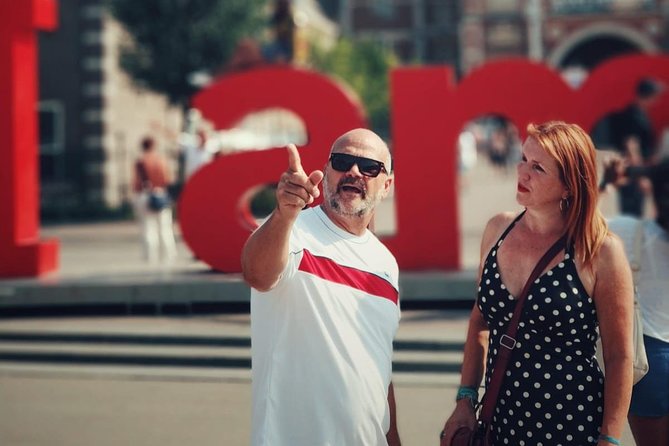
You’ll have a specific stop at Dam Square that focuses on its long history and asks the bigger question: what happens here? The tour frames it as a place where LGBTQI+ stories show up alongside everyday life.
There’s an admission ticket included at this stop, so it’s not just a wandering briefing. You’ll also get a sense of how the city’s central spaces became part of the broader narrative—public enough to matter, important enough to remember.
One thing to consider: Dam Square can be crowded. Even with a small group, you’ll want to stay aware of your surroundings and keep a steady pace so the group doesn’t break apart.
Red Light District Walk: The Leather Street Story and Questions You Can Ask

Next comes one of the most misunderstood parts of Amsterdam for first-time visitors: the Red Light District. The tour doesn’t treat it like a gimmick. You’ll walk through with context, including talk about the leather street of Amsterdam.
If you’re curious, Henk encourages questions on the way. That’s part of why this tour works well: you can steer your own curiosity without taking over the whole experience.
Worth saying plainly: this is still an active nightlife area. Expect storefront lighting, crowds, and street-level noise. It’s not the calmest stretch of the walk, so if you don’t like busy areas, pace yourself.
Chinatown to the Oldest Gay Bar: Rough Streets, Wartime Rules, and Bet van Beeren
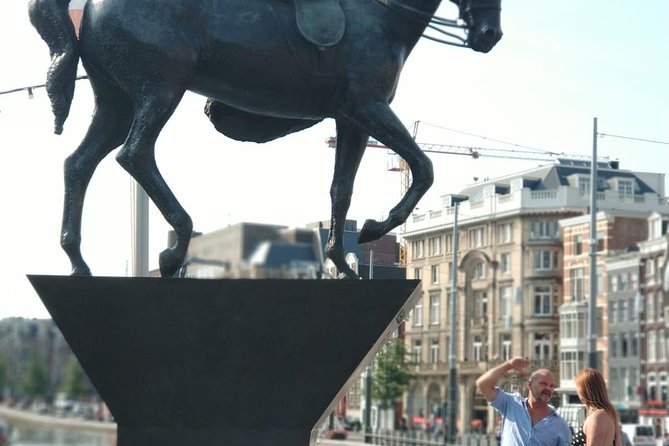
The final stretch moves into the China town area. The tour frames it as once the roughest street in Amsterdam—then connects that toughness to LGBTQ nightlife history and the way certain pockets became safe (or safer) for people to gather.
One of the standout bits of the story here is wartime context. You’ll hear why German soldiers in WWII were not allowed in this part of the city. That’s a powerful detail because it’s not just about individual survival; it’s also about how local spaces could resist occupation dynamics.
You’ll also hear about the oldest gay bar in Amsterdam, and you’ll end at Café ’t Mandje on Zeedijk 63. This ending matters because you leave the walking route with a real place attached to the stories—not just a landmark and a goodbye.
Practical tip: this is a good moment to slow down. If you want to compare what you learned with what you see next day, sitting with a drink can help the history stick.
Price and Value: Why $42.33 Can Make Sense for the Time You Spend
At $42.33 per person for about 2 hours, this isn’t a “cheap and cheerful” add-on. It’s priced like a guide-led experience—one that gives more than a route.
Here’s where the value comes from:
- The group is capped at 15, which changes the feel from scripted tour to conversation.
- You get included admission at key stops: Gay Monument and a stop at Dam Square.
- The guide’s connection to Amsterdam’s gay movement adds a human layer that you don’t get from standard “facts only” tours.
The main cost consideration is what you don’t get. There’s no transportation included, and the tour doesn’t include meals. You’re also responsible for water and keeping comfortable enough to walk the whole way.
For most people, the “value” calculation works like this: if you want a historical LGBTQI+ viewpoint tied to real places, and you like asking questions, the price starts to feel fair.
Who This Tour Is Best For (and When to Skip It)
This is a strong fit if you want LGBTQI+ history that’s integrated into Amsterdam’s geography. You’ll get the practical storytelling you need to make sense of the city beyond the postcard version.
It’s also a good choice for straight allies. The tour is set up as welcoming, and Henk’s approach makes room for questions without making it feel like you’re taking up space.
Skip or adjust expectations if you’re only interested in nightlife. You’ll see bars and end in that world, but the tour spends serious time on memorial context and public-space history.
Also consider skipping if walking through busy central areas (Dam Square and the Red Light District) is stressful for you. The route is doable for most people, but the city tempo is real.
The Bottom Line: Should You Book This Amsterdam LGBTQI+ History Tour?
I’d book it if you want a tour that treats LGBTQI+ history like history, not a side note. Starting at the Gay Monument grounds the whole experience, and ending at Café ’t Mandje on Zeedijk gives you a natural place to reflect and continue the night (at a pace you choose).
I’d think twice if you hate walking, dislike crowds, or expect the Royal Palace visit to be part of the package. It’s connected to the story, but you don’t go inside.
If you like small-group tours with a guide who has firsthand perspective—especially someone like Henk—this is one of the more meaningful ways to spend a couple hours in Amsterdam.
FAQ
How long is the LGBTQI+ History Tour of Amsterdam?
It runs for about 2 hours.
What time does the tour start, and where do I meet?
The start time is 11:00 am, and the meeting point is Westermarkt 2L, 1016 DW Amsterdam. You finish at Café ’t Mandje, Zeedijk 63, 1012 AS Amsterdam.
What’s the group size limit?
The tour has a maximum of 15 travelers.
Is the tour offered in English?
Yes, it’s offered in English.
Is there a mobile ticket?
Yes, the tour uses a mobile ticket.
What is included in the price?
The tour includes the tour escort/host.
Which stops include admission tickets?
The Gay Monument stop includes an admission ticket, and the Dam Square stop includes an admission ticket. The Royal Palace stop does not include admission tickets.
Do I need to bring anything?
You should bring your own water and wear walking shoes.
Do I get to enter the Royal Palace?
No. The tour covers the origin and connection to gay life, but you don’t have time to visit the Palace.
What if the weather is bad or the tour doesn’t meet the minimum?
The experience requires good weather. If it’s canceled due to poor weather, you’ll be offered a different date or a full refund. If it’s canceled because the minimum number of travelers isn’t met, you’ll also be offered a different date/experience or a full refund.