REVIEW · JODHPUR
walk to bluecity heritage tour
Book on Viator →Operated by Walk to blueCity heritagetour · Bookable on Viator
Jodhpur’s blue magic starts on narrow streets. This guided walking tour gets you access that bus tours usually can’t, with a guide handling the route so you can stop worrying about directions and just look around. You’ll also enjoy little breaks along the way, including drinks and a samosa.
I especially like the on-foot access to spots in the older parts of town, because you see the details that big vehicles miss. And when your guide is someone like Bantu or Prabhat, the storytelling feels personal, not just dates on a map.
One consideration: this experience needs good weather and you’ll be walking at street level, including narrow alleys and hill viewpoints, so it’s best if you’re comfortable with a couple of active stretches.
In This Review
- Key highlights at a glance
- Why a 2.5-Hour Walk Works for Jodhpur’s Blue City
- Meet at the Clock Tower: Time, Pickup, and the Flow of the Day
- Stop 1: Toorji Ka Jhalra Step Well and the Power of Old Water
- Stop 2: Pachetia Hill for the 360° Blue-City View
- Stop 3: Navchowkiya (Brahmpuri) Near Fateh Pol and Everyday Heritage
- Stop 4: Ranisar and Padamsar Lakes Built in 1459
- Stop 5: Clock Tower Market Finale and a Gentle Shopping Option
- What You’ll Learn: Architecture, Color, and the Stories Behind It
- Food Breaks: Drinks and a Samosa Without Turning It Into a Food Tour
- Price and Value: What You Get for $11
- Who This Walking Tour Fits Best
- Quick practical tips before you go
- Should you book this Walk to blueCity Heritage Tour?
- FAQ
- How long is the walking tour?
- What time does the tour start?
- Where do we meet and where does the tour end?
- Is pickup available?
- Is this tour private?
- What stops are included on the route?
- Are admission tickets included for the stops?
- Is there food included?
- What happens if weather is bad?
- FAQ
- How far in advance should I book?
- Can I cancel and get a refund?
- Is mobile ticketing used?
Key highlights at a glance
- On-foot route, no navigation work so you can focus on streets, doors, and views instead of your phone
- Local guiding with real enthusiasm (you’ll hear names like Bantu and Prabhat come up for a reason)
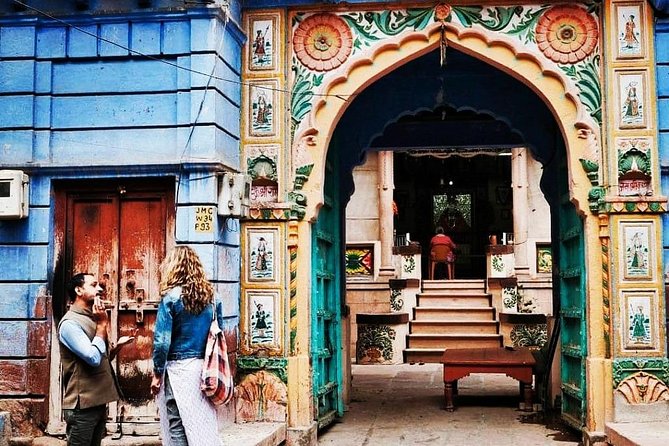
- Photo-friendly stops from step wells to a hill with 360° views over the blue city
- Quick heritage stops with practical timekeeping: around 2.5 hours total
- Treats built into the walk including drinks and a samosa
- Ticket coverage varies by stop so you’ll know where admissions are included vs. free
Why a 2.5-Hour Walk Works for Jodhpur’s Blue City
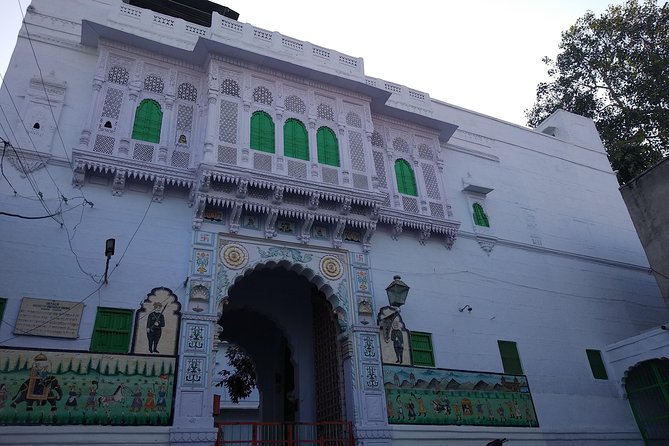
Jodhpur’s “blue city” isn’t a single viewpoint. It’s a patchwork you experience block by block, alley by alley, where color shows up on walls, steps, and temple edges. A walking format is a big advantage here because it keeps you close to the textures: carved stone, changing light, and those tight lanes where you can actually feel the rhythm of the neighborhood.
This tour is designed for exactly that kind of sightseeing. It runs about 2 hours 30 minutes, and the schedule is paced with short stops rather than long lectures. That matters because Jodhpur can move fast in the sun, and if you want photos, conversations, and time to look closely, you need breathing room.
Also, there’s no navigation stress. The guide takes care of the route, which is a relief in a city where getting turned around can eat up your sightseeing time. Even better, you’re not stuck with only “big ticket” monuments. You visit everyday heritage spaces that make the blue city feel real.
You can also read our reviews of more walking tours in Jodhpur



Meet at the Clock Tower: Time, Pickup, and the Flow of the Day
The walk starts at 8:30 am and the tour starts and ends at the Clock Tower. Morning is smart for Jodhpur walking. Light is often better for photos, streets feel calmer, and you’re less likely to feel worn out before the hill viewpoint.
Pickup is offered, which is useful if you don’t want to waste time figuring out how to reach the meeting point. The tour can also be private for your group, meaning you won’t be competing for attention in a crowded pack. That “only your group participates” setup tends to make it easier to ask questions and get a route that fits your pace.
The itinerary is built around short timed stops (for example, 10 minutes at the step well, 15 minutes at the hill, and other compact segments). In practice, that helps you keep energy up while still hitting multiple kinds of heritage—waterworks, neighborhoods, lakes, and the market area near the Clock Tower.
Stop 1: Toorji Ka Jhalra Step Well and the Power of Old Water
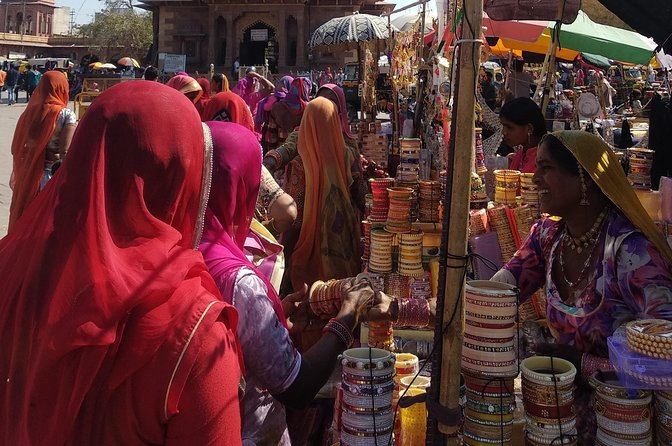
Your first stop is Toorji Ka Jhalra (Toorji’s Step Well), built in the 1740s by a queen (connected to Maharaja Abhay Singh). Step wells like this are more than “cool architecture.” They were practical infrastructure—places shaped for cooling, gathering, and water access.
This stop includes an admission ticket, and it’s timed at about 10 minutes. That’s short, but it’s enough for you to notice the key features: the stepped structure, the sense of vertical space, and how such a building fits into its surrounding neighborhood.
A step well visit early in the walk also helps you orient to what you’ll see later. The theme becomes clear: Jodhpur’s heritage isn’t only temples and forts. It’s also how communities managed water and designed public spaces.
Stop 2: Pachetia Hill for the 360° Blue-City View
Next is Pachetia Hill, a hill in the middle of the city that offers 360° views over the blue city. This is the kind of stop that instantly rewards your effort. It also gives you the “big picture” that makes the later street-level details easier to understand.
This segment lasts around 15 minutes, and the admission is free. Short hill stops can be tricky if you’re hoping for long climbs, but here the timing suggests it’s meant to be efficient: get the view, take the photos, then keep moving.
If you care about photography, go into this stop with a plan. The blue effect can change with angle and cloud cover. A local guide can also help you avoid awkward spots and point out which directions tend to look best.
Stop 3: Navchowkiya (Brahmpuri) Near Fateh Pol and Everyday Heritage
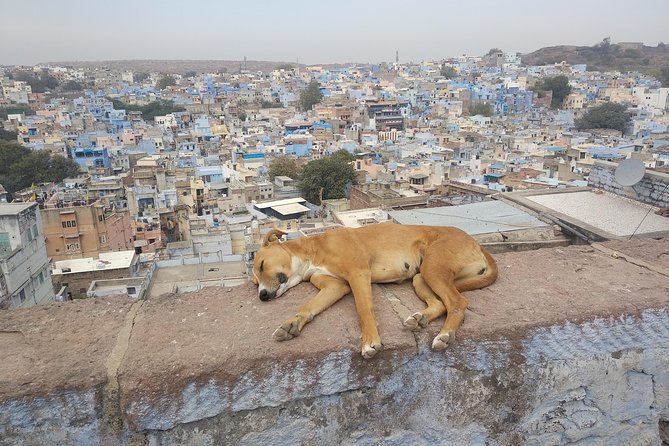
The tour then shifts from views back to neighborhood heritage at Navchowkiya, also described as Brahmpuri, a colony near Fateh Pol. The date mentioned here is 1459, when the foundation of Mehrangarh Fort was laid—so you’re not just looking at buildings, you’re stepping into a timeline.
This stop is about 25 minutes, and admission is free. That longer window is useful because neighborhood architecture needs a little more time to “read.” Rather than rushing past, you can notice the way the streets and structures relate to each other.
There’s also a social feel to this kind of stop. You’re walking through a living part of the city where people live, work, and move. That’s one of the reasons guided walking tours often feel more authentic than a single monument visit.
One practical benefit: if you want to understand how the blue city functions day to day, this is where it starts to click.
You can also read our reviews of more historical tours in Jodhpur



Stop 4: Ranisar and Padamsar Lakes Built in 1459
After the neighborhood segment, the walk includes a brief visit to Ranisar Padamsar Lakes—two adjacent lakes constructed in 1459. This is timed at about 5 minutes, with admission included.
Even with a short stop, lakes can change the atmosphere. They add open space and a different kind of texture to the walk—stone edges, water reflections (when conditions allow), and that “breathing space” effect that you don’t always get in dense lanes.
Because the stop is quick, I treat it like a pause rather than a deep visit. Take a few photos, look for the way the lakes integrate into the city fabric, and then let your guide’s narration connect it back to what you’ve already seen.
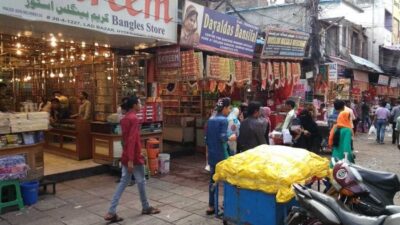
Stop 5: Clock Tower Market Finale and a Gentle Shopping Option
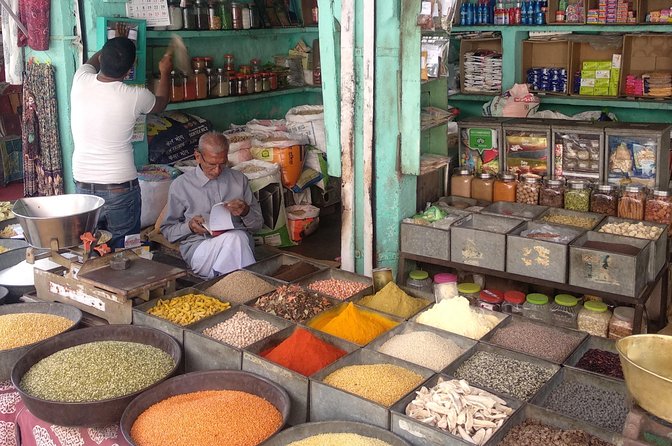
The tour returns to the Clock Tower, and the last stop is the Clock Tower Market area. The Clock Tower was built during the reign of Maharaja Sardar Singh, in the late 19th to early 20th century period.
This segment is about 15 minutes with admission included. In many cities, a market stop can feel rushed. Here, the timing is short enough to keep the walk from dragging, but long enough to browse without panic.
One of the nicest parts of the tour format is that the route is designed for the walking experience, not for pushing you into a nonstop shopping marathon. If you see a shop you genuinely want to check, you should feel comfortable asking to pause briefly. The walk stays flexible as long as you don’t hold up the full group.
What You’ll Learn: Architecture, Color, and the Stories Behind It
The biggest value of this tour isn’t just where you go. It’s how you understand what you’re looking at.
You get practical guidance on architecture and how places like step wells and lakes served real community needs. You’ll also pick up context that links neighborhoods to larger city developments, like the connection around Fateh Pol and the Mehrangarh Fort foundation timeline.
Guides named Bantu and Prabhat come up for their storytelling and local pride. That kind of guide energy changes your experience. Instead of seeing “random sights,” you start noticing patterns: how water systems and public spaces shaped urban life, why viewpoints matter, and how the older parts of town carry layers of time.
If you like photo walks, this helps too. You’re not just taking shots, you’re learning where the blue looks best and what details are worth zooming in on.
Food Breaks: Drinks and a Samosa Without Turning It Into a Food Tour
This walk includes treats along the way, including drinks and a samosa. That matters more than you might think, especially on a city walk that starts in the morning.
A small snack break keeps your energy steady. It also makes the tour feel more relaxed and local, not like you’re sprinting from site to site. And because the tour is guided, the snack stop usually feels built into the route rather than an awkward detour.
If you’re sensitive to spice or prefer mild food, you can still manage this easily by pacing the snack and taking small bites. The tour isn’t described as a long meal experience—just a quick, refreshing stop.
Price and Value: What You Get for $11
At $11 per person, this is strong value for a guided, structured walking tour in Jodhpur. You’re paying for three things that add up quickly on your own: route planning, local narration, and access to stops that are best experienced on foot.
The duration is about 2.5 hours, and the itinerary includes multiple heritage locations, including places where admission is either included or free. Even if you were to visit these sights individually, you’d still spend time figuring out sequences, timing, and which stops offer easy entry.
It’s also good to note the tour format:
- Private by group (only your group participates)
- Pickup offered (if you need it)
- Group discounts (helpful if you’re traveling with others)
- Mobile ticket (less hassle at the start)
One extra detail worth considering: the average booking window is about 9 days in advance. If you’re traveling in peak season or on a busy weekday morning, booking ahead helps you avoid getting stuck with fewer time slots.
Who This Walking Tour Fits Best
This is a good match if you want:
- a guided walk that’s easier than DIY navigating
- a practical route with heritage stops and viewpoints
- time for photos without a long, exhausting trek
- a guide who adds personality, not just facts
It also sounds well-suited to people who want to understand everyday Jodhpur life in the older parts of the city, not only the most famous monuments.
The tour notes that most travelers can participate, which suggests the route is broadly manageable. Still, it’s a walking tour. If you have mobility limits or prefer minimal stairs, you’ll want to assess your comfort level—especially with the hill viewpoint.
Quick practical tips before you go
- Wear walking shoes. You’ll be in alleys and around uneven surfaces.
- Bring sun protection for the morning heat shift, especially if you’re photo-hunting.
- If you’re sensitive to crowds, a private group setup helps, but morning markets can still be busy.
- Keep some flexibility. The tour includes short timed stops, and a good guide may pause for better angles or questions.
Also keep the weather in mind. The experience requires good weather, and if conditions are poor, the plan may be adjusted.
Should you book this Walk to blueCity Heritage Tour?
If you’re in Jodhpur for a short time and you want to get oriented fast, I’d book this. For the price, you’re getting a focused route that mixes water heritage, a major viewpoint, neighborhood history, lakes, and a Clock Tower market finish—plus food treats to keep the energy up.
Skip it only if you strongly dislike walking, you want a long, museum-style experience, or you’re traveling when weather is unreliable. For most people who want the blue city to feel real, this is the kind of tour that turns sightseeing into understanding.
FAQ
How long is the walking tour?
The tour lasts about 2 hours 30 minutes.
What time does the tour start?
The start time is 8:30 am.
Where do we meet and where does the tour end?
The tour starts and ends at the Clock Tower in Jodhpur.
Is pickup available?
Yes, pickup is offered.
Is this tour private?
It’s listed as private, meaning only your group participates.
What stops are included on the route?
You’ll visit Toorji Ka Jhalra Step Well, Pachetia Hill, Navchowkiya near Fateh Pol, Ranisar Padamsar Lakes, and then the Clock Tower Market area.
Are admission tickets included for the stops?
Admission is included for Toorji Ka Jhalra Step Well, Ranisar Padamsar Lakes, and the Clock Tower Market. Admission is free for Pachetia Hill and Navchowkiya.
Is there food included?
Yes. The tour includes treats along the way, including drinks and a samosa.
What happens if weather is bad?
The experience requires good weather. If it’s canceled due to poor weather, you’ll be offered a different date or a full refund.
FAQ
How far in advance should I book?
On average, this tour is booked about 9 days in advance.
Can I cancel and get a refund?
Free cancellation is available if you cancel at least 24 hours before the experience’s start time. If you cancel less than 24 hours before, the amount paid is not refunded.
Is mobile ticketing used?
Yes, the tour offers a mobile ticket.