REVIEW · LUANG PRABANG
Luang Prabang: UNESCO World Heritage City Highlights Tour
Book on GetYourGuide →Operated by Manifa Travel Co Ltd · Bookable on GetYourGuide
Monks’ morning chanting sets the rhythm for Luang Prabang. This UNESCO World Heritage highlights tour strings together the big cultural hits: alms-giving at dawn, temple hopping, and a climb to Phousi Hill, with hotel transfers that keep the day from turning into a logistics puzzle.
I love how the schedule helps you see the city before it gets loud, especially around the morning market and early temple atmosphere. My favorite part, though, is the temple circuit and the view from Phousi—simple, meaningful, and very Luang Prabang.
There is one thing to plan around: entrance fees are mostly not included (paid on site in cash), and the Royal Palace has strict dress rules. So if you’re arriving in shorts or short skirts, you’ll want to have a cover-up ready before you’re turned away.
In This Review
- Key points to know before you go
- Choosing between half-day, full-day, and the 6am start
- Alms-giving at dawn: what you’re really seeing
- The morning market: a fast way to understand daily life
- Wat Xieng Thong and temple hopping in Luang Prabang style
- Royal Palace, the National Museum, and the stories behind objects
- Mount Phousi climb: the view is the reason you do it
- Kuang Si Falls: when the schedule gives you real water time
- Cultural add-ons: paper village and UXO history in a full-day plan
- Guide quality makes or breaks the day
- Price and logistics: does $35 really work?
- Who should book this Luang Prabang UNESCO highlights tour
- Should you book this UNESCO highlights tour?
- FAQ
- How long is this Luang Prabang highlights tour?
- What’s included in the price?
- What is not included?
- Do I need cash for temples and palaces?
- What time is the early start for alms-giving?
- Is there time to rest or have breakfast?
- Is the guide available in English?
- Can I choose different destinations in the full-day options?
- What’s the dress code at the Royal Palace?
- Is the tour private or small group?
Key points to know before you go
- Early alms-giving puts you close to daily Buddhist life, not just sightseeing photos
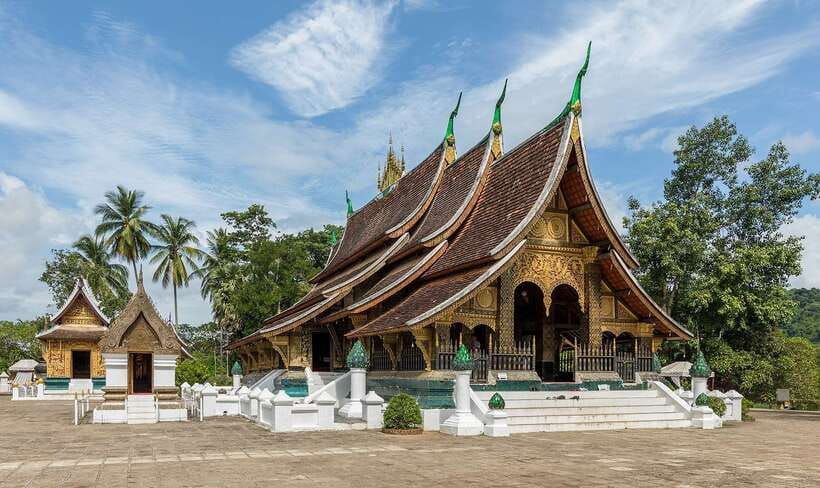
- Wat Xieng Thong + temple hopping gives you the classic low-roof Luang Prabang style fast
- Phousi Hill climb rewards you with a wide, 360-degree view over town and rivers
- Kuang Si Falls option adds a nature break with real time to enjoy the water
- Full-day add-ons can include Ban Xang Khong paper village, UXO history, and more temples
- Guides with lived experience are a big factor, with some guides being former monks
Choosing between half-day, full-day, and the 6am start
This tour is built in layers, so you can match it to your energy level. You’ll find multiple options for the day: a Half-Day City Tour, a Half-Day City Tour + Kuang Si Falls, and a Full-Day City Tour. All versions focus on the UNESCO core, with extra stops added depending on what you choose.
The real difference-maker is the 6am starting option. That version adds two things that change how the town feels: the early alms-giving ceremony and the morning market. You also get a break afterward for breakfast and rest before the tour continues with the main sightseeing.
If you’re traveling with limited time and want the highest concentration of Luang Prabang’s icons, the full-day options make sense. If you’d rather move slower or you already have a plan for Kuang Si, the half-day city route keeps things tight.
One practical note: even though you’re seeing a lot, you’re not on your own. Hotel pickup and drop-off are included, and the day is broken into chunks so you’re not sprinting between places the entire time.
You can also read our reviews of more tours and experiences in Luang Prabang.

Alms-giving at dawn: what you’re really seeing
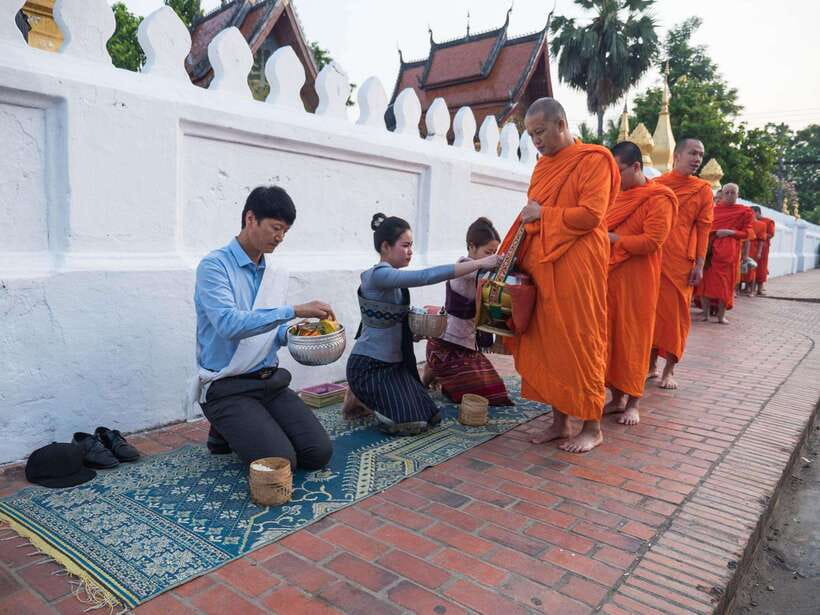
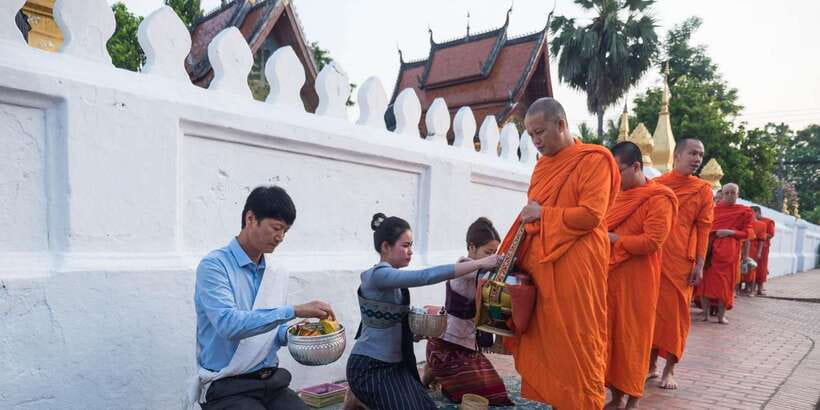
The added alms-giving portion is the tour’s emotional anchor. After hotel pickup, you join locals at a designated spot and watch monks receive offerings as they walk through town. It’s not a performance for tourists. You’re just present for a centuries-old daily ritual, and that difference matters.
Here’s what I’d pay attention to when you’re there:
- Watch how people behave: quiet, careful, and focused
- Notice the routine feel—this is daily life, not a staged show
- Keep your camera ready, but don’t block people who are offering
The timing is early for a reason. If you do the regular start without alms, you’ll still see temples and viewpoints—but you’ll miss this part of what makes Luang Prabang feel like itself. Several guides on this program have strong Buddhist perspectives; for example, some have been former monks for years, and it shows in how they explain the ritual without turning it into a lecture.
After alms, the tour moves you to the morning market. This is where you can connect faces to food: produce, ingredients, and daily shopping rhythms. The market is also the first place you’ll feel crowd levels rise later in the day, so seeing it early is a real advantage.
The morning market: a fast way to understand daily life
The market stop is short, so go into it with intention. I like treating the morning market as a “map in motion.” Instead of trying to buy everything, focus on what’s on stalls and how people use it: herbs, fruit, and everyday staples. It’s one of the quickest ways to understand what locals actually eat and cook.
Your guide helps you read what you’re seeing, and you’ll usually move on before it gets fully packed. That matters because later crowds can make it harder to look closely. Here, the goal is to understand the town’s rhythms first, and shop if you want to after.
Wat Xieng Thong and temple hopping in Luang Prabang style
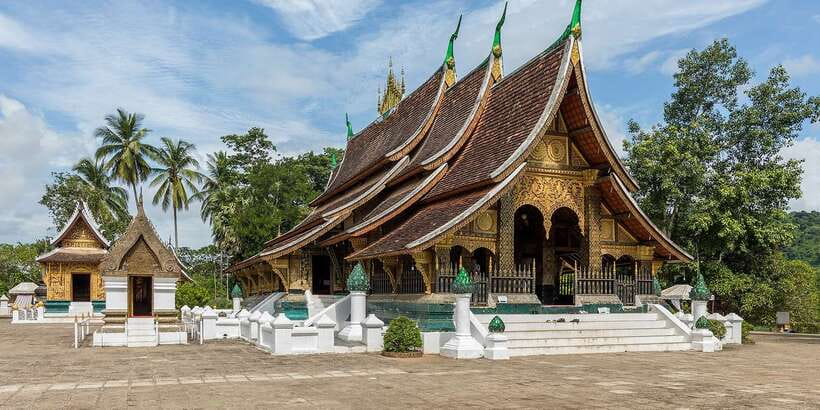
Once the day shifts into sightseeing mode, you’ll start with one of the big names: Wat Xieng Thong. It’s described as one of the most revered temples in Laos, and the architecture is classic Luang Prabang—low, sweeping roofs and detailed ornamentation that rewards slow looking.
You’ll also get a quick orientation point at the peninsula where the Nam Khan River meets the Mekong. It’s a small stop, but it helps you “place” the city geographically. Then you walk into the temple zone and see pilgrims moving through the spaces—another reminder that these places are still living religious sites.
From there comes temple hopping around the neighborhood, which is exactly the right way to learn the basics of Luang Prabang’s Buddhist visual language. The guide explains what different elements mean and how temple art fits into everyday belief.
One thing to know: temple visits involve time standing and walking, and you’ll be taking pictures in tight spaces. If your goal is photography perfection, you may need to be a bit patient. A few people reported getting rushed at times, so if you want extra photo time, politely ask your guide to pause at your favorite details.
Royal Palace, the National Museum, and the stories behind objects
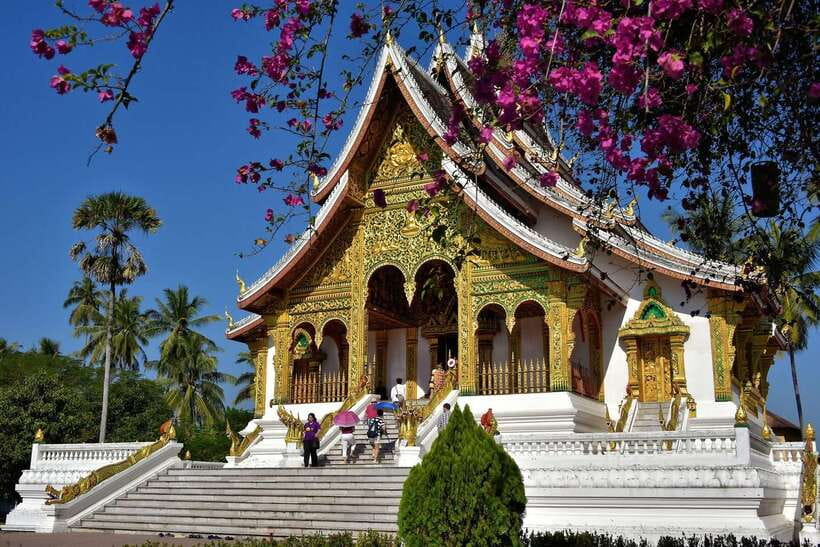
Royal history is part of Luang Prabang’s UNESCO identity, and the tour makes sure you hit it. You’ll visit the Royal Palace area to see historical items, with explanations of Lao royal heritage and how the palace reflects a mix of traditional Lao motifs and French Beaux-Arts architecture.
After that, you’ll stop at the National Museum of Luang Prabang, which gives you artifacts and historical context in a more exhibit-style setting. This pairing works well: palace buildings explain power and design, while museum objects explain what that power left behind.
Important practical detail: admission fees for major sites are paid in cash on site. The program lists costs for places like Wat Xieng Thong (30,000 LAK), the Royal Palace (60,000 LAK), and Mount Phousi (30,000 LAK), with a total estimate of about US$6 for those listed items. You’ll save stress by carrying small bills.
And the Royal Palace has a strict dress code: conservative clothing, no shorts or short skirts, and you’ll be asked to cover up. Bring something simple you can throw on—this is one place where “I’ll figure it out later” usually ends badly.
Mount Phousi climb: the view is the reason you do it
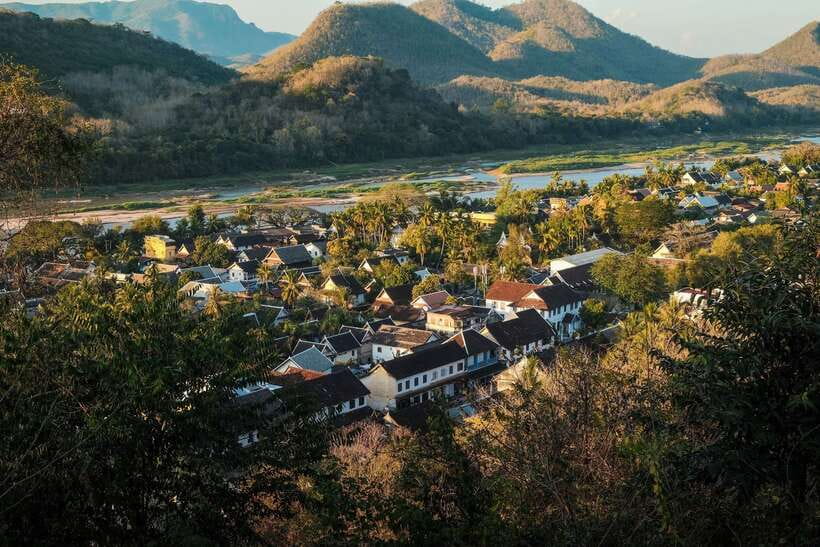
The tour ends the morning portion with a climb up Mount Phousi. This is one of those experiences where the whole point is the final effort. You’ll gain height through stairways, and then you’re rewarded with sweeping views over town and rivers.
The climb is physically straightforward but still counts as exercise. Wear shoes you can walk in comfortably, and plan for sun exposure even if it’s cool early. People have mentioned climbing while it was overcast, which can make the city look extra soft and gray-blue—but clear days obviously give the sharpest horizon.
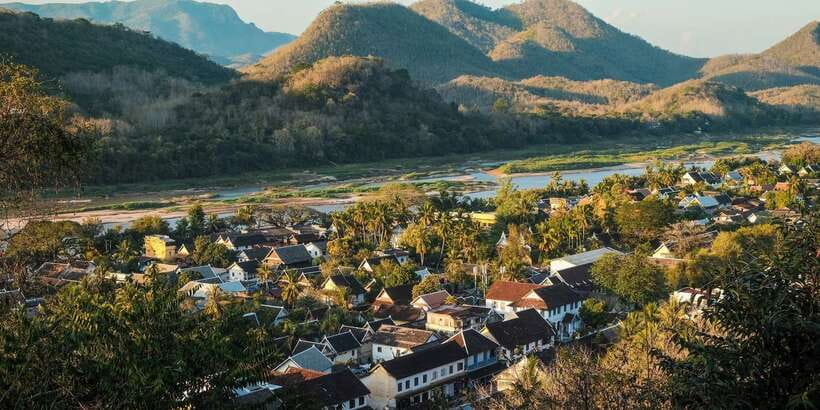
Once you reach the top, take a few minutes to just look. Luang Prabang’s layout makes more sense from above: river curves, the old town center, and where the temples sit relative to everything else. It’s also a great moment to ask your guide to point out things you’ve already seen and explain how they relate.
Some guides are careful about keeping the day comfortable. One common detail from past guests is that guides supply water (and sometimes cool towels) after hot climbs, which is a nice touch you’ll appreciate once you’re sweating.
Kuang Si Falls: when the schedule gives you real water time
If you choose the Kuang Si option, you’ll spend a solid chunk of time at the falls. The listed timing in the program includes about 3 hours at Kuang Si, and another version of the day description notes 2.5 hours of free time.
That free time is the key. It lets you:
- walk along the falls at your own pace
- find a good viewing spot
- cool off if you want and if conditions allow
Entry to Kuang Si Falls is listed as included when you select that option, so you don’t have to budget for the ticket on top of the base tour price.
Kuang Si is a different mood from the temples. Instead of reverence and ritual, it’s about sound, water, and a short break from walking through town. It’s also a great way to balance your day: history in the morning, nature later.
On the full-day route, you may also add cultural stops on the way back, like a Hmong village visit (timing depends on which version you pick).
Cultural add-ons: paper village and UXO history in a full-day plan
If you go beyond the city highlights, you get two “beyond the postcard” stops that change the story.
First is Ban Xang Khong, the paper village on the Mekong River. You learn how paper is made and how the craft fits into daily life and local history. It’s hands-on in a way that’s easier to picture than museum artifacts, and it helps you understand why crafts and riverside work mattered to the region.
Then comes the UXO Lao Visitor Center, focused on the lasting impact of war in Laos. This is not a casual stop. The point is to understand how conflict shapes generations and why peace and safety are more than abstract terms here. Your guide provides the context during the guided visit.
Depending on the full-day combination you choose, you may also visit major temples like Wat Wisunarat (the oldest temple in Luang Prabang) and Wat Mai (the largest). Seeing these alongside Wat Xieng Thong gives you a more complete picture: temple designs vary, and so does the story each site tells.
This kind of full-day itinerary is for people who like meaning behind what they’re seeing. If your main goal is only scenic spots and photos, you might prefer the half-day city tour instead.
Guide quality makes or breaks the day
The tour lives or dies by the guide. And in the feedback for this operator, you’ll see a pattern: the best days come with guides who can explain what you’re looking at in clear, human terms.
Some guides have impressive personal backgrounds. People have described guides such as Bun/Boun, including one who was a monk for 18 years, and that background helps with Buddhist explanations and temple symbolism. Other guides mentioned in the past include Som, Somchit, Henry, Nancy, Siththai, Vone, Beau, and Chiang, with consistent praise for friendly communication and pacing.
A practical example of where this matters: crowd navigation. Luang Prabang’s center can get busy, including with tour groups. A good guide helps you choose where to stand, when to move, and how to keep the flow from turning into a bottleneck.
Also, if you’re traveling with kids, several guests specifically mentioned how guides adjusted quickly for family needs and kept the day understandable for an 8-year-old. That flexibility is worth its weight in gold when you’re trying to see a lot without turning it into stress.
Price and logistics: does $35 really work?
At $35 per person, this tour can be a strong value—especially because hotel pickup and drop-off are included, and you have a local guide throughout the main sightseeing.
What you should think about is what’s not included. The program clearly states that entry fees for sites like temples and the Royal Palace are not included, and you’ll pay in cash on site. The listed total for the palace/temple/mountain fees is about US$6 for the specific items called out, but you should still plan for small extra amounts depending on which exact stops are in your chosen option.
So how does that translate to value?
- If you’re buying tickets one by one and paying for transport yourself, you’ll likely spend more than the base price.
- The guide’s job is to reduce decision fatigue—where to go, what to look for, and how to understand it.
- The included transfers save time, which in a UNESCO town is basically the same as saving money.
A few practical tips from common friction points:
- Bring a light cover-up for the Royal Palace dress code.
- Carry small cash for on-site fees.
- If you’re picky about photo time, ask for a pause when you find a spot you love.
- Keep your expectations realistic: this is a highlights tour, so it’s not built for slow, lingering museum-style pacing at every stop.
Who should book this Luang Prabang UNESCO highlights tour
This tour is a great match if you:
- want a structured way to see UNESCO Luang Prabang without planning every route
- care about Buddhist daily life and temple meaning, not just quick photos
- like having options: half-day, full-day, Kuang Si, and culture add-ons
- want guides who can explain the city in a way you can actually use later when you wander on your own
It may feel less ideal if you:
- hate early mornings (the alms-giving add-on starts very early)
- prefer long, slow visits with zero hurry
- don’t want to handle stair climbs (Phousi includes stairs)
- want every minute of a private tour to run exactly the same as the standard itinerary
Should you book this UNESCO highlights tour?
If you want the fastest way to understand why Luang Prabang is special, I’d book it. The combination of alms-giving, major temples like Wat Xieng Thong, and the view from Phousi Hill hits the essentials. Add Kuang Si and you also get a nature reset that keeps the day from feeling like nonstop stone and stories.
Just go in prepared: cash for entry fees, conservative clothes for the Royal Palace, and shoes for walking and stairs. Do that, and this tour becomes a smart, high-value foundation for the rest of your time in town.
FAQ
How long is this Luang Prabang highlights tour?
It runs from about 4.5 hours for the shorter option up to a full day, depending on which tour version you select.
What’s included in the price?
Hotel pickup and drop-off, a local guide, and (if you choose those options) entry to Kuang Si Falls plus the alms-giving ceremony add-on.
What is not included?
Entry fees for places like Wat Xieng Thong, the Royal Palace, and Mount Phousi are not included, and you’ll also be responsible for food and drinks.
Do I need cash for temples and palaces?
Yes. The tour notes that those main sites require cash payment on site.
What time is the early start for alms-giving?
There is a 6am starting option that includes the alms-giving ceremony and the morning market.
Is there time to rest or have breakfast?
Yes. After the early portion, you return for breakfast and a rest before the tour continues with the rest of the day.
Is the guide available in English?
Yes, the live guide is listed as English-speaking.
Can I choose different destinations in the full-day options?
Yes. The tour offers multiple city and afternoon combinations, and private tour destinations can be customized if you request it in advance.
What’s the dress code at the Royal Palace?
It’s strict. You need conservative clothing. Shorts and short skirts are not allowed, and cover-ups are required before entering.
Is the tour private or small group?
The activity notes that private or small groups are available.