REVIEW · NEW ORLEANS
New Orleans: Tremé African American & Creole History Tour
Book on GetYourGuide →Operated by French Quarter Phantoms LLC · Bookable on GetYourGuide
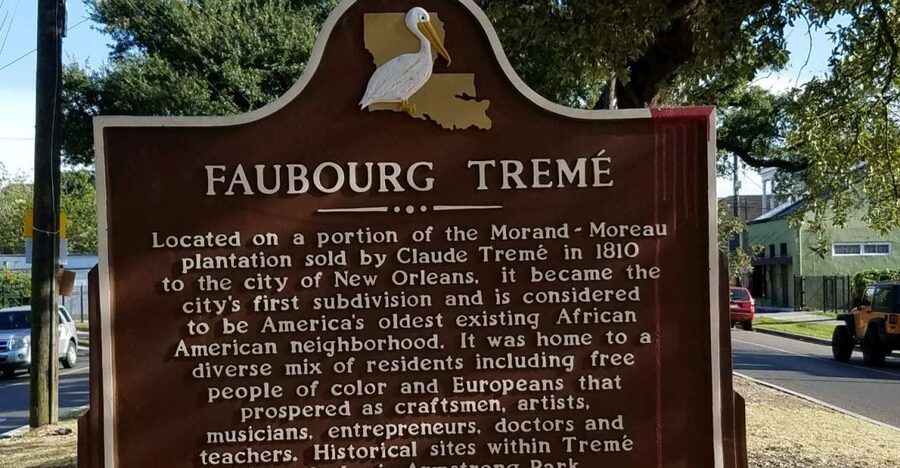
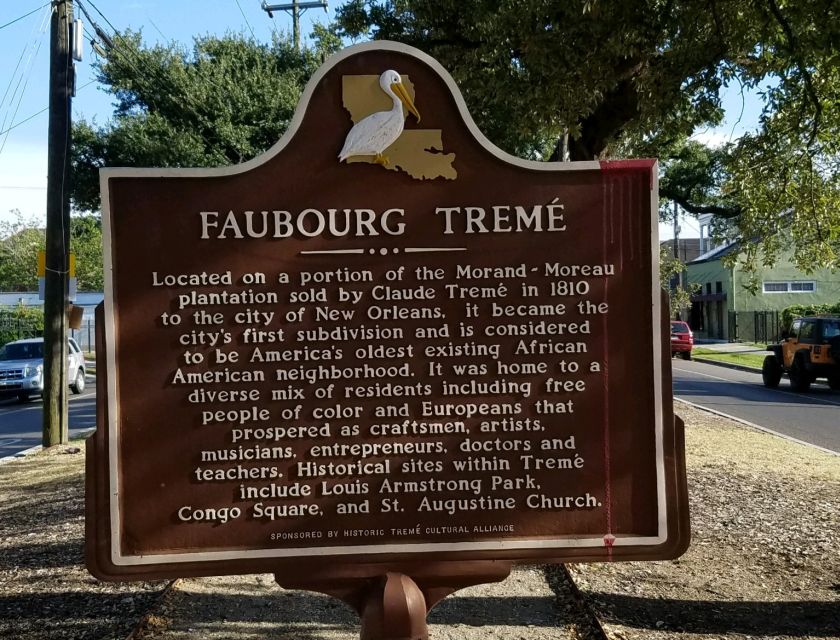
A jazz story starts on a corner in Tremé. This 105-minute walk takes you through the neighborhood often called the birthplace of New Orleans jazz, tying it to Creole culture and the people who built it—while you also catch HBO Tremé filming locations and key stops like St. Augustine Church and the Tomb of the Unknown Slave. It’s the kind of tour where the street names suddenly make sense.
I especially love how the guide lens is human, not just dates. In guides like Erin and Nika (names that show up again and again), you get sharp storytelling about African-American and Creole life, plus a clear thread from early music to later movements for freedom and civil rights.
One thing to plan for: it’s real walking. It runs rain or shine, it’s 105 minutes long, and you’ll want comfortable shoes; plus, no luggage or large bags means pack light so you’re not juggling stuff in a tight neighborhood.
In This Review
- Key things that make this Tremé tour worth your time
- Tremé is where New Orleans jazz grew up
- Meeting at the Voodoo Lounge: start point and first impressions
- 105 minutes on foot: what to pack and what to expect
- St. Augustine Church: faith, community, and continuity
- The Tomb of the Unknown Slave: a place with weight
- The laundromat that made it into the Rock and Roll Hall of Fame
- HBO Tremé filming spots: how TV changes what you notice
- Jazz legends born in Tremé: names you’ll remember on repeat
- The modern brass band tradition: the music didn’t stop
- Possible bonus stops: Congo Square, MLK Day moments, and more
- The real reason reviews are glowing: the guides’ approach
- Price and value: why $22 can feel like a bargain
- Who this tour is best for (and who should choose another plan)
- Should you book the Tremé African American & Creole History Tour?
- FAQ
- How long is the New Orleans: Tremé African American & Creole History Tour?
- Where do I meet for the tour?
- What is the tour duration and start time detail?
- Is the tour wheelchair accessible?
- Does the tour operate in bad weather?
- What should I bring?
- Is food or beverages included?
- Are luggage or large bags allowed?
Key things that make this Tremé tour worth your time
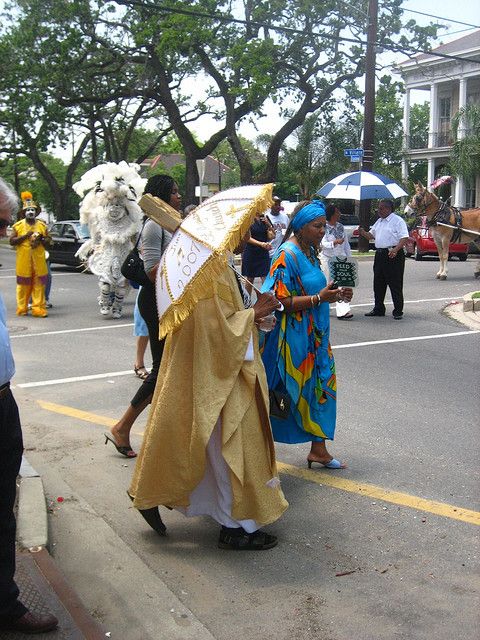
- St. Augustine Church and the Tomb of the Unknown Slave turn history from a chapter into a place you can stand in.
- HBO Tremé locations help you connect the TV story to the actual streets and community reality.
- Jazz roots you can name: you’ll hear about local legends like Jelly Roll Morton, Alphonse Picou, and Trombone Shorty.
- Modern brass band tradition shows how the sound didn’t just start here—it kept evolving from here.
- Music is part of the teaching on many runs, with guides using selected tracks to match what they’re explaining.
- 105 minutes is the sweet spot for a focused walk, but bring sun protection and dress for heat or cold.
Tremé is where New Orleans jazz grew up
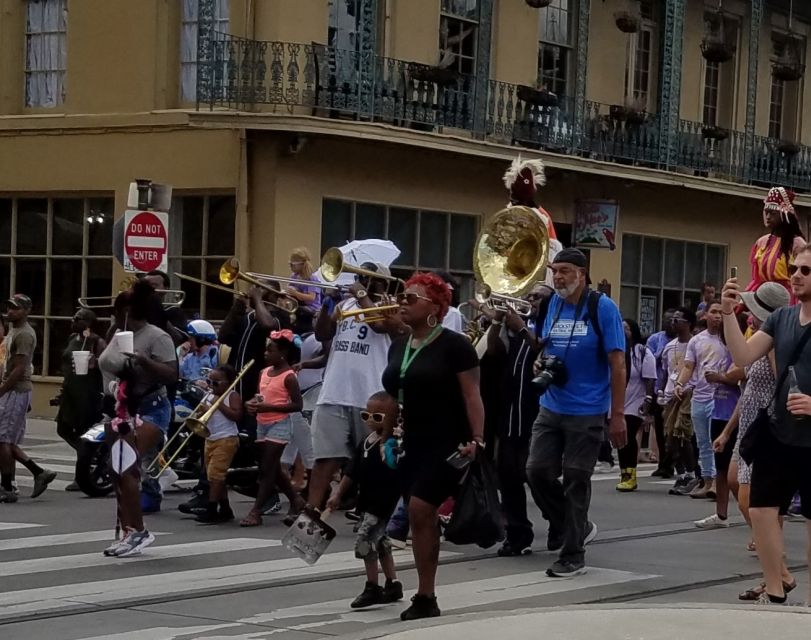
If your New Orleans plan is only French Quarter highlights, you’ll miss the “how” behind the city’s sound. Tremé is where Creole culture and African-American community life shaped the music—long before jazz became a brand name. On this tour, you’re not just hearing that jazz came from New Orleans. You’re seeing the neighborhood that formed the people and traditions that made it possible.
The tour also links music to community life in a way that feels grounded. You’ll hear about enslaved Africans and free people of color, and how the neighborhood’s story includes both joy and hard truths—plus how the civil rights movement rose from everyday realities, not textbooks.
You can also read our reviews of more historical tours in New Orleans


Meeting at the Voodoo Lounge: start point and first impressions
The walk starts at The Voodoo Lounge, 718 N. Rampart St., right on the corner of N. Rampart Street and Orleans Street. It’s at the top of the French Quarter area, so it’s easy to get oriented before you head into Tremé.
Check-in happens inside the lounge. You’ll see the box office to receive wristbands, which keeps the start organized—no hunting around with your phone flashlight like a lost tourist in a horror movie.
105 minutes on foot: what to pack and what to expect
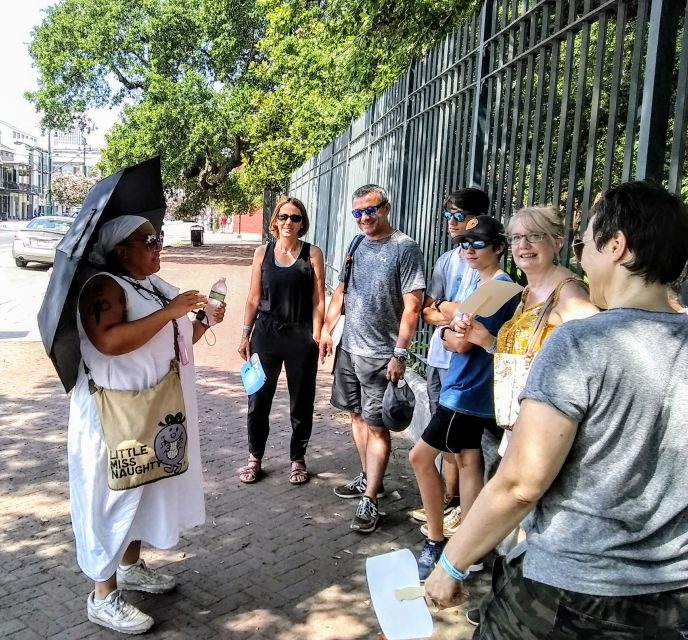
This is a walking tour, plain and simple. The duration is 105 minutes, so you’ll move through a handful of meaningful stops without feeling like you need to study a map for the whole trip.
Bring comfortable shoes. The neighborhood is made for strolling, but your feet still pay the bill. Reviews mention everything from a chilly morning that made bundling up worth it, to summer heat where shaded pauses helped a lot—so plan your clothing like you’re staying flexible.
Two practical notes matter:
- No luggage or large bags are allowed, so keep your load small.
- Tours run rain or shine, so pack a light layer or compact rain protection if your weather app is chaotic.
St. Augustine Church: faith, community, and continuity
St. Augustine Church isn’t just a pretty landmark. It represents the way community institutions carried people through centuries—religion wasn’t separate from daily life, and in Tremé the church is part of the neighborhood’s memory.
On the tour, the stop works as a turning point. You get context for how the neighborhood’s African and Creole roots formed social bonds, and how those bonds shaped music and civic identity. It’s one of those stops where you’ll hear details that help you read the neighborhood rather than just pass through it.
The Tomb of the Unknown Slave: a place with weight
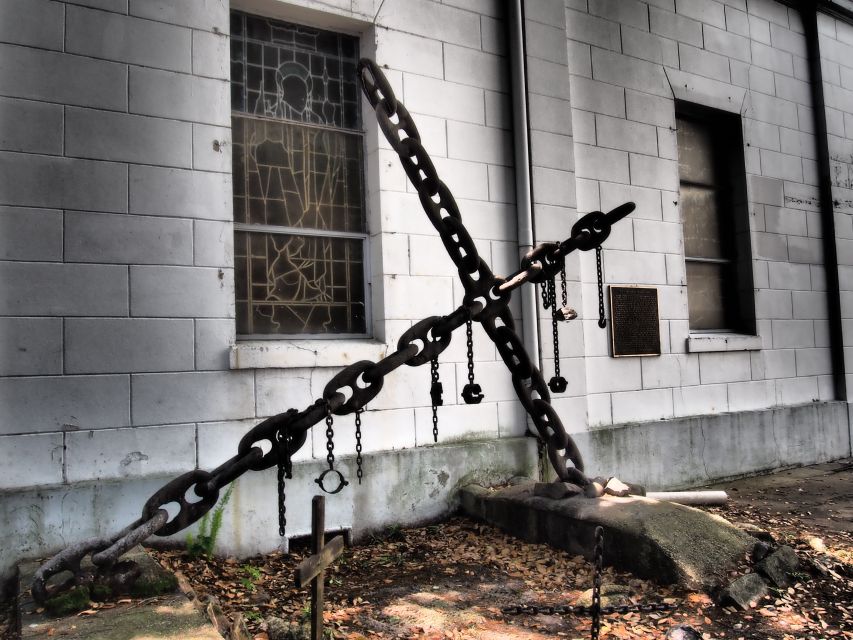
The Tomb of the Unknown Slave is the kind of stop that makes you slow down. It’s specifically tied to the history of enslaved people, and the guide uses it to connect past and present in a serious, respectful way.
What I like here is the balance: it’s not only sorrow for sorrow’s sake. You’re guided to understand the significance of what was taken from people, what survived anyway, and how that history echoes through generations—especially when you move on to stories about free people of color and later civil rights momentum.





The laundromat that made it into the Rock and Roll Hall of Fame
Yes, a laundromat. That alone tells you Tremé isn’t stuck in the past—it shows up in modern cultural storytelling too. You’ll see the location tied to the Rock and Roll Hall of Fame, and your guide explains why it belongs in this music conversation.
This stop is useful because it breaks the usual “only museums count” approach. You learn that cultural history is often happening in ordinary places. In a neighborhood like Tremé, everyday life and music history don’t politely stay separate.
HBO Tremé filming spots: how TV changes what you notice
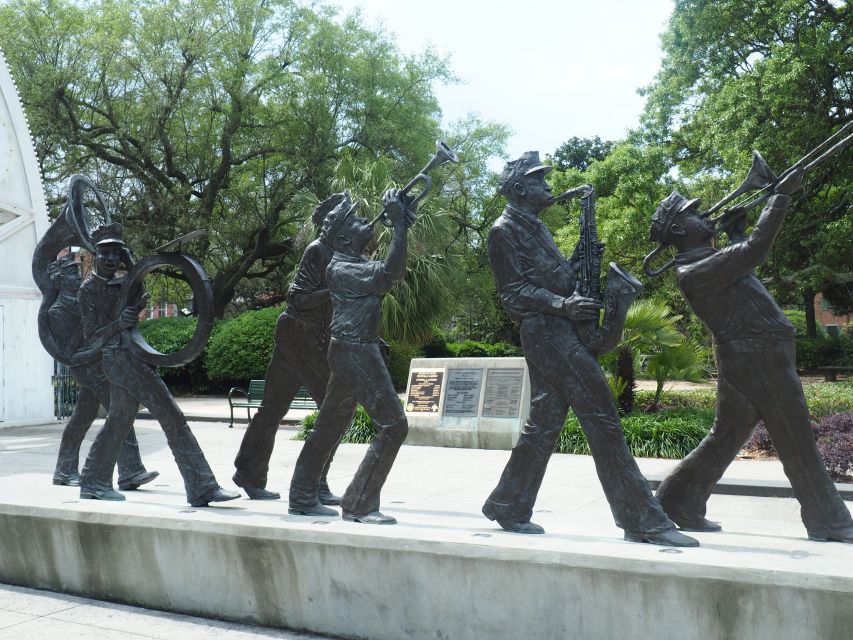
If you’ve watched HBO’s Tremé, the streets can feel familiar in a weird way. The tour points out filming locations, but the real value isn’t the trivia. It’s what the guide does after you recognize the spot: you connect what you saw on screen to the actual community history that made those stories possible.
This is where the neighborhood starts to feel legible. You’ll hear the why behind scenes and names, and you’ll get help sorting fact, portrayal, and the deeper historical realities underneath the TV lens.
Jazz legends born in Tremé: names you’ll remember on repeat
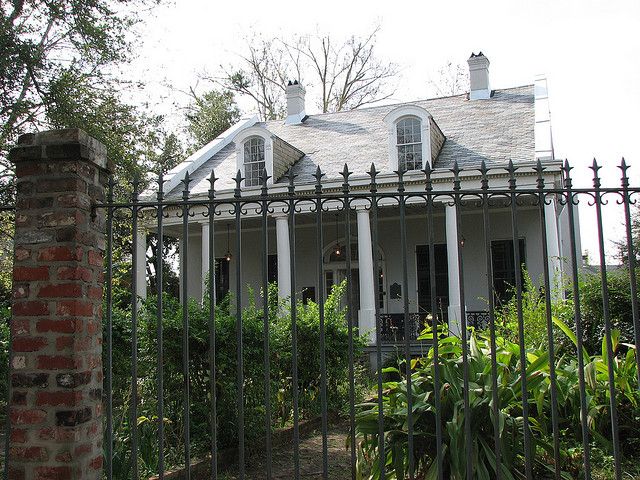
The tour gives you a “who’s who” of New Orleans jazz from Tremé. You’ll hear about:
- Jelly Roll Morton
- Alphonse Picou
- Trombone Shorty
What’s smart is how the guide links these musicians to the neighborhood conditions that nurtured talent. The music isn’t floating in the air. It’s connected to community networks, traditions passed along, and the way brass music and performance kept growing from one era to the next.
The modern brass band tradition: the music didn’t stop
One of the best parts of this tour is the “then and now” connection. You’re not only treated to origins. You learn about the modern brass band tradition that continued the neighborhood’s musical engine.
This matters because it changes how you listen to New Orleans brass in general. After the tour, you’re more likely to notice the lineage—how styles and rhythms keep echoing back to Tremé.
Possible bonus stops: Congo Square, MLK Day moments, and more
Depending on timing and how the route is run, you might see additional culturally important sites referenced by guides during the walk. For example, some tours include a look tied to Congo Square and an experience described as a prayer ritual at the Prayer Tree in Congo Square.
On certain dates, you might also get a special view connected to MLK Day and a stop involving Perseverance Hall/Lodge—again, only if your tour lines up with that kind of moment. If you’re hoping for extra meaning beyond the core landmarks, picking the right day can help.
The real reason reviews are glowing: the guides’ approach
Here’s what repeatedly comes through: guides treat the material as lived history, not a lecture. In many runs, names like Erin, Nika, Kweku, Angela, Claire, and Malika show up in the praise—often for a few consistent strengths.
- Storytelling with context: the guide explains what’s often left out, including the complicated history of enslaved Africans, free people of color, and what parts of the city tried to bury.
- Honest, respectful answers: questions are handled quickly and thoughtfully, with room for different viewpoints.
- Music used as a teaching tool: some guides bring Bluetooth speakers and play selected tracks that match what they’re describing. It turns the walk into a soundtrack, not just a talk.
- A real conversation vibe: several reviews mention that the group discussion felt inclusive and respectful, not forced.
If you care about getting the hard history right, this is the tour style you want—clear, human, and careful with how it’s told.
Price and value: why $22 can feel like a bargain
At $22 per person for 105 minutes, the value comes from three things you actually receive:
- a licensed guide who’s a local historian
- focused time in one of the most story-rich neighborhoods in New Orleans
- the ability to connect music, culture, and civil rights through specific places, not vague descriptions
This isn’t a “sit and listen” experience. You move through the neighborhood and the guide keeps the context attached to what you’re seeing. You also don’t need to pay extra for food on the tour itself since nothing is included—so the money stays aimed at the guided experience.
Who this tour is best for (and who should choose another plan)
This is a great fit if:
- you love jazz and want the neighborhood roots, not just the big names
- you want to understand Creole culture and African-American history in a grounded way
- you’ve already done the French Quarter and want the story behind the sounds
You might not love it if:
- you want zero walking or lots of breaks (this is still a walking tour)
- you’re traveling with large bags you can’t leave behind (luggage isn’t allowed)
Wheelchair accessibility is listed, which helps. Still, it’s smart to think about comfort: uneven sidewalks and real street conditions mean your comfort needs come first.
Should you book the Tremé African American & Creole History Tour?
I’d book this if your goal is a New Orleans experience with meaning attached to real streets. The tour’s sweet spot is that it connects music history, Creole culture, and civil rights through landmark stops like St. Augustine Church and the Tomb of the Unknown Slave, then brings it forward with the modern brass band tradition. Guides like Erin and Nika (and others mentioned in the guide praise) are a big reason people come away satisfied.
Skip it only if you want food included or you’re not up for rain-or-shine walking. Otherwise, this is one of the more cost-effective ways to get beyond the postcard version of New Orleans and see why Tremé matters.
FAQ
How long is the New Orleans: Tremé African American & Creole History Tour?
The tour lasts 105 minutes.
Where do I meet for the tour?
Meet at The Voodoo Lounge, 718 N. Rampart St., on the corner of N. Rampart Street and Orleans Street.
What is the tour duration and start time detail?
The duration is 105 minutes, and you should check availability to see starting times.
Is the tour wheelchair accessible?
Yes, the tour is listed as wheelchair accessible.
Does the tour operate in bad weather?
Yes, tours operate rain or shine.
What should I bring?
Wear comfortable shoes, and the tour recommendation also includes sun protection.
Is food or beverages included?
No, food and beverages are not included.
Are luggage or large bags allowed?
No, luggage or large bags are not allowed.