REVIEW · LUANG PRABANG
Luang Prabang: Craft Your Own Aroma Candle in Heritage Home
Book on GetYourGuide →Operated by Heuan Artisan Candles Workshop · Bookable on GetYourGuide
Scent mixing in a Lao garden feels oddly calming. In Luang Prabang, you make a personalized aroma candle inside a heritage house setting, blending from 20+ fragrance oils and pouring it into locally made pottery.
I like that it feels creative and unhurried, with clear step-by-step guidance and lots of choices for your own “self-love” scent concept.
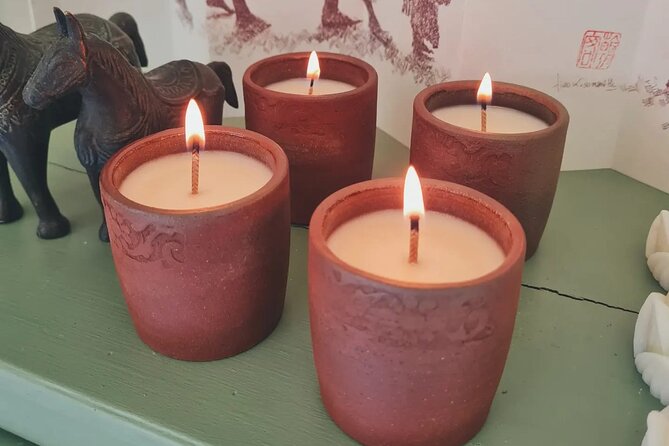
What I really appreciate is the hands-on payoff: you pour your blend into handmade pottery jars from artisans nearby and take home a 100g candle (plus a cotton bag). A possible drawback: the workshop involves testing many oils, so expect it to smell strongly, and keep in mind hot wax can reach 80°C / 176°F.
In This Review
- Key things that make this workshop worth your time
- Why this Luang Prabang workshop feels like slow travel
- Price and what you truly get for $29
- Candle making steps: from scent selection to a 100g jar
- The heritage house setting and the pottery jars you’ll remember
- Lao tea ceremony time: a cool-down that feels like culture
- Getting there in Luang Prabang: Old French Bridge to the artisan village
- What to watch for: scents, hot wax, and comfort
- Who should book this workshop (and who might skip it)
- Final take: should you book Heuan Artisan Candles Workshop?
- FAQ
- Is there a set start time for the candle workshop?
- How much does it cost?
- What’s included in the workshop price?
- What’s the meeting point?
- How do I get there if I’m biking or taking a motorbike?
- How do I get there by tuk-tuk or ride-hailing apps?
- What languages are used during the workshop?
- How big is the group?
- Is it suitable for children?
- Are there any safety or comfort notes?
Key things that make this workshop worth your time
- 20+ aroma oils to mix into a scent that matches your mood, not just a preset choice
- Pour-your-own candle into pottery made by nearby village artisans, so your jar feels local
- Lao tea ceremony time while the wax sets, with tea tasting and local snacks
- Small group size (up to 6), so you get real attention while you work
- English/Thai instruction plus a calm, heritage-house garden atmosphere
- 100g finished candle included, so you’re not paying for “practice”
Why this Luang Prabang workshop feels like slow travel
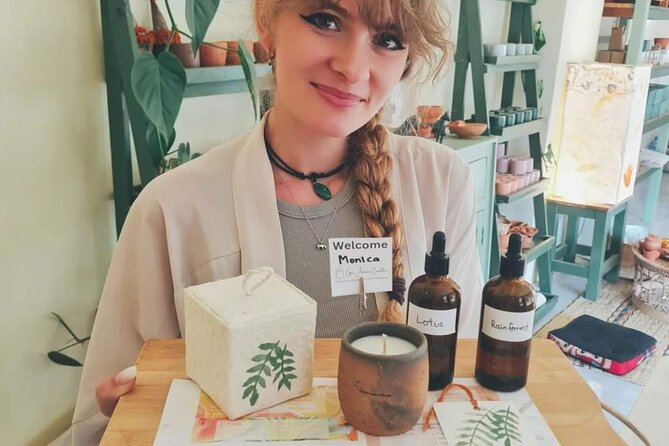
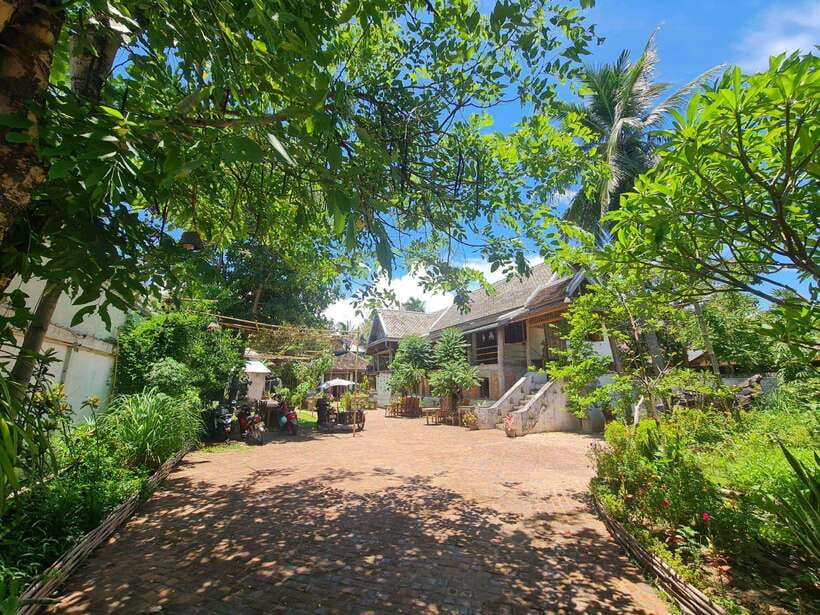
Luang Prabang has a way of nudging you toward gentler days. This workshop fits that vibe. You’re not rushing through a checklist. You’re in a heritage house with a garden setting, surrounded by the kinds of quiet details that make the city feel intimate.
The “self-love” angle matters more than you might think. Instead of chasing a fashionable scent, you build something that reflects how you want to feel—warm, fresh, grounding, or soothing. That’s a fun mental shift, especially if you’ve been doing temples and markets all day.
And practically, it’s just easier than you’d expect. You don’t need prior candle-making skills. The process is guided, and the choices are structured: you explore scents, learn how they combine, then create your own blend before the pour.
You can also read our reviews of more historical tours in Luang Prabang
Price and what you truly get for $29
At $29 per person for a 2-hour session, this isn’t a “buy a souvenir and leave” kind of activity. You’re paying for materials, instruction, and a finished product.
Here’s what’s included:
- A 100g scented candle in local pottery
- Candle-making materials and professional tools
- Cotton bag
- Tea tasting plus local snacks
That’s the key value. You’re not just making something to take a photo of—you’re leaving with a real, usable candle in a jar made by local artisans. If you’re comparing it to typical paid craft demos elsewhere in Asia, the built-in “finished item” is what keeps the price honest.
Also, small group size (up to 6) is a quiet quality upgrade. You’ll spend less time waiting, and you’ll get help when you need it—especially during blending and the pour stage.
Candle making steps: from scent selection to a 100g jar
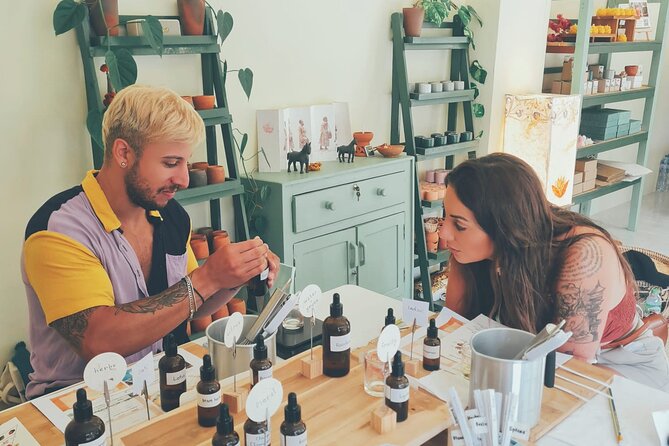
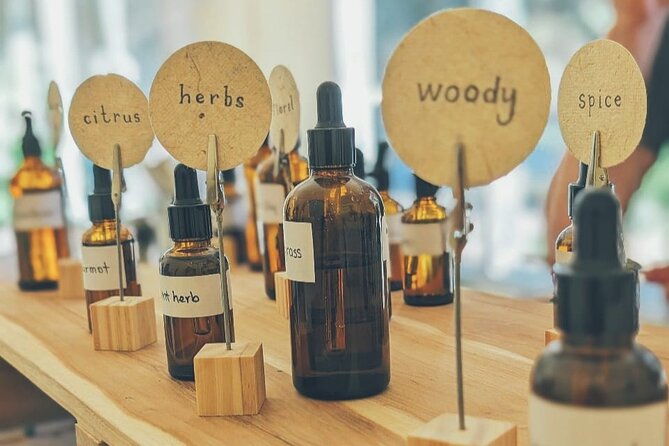
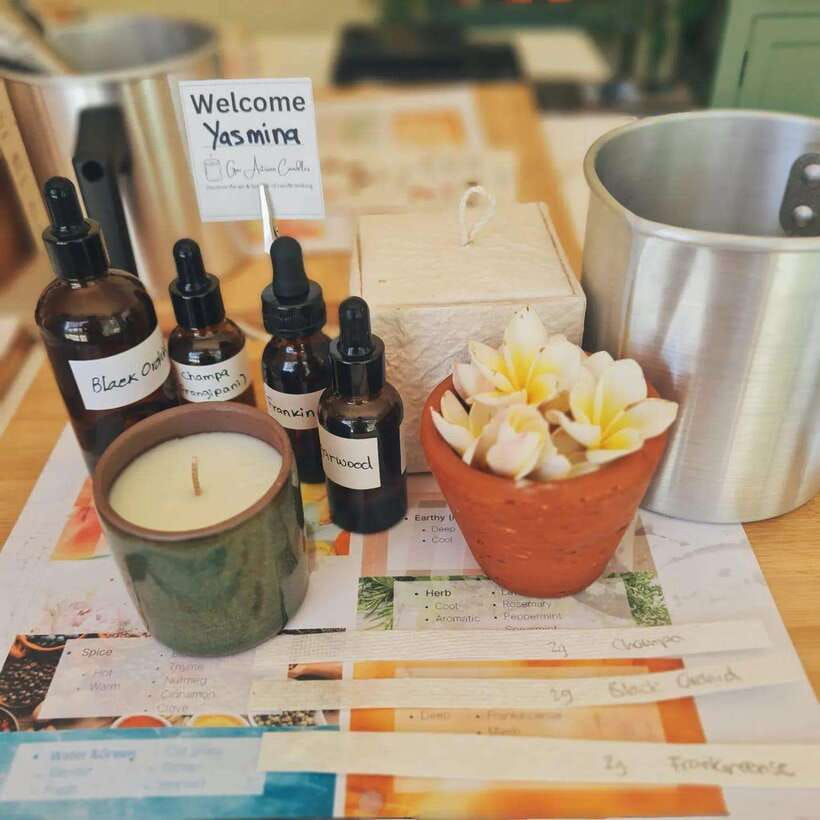
This is a scent workshop first, candle workshop second. You start by exploring a collection of 20+ aroma oils. You smell and compare. You learn how different notes work together, instead of guessing blindly.
Then you create a concept—your own scent idea connected to that self-love theme. The blending part is where the activity becomes yours. You can steer toward what you enjoy, whether that means choosing lighter, fresher notes or building something deeper and more comforting.
Once your blend is ready, you pour it into the candle container—a pottery jar handmade by villagers nearby. This is more meaningful than it sounds. The jar isn’t generic. It’s a local craft item, which means your candle has a second story beyond the fragrance.
The heritage house setting and the pottery jars you’ll remember
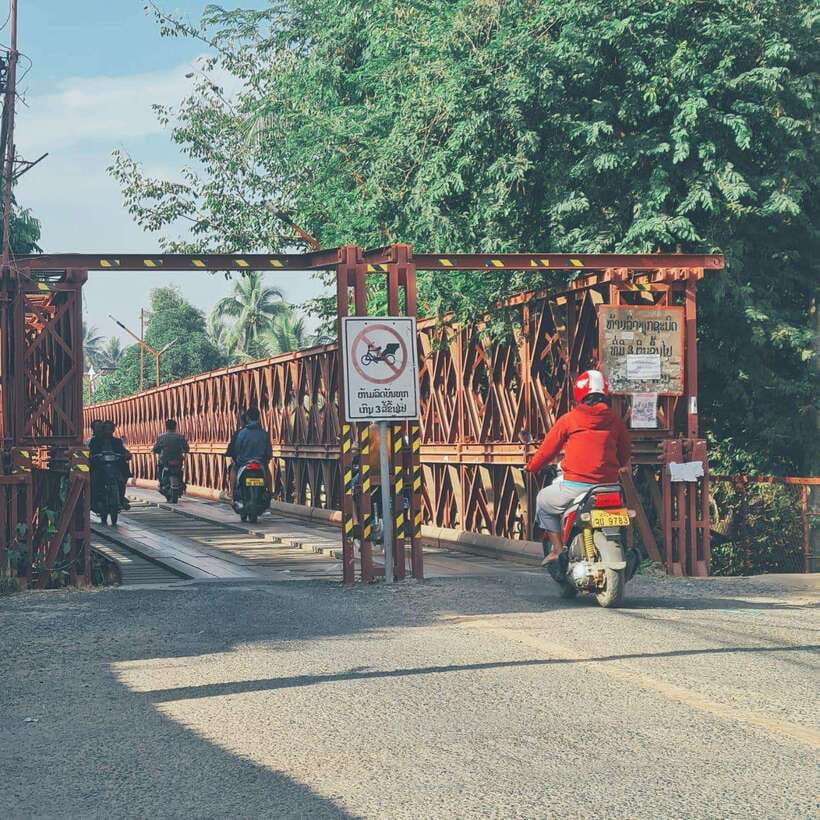
The workshop happens in a heritage home in Luang Prabang, in an artisan-village feel, with a Lao garden around you. That setting does two things:
1) It keeps the experience grounded and calm.
2) It makes the craft feel tied to place, not like a portable studio experience.
You’ll also interact with the local pottery angle in a hands-on way. Your candle goes into a locally made pottery container, so you’re taking home a collaboration between fragrance craft and ceramics craft.
If you like authentic local textures—wood, clay, handmade forms—this is the part that tends to stick with you after the class ends. The jar becomes part of your home décor, and it’s something you chose and poured, not something prepackaged.
Lao tea ceremony time: a cool-down that feels like culture
Wax needs time to cool. Instead of letting that waiting period drag, this workshop uses it well: you learn how to do a Lao tea ceremony alongside the candle-making flow.
You get tea tasting and local snacks, and you’ll typically spend time preparing and brewing the tea while the candle sets. In practical terms, it’s a smart pacing tool. Your hands get a break, your nose clears from scent testing, and the whole session stays relaxed.
The tea side also adds context for your day in Luang Prabang. It’s not just “tea as a drink.” It’s preparation—how to brew, how it fits the mood of the moment, and how a small ritual becomes part of hospitality.
Getting there in Luang Prabang: Old French Bridge to the artisan village
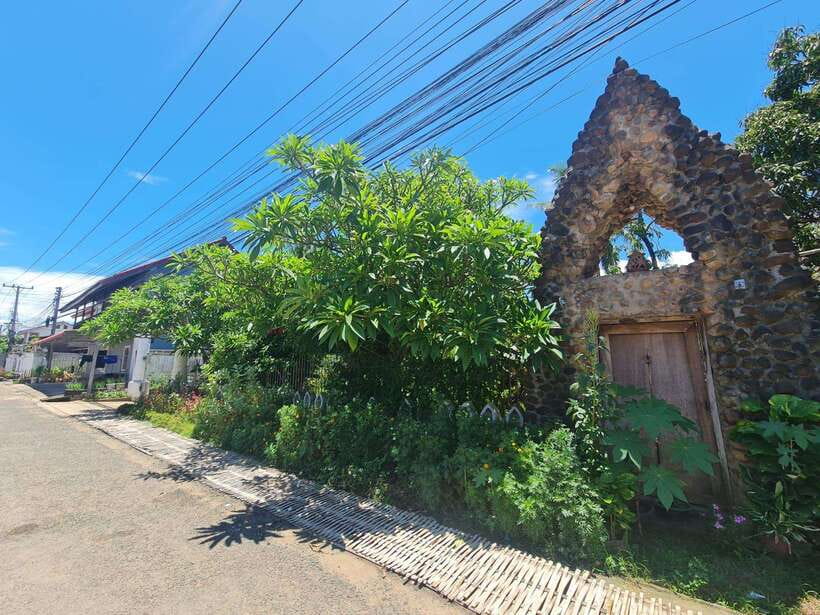
Logistics here are simple once you know the landmark. You’ll meet in the old town artisan village area along the river.
By motorbike or bicycle:
Cross the Old French Bridge, then follow Google Maps along the river on the main road. The workshop sits on that river route.
By tuk-tuk / InDriver / Loca:
Tell the driver to go to Ban Nongxay (Khua Mor Din Cooking House).
You don’t need to stress about complicated transfers. The instructions are straightforward, and because it’s in the old town area, it’s easy to pair with morning exploring or a calm afternoon back in town.
What to watch for: scents, hot wax, and comfort
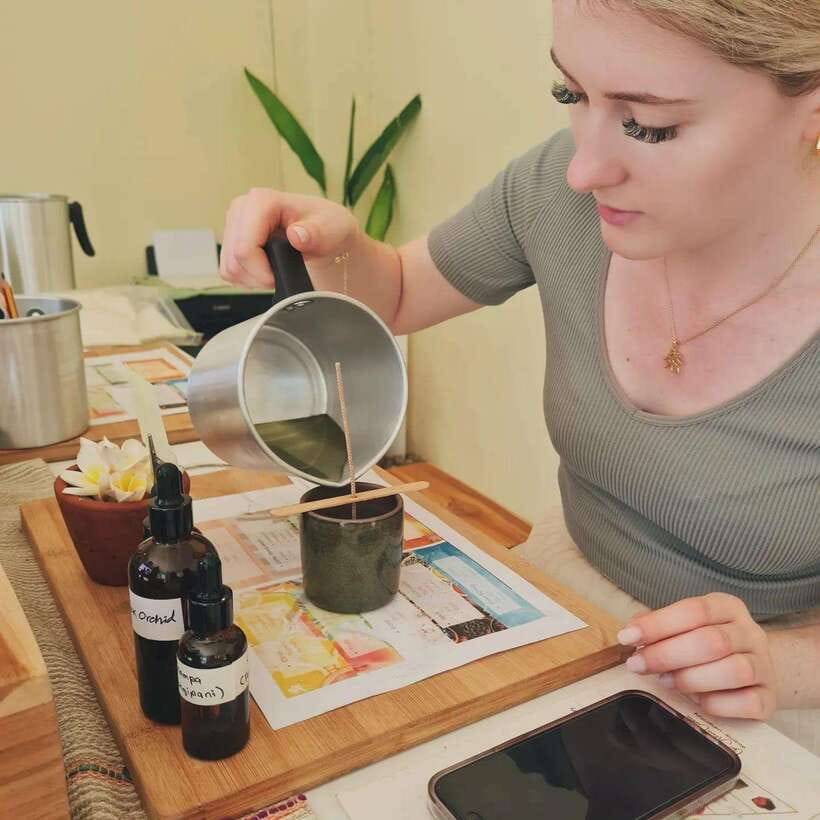
Two “know before you go” items are worth taking seriously, even though this is a friendly workshop.
- It smells many scents. You’ll be close to essential oils and fragrance oils while testing blends. If you’re sensitive to strong smells, come prepared to pause, breathe, and take it slowly during selection.
- Wax can be up to 80°C / 176°F. Candle making involves a heating step, and you’ll likely be standing near the process. The environment is guided, but use normal caution—don’t rush, and follow the instructor’s safety cues.
A few other fit notes from the provided details:
- Not suitable for children under 8
- Wheelchair accessible
- Instructor language: English and Thai
Who should book this workshop (and who might skip it)
This is a great match if you:
- Want a hands-on activity that still feels calm
- Like making something you’ll actually use later (not just a paper certificate)
- Enjoy scent profiles and want structured help mixing them
- Prefer small-group instruction over big tours
Skip it if:
- You strongly dislike fragrance smells. This workshop is built around sniffing and blending.
- You want a “see the city” day. This is more about crafting and culture in a single focused block of time.
If you’re traveling solo, it’s also a good pick. The group stays small, and you’ll be occupied the entire time—so you don’t feel awkward waiting for other people to finish.
Final take: should you book Heuan Artisan Candles Workshop?
Yes—if you want a Luang Prabang experience that’s personal, practical, and locally grounded. For $29, you’re not just paying for the lesson. You’re taking home a 100g candle in handmade pottery, plus tea tasting and snacks, in a 2-hour small-group format.
I’d book it early in your trip if you like slow mornings, or on a day when you want a break from temples and crowds. The heritage house garden setting plus the tea ritual makes it feel like part of the culture, not an add-on.
If you’re scent-sensitive or nervous around hot materials, give it extra thought. Otherwise, it’s the kind of workshop that leaves you with an object tied to your own choices—and a story worth keeping.
FAQ
Is there a set start time for the candle workshop?
The session lasts about 2 hours, but starting times depend on availability, so you’ll need to check the schedule before booking.
How much does it cost?
The price is $29 per person.
What’s included in the workshop price?
You get professional candle-making materials, a 100g scented candle in local pottery, a cotton bag, and tea tasting with local snacks.
What’s the meeting point?
You start at the workshop location in the old town artisan village area along the river. By app/taxi, you should request Ban Nongxay (Khua Mor Din Cooking House).
How do I get there if I’m biking or taking a motorbike?
Cross the Old French Bridge, then follow Google Maps along the river on the main road.
How do I get there by tuk-tuk or ride-hailing apps?
Use TukTuk / InDriver / Loca and tell the driver you’re going to Ban Nongxay (Khua Mor Din Cooking House).
What languages are used during the workshop?
The instructor teaches in English and Thai.
How big is the group?
It’s a small group, limited to 6 participants.
Is it suitable for children?
It’s not suitable for children under 8 years.
Are there any safety or comfort notes?
Yes. The workshop involves smelling many scents, and there’s hot wax involved that can reach 80°C / 176°F.