REVIEW · CHATTANOOGA
National Medal of Honor Heritage Museum Admission Ticket in Chattanooga
Book on Viator →Operated by National Medal of Honor Heritage Center · Bookable on Viator
Medal of Honor stories hit hard in Chattanooga. This ticketed visit to the National Medal of Honor Heritage Center is built for an easy, straightforward day: you use a mobile ticket for entry and you get access to the center’s theater program right away. It’s one of those stops where history feels personal, not like a lecture.
I really like how the museum moves beyond dates and names. You’ll see the meaning of valor through real recipient stories and the objects that documented them. I also like the museum’s clear “service over self” thread, and how it connects what recipients did on the worst day of their lives to what people face in classrooms, boardrooms, and everyday moments.
One thing to plan for: Chattanooga’s parking can be a headache. And while most visits run as expected, there can be occasions when the museum closes for private events, so it’s smart to confirm your time before you head over.
In This Review
- Key highlights at a glance
- A Medal of Honor Museum in Downtown Chattanooga
- Mobile Ticket Entry That Helps Your Day Run
- What You’ll Actually Do on Site
- Inside the Exhibits: Real Stories and 6,000+ Objects
- The Theater Program: Where the Meaning Clicks
- Special Moments: When Recipients and Staff Become Part of the Story
- How Much Time Should You Plan?
- Parking, Getting There by Transit, and Real-World Comfort
- Pairing It With Other Chattanooga History Stops
- Why This Is Worth Booking (and Who It Fits Best)
- Should You Book This National Medal of Honor Heritage Center Ticket?
- FAQ
- How long does the National Medal of Honor Heritage Center admission take?
- Is the admission ticket to the Heritage Center included?
- Do I need to print anything, or is the ticket mobile?
- What language is the experience offered in?
- What are the opening hours?
- Is the Heritage Center near public transportation?
- Are service animals allowed?
- Can I cancel for a full refund?
Key highlights at a glance
- Mobile ticket entry makes check-in quick
- Theater and story-driven exhibits help the lessons land fast
- Over 6,000 objects cover recipients and veterans from the Civil War forward
- Doss exhibit and major recipient moments add extra depth
- Downtown location near public transport keeps your plans flexible
A Medal of Honor Museum in Downtown Chattanooga
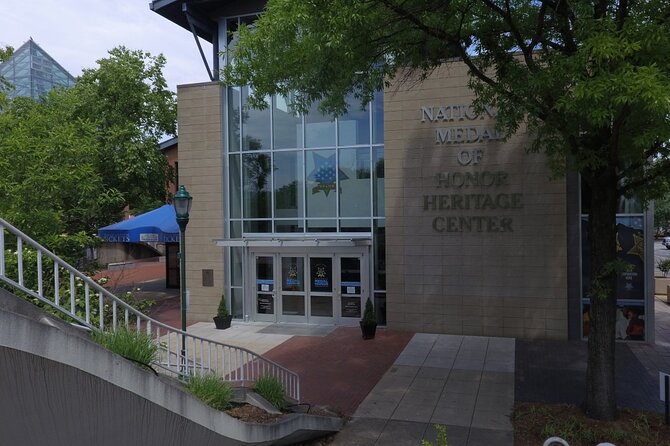
Chattanooga has a way of making the past feel close. The National Medal of Honor Heritage Center sits in the heart of downtown, so you can fold it into a normal sightseeing day instead of treating it like a special pilgrimage with a long drive.
The museum’s job is simple to say and harder to do well: connect people with the Medal of Honor’s meaning and history. It’s not only about the medal as an object. It’s about the people behind it, the choices they made, and the consequences that followed.
This visit works best when you’re ready for a mix of inspiration and heartbreak. The stories are often heroic, but they don’t ignore the cost. That tone is one reason the experience is so memorable for families, couples, and vets.
Mobile Ticket Entry That Helps Your Day Run
You’re not standing in line trying to decode paper vouchers. With a mobile ticket, you can scan and go. For a museum experience that can be as short as an hour or stretched to about three, that little bit of time saved matters.
This is also a ticket that includes admission to the center, so you’re not scrambling to figure out whether you can add the theater program. The goal is straightforward: you get access to the center and the presentation that frames the stories.
The exhibit content is presented in English, so this is an easy stop if you want your day to stay low-stress and language-light. Even if you’re not a big museum person, the format is designed so you can follow the narrative without feeling lost.
What You’ll Actually Do on Site
The experience is essentially one stop, the Heritage Center. But “one stop” doesn’t mean “one room.” You’re guided through a set of experiences that build on each other.
First, you’ll get welcomed and oriented when you arrive. Multiple visitors mention staff members meeting them at the entrance with a helpful introduction that sets you up for what to look for and where to pay attention. Names you may hear in the welcome include Clint, who gave a great introduction to at least one pair of retired military visitors.
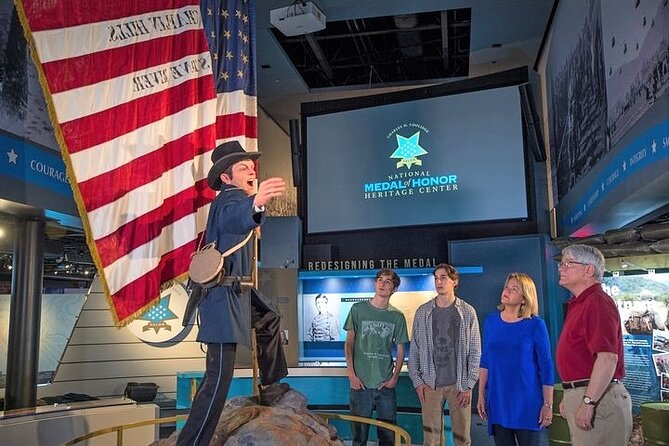
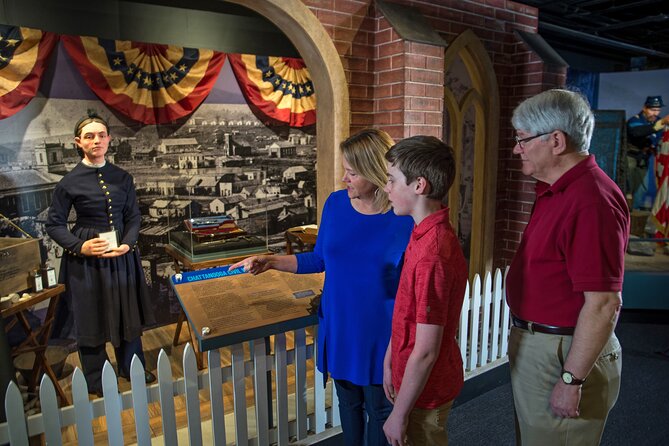
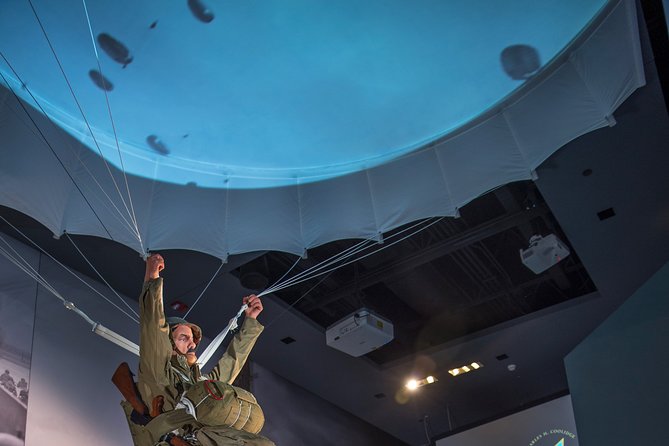
Then you’ll move through the exhibits at your own pace. There’s a strong storytelling flow, plus hands-on-feeling visual scenes (including areas that use figures/scenes to explain what happened). You won’t just read about the Medal of Honor. You’ll see the tangible artifacts and learn how the stories were documented.
If you want extra impact, plan to spend time upstairs as well. One visitor specifically mentioned the Doss exhibit area and a staff member who was eager to talk in more depth about Desmond Doss. That kind of conversation can turn a passive walk-through into something more personal.
Inside the Exhibits: Real Stories and 6,000+ Objects

The museum takes the Medal of Honor seriously, and it shows. The center holds over 6,000 objects that tell the story of Medal of Honor recipients and other veterans from the Civil War forward. That scale matters because you’re not seeing a few display cases and calling it a day.
As you move through, the museum connects the medal to a broader thread: sacrifice, duty, and service. The stories often reflect how the medal can be tied to decisions made under extreme pressure. And the exhibits also emphasize that those lessons don’t belong only to battlefields.
One of the most compelling features is how the museum uses recipients’ narratives as “teaching moments.” Visitors describe the walls and halls as something that feels like it talks to you, and that’s the right expectation. The exhibits are arranged to keep the story moving, rather than treating each medal like a standalone trophy.
The tone is also a big deal. This isn’t sanitized hero worship. You’ll feel the grief as well as the pride, because the museum treats the day of the act as real life, not legend. If you’re traveling with kids or teens, you might appreciate that the center leaves room for questions and thoughtful discussion rather than forcing you to sprint through.
The Theater Program: Where the Meaning Clicks
A lot of museums have good reading panels. This one adds a theater presentation that makes the medal’s meaning hit faster.
The theater experience helps you understand what you’re about to see and what to pay attention for. It’s especially valuable if you arrive with only a basic idea of the Medal of Honor. After the theater, the artifacts and stories feel less random and more connected.
This is also a good reason to avoid arriving with a tight schedule. If you’re rushing because of parking stress or another appointment, you may miss the effect the theater is designed to create. For many visitors, the theater and storytelling approach is one of the reasons the center earns such high marks.
Special Moments: When Recipients and Staff Become Part of the Story

One of the strongest reasons to visit is the chance to meet people who carry this history in a living way.
Some visitors report Medal of Honor recipients spending time at the center. One solo visitor described a question-and-answer moment with MOH recipient Ryan Tipps, and the interaction was full of respectful humor and real humility. That same visitor also mentioned speaking at length with Stephen and then encouraging young students to join the discussion on the outskirts of the area.
If you’re the kind of person who likes direct human contact at museums, this detail matters. A museum can be powerful on its own. But when a recipient is part of the day, the medal stops being an award you read about and starts being something you can look at, listen to, and understand on a different level.
You can’t bank on a recipient appearing every day, but the center’s environment is set up for those kinds of meaningful encounters. If you happen to catch one, treat it like a gift and be present.
How Much Time Should You Plan?

The ticket is designed for 1 to 3 hours, and that range is honest.
If you’re short on time, focus on the story flow: start with the theater framing, then move through the main exhibit areas without getting stuck on every case. You’ll still get the big picture, because the museum is organized to help you follow the narratives.
If you have time, slow down. Spend longer with the exhibits that cover specific recipients and the “why it matters” connections. The difference between one hour and three hours is less about quantity and more about how much time you give the story to settle.
Also, if you enjoy discussion, keep an eye out for staff members who want to talk. One visitor noted a particularly eager conversation upstairs about Desmond Doss with a staff member involved in a task there. That’s the kind of interaction you only notice if you’re not racing to finish.
Parking, Getting There by Transit, and Real-World Comfort

Here’s the practical truth: Chattanooga can be rough on parking. One family visitor said they detested the parking situation enough that it soured their plan, and that’s a fair warning for anyone who hates searching for a spot.
The good news is that the center is near public transportation, so you can build a plan that doesn’t depend on finding the perfect parking spot on your schedule. If you’re staying near downtown, it’s often easier to treat this as a walkable day stop rather than a car-first destination.
Comfort-wise, plan on walking through exhibit spaces at a relaxed pace. Wear shoes you can stand in. It’s a museum, not a quick photo stop, and the stories will make you want to read, stand, and reflect.
Service animals are allowed, which is a big help for travelers who need that support. If you’re traveling with someone who benefits from that, you can feel confident about bringing the companion animal.
Pairing It With Other Chattanooga History Stops
This museum pairs well with nearby historical sites because it gives the Medal of Honor stories a wider context.
One visitor described visiting the Veterans Bridge earlier in the week, then pairing the museum with Chickamauga Battlefield and the Trail of Tears sites the day before. That sequence matters. The bridge, the battlefields, and the forced removals all help you see how Chattanooga fits into the larger national story. The Heritage Center then gives you another angle: recognition of valor, and how wartime decisions affected real people.
Even if you don’t have time for all of those stops, the museum works as a “meaning” layer. You can use it to connect the dots between local geography and national events.
Why This Is Worth Booking (and Who It Fits Best)
I like this experience because it’s not trying to be flashy. It’s trying to be clear. You get a ticketed visit that includes the theater program, and the exhibits are built around real objects and real recipient stories. For anyone who values authenticity and respectful storytelling, this is a strong choice.
It also fits a range of travelers:
- Couples who enjoy meaningful history and thoughtful museum pacing
- Families who can handle emotional topics and want a values-based day
- Retired military and veterans who want an experience centered on recipients and service
- People who are curious about U.S. wartime history beyond battle maps
One small caution: because private events can happen, don’t assume every scheduled visit is guaranteed public access at all times. If your plans are tight, confirm your time before you leave your hotel.
Should You Book This National Medal of Honor Heritage Center Ticket?
If you’re in Chattanooga and you want a high-impact, respectful museum visit in a manageable time window, I’d book it. The combination of mobile ticket ease, a theater framing, and the sheer scale of objects (6,000+) makes it feel like real value, not a quick stop.
Book it especially if you like stories with context, and if you want to understand what the Medal of Honor represents beyond the medal itself. If you hate parking stress and you’re depending on a car, plan for transit or a walkable downtown route.
FAQ
How long does the National Medal of Honor Heritage Center admission take?
Plan for about 1 to 3 hours, depending on how much time you spend in the exhibits and theater.
Is the admission ticket to the Heritage Center included?
Yes. Your ticket includes admission to the National Medal of Honor Heritage Center.
Do I need to print anything, or is the ticket mobile?
It’s a mobile ticket, and you’ll receive confirmation at the time of booking.
What language is the experience offered in?
The experience is offered in English.
What are the opening hours?
The center is open Monday through Saturday, 9:00 AM to 5:00 PM (during the stated operating dates).
Is the Heritage Center near public transportation?
Yes, it’s near public transportation, which can make planning a car-free day easier.
Are service animals allowed?
Yes, service animals are allowed.
Can I cancel for a full refund?
Free cancellation is available, and you can cancel up to 24 hours in advance for a full refund. If you cancel less than 24 hours before the start time, the amount paid is not refunded.