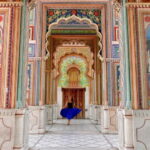
Jaipur’s old lanes have a pulse. This walking tour, called Once Upon a Time in Jaipur, is built around street stories and daily faith, not a monument stamp-collection. I like the focus on how belief, caste, and community show up in normal life, and I also like that it includes a real stop in Johri Bazaar with snacks. One thing to plan for: it’s a morning walk that includes temple time, so you’ll want the right clothes and easy-to-remove shoes.
The best part is that the city is treated like a living conversation. Expect tales from the people who actually run Jaipur day to day—priests, shopkeepers, bangle makers, and chai sellers—plus those classic surprises like the monkey sightings and the tricky Indian head-nod that can mean yes, no, or maybe.
It’s also private, so the pacing feels human. That said, you should be ready for narrow lanes and the occasional messy corner (good news: it doesn’t last long, but it’s real).
In This Review
- Key Highlights Worth Your Morning
- Why This Jaipur Walking Tour Feels Different Than Usual
- Start at Sanganeri Gate: Get Oriented Fast
- Johri Bazaar: The Stop That Grounds the Day
- Temples, Bells, and the Simple Rules That Matter
- Back Lanes, Daily Faith, and the Stories People Actually Live
- Your Guide: Deepak’s Style Makes the Walk Feel Easy
- Price and Value: Is $34.04 Worth It?
- Practical Stuff You Must Get Right (It Saves Time)
- Who Should Book This Walk (And Who Might Skip It)
- Making It Work With Your Day in Jaipur
- Should You Book Once Upon a Time in Jaipur?
- FAQ
- Where does the tour start?
- How long is the Jaipur walking tour?
- What time does the tour begin?
- Is this a private tour?
- What’s included in the price?
- What isn’t included?
- Do I need a mobile ticket?
- What should I wear for the tour?
- Do I need to remove my shoes?
- What should I bring and how do I handle photos?
Key Highlights Worth Your Morning
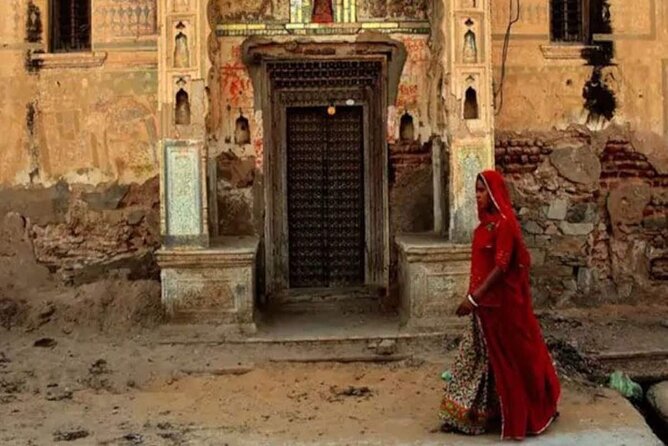
- Story-first walking in the Pink City: you’ll hear how faith and community shape daily choices
- Johri Bazaar stop with snacks: a practical, flavorful pause in a jewelry hub
- Deepak’s warm, funny approach: easygoing guidance paired with solid local context
- Temple etiquette is part of the experience: long sleeves, long pants, and shoe removal are expected
- Culture lessons you can use fast: head nod meanings and basic respect cues for photos
Why This Jaipur Walking Tour Feels Different Than Usual
This isn’t the kind of tour where you march from one landmark to the next and move on. Once Upon a Time in Jaipur is more like following a friend through the old city while they explain what you’re seeing and why it matters. You’re walking through back lanes where rituals, trades, and family ties still shape how people move through the day.
The pitch is simple: the story doesn’t live only inside monuments. It lives in the places between them—shrines you pause at, craft work you can spot from the street, and the conversations happening while people sell bangles, jewelry, and snacks. That’s a great fit if you’ve already seen the big sights or you just want Jaipur to feel real.
Two details help make this feel grounded. First, you’re focusing on everyday roles—priests, shopkeepers, artisans, and chai sellers. Second, the guide is credited for being warm and funny, which matters because old-city walking is more enjoyable when you don’t feel like you’re rushing through facts.
You can also read our reviews of more walking tours in Jaipur



Start at Sanganeri Gate: Get Oriented Fast
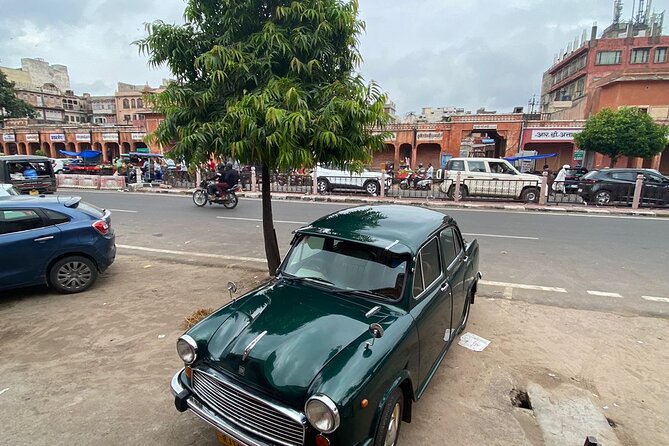
The walk starts at Sanganeri Gate in Jaipur’s Pink City, with the tour ending right back at the meeting point. That loop is useful. It means you don’t burn mental energy figuring out logistics mid-walk—you get a clear starting landmark and a clean finish.
Starting around 7:30am also changes the whole vibe. Mornings are cooler, and you get a better chance to see places in their active rhythm—people opening for the day, temples already in motion, and market life beginning to gather speed.
You should arrive ready for walking. The route runs through old lanes, so wear clothes you can move in. Also, bring the practical items the tour asks for: water and footwear you’re comfortable removing quickly when a temple stop requires it.
Johri Bazaar: The Stop That Grounds the Day
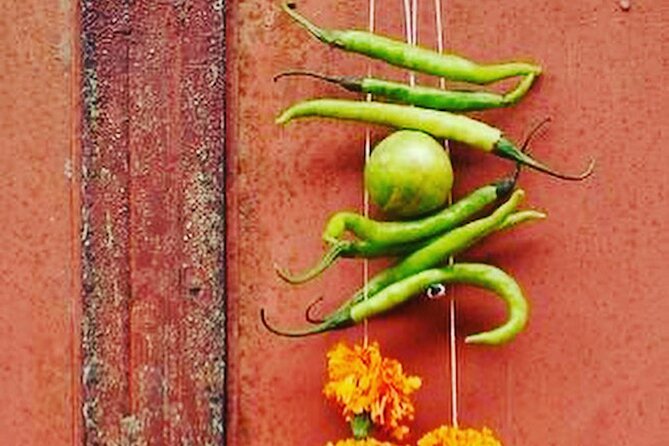
Johri Bazaar is the anchor point of this walk. It’s where the experience becomes tactile—smell, sound, and craft all at once. The focus is on how trade and community connect in the old city, especially through jewelry and related handiwork.
Expect more than window shopping. This is the kind of place where you’ll see how artisans work and how commerce fits into daily life. Even if you’re not buying anything, the walk gives you language for what you’re seeing: why these streets matter, how trades cluster, and how people’s identities connect to what they sell and make.
Snacks are included here, which is smart. A 2.5-hour walk goes fast, and Jaipur mornings can be busy in your senses. Having a small food break helps you keep your energy up without turning the tour into a long detour to find something to eat.
Temples, Bells, and the Simple Rules That Matter
Temples appear throughout the walk’s concept, and that’s why the clothing guidance is not optional. You’re advised to wear long pants and long sleeves, and you’ll likely need to remove your shoes at temple spots. That’s exactly the sort of detail that separates a smooth visit from an awkward one—so handle it early.
There’s also a respectful rhythm to temple areas: you pause, you look, you listen. The tour leans into that instead of treating temples like checklist boxes. You’re learning how daily belief shows up around you, not just what a building looks like.
A small but important instruction: get permission before taking pictures of a person. That’s one of those rules that can feel obvious, but it’s worth stating because street photography is where many visitors accidentally cross a line. Following the rule keeps you on good terms and keeps the tone of the walk respectful.
Back Lanes, Daily Faith, and the Stories People Actually Live
The core promise is that you’re going beyond heritage as a museum concept. You’re hearing how old beliefs and community structures influence daily life now—through faith practices, social roles, and neighborhood rhythms.
The walk is described as being heavy on listening and light on sightseeing pressure. You’re following stories about caste and community, plus anecdotes that help you understand why people do what they do in the old city. That matters because Jaipur’s architecture can look obvious from a distance, but the real logic becomes clear only when you hear how people explain their own world.
This is also where the tour’s small cultural lessons come in. You’ll hear about the famous Indian head nod language—where the meaning can change depending on context and tone. It’s the kind of skill that helps you communicate without stress.
And yes, there’s even a playful element: the tour mentions the possibility of seeing jumping monkeys across rooftops. In old Jaipur, that’s not a storybook moment—it’s just real life you notice once you’re moving through the lanes with attention.






Your Guide: Deepak’s Style Makes the Walk Feel Easy
Deepak is the name most strongly associated with this experience. In the feedback, he’s described as warm, kind, and funny, with strong local knowledge. That combo is rare. A guide can be informative, but if the tone feels stiff, the old city becomes exhausting fast.
What I like about this kind of guiding style is how it changes the pacing. You’re not just absorbing facts—you’re getting explanations in a way that keeps you relaxed. The result is that the city’s complexity—faith, trade, and social customs—feels understandable rather than overwhelming.
This also matters for a private walk. Since it’s just your group, the guide can adjust the flow to your comfort level. If you ask questions about how people live, the tour concept is built for that.
Price and Value: Is $34.04 Worth It?
At $34.04 per person for about 2 hours 30 minutes, this tour is priced like a serious cultural morning rather than a quick drive-by show. For that money, you’re getting a guided walk focused on lived experience, a snack inclusion, and a private group format.
The value becomes clearer when you compare what’s included versus what you’d otherwise piece together. Without this walk, you’d likely pay for a driver or spend time trying to find a credible local guide on your own. Here, the guide handles the context—where to pause, what’s going on, and what to pay attention to as you move through old lanes.
Also, the mobile ticket is convenient. If your plan changes and you need to adjust quickly, having the ticket on your phone helps.
If you’re traveling with someone who wants Jaipur beyond forts and palaces, this kind of pricing makes sense. If you only want monuments and photos, it might feel like too much walking and too little focus on big landmarks.
Practical Stuff You Must Get Right (It Saves Time)
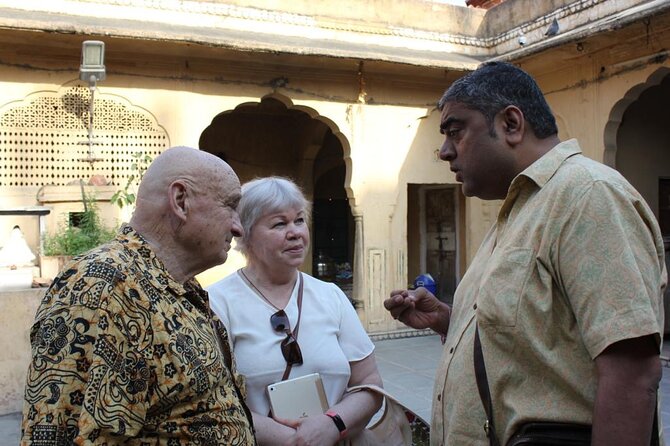
Old Jaipur rewards good prep. The tour gives clear advice, and you’ll be glad you listened.
- Shoes: wear shoes that are easy to remove for temple stops
- Clothes: long sleeves and long pants are recommended
- Water: bring water bottles—don’t count on being able to refill during the walk
- Photos: ask before photographing people
- Expect real streets: you might pass areas with garbage at street corners, so keep your eyes on the walk and don’t let it derail your mood
One more practical note: the tour is near public transportation, which helps if you’re combining it with other plans in Jaipur later. And because it’s private, it’s easier to match your pace without getting pressured by a larger group schedule.
Who Should Book This Walk (And Who Might Skip It)
This tour fits best if you want Jaipur to feel human. It’s especially good for you if:
- you like local stories and understanding how people live
- you’re curious about faith practices and daily customs
- you’d rather walk than spend your day moving between monuments
It might be less ideal if:
- you don’t want temple rules (shoe removal, dress expectations)
- you hate walking through tight lanes early in the morning
- you need a strict sightseeing checklist with major sites as the headline
If you’re the type who likes to ask why, not just what, this walk is built for you.
Making It Work With Your Day in Jaipur
Because the tour starts at 7:30am, it’s a great opener. It gives you a foundation for understanding the rest of Jaipur’s sights later. When you return to palaces or bigger attractions, you’ll likely notice more details about how trade, faith, and social life connect to what you see.
Timing also matters for comfort. The experience notes good weather is required, so keep an eye on conditions. If weather is poor, plan for a change in date or a refund option being offered (the tour is designed to operate in decent conditions).
Should You Book Once Upon a Time in Jaipur?
I think you should book this walk if you want Jaipur to feel lived-in. The story-first approach, the Johri Bazaar stop, and the presence of a guide like Deepak are the core reasons it earns such strong feedback. You’re not just collecting images—you’re collecting context you can actually use while you keep exploring.
Skip it only if you’re locked into monuments-only travel or you’re not comfortable with temple etiquette. If that’s you, this walk won’t match your priorities.
FAQ
Where does the tour start?
The tour starts at Sanganeri Gate, Pink City, Jaipur, Rajasthan 302003, India.
How long is the Jaipur walking tour?
The duration is about 2 hours 30 minutes.
What time does the tour begin?
The start time is 7:30 am.
Is this a private tour?
Yes. It’s a private tour/activity, so only your group participates.
What’s included in the price?
The tour includes snacks.
What isn’t included?
Breakfast and private transportation are not included.
Do I need a mobile ticket?
Yes. The tour uses a mobile ticket.
What should I wear for the tour?
You’re advised to wear long pants and long sleeves because the route includes temples.
Do I need to remove my shoes?
You should wear easy to remove shoes since you’ll visit temples.
What should I bring and how do I handle photos?
Bring water bottles, and ask permission before taking a picture of a person.