REVIEW · PORTO
Porto Jewish Heritage Walking Tour Small group
Book on GetYourGuide →Operated by Porto Craft Tours · Bookable on GetYourGuide
Porto’s Jewish past is written into the streets. This small-group Porto Jewish Heritage Walking Tour guides you through alleyways and staircases tied to Jewish life dating back to the 12th century, including a stop in a hidden synagogue space that you’d miss on your own. The story runs from early coexistence to the trauma of the Inquisition and the persecution of New Christians.
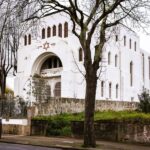
I especially like how the route mixes big ideas with small, specific places. You’ll walk Rua Sant’ana and Rua do Comércio do Porto, pause at Igreja de S. Bento da Vitória, then climb the Escadas da Esnoga (Synagogue Steps) to connect history to the physical city. And if your guide is Maria Sanchez, you get a clear, friendly style and a long runway for questions, with lots of context around names like Captain Arthur Carlos de Barros Basto (Abraham Israel Ben-Rosh) and the Kadoorie Mekor Haim Synagogue connection.
One drawback to plan for: the walk is moderate and includes stair climbing, so it’s not a good fit if you have mobility limits. Also, if you’re hoping for exact numbers on how many New Christian families fled or returned to Judaism, you may want to ask directly, since the tour focuses on the broader story rather than a data-heavy tally.
In This Review
- Key things you’ll notice on this tour
- From Vimara Peres statue to the streets that hold stories
- Jewish Porto from the 12th century: why this city mattered
- Hidden synagogues and what you’ll actually see inside
- Rue Sant’ana and Rua do Comércio do Porto: the neighborhood logic
- Igreja de S. Bento da Vitória and the city’s layered meanings
- Vitória viewpoint: seeing why the city is hard to forget
- Escadas da Esnoga: stairs that link belief to architecture
- Virtudes Garden, Montanha dos Judeus, and the walk toward Parque das Virtudes
- How the Inquisition and persecution of New Christians fit the timeline
- Price and value: what you’re paying for in a 3-hour walk
- Who should book this tour (and who should skip it)
- Quick practical notes before you go
- FAQ
- Where is the meeting point?
- How long is the tour?
- Is entry to a synagogue included?
- What’s included in the tour price?
- Is the tour free for children?
- What languages is the tour offered in?
- Is it suitable for people with mobility impairments?
- Should you book this Porto Jewish Heritage Walking Tour?
Key things you’ll notice on this tour
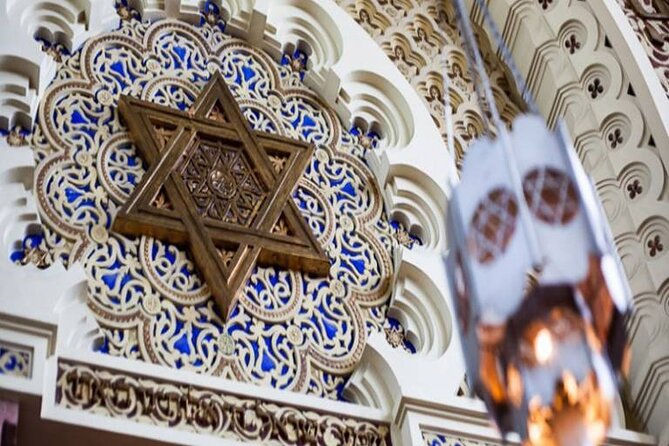
- A guided hidden synagogue visit instead of only exterior sights
- Stairs with meaning, especially the Escadas da Esnoga
- Porto’s Jewish community in context, from the 12th century onward
- Real historical figures tied to the story, including Captain Arthur Carlos de Barros Basto
- Route choices that link neighborhoods like Rua Sant’ana and Rua do Comércio do Porto to Jewish life and work
- A closing walk toward Parque das Virtudes, with views that help you “read” the city
From Vimara Peres statue to the streets that hold stories
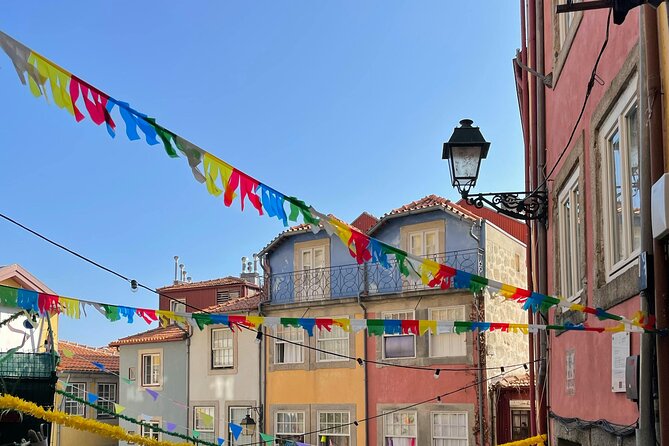
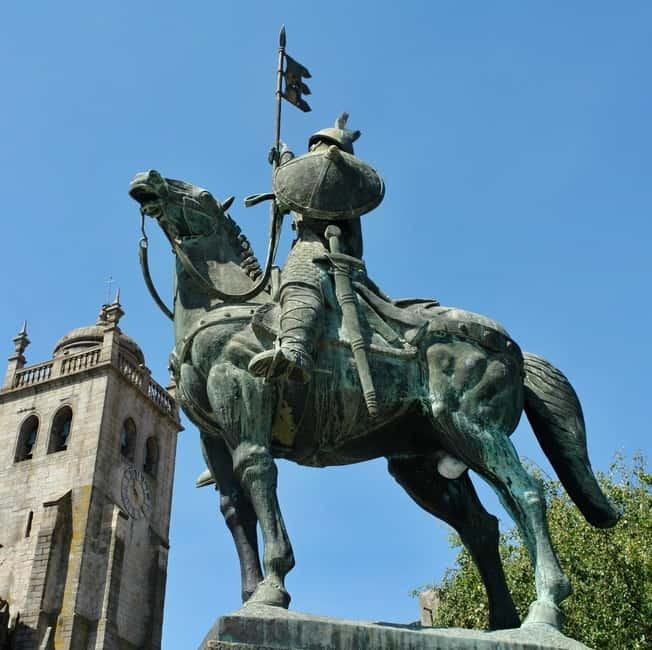
The tour starts at the Estátua de Vímara Peres, by the Cathedral area in Porto. It’s a smart meeting point because you’re anchored near the historic center, and from there the guide can ease you from general background into the specific places that mattered to the Jewish community. You’ll cover about 2.5 hours of visiting while keeping the pacing realistic for a walking tour.
What makes this beginning feel different from a typical “see-the-sites” stroll is the way the guide sets the timeline early. You’re not just told that Jews lived in Porto long ago. You get the feel for how the community fits into Porto’s larger story—trade, neighborhoods, and who had access to wealth and influence. That matters because the later part of the tour, with the Inquisition and persecution of New Christians, hits harder when you understand what came before it.
If you like asking questions, this format tends to work well. The guide (often Maria Sanchez) uses the route as a living map, so you can request extra context without losing the flow. And because the tour runs in English, Portuguese, or Spanish, you should be able to follow the details no matter which language you choose.
You can also read our reviews of more walking tours in Porto

Jewish Porto from the 12th century: why this city mattered
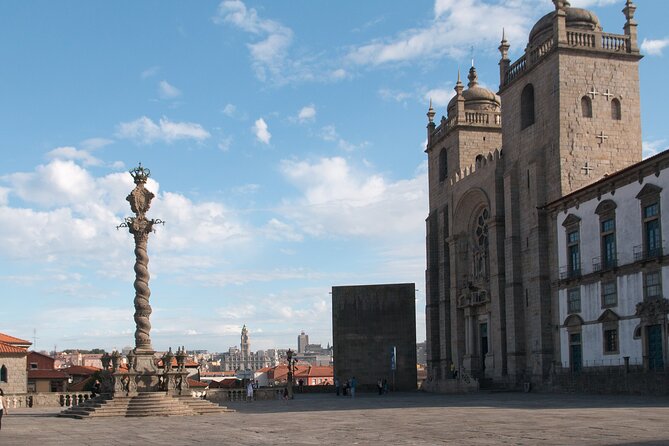
One of the tour’s strongest threads is explaining why Porto wasn’t just a stop on a bigger map. The story goes back to a Jewish presence dating to the 12th century, with a period when Jewish communities coexisted with local Christians. That doesn’t mean the relationship was always perfect, but it gives you a starting point that’s more useful than “then persecution happened.”
You’ll also hear about where the wealthier Jewish families settled, plus the commercial ties between Jews and Christians. That’s a big deal for understanding daily life. When people are trading, renting, working, and forming networks, places keep records—sometimes literally in architecture and sometimes in street patterns and what grew around them.
This is also where the guide’s approach earns its keep. Instead of throwing names at you, you connect them to real locations: schools of thought, houses of prayer, and the institutions that shaped community identity. If you’ve ever wondered how a city’s power works beyond kings and battles, this portion gives you a street-level answer.
Hidden synagogues and what you’ll actually see inside
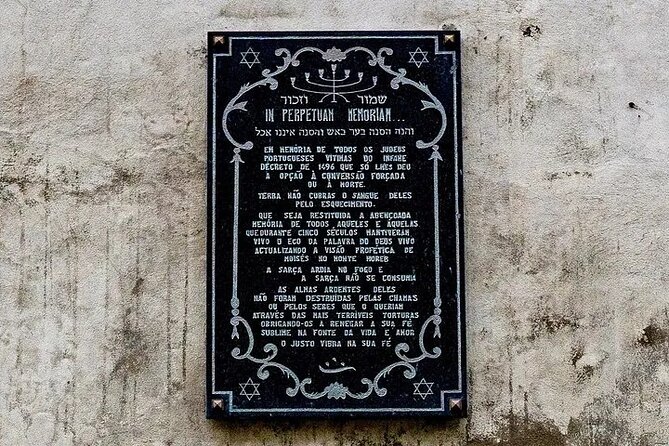
A standout promise here is entry into the hidden synagogue. That’s not a minor footnote. In this part of Porto, much of the physical history is layered over time, so being able to step into a concealed or less-obvious synagogue-related space changes the whole experience.
As you go, the guide ties what you’re seeing to the idea of secrecy. The Jewish community’s public visibility could shift, and the tour explains how Jewish religious life persisted even when conditions tightened. You’ll also get the historical framing for how secret worship spaces fit into broader pressures.
I’d recommend you treat this portion as a “moment of attention,” not a quick photo stop. Sit with the details the guide points out and ask how the space connects to the broader story of coexistence and later persecution. It’s the kind of visit that makes you understand the word hidden in a practical way.
Rue Sant’ana and Rua do Comércio do Porto: the neighborhood logic
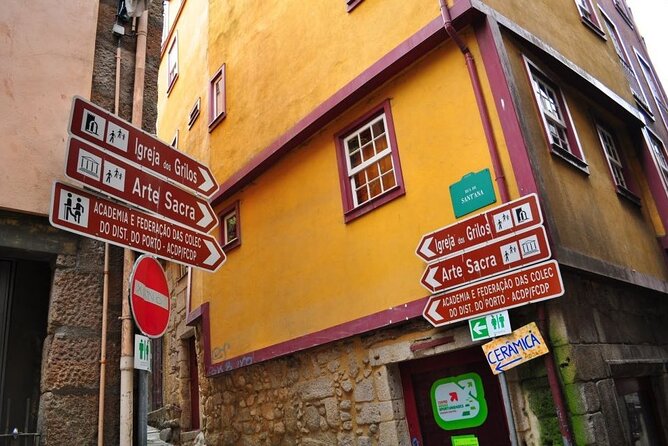
The route includes Rua Sant’ana and Rua do Comércio do Porto. Those are the kinds of streets that look like “just streets” if you’re sightseeing casually. With a guide, they become a map of community movement: where people likely walked, gathered, and worked, and how religious life sat inside the same urban fabric as commerce.
This is where you’ll feel the tour’s value as more than a set of exterior postcards. The guide connects the route to the idea of neighborhoods shaping identity. Instead of saying Jewish history is old, the tour shows how it was lived: in work patterns, in relationships, and in the geography of everyday movement.
A small tip: slow down your pace mentally on these streets. The guide’s best explanations often land when you’re moving at a “walking but listening” speed, not when you’re speed-walking to the next stop.
Igreja de S. Bento da Vitória and the city’s layered meanings
You’ll also visit Igreja de S. Bento da Vitória. A church stop can sound generic on a Jewish heritage tour if you only expect synagogues. But here, it works because the guide uses it as part of Porto’s broader layering: Christian institutions in the same historic spaces where earlier Jewish communities had their own footprint.
This stop helps you understand how history stacks. The city didn’t swap one set of buildings for another overnight. It changed over time, and those changes reflect shifts in power, belief, and legal reality.
Even if you’re not the type who loves church interiors, this kind of stop is worth your attention because it reinforces the tour’s core theme: Jewish life in Porto is not isolated from the rest of Portuguese history. It’s interwoven—sometimes in obvious ways, sometimes in tension.
You can also read our reviews of more historical tours in Porto





Vitória viewpoint: seeing why the city is hard to forget
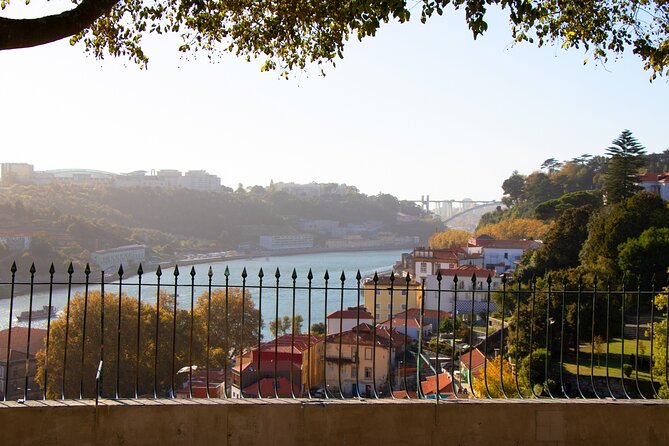
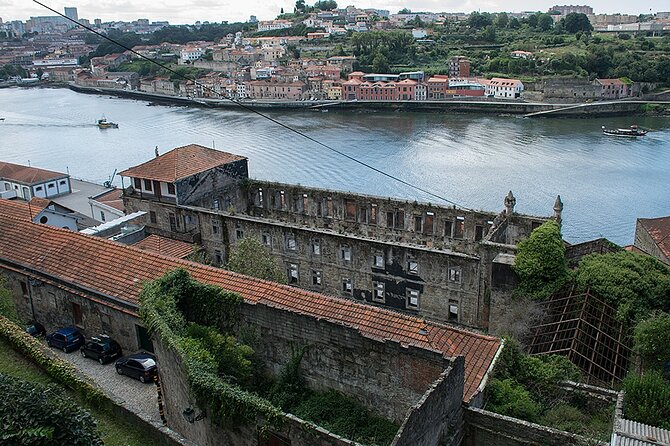
A key scenic break is the Vitória viewpoint. You’re getting a view for a reason. Porto’s terrain shapes how communities lived and moved, and the viewpoints make the hills and neighborhoods feel real, not abstract.
From up here, the guide’s explanations about the Jewish quarter and the routes between prayer spaces and daily life land better. You start to “read” the city in three dimensions, which is exactly what you want before climbing the more specific stair segment later.
If you’re traveling in warmer months, take a minute to pace yourself here. Short pauses at viewpoints keep the stairs later from feeling like punishment.
Escadas da Esnoga: stairs that link belief to architecture
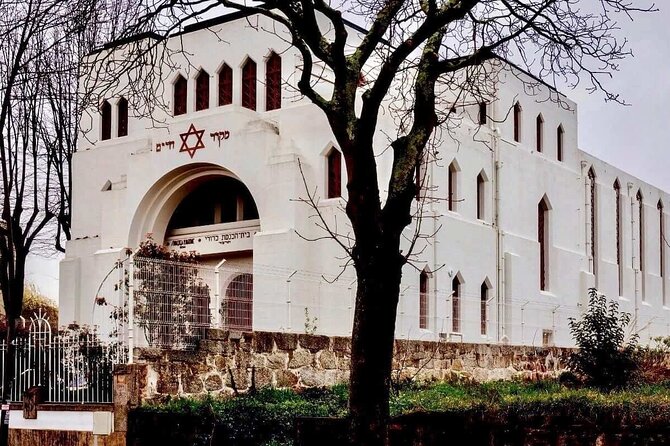
The Escadas da Esnoga (Synagogue Steps) are a signature moment. This is the part of the tour that turns history into physical effort, and that makes it memorable. When you climb, you feel how steep neighborhoods can be and why location mattered so much for community life.
The guide ties the steps to the idea of synagogue-linked movement—how people likely navigated their way between religious and community spaces. Even if the exact details aren’t the focus, the tour explains the meaning behind the stair name and why it remains part of the story.
Practical note: wear comfortable shoes. The tour includes moderate walking and stair climbing, and the steps are exactly the kind that punish poor footwear.
Virtudes Garden, Montanha dos Judeus, and the walk toward Parque das Virtudes
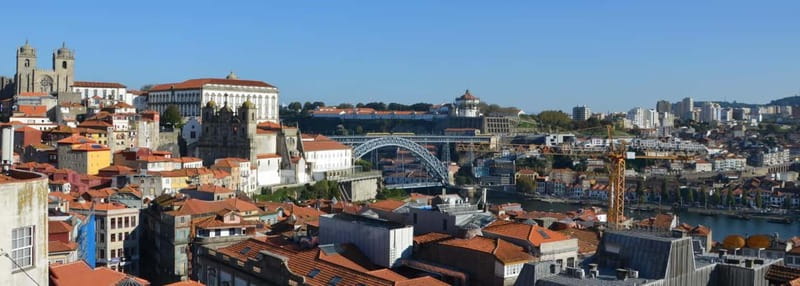
After the core historic stops, the tour heads through the Virtudes Garden and toward Montanha dos Judeus (Mountain of the Jews). This part gives you contrast. You’ve spent the day listening to hard history and specific religious contexts; now you get a calmer setting where the guide can connect place to memory.
The tour ends at Parque das Virtudes. Ending here makes sense: it’s a natural “out” point from the old streets, and it helps you transition from the narrative of the past back into the present-day city. If you want to continue sightseeing after the tour, this finish helps you keep your bearings instead of walking yourself into fatigue.
How the Inquisition and persecution of New Christians fit the timeline
The tour explicitly covers the Inquisition and the persecution of the New Christians. That’s not a side topic—it’s a central turn in the story, and it’s presented after the earlier sections on community life.
I like how the tour frames this as a shift from earlier coexistence toward pressure and forced change. You’ll get the idea of why Jews and converted Jews (New Christians) became targets, and how religious identity became entangled with power. The walk structure supports this: you move from community spaces and everyday geography into the later era when life could change fast.
One thing to keep in mind: this tour is designed for an overview with strong context. If you want specifics like exact counts of families who fled or returned to Judaism, you’ll likely have to ask your guide directly. One review even points out that the tour may not provide the number-based detail some people look for.
Price and value: what you’re paying for in a 3-hour walk
At $57 per person for a 3-hour experience, this tour is positioned as mid-range in cost, but the value comes from what’s included. You get a professional local guide, taxes and insurance, and crucially, entry into the hidden synagogue.
That entry changes the economics. A walking tour without access is mostly storytelling from outside. Here, you’re paying for narrative plus a physical stop you can’t easily replicate without knowing where to go. The small-group format (with private or small groups available) also matters. With fewer people, it’s easier for the guide to answer questions instead of racing through points.
It’s also priced in a way that can work for families: kids are free until age 12. If you’re traveling with younger people who can handle about three hours walking and a few stair segments, that’s a real bonus.
Who should book this tour (and who should skip it)
Book it if you:
- Want a guided walk where Jewish history is tied to real Porto streets and buildings
- Prefer narrative context over a checklist of sights
- Care about seeing a hidden synagogue stop, not just reading plaques
- Like guides who can explain names and connections, including figures like Captain Arthur Carlos de Barros Basto (Abraham Israel Ben-Rosh)
Skip it if you:
- Need a tour that avoids stairs and steep walking
- Want only easily accessible, fully open monuments with no hidden or less-obvious spaces
- Are looking for highly specific statistical details about forced migrations and returns, since the focus is broader history and significance
Quick practical notes before you go
This tour is pet friendly, which is a nice detail if you’re traveling with a companion animal. Expect moderate walking, comfortable shoes are a must, and the tour is not suitable for people with mobility impairments.
Group size is flexible: it’s designed for small groups, and there’s also a private option. One more planning factor is the minimum of 3 participants; if it doesn’t meet that threshold, the tour may be canceled unless you can make it work as a paid private version.
FAQ
Where is the meeting point?
You meet at the Estátua de Vímara Peres, at the Cathedral of Porto.
How long is the tour?
The tour lasts about 3 hours, with around 2.5 hours of visiting.
Is entry to a synagogue included?
Yes. The price includes entry into the hidden synagogue.
What’s included in the tour price?
It includes a professional local guide, taxes and insurance, entry into the hidden synagogue, and free admission for kids until age 12.
Is the tour free for children?
Kids are free until they reach 12 years old.
What languages is the tour offered in?
The tour is available in English, Portuguese, and Spanish.
Is it suitable for people with mobility impairments?
No. It is not suitable for people with mobility impairments.
Should you book this Porto Jewish Heritage Walking Tour?
If you want Porto history with real texture—streets, staircases, and an actual hidden synagogue visit—this tour is a strong choice. The best version of it is with a guide like Maria Sanchez, because her style is friendly and question-friendly, and she connects names and institutions to the places you’re standing in.
Just be honest with yourself about the physical part. If stairs are a challenge, you’ll feel it. If they’re manageable with good shoes and pacing, this is one of the more meaningful ways to understand Porto beyond postcards.