REVIEW · NEW DELHI
Delhi: Heritage Photography Tour
Book on GetYourGuide →Operated by Yo Tours · Bookable on GetYourGuide
A good photo starts with the right street. This 2-hour Delhi heritage photography tour is built around photo stops many big-city lists skip, with a guide who nudges you toward strong angles, textures, and light. I especially liked the way you bounce between monuments and leafy gardens, and the relaxed pace that lets you actually work your camera. One thing to consider: it’s a walking tour, and you’ll want comfortable shoes and to travel light because luggage or large bags aren’t allowed.
I also like that the guide is part storyteller, part shooting coach. You’re not just “seeing sights.” You’re learning how to frame them—on tomb walls, garden paths, and even Lodhi street art. If you’re expecting a nonstop sprint through the biggest-ticket Delhi targets, this won’t be that. It’s more calm, more detail-focused, and it pays off best if you slow down.
You’ll meet at the Safdarjung Tomb ticket counter gate, then build toward Lodhi Garden, the rose walk, Lodi-era tombs, and an ending stretch with painted walls and photo-friendly views. In my notes, I’ve seen how guide styles matter: Rajeev impressed with clear, useful stories and good handling of photographers, while Ameesha was praised for making it easy to follow along without constant interruptions and for being patient when people wanted to shoot their way.
In This Review
- Key highlights worth the time
- Why a 2-hour Delhi photo walk works so well
- Meeting at Safdarjung Tomb: start with the right momentum
- Safdarjung to Muhammad Shah Sayyid: monuments, relics, and frame-ready texture
- Lodhi Garden and the Rose Garden: the color pause you’ll thank yourself for
- Bara Gumbad, Athpula Bridge, and the “city in-between” shots
- Shish Gumbad and Sikandar Lodi Tomb: closing with Lodi-era mood
- Lodhi street art: the surprise that makes your album feel modern
- How guides help you shoot better (without slowing you down)
- Price and value: how $14 adds up in real life
- Practical stuff that keeps the day smooth
- Who this tour suits best
- Should you book the Delhi Heritage Photography Tour?
- FAQ
- Where do I meet for the tour?
- How long is the Delhi heritage photography tour?
- What languages are available on this tour?
- What’s included with the ticket price?
- Are entry fees included for the stops?
- What should I bring with me?
- Is luggage allowed?
- Is the tour wheelchair-accessible?
- Can I cancel and is there a pay-later option?
Key highlights worth the time
- Safdarjung Tomb to start with strong stone textures and dramatic silhouettes
- Muhammad Shah Sayyid Tomb areas that show Delhi’s layered past through relics
- Lodhi Garden + Rose Garden for nature, architecture, and flower-color photos
- Lodhi street art with themes like nature and life-and-death symbolism
- Lodi Dynasty sites including Shish Gumbad and the Sikandar Lodi Tomb area
- Athpula Bridge for a classic walk-across-water photo moment
Why a 2-hour Delhi photo walk works so well
Delhi can feel like sensory overload. That’s part of the magic, and also why it’s great to have structure. In just two hours, you cover a useful slice of the city: tombs with bold geometry, garden lanes for breathing room, and urban art that gives you a totally different look from monuments.
This is also one of those trips where the “value” isn’t only in the stops. It’s in the way the tour helps you see what your camera can do. You get photography tips during the walk, and the guide is trained to adapt to what photographers actually want—angles, pauses, and the freedom to try your own framing.
One more practical plus: it’s long enough to be satisfying but short enough to fit into any Delhi plan. If you’re also doing other sites, this works as a focused, lighter second session—less exhaustion, more keepers.
You can also read our reviews of more historical tours in New Delhi



Meeting at Safdarjung Tomb: start with the right momentum
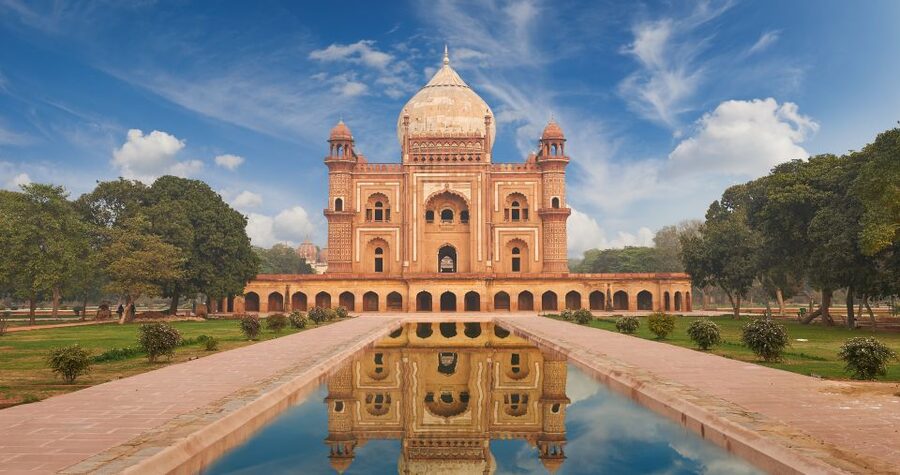
You begin at the entrance gate of Safdarjung Tomb, at the ticket counter. That matters more than it sounds. You’re starting at a specific place, not “somewhere nearby,” so you waste less time hunting for your group.
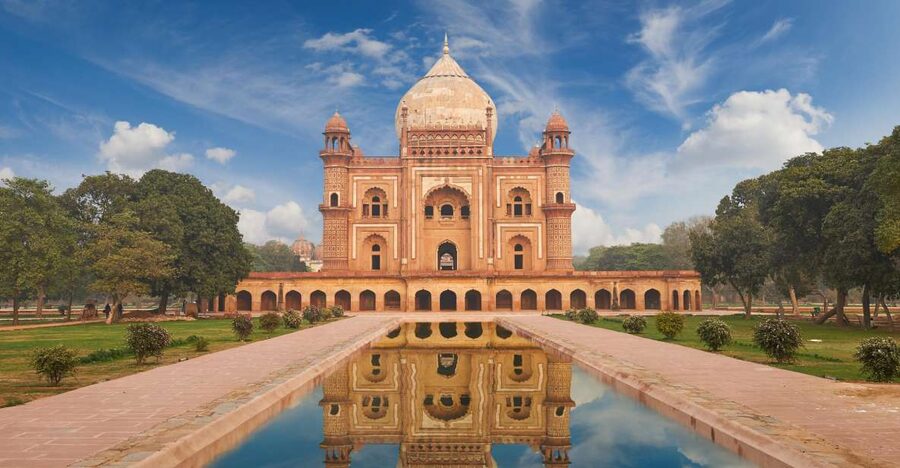
From the start, you’re in monument territory—good news if you like photos with strong lines. Safdarjung Tomb offers stone surfaces and architectural rhythm that help your camera find patterns fast. If you arrive early and you’re into golden-hour shooting, the early session vibe can help with shadows and contrast. Even if you’re not chasing sunset, you’ll still get plenty of shape and texture.
Also, bring a simple mindset: you’re there to shoot details, not just pose for big landmark views. The guide’s job is to point you toward photo angles you’d likely miss when you’re wandering alone.
Safdarjung to Muhammad Shah Sayyid: monuments, relics, and frame-ready texture
After Safdarjung Tomb, you move into the zone of quieter, more specific history. The tour includes the Muhammad Shah Sayyid Tomb, which is noted for displaying relics connected to Delhi’s history. Even if you don’t want to read every plaque, this kind of stop gives your photos narrative fuel. Relics, carvings, and context details can help your images feel like they belong to a story, not just a scene.
What I like here is the balance. You’re not only chasing one style. Tomb photography can be about symmetry, but it can also be about close-ups—hands-of-time textures, border carvings, and surfaces that catch light differently as you shift a few steps.
A practical note: you’ll likely do some moving between angles. Keep your camera strap secure, and don’t load yourself up with extra gear. The tour doesn’t allow luggage or large bags, so plan for what you can carry comfortably in a short, active walk.
Lodhi Garden and the Rose Garden: the color pause you’ll thank yourself for
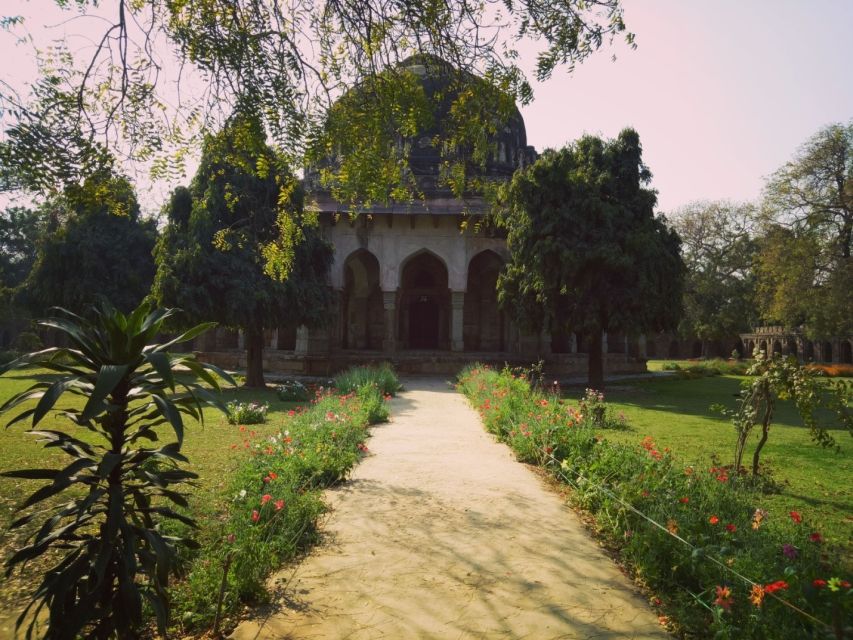
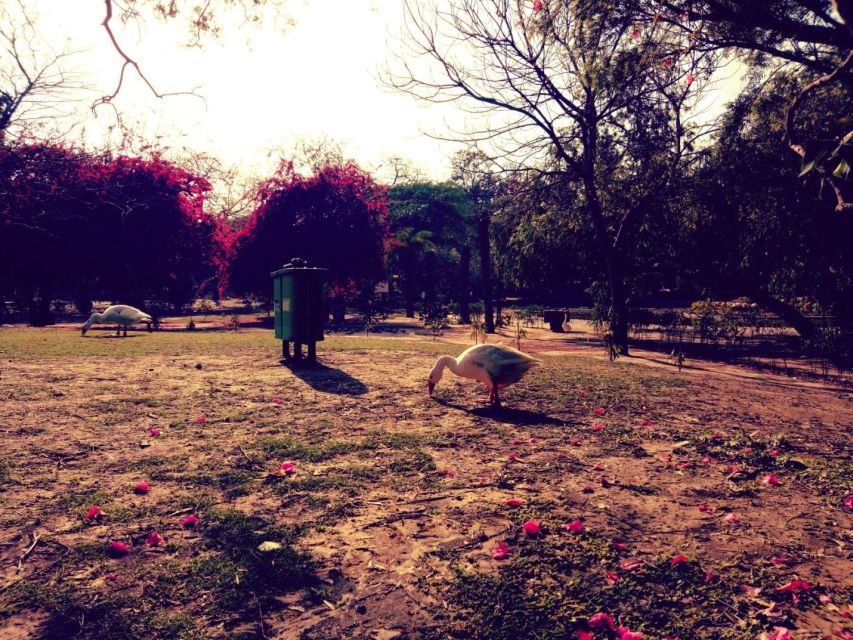
Then you hit what photographers often crave: a change of pace. Lodhi Garden is described as the loveliest park in Delhi, and that matches how these spaces photograph. It’s where you can shift from hard stone and shadow to softer greenery and path-based compositions.
This is the part of the tour that helps you diversify your set. You can shoot:
- Nature + architecture together (trees framed against stone forms)
- Flower and leaf detail
- Leading lines from walking paths
- Wider “breathing space” images after tighter monument shots
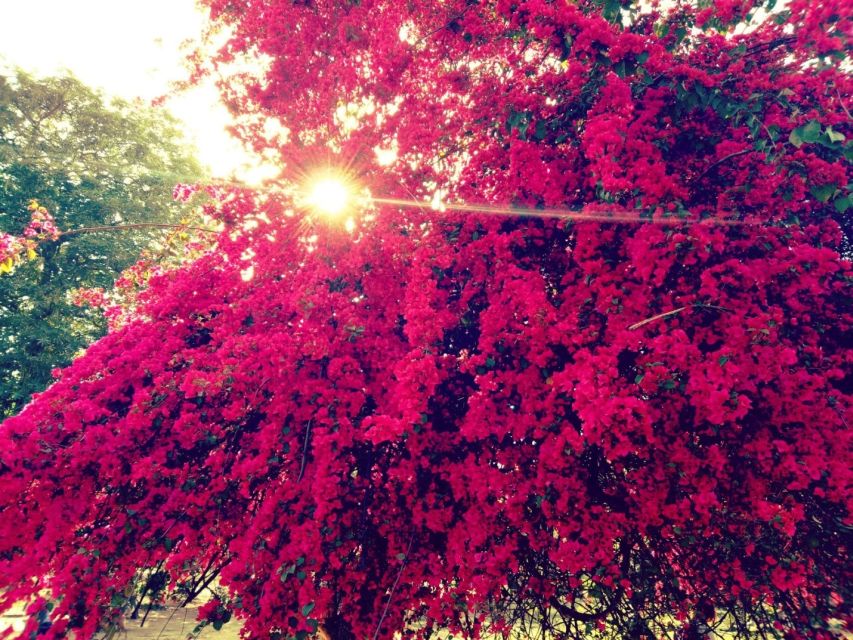
The tour later includes a Rose Garden walk-through. That’s a straightforward win for color. Even if you’re not a flower specialist, rose blooms and garden geometry give you a clean, readable background for portraits, candid shots, and close details.
One consideration: gardens mean you’ll often be shooting with foliage between you and your subject. That’s great for mood, but it also means you’ll want to watch your background clutter. A photography coach helps here—small reframing can make the difference between a busy shot and a clean one.
Bara Gumbad, Athpula Bridge, and the “city in-between” shots
The tour takes you past centuries-old buildings, wide lanes, and the kind of city edges you don’t always notice from a bus window. You also pass embassies of different countries, which can add variety to your background layers—more modern signage and facades mixed with older surroundings.
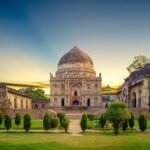
Then there’s the 15th-century Bara Gumbad tomb and mosque. This kind of site is valuable to a photo tour because it gives you scale. Even if your camera is set up for close-ups, the big domes and massing let you pull back for wider architectural images. It’s a good stop for experimenting with focal length and seeing how the same subject looks more monumental versus more textured.
After that, you cross with Athpula Bridge, using it to cross a lake. Bridges are underrated for photography. They create a natural frame—one side becomes a foreground, the other a background, and the water gives you reflective tones and movement possibilities. It’s also a good “reset” moment: short stretch, new angles, and a payoff view that feels like travel, not only sightseeing.
If you’re the type who shoots in series, this segment is where you’ll likely fill gaps between monument and garden sets. It’s the connective tissue in your album.


Shish Gumbad and Sikandar Lodi Tomb: closing with Lodi-era mood
Towards the end, the tour focuses again on the Lodi Dynasty. You visit the Shish Gumbad, described as the last lineage of the Lodhi Dynasty. You also make time for the Rose Garden segment and the Sikandar Lodi Tomb area.
Lodi-era architecture can be visually different from what you’ve just photographed in gardens. The shapes, stonework, and structural rhythm tend to give you more serious, historical frames—perfect for finishing your set with images that feel grounded and structured.
This closing part also matters for your photo workflow. If you’ve been shooting for 60–90 minutes already, your camera settings are probably closer to what you need. You’ll get a chance to apply what you learned earlier—like how to simplify a background or how to use light direction without overthinking it.
Lodhi street art: the surprise that makes your album feel modern
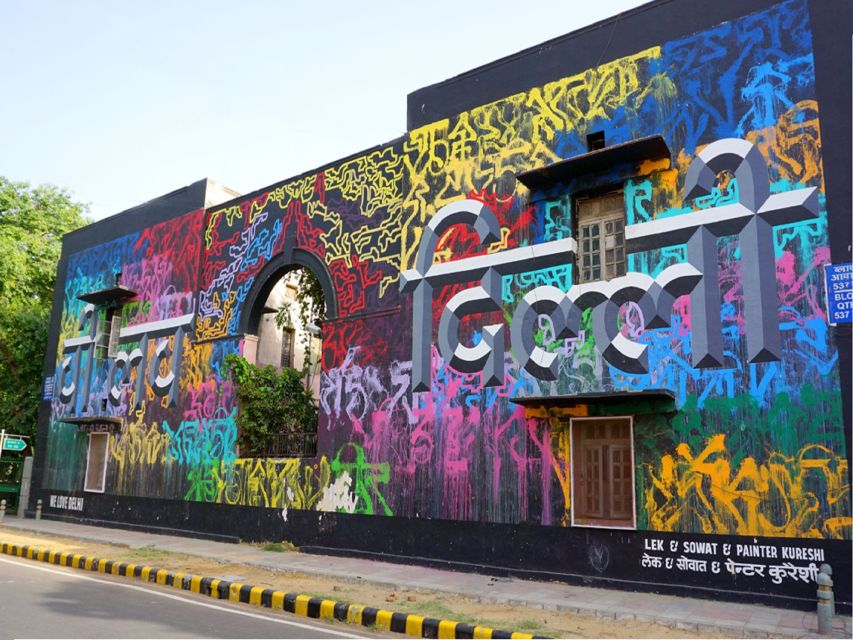
The final stretch includes Lodhi street art—painted walls with graffiti themes. The described themes include nature, the origin of the world, and life and death.
This is the section I most recommend if you want your photos to feel like Delhi today, not only Delhi as a museum. Street art brings color, bold shapes, and human expression into a route that otherwise leans toward formal architecture and garden paths. It also gives you practical photo chances: you can shoot from close to capture texture and paint strokes, or step back for layout and wall composition.
One practical tip for this kind of subject: watch for distracting backgrounds behind the wall. If you can, turn slightly and look for a cleaner “frame” around the artwork so the mural becomes the main character in your shot.
How guides help you shoot better (without slowing you down)
What makes this tour work isn’t just the locations. It’s the guide approach.
You get a highly trained storyteller/guide who speaks English and Hindi (and Spanish is also offered). The guide also gives photography tips, and the tour includes conversations about religious aspects, beliefs, and local importance. That last part may sound like “extra talk,” but it actually helps your photography. When you understand what you’re seeing—at least at a basic human level—you tend to photograph with more respect and better intention. You also remember what each stop means, so your images don’t feel like random snapshots.
Guide names from the experience stand out. Rajeev was noted for being informative, patient, and experienced with photographers, letting people do their own thing instead of constant corrections. Ameesha was praised for reaching out by phone so nobody felt lost, and for patience with photographers who want to try angles. If you’re someone who likes autonomy behind the camera, this kind of guide style is a big deal.
Also, you get a hot beverage included. In a city like Delhi, that matters more than you’d think. It keeps you comfortable and gives you a natural moment to warm up your hands if the weather is cool, or simply to reset before the next stop.
Price and value: how $14 adds up in real life
At $14 per person for about two hours, this tour sits in the “high value” category if you care about guidance and entry access. The price covers:
- entry to all photographic destinations
- a live guide with English/Hindi (plus Spanish availability)
- photography tips
- one hot beverage
- access to religious/cultural context during the walk
Not included are hotel pickup/drop-off and water bottle. That means you do need to handle your own water and get to the meeting point. But for a short heritage photography session, it’s a fair trade. You’re paying mostly for trained guidance and for not having to figure out access on your own.
The biggest value signal is the focus on photo points not usually covered in the obvious big loops. If you want to shoot safely, learn light and framing quickly, and avoid wasting time searching for the right angles, this is the kind of low-cost add-on that can seriously improve your Delhi photo results.
Practical stuff that keeps the day smooth
A few rules are built in, and they shape the experience:
- Wear comfortable shoes. You’ll walk between multiple sites.
- Don’t bring luggage or large bags. Keep it light.
- Plan around a short, active route from stop to stop.
The tour isn’t suitable for wheelchair users or pregnant women, so if mobility is a concern, skip this one and look for a different format.
Also, you won’t get hotel pickup, so be ready to meet at the Safdarjung Tomb ticket counter gate. This is easy if you’re comfortable with basic local transport. If you want the least stress, double-check how you’ll get there before the tour time.
For water: a water bottle isn’t included. Bring your own so you stay comfortable and don’t have to improvise mid-walk.
Who this tour suits best
This is a great fit if:
- you want photography help more than a lecture
- you like a mix of tombs + gardens + street art
- you prefer routes that go slightly off the busiest tourist beaten paths
- you can enjoy a relaxed walk where shooting is part of the pacing
It’s less ideal if you:
- need step-free access
- expect a driver-based, do-everything-by-car experience
- want only the most famous monument-photo spots
Should you book the Delhi Heritage Photography Tour?
Yes, if you’re the type who likes good photos and better guidance, this tour is a strong buy for the time. The route gives you variety—Safdarjung Tomb, Muhammad Shah Sayyid Tomb with relic displays, the Lodhi Garden and Rose Garden photo breaks, Lodi-era sites like Shish Gumbad and Sikandar Lodi Tomb, and a fun end with Lodhi street art.
Skip it if you need full accessibility or you’re not up for walking between sites. Also, go with a small kit and comfortable shoes, because the experience is designed for movement.
If your goal is to leave Delhi with a photo set that looks like more than landmarks—images with texture, color, and story—this tour is built for you.
FAQ
Where do I meet for the tour?
Meet your storyteller at the entrance gate of Safdarjung Tomb, at the ticket counter.
How long is the Delhi heritage photography tour?
The tour lasts 2 hours.
What languages are available on this tour?
The live tour guide speaks English, Hindi, and Spanish.
What’s included with the ticket price?
You get entry to all photographic destinations, photography tips, a hot beverage, and conversation time that covers religious aspects, beliefs, and local importance.
Are entry fees included for the stops?
Yes. Entry to all the photographic destinations is included.
What should I bring with me?
Bring comfortable shoes. A water bottle isn’t included, so plan to bring your own.
Is luggage allowed?
No. The tour doesn’t allow luggage or large bags.
Is the tour wheelchair-accessible?
No. It’s not suitable for wheelchair users.
Can I cancel and is there a pay-later option?
You can cancel up to 24 hours in advance for a full refund. You can also reserve now & pay later (book your spot and pay nothing today).