REVIEW · SAN ANTONIO
Small-Group World Heritage San Antonio Missions Guided Tour
Book on Viator →Operated by Texian Tours · Bookable on Viator
Missions make San Antonio make sense fast. I love how a real guide keeps you focused on what matters at each UNESCO site, and I especially like the way the small-group setup makes it easy to ask questions and actually hear the answers. One thing to consider: this tour is heavy on narration, so if you want quiet time only, you may find it a bit much.
The tour runs in an air-conditioned vehicle and starts right in the heart of old San Antonio at 401 Villita St. You get bottled water, plus a mobile ticket, and you spend smart chunks of time at each stop instead of wandering around trying to piece everything together.
It’s in English, for a maximum of 10 travelers, and service animals are allowed. The itinerary is best suited for adults and kids 8 and up—so if you’re traveling with younger kids, you’ll need another plan.
In This Review
- Key highlights to know before you go
- Why the San Antonio Missions tour feels worth it
- Getting there: 401 Villita St start, air-conditioned comfort
- Stop 1: Mission Concepción for a quick, focused orientation
- Stop 2: Mission San José and the 10am Park Ranger moment
- Stop 3: Mission San Juan for a shorter, contrast-rich visit
- Stop 4: The Espada Aqueduct explains why farming happened
- Stop 5: Mission Espada closes the loop with another grounds visit
- How long it really takes and how to plan your day
- What you’ll learn from the guides (Joseph, Matthew, and the power of good pacing)
- Included perks that improve the value
- Who this tour is best for
- Should you book this small-group missions tour?
- FAQ
- How long is the Small-Group World Heritage San Antonio Missions Guided Tour?
- What time does the tour start, and where do I meet?
- Where does the tour end?
- Which missions and sites are included?
- Is admission included for the stops?
- What’s included in the tour price?
- Are snacks provided?
- How big is the group?
- Is the tour offered in English?
- Is there an age limit?
- What if weather affects the tour?
Key highlights to know before you go
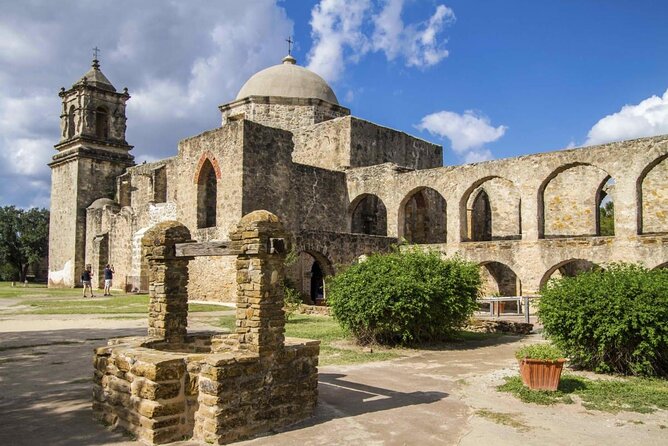
- Up-close mission stops with a guide so you don’t miss the key details at each site
- Free admission tickets at every mission stop on the route
- Mission San José includes a 10am Park Ranger tour timed for you
- The Espada Aqueduct connection explains how water made farming possible at the southernmost mission
- Max 10 travelers keeps the pace human and the questions coming
Why the San Antonio Missions tour feels worth it
San Antonio’s mission complex isn’t just about pretty walls and old churches. The real value is the system: how people built communities, how faith and daily labor shaped routines, and how the landscape of water and irrigation made farming possible.
This tour works because it puts a guide in the driver’s seat—so you’re not stuck reading plaques while trying to remember what you saw 10 minutes ago. And since it’s capped at 10 people, you’re not competing for attention or shouting over a crowd.
I also like that the schedule is built around moments instead of checkboxes. For example, Mission San José is scheduled to get you there for a 10am guided tour led by a Park Ranger, which adds structure and context you can’t easily recreate on your own.
You can also read our reviews of more tours and experiences in San Antonio.

Getting there: 401 Villita St start, air-conditioned comfort
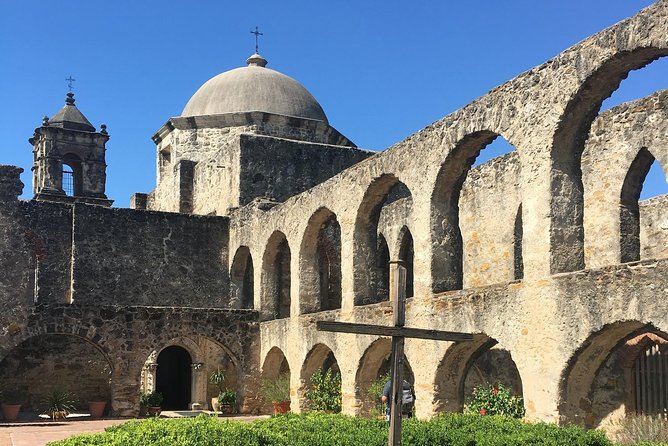
You meet at 401 Villita St, San Antonio, TX 78205, with the tour starting at 9:00 am. The ending point is back at the same meeting location, which is a small but real convenience—especially if you plan to keep the day moving right after the tour.
Transport is handled for you in an air-conditioned vehicle. That matters in San Antonio, where warm weather can turn a walking-heavy day into a grind. Having the ride between sites also keeps the energy up for the mission stops themselves.
You’ll receive a mobile ticket, and the tour operates in English. Service animals are allowed, and the meeting area is near public transportation, which helps if you’re mixing methods during your visit.
Stop 1: Mission Concepción for a quick, focused orientation
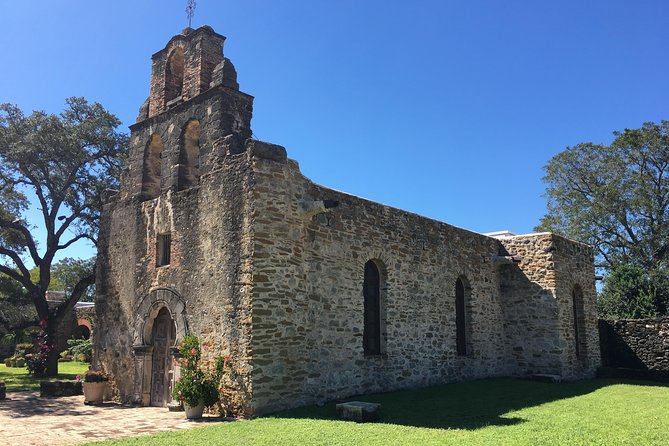
Mission Concepción is your first stop, with about 25 minutes on the grounds. That short timing might sound brief, but it’s a smart way to start: you’re not yet tired, and you can get a first anchor point for the rest of the route.
This is the kind of stop where your guide’s timing helps. A couple of mission sites later, you’ll be able to compare what you saw at Concepción with what you notice at San José and San Juan. When you return to your hotel, that early contrast is what keeps the whole UNESCO story from feeling like a blur.
One practical thought: because your time here is limited, don’t treat this like a slow wander. Think of it as a kickoff—look first, then listen.
Stop 2: Mission San José and the 10am Park Ranger moment
Mission San José is the main event and it gets the most time—1 hour 15 minutes. The big win is that the schedule is designed to get you there for the 10am guided tour led by a Park Ranger.
If you’re the type who likes details, this is where you’ll be happiest. A ranger-led explanation tends to bring site-specific context into focus, and your own guide can connect the dots between that information and what you’ll see at the other missions.
You also get enough time at San José to do more than just move through doors. You’ll have a window to explore the grounds briefly while still staying on pace. That blend—structured ranger time plus your guide’s mission interpretation—is why San José can feel like the center of gravity for the whole tour.
If you’re someone who easily gets overwhelmed by talking, give yourself a small buffer. This is the stop where the most explanation will likely happen.
Stop 3: Mission San Juan for a shorter, contrast-rich visit
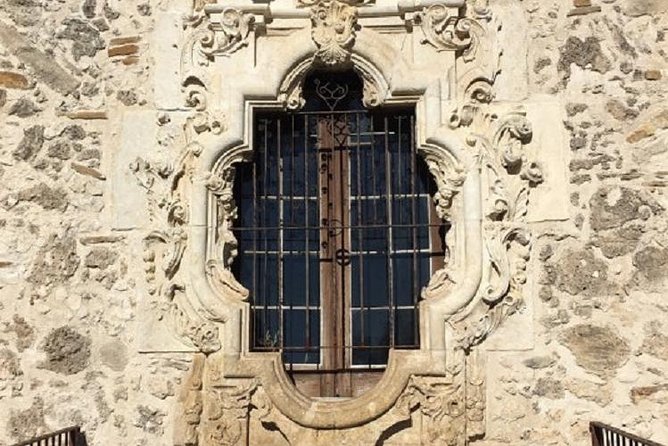
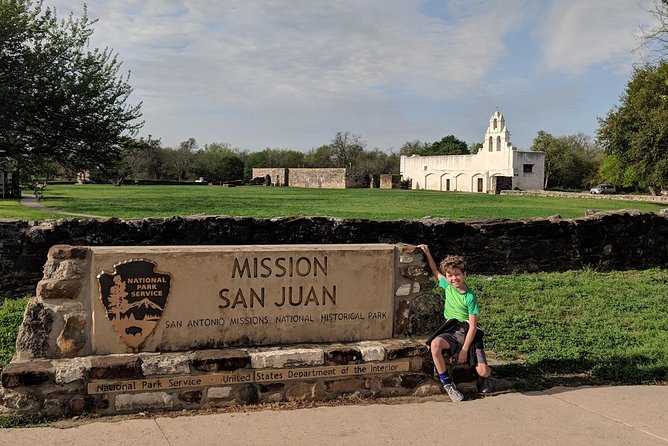
Mission San Juan Capistrano is next, with about 20 minutes to visit and briefly explore the grounds. This is a shorter stop, but it’s not filler.
I like shorter mission visits when they’re paired with better context earlier. Since you just spent real time at Mission San José, you’ll notice what’s similar and what’s different at San Juan. Instead of treating it as a separate site, you’ll see it as part of the same living network.
At this stage, you’ll also start to pick up the pattern of daily life—what you see in the buildings and what that implies about how people lived and worked. Even in a short visit, that understanding can make the site feel much more meaningful.
A quick caution: 20 minutes passes fast. Focus on the guide’s priorities, then take a couple of minutes for your own questions and photos.
Stop 4: The Espada Aqueduct explains why farming happened
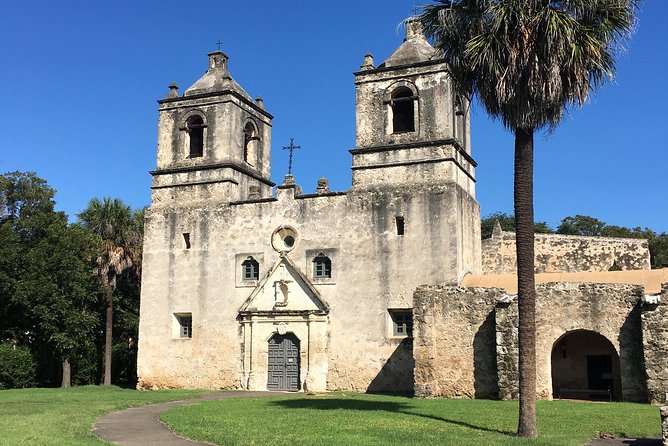
Then comes The Espada Aqueduct, with only around 10 minutes to see it. Short stop. Big payoff.
Here’s the key idea you’ll carry with you: the aqueduct made water accessible to the most southern mission, which allowed for farming to occur. That’s not just trivia. It explains why these missions weren’t isolated religious outposts. They were also agricultural and community hubs, tied to water systems that enabled daily survival.
Even if you only get a brief look, you’ll understand the aqueduct’s purpose in plain terms. You’ll probably see it differently afterward—less like a stone structure and more like infrastructure that changed what life was possible.
If you’re the sort of traveler who likes engineering, water, or systems thinking, this is the stop that often surprises people. In just a few minutes, the tour gives you a clean cause-and-effect story.
Stop 5: Mission Espada closes the loop with another grounds visit
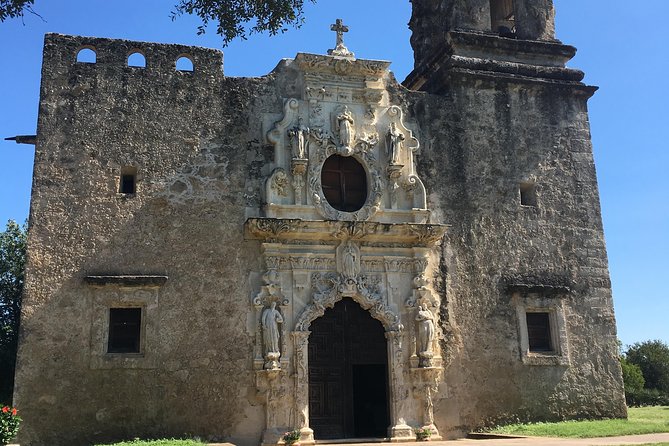
Mission Espada gets about 20 minutes to visit and explore the grounds. Think of it as the emotional and practical bookend to what you just learned at the aqueduct.
The goal here is less about seeing everything and more about “getting it.” After Concepción and San José, you’ve built context. After San Juan, you’ve got comparison. After the aqueduct, you understand the water link. Now Espada helps you connect those pieces into something that feels whole.
You’ll have time to walk around briefly, look for details, and take in the layout. And because you’re doing it right after the aqueduct explanation, the meaning of what you’re seeing should click faster than it would on an un-guided visit.
How long it really takes and how to plan your day
The tour runs about 4 hours, roughly from 9:00 am. Still, I’d plan with breathing room. Some experiences like this can run a little longer than the estimate, mostly because the guide covers a lot and the mission stops are timed with site moments.
Also, snacks are not included. One practical tip: plan to eat before you go, or bring something small on your own. You’ll get bottled water during the tour, but you won’t get food unless you add it.
If you have tight plans after the tour—like a second booking later in the day—schedule it for later than you think. Your future self will thank you.
What you’ll learn from the guides (Joseph, Matthew, and the power of good pacing)
The biggest praise in the feedback is not just that the tour includes information. It’s that the guides stay engaged, can handle questions, and explain context in a way that sticks.
Joseph is repeatedly highlighted for being both friendly and very detailed in his explanations. People also mention that he can answer questions and that the trip leaves them with deeper appreciation for the UNESCO missions. Matthew is also praised for knowledge and enthusiasm, with the overall tone described as like listening to a history instructor.
One more small detail that matters: you might get help with the ride and timing so you’re not hustling for the right entrance or trying to interpret what you see on your own. That’s the difference between visiting missions and understanding them.
One caution that pops up in the feedback: the narration can be continuous. If you’re someone who likes to read at your own pace, or who wants more silence, you may feel like it’s a talk-forward experience. If that sounds like you, go in with the right mindset: this is a guided learning tour first, and a casual sightseeing loop second.
Included perks that improve the value
This tour keeps the basics covered. Bottled water is included, and you’ll ride in an air-conditioned vehicle. Every mission stop includes admission tickets on the day.
Why that’s a value point: mission admission and logistics can add friction if you plan independently. Here, those moving parts are handled, so you can focus on the sites instead of budgeting time for tickets and transit.
Souvenirs are not included, so if you want keepsakes, plan to buy them on your own. The same goes for snacks.
Who this tour is best for
I’d book this if you want a structured way to see multiple San Antonio UNESCO missions without spending your day researching routes and entry details. It’s also a great fit if you care about context—how the missions functioned, how the water system supported farming, and how the sites fit together as a historical network.
It’s also ideal for travelers who enjoy asking questions. With a maximum group size of 10, you’re more likely to get direct answers instead of vague ones.
It may not be ideal if you want a quiet, self-guided walk. With the guided format and the amount of narration, you’ll get the most from it when you’re ready to listen.
And because it’s not for children under 8, it’s best for families with older kids who can handle a few mission stops in one morning.
Should you book this small-group missions tour?
Yes, if your goal is to leave San Antonio feeling like you truly understand what the missions were and how they worked together. The best part isn’t just the sites—it’s the guided interpretation, the free admission timing, and the smart mix of stops, including the 10am Park Ranger tour at Mission San José and the aqueduct explanation that ties the whole story to water and farming.
Skip it only if you know you want minimal talking and lots of independent wandering. Otherwise, this is an efficient, high-value way to cover the UNESCO missions in one clear morning plan.
FAQ
How long is the Small-Group World Heritage San Antonio Missions Guided Tour?
It runs for about 4 hours.
What time does the tour start, and where do I meet?
The start time is 9:00 am, and the meeting point is 401 Villita St, San Antonio, TX 78205.
Where does the tour end?
The tour ends back at the meeting point.
Which missions and sites are included?
You’ll visit Mission Concepción, Mission San José, Mission San Juan Capistrano, The Espada Aqueduct, and Mission Espada.
Is admission included for the stops?
Yes. Admission tickets are listed as free for the mission stops included in the tour.
What’s included in the tour price?
Bottled water and air-conditioned vehicle transportation are included.
Are snacks provided?
No, snacks are not included.
How big is the group?
The tour has a maximum of 10 travelers.
Is the tour offered in English?
Yes, the tour is offered in English.
Is there an age limit?
Children under 8 years old are not allowed.
What if weather affects the tour?
This experience requires good weather. If it’s canceled due to poor weather, you’ll be offered a different date or a full refund.