REVIEW · KATHMANDU
Kathmandu World Heritage Tour
Book on Viator →Operated by The Great Adventure Treks & Expedition - Private Day Tours · Bookable on Viator
Kathmandu Valley hits fast. In one long day, you’ll see five UNESCO World Heritage sites with a private air-conditioned vehicle and a government licensed guide handling the flow. I like how focused the route is: it’s not random temple stops, it’s a clear circuit through major spiritual landmarks.
My other favorite part is the practical pacing. You get several hours at the big sights so you can look closely, not just run past stonework and statues. One thing to plan for: the tour length can stretch to 10–15 hours, and major monument/entry fees are not included, so your total cost will be higher than the $50 base price.
If you’re doing Kathmandu for a first trip, this is a solid way to get your bearings fast. You’ll also come away with a real sense of how Hindu and Buddhist traditions share the same neighborhoods and streets.
In This Review
- Key points before you go
- What this Kathmandu UNESCO day tour is really like
- A quick sense of time
- Price and logistics: what the $50 base covers
- Your private driver and licensed guide: why it matters here
- Swayambhunath Monkey Temple: hilltop views and temple etiquette
- Pashupatinath on the Bagmati River: Shiva’s major Hindu shrine
- Boudhanath Stupa: the big Buddhist center in Kathmandu
- Patan Durbar Square: artisan city energy and palace courtyards
- Kathmandu Durbar Square: the palace square that anchors the city
- Bottled water, pacing, and planning your day like a local
- Who this tour is best for
- Should you book the Kathmandu World Heritage Tour?
- FAQ
- How long is the Kathmandu World Heritage Tour?
- Is pickup from my hotel included?
- What’s included in the tour price?
- Are monuments fees or entry tickets included?
- What places are included in the itinerary?
- Where does the tour start and end?
- Do I need to book far ahead?
Key points before you go
- Private pickup and AC transport: less hassle between sites, especially in traffic
- Five UNESCO stops in one day: efficient for limited time in Kathmandu
- Swayambhu hill views: a scenic break with temple atmosphere
- Sacred Hindu and Buddhist anchors: Pashupatinath and Boudhanath are major spiritual centers
- Two Durbar Squares: Patan and Kathmandu give you two different palace-square vibes
- Bottled water included: small comfort on a long day
What this Kathmandu UNESCO day tour is really like
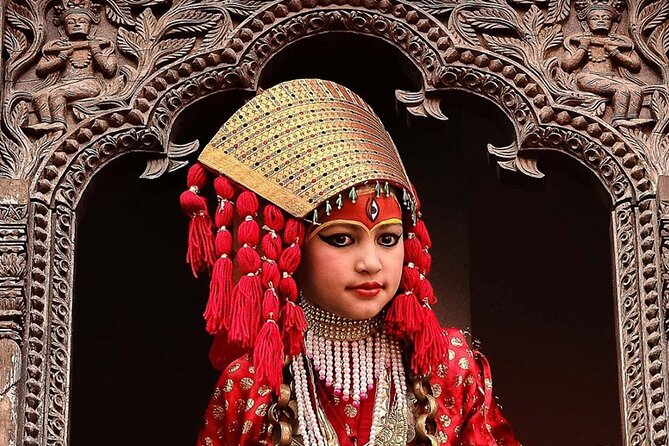
This is a long, full-sightseeing day designed to stack major Kathmandu Valley landmarks without you needing to figure out logistics. The structure matters. With hotel pickup and drop by private vehicle, you spend less time wondering where to go next and more time actually looking at what made Kathmandu a UNESCO hotspot.
The highlights are obvious in the lineup: Swayambhunath (Monkey Temple), Pashupatinath on the Bagmati River, Boudhanath Stupa, then two major historic squares—Patan Durbar Square and Kathmandu Durbar Square. If you want one day that feels like Kathmandu’s “greatest hits,” this does the job.
You can also read our reviews of more historical tours in Kathmandu
A quick sense of time
Expect roughly 10 to 15 hours total. That’s enough time to linger, but not enough time to relax like you might on a slow half-day. If you prefer short outings with lots of breaks, you may feel a bit rushed. If you like structure and momentum, you’ll probably enjoy it.
Price and logistics: what the $50 base covers
The listed price is $50.00 per person, and that’s for the core guiding and transport package. In the included section, you get:
- An experienced government licensed tour guide
- Sightseeing around World Heritage sites
- Pickup and drop from your hotel by private vehicle
- Private transportation in an air-conditioned vehicle
- Bottled water
- All taxes
Then there are costs you should budget separately:
- Monuments fees: NRP 3600 (approx. $28) per person
- Lunch and dinner
- Soft and hard drinks
- Gratuities for guide and driver
- Entry/admission fees for all sites (not included)
Here’s how I’d think about value. If you’re the type who ends up paying for separate drivers, buying multiple tickets, and losing time to navigation, the package can still work out well—even with the added monument and entry fees. But if you’re a solo traveler on a tight budget, you’ll need to treat it as a “full-day sightseeing cost” rather than just a $50 outing.
Also: you’ll want cash or payment options ready for site fees. The tour includes a mobile ticket, which helps with ease, but it doesn’t replace entrance or monument payments that are listed as not included.
Your private driver and licensed guide: why it matters here
In Kathmandu, the day can go sideways for small reasons: traffic, parking, finding the correct entrance, or understanding what you’re actually looking at once you’re there. This tour is built to reduce those friction points.
You’ll be with an experienced, government licensed guide and a driver in a private AC vehicle. That pairing is a big deal for a checklist day like this. Your guide can explain what you’re seeing—why a temple is important, how the stupa functions in practice, and what to notice in the palace-square architecture—while the vehicle time gets handled smoothly between stops.
The operator behind the experience is also known for being organized and responsive in Kathmandu. In the overall feedback, the standout pattern is punctual service and clear communication, including help with travel needs beyond just the sights. That matters if your trip includes other planning or if you want to ask practical questions on the spot.
Swayambhunath Monkey Temple: hilltop views and temple etiquette
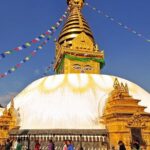
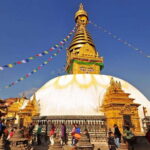
Swayambhunath is one of those places where the setting does half the job. You’re up on a hill overlooking Kathmandu, and that height gives you a built-in pause to reorient your brain after time in the city. The tour schedules this stop for about 3 hours, which is ideal. You don’t just arrive, take photos, and leave. You have time to walk the temple areas and take in the city view.
A few practical things to know:
- It’s a working sacred space, so dress and behavior matter. Keep things respectful, especially around entrances and prayer areas.
- Expect a lot of movement at this kind of landmark—people ascending, people sitting, people lingering—so go slow and let the flow guide you.
- You’ll likely see monkeys around the complex. Keep your belongings secure and avoid sudden movements near them.
Big benefit: the view. Even if you’re not chasing photos, the hilltop vantage helps you understand how Kathmandu Valley is shaped—where major neighborhoods sit and how close the heritage sites feel to each other.
Possible drawback: Swayambhunath involves walking and stairs. If your legs get tired easily, plan for slower movement and keep water handy. (Bottled water is included, which helps.)

Pashupatinath on the Bagmati River: Shiva’s major Hindu shrine
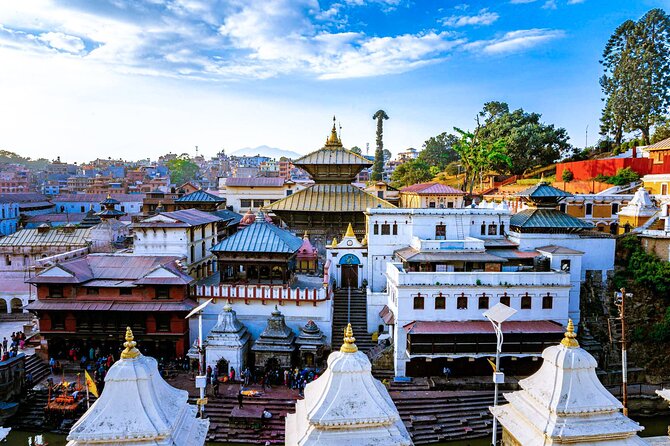
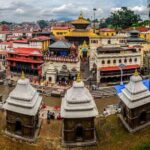
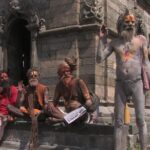
Pashupatinath Temple is one of the most sacred Hindu temples in the world, dedicated to Lord Shiva, and it sits along the Bagmati River. The tour gives you about 2 hours, which is enough to see the key areas and understand the religious rhythm without rushing.
Why this stop hits hard:
- It’s not just a monument. It’s a living spiritual center.
- The river setting adds a unique atmosphere. The Bagmati isn’t just scenery here—it’s part of the temple’s context and daily life.
What to do (and what to avoid):
- Watch where people focus their attention. In sacred spaces, the best guide can be the crowd itself—who gathers where, how they move, and what areas are for prayer.
- Dress conservatively and be mindful around any ritual activity you encounter.
Possible consideration: because it’s a major religious site, you may deal with crowd energy. That can be intense at peak times. A private tour helps—you’re not stuck joining a chaotic bus group—but you still share the space.
Boudhanath Stupa: the big Buddhist center in Kathmandu
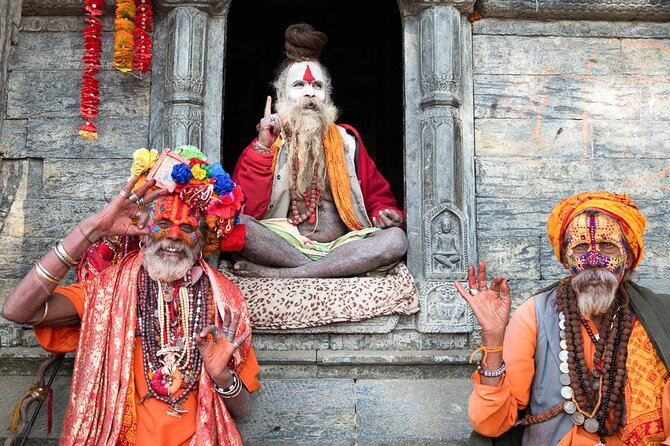
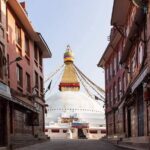
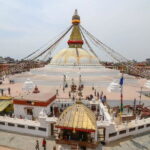
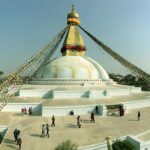
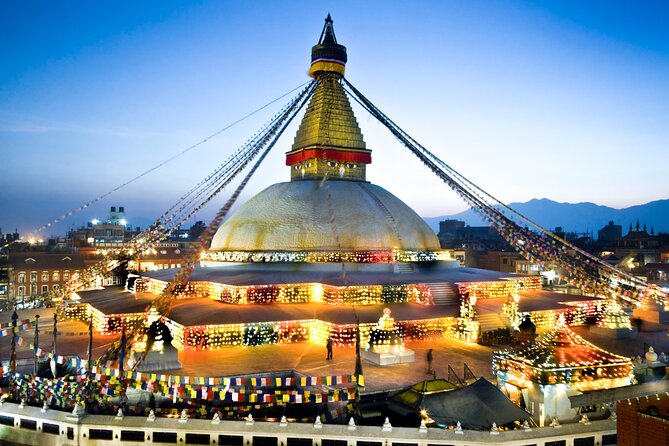
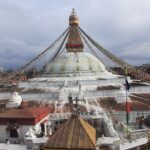
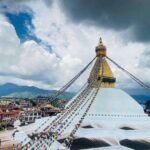
Boudhanath Stupa is described as one of the largest and most sacred stupas in the world, located in central Kathmandu. The tour allocates about 2 hours, which works well here because you can slow down: look at the stupa’s scale, observe how people move, and take in the feeling of the square around it.
This is a stop where the details matter:
- Stupas are built for spiritual practice, not just sightseeing.
- You’ll likely notice people behaving with intention—prayer, movement patterns, and focus on the sacred center.
Even if you don’t know Buddhist ritual vocabulary, the architecture communicates the story. The stupa’s size and design make it a focal point in the city, and the experience can feel calmer than other busy areas simply because everyone’s attention is pulled toward the same spiritual center.
Possible drawback: you might find it less “photo-friendly” than palace squares if you don’t want to photograph in sacred areas. That doesn’t mean it’s less impressive—it just means plan for observation over picture-taking.
Patan Durbar Square: artisan city energy and palace courtyards
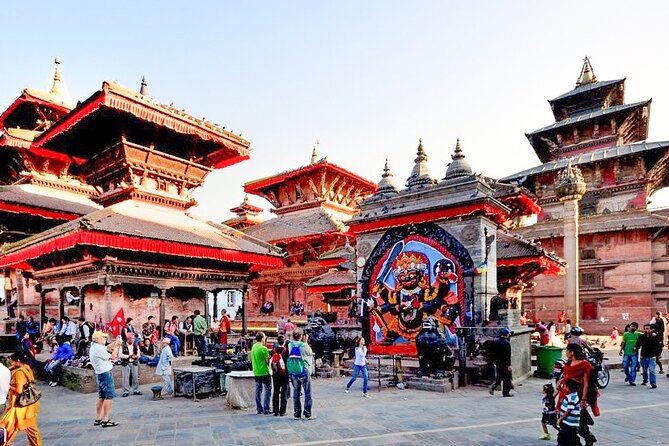
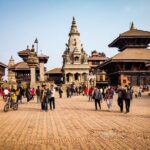
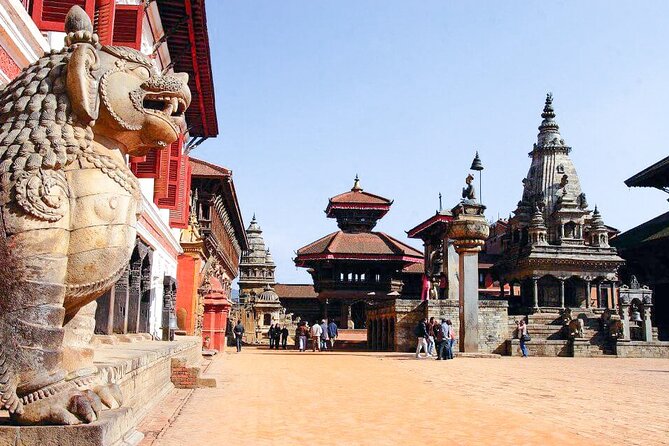
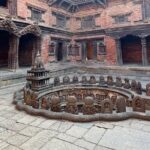
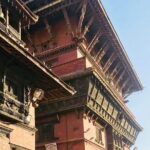
Moving to Patan Durbar Square shifts the mood. Patan is known as the city of artisans, and that shows up in the architecture and ornamentation around the square. This stop is scheduled for about 3 hours, which is great because palace squares tend to reward slow walking.
What makes Patan Durbar Square special is the mix of historic temples, palaces, and courtyards grouped in one place. Compared with the main Kathmandu square, it can feel like you get more room to wander while still staying within the heritage district.
Practical approach:
- Give yourself time to pick a direction and follow courtyards and temple sightlines rather than trying to cover every corner at high speed.
- Use your guide. These squares can look similar from a distance until you understand what you’re seeing—function, period, and symbolism.
Possible drawback: if you’re temple’d-out after Swayambhunath and Pashupatinath, Durbar Squares can still feel tiring. That’s where having 3 hours helps: you can take small breaks, step back when it gets crowded, and refocus.
Kathmandu Durbar Square: the palace square that anchors the city
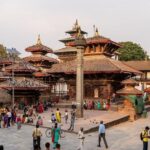
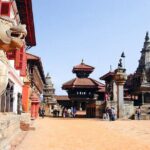
Kathmandu Durbar Square is another UNESCO World Heritage site in the heart of Kathmandu, built around historic temples, palaces, and courtyards. The tour gives you about 2 hours here, which is a reasonable amount if you’ve already done Patan and you’re looking for comparisons as well as similarities.
Think of Durbar Square as the city’s stage of power and devotion. Even if you’re not chasing every architectural term, you’ll feel the concentration of stonework and the way courtyards organize movement.
What you’ll want to do during your time:
- Pick a couple of key viewpoints and let yourself circle back.
- Pay attention to how entrances and courtyards pull you deeper into the complex. It’s not just a single plaza—it’s layered space.
Possible consideration: you may run into crowds and vendors around popular entrances. A private guide helps you find the best paths without losing time.
Bottled water, pacing, and planning your day like a local
The tour includes bottled water, which is a small detail that matters more than it sounds on a 10–15 hour day. Bring sunscreen and comfortable shoes anyway. You’ll be walking between sites and spending time standing and climbing depending on the stop.
Also plan your meals. Lunch and dinner are not included, and you’ll likely want a break somewhere during the day rather than trying to skip food entirely. If you start early, you can get a good chunk of sightseeing done before you feel too hungry.
A smart strategy:
- Eat before you’re tired. Kathmandu days can move quickly once you’re in the flow.
- Carry a little cash for small purchases and in case any site fee payments need it.
Who this tour is best for
This package fits best if you:
- Want five UNESCO World Heritage sites in one day
- Have limited time in Kathmandu Valley and don’t want to research transport between locations
- Like structured sightseeing with a government licensed guide
- Prefer private, AC transport over shared vehicles
It’s also a good choice for couples, friends, and families who can coordinate one schedule. The tour is described as private (your group only), and it offers group discounts, so traveling with companions can help stretch value.
If you have mobility needs, the tour notes that most travelers can participate and says you should ask about accessibility questions on the contact number in your booking info. In Kathmandu, being honest early about your needs saves time and stress later.
Should you book the Kathmandu World Heritage Tour?
Book it if you want an efficient, high-impact day where the logistics are handled and you get to focus on seeing Kathmandu Valley’s big spiritual and historic anchors. I especially like that the day is organized around UNESCO sites, not scattered stops, and that you get private hotel pickup plus AC transport.
Don’t book it if:
- You’re on a tight budget where extra monument and entry fees will feel painful
- You hate long days or don’t want to do stairs and walking, especially at hilltop Swayambhunath
- You expect lunch and dinner to be included
One last practical point: this experience requires good weather. If weather is bad, you may be offered a different date or a full refund, so keep your schedule flexible if you can.
FAQ
How long is the Kathmandu World Heritage Tour?
It runs about 10 to 15 hours.
Is pickup from my hotel included?
Yes. The tour includes pickup and drop from your hotel by private vehicle.
What’s included in the tour price?
You get a government licensed tour guide, sightseeing around World Heritage sites, private AC transportation, bottled water, and taxes.
Are monuments fees or entry tickets included?
No. You should budget for monuments fees (NRP 3600 approx. $28 per person) and entry/admission fees for all sites.
What places are included in the itinerary?
The day covers Swayambhunath, Pashupatinath, Boudhanath Stupa, Patan Durbar Square, and Kathmandu Durbar Square.
Where does the tour start and end?
It starts and ends at The Great Adventure Treks & Expedition Pvt. Ltd, Chhusya Galli, Kathmandu 44600, Nepal.
Do I need to book far ahead?
You can book whenever available, but this tour is commonly booked about 53 days in advance.