REVIEW · PALMETTO
Palmetto: Ghost & History Tour by Silent Slayer Ghost Tours
Book on GetYourGuide →Operated by Silent Slayer Ghost Tours · Bookable on GetYourGuide
Ghosts in Palmetto feel personal. This 1.5-hour Palmetto Ghost & History Tour turns historic downtown streets into a hands-on mystery led by Ginger Mason.
What I love first is the way the tour mixes real places with the paranormal angle, so it’s not just chills-on-demand. The second thing I like is that you actually use gear, not just listen to stories.
One drawback to plan for: it’s not suitable for people with mobility impairments, and you also can’t record with video or audio.
In This Review
- Key things to know before you go
- Entering downtown Palmetto with a ghost-hunter mindset
- Carnegie Library meeting point and a 90-minute walking pace
- The ghost-hunting kit: EMF detectors and spirit boxes
- Palmetto Historical Park and the Civil War layer
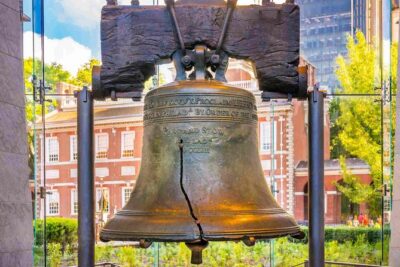
- Great Chime Bell: sound, symbolism, and old-town eeriness
- Old Armory: where history gets heavier
- Yellow fever cemetery stop: a somber moment in the route
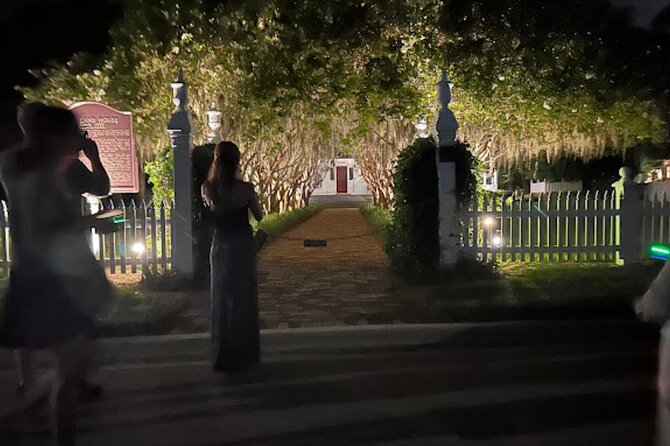
- J.A. Lamb House: pioneer secrets and classic house-spot energy
- Riverside Bed & Breakfast: legends in a lived-in space
- Pistol Pete and the art of playful skepticism
- Price at $40 for 1.5 hours: what you’re really paying for
- What to bring (and what will make the tour easier)
- Who this Palmetto Ghost & Haunted History Tour fits best
- Should you book Silent Slayer’s Palmetto Ghost & History Tour?
- FAQ
- Where is the meeting point for the Palmetto Ghost & History Tour?
- How long is the tour?
- How much does the tour cost?
- What ghost-hunting equipment do you use on the tour?
- Is video or audio recording allowed?
- What happens if the weather is bad?
Key things to know before you go
- Meet at the Carnegie Library steps for a clear start point in downtown Palmetto
- Ginger Mason leads the tour, with a background in the paranormal and a fun, grounded style
- Hands-on EMF detectors and spirit boxes are part of the experience, not a gimmick
- You’ll hit major haunted stops tied to Civil War spirits, the Old Armory, and local legends
- You’ll get practical tips on how to watch for signs of paranormal activity
- Expect a rain-or-shine walking tour, with potential cancellation if conditions are unsafe
Entering downtown Palmetto with a ghost-hunter mindset

Downtown Palmetto has that small-town feel where you can still see the past in the sidewalks, storefronts, and older buildings. On this tour, you’re not rushing through a checklist of spooky spots. You’re walking with a guide who ties what you’re seeing to what people believe happened there.
The best part is that the tour doesn’t treat history like wallpaper. It connects legends to specific landmarks you’ll stand in front of, then pairs those stops with hands-on paranormal tools. That gives you something to do besides wonder.
If you’re a history person, you’ll like the Civil War–linked themes and the references to older local events. If you’re a ghost-hunter type, you’ll like that you’re given guidance for using the equipment and reading what it might mean.
You can also read our reviews of more historical tours in Palmetto
Carnegie Library meeting point and a 90-minute walking pace
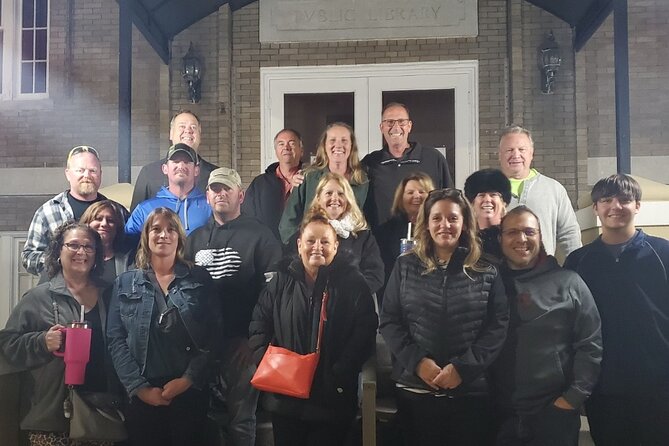
The tour starts on the steps of the Carnegie Library. Your guide will be wearing a black and white logo shirt, so you can spot the group and settle in quickly.
The timing is tight in a good way: you’ve got about 1.5 hours, usually in the evening. That matters because it keeps the pace moving, especially on a walking route with multiple stops. You should come ready to walk comfortably and pay attention as you go.
You won’t have to hunt for the route on your own, but you do want to arrive with your shoes already sorted. The tour leans on walking between sites in historic downtown Palmetto, so proper footwear is not optional.
The ghost-hunting kit: EMF detectors and spirit boxes
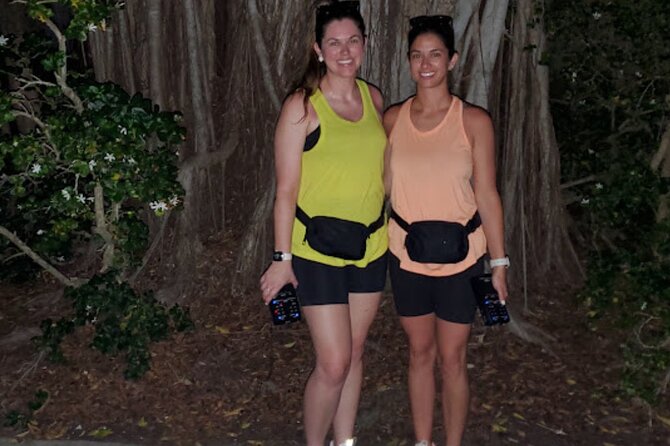
This is one of the biggest reasons people come back to Silent Slayer Ghost Tours. You get hands-on use of real ghost-hunting equipment, including EMF detectors and spirit boxes. That means you’re not just listening while someone else does the work.
Your guide also gives tips on how to detect paranormal activity. The practical value here is that you’ll learn how to hold the device, what to pay attention to, and how to avoid getting lost in noise or nerves. Even if you’re skeptical, having a method makes the experience feel more grounded.
One thing I’d suggest: don’t treat the equipment as a magic truth machine. Treat it like a conversation starter between you, the moment, and the stories you’ve been given. That mindset helps keep the tour fun instead of frustrating.
Some people have even reported hearing voices during the walk, which shows the tour’s approach is meant to get you engaged, not just entertained from the sidewalk.
Palmetto Historical Park and the Civil War layer

One of the first areas you’ll explore is Palmetto Historical Park. This stop sets the tone by grounding the evening in local history before the supernatural gets more intense.
Civil War spirits are part of the tour’s focus, so you’ll likely hear stories that connect the area’s past to the kind of haunting people associate with conflict-era places. Even if you don’t buy every claim, these stories help you look at the physical surroundings differently.
This is also where the tour’s structure starts to click. The guide points you toward a spot, shares the legend tied to it, and then brings in the equipment component. It feels like a repeatable pattern you can follow: place, story, then tools.
Drawback to consider here: since it’s a walking tour with multiple stops, you’ll want to stay mentally present. If you drift, you’ll miss the thread that connects each site to the overall haunted-history theme.
Great Chime Bell: sound, symbolism, and old-town eeriness
Next up is the Great Chime Bell, another landmark that earns its place on a ghost tour list. Bells have a built-in drama factor even without ghost stories, and on this route they become a prompt for attention.
Sound can be tricky on tours like this. You might hear the bell itself, you might hear other ambient noises from town, and the guide is helping you sort out what matters. That’s part of the value of using the equipment with coaching: you’re learning how to separate your own expectations from what the devices might be picking up.
The key here is symbolism. The tour uses the bell as a cue for local legends and eerie pioneer secrets, so it’s not only about the sound. It’s about the feeling the place carries and why people attach supernatural meanings to it.
Old Armory: where history gets heavier
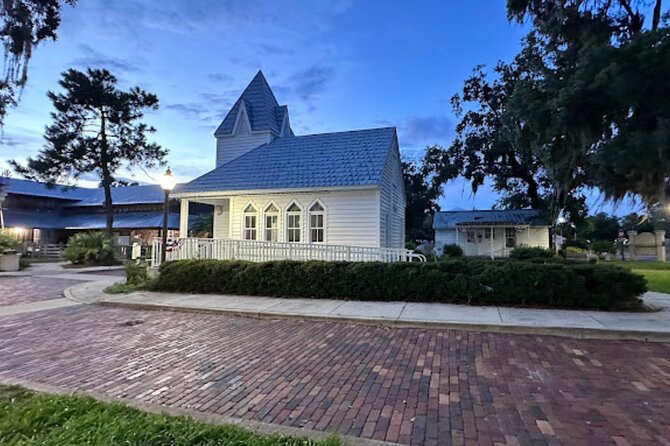
The Old Armory is a natural fit for a haunted-history tour. Armories suggest training, conflict, and tense human moments. That’s why stories connected to Civil War spirits can feel especially believable in your body standing near a building tied to that era.
On this stop, the tour tends to shift from “here’s the legend” into “here’s why people link this place to haunting.” The guide’s background in the paranormal matters because it shows in how the stories are framed: you get both the narrative and the attention cues for the equipment.
If you like when a tour stays organized, this is where that structure shows. You’re not just walking from one story to another. You’re learning how each location supports the theme of Palmetto’s haunted past.
Yellow fever cemetery stop: a somber moment in the route
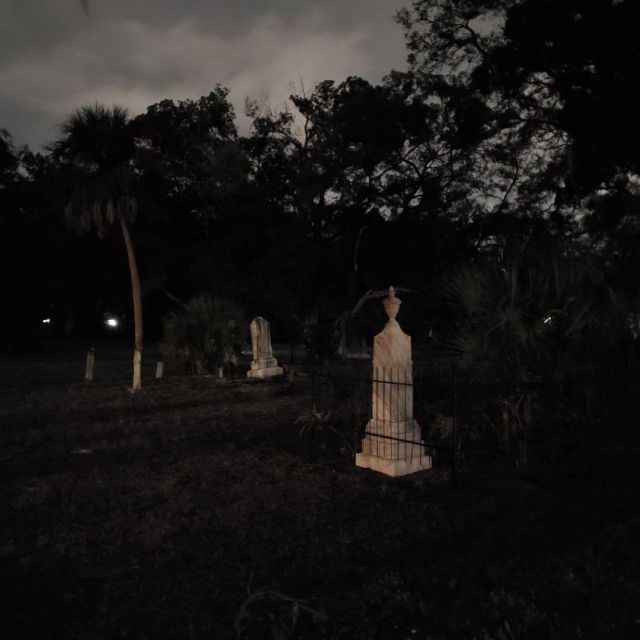
The tour includes a yellow fever cemetery stop, and this is the kind of location where the vibe shifts from spooky to respectful. Yellow fever is a grim part of history, and the tour treats it like that, not like a camp prop.
Even if you’re there for ghost hunting, this stop is worth your full attention. It changes how the legends land. The idea isn’t just that ghosts exist; it’s that communities carry trauma and memory, and people interpret that memory through haunting stories.
It’s also one of the places where the equipment use can feel more serious. Standing near a cemetery with a device in your hands doesn’t erase the reality of what happened there. Instead, it adds one more layer to your awareness.
If you’re sensitive to darker historical topics, this is your heads-up. It’s still a fun tour overall, but this stop is emotionally heavier than the downtown landmarks.
J.A. Lamb House: pioneer secrets and classic house-spot energy
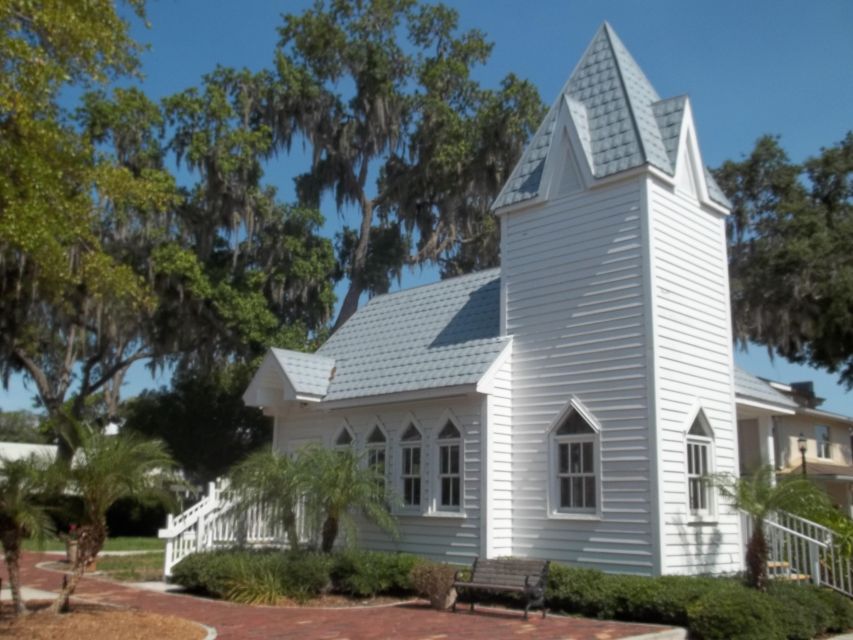
The J.A. Lamb House is the kind of site ghost tours are built around for a reason: older homes tend to hold stories. On this walk, you’ll hear about pioneer secrets and local legends that people attach to these structures.
The good part about a stop like this is how it changes your listening. Houses are where footsteps, drafts, and creaks can all be interpreted two ways. The tour’s equipment and guidance help you create a structured way to observe the moment instead of reacting purely on instinct.
And because it’s a guided experience, you get context. You’re not left staring at a building and inventing your own story. The guide offers the legend first, then gives you a chance to respond with the tools and your senses.
Riverside Bed & Breakfast: legends in a lived-in space
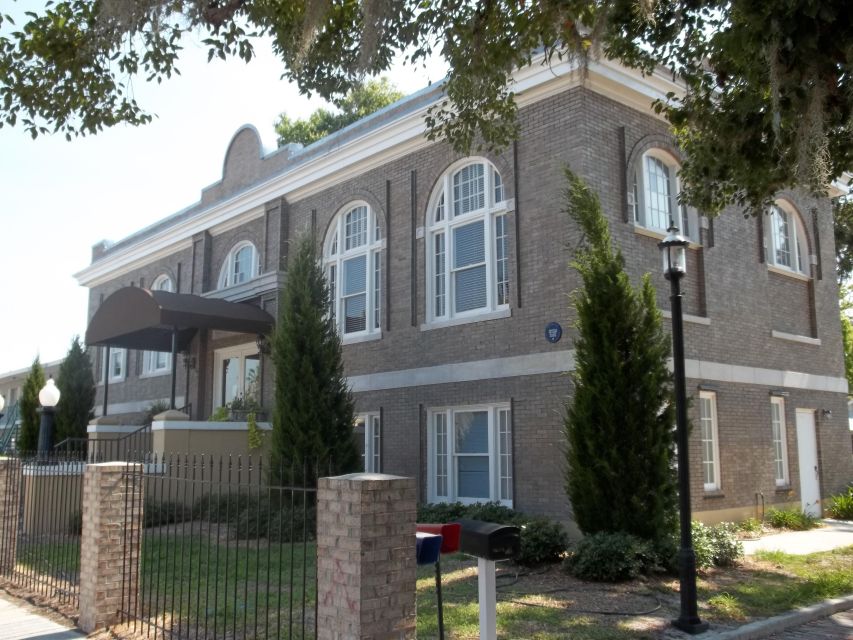
You’ll also visit the Riverside Bed & Breakfast, which adds an interesting twist. This isn’t an empty ruin where you can pretend the past is dead and gone. It’s a place tied to hospitality, daily life, and the sense that history is still present in the town’s routines.
That’s a different flavor of haunted. It’s not only about old walls. It’s about the idea that history can hover behind everyday experiences. In a setting like this, the paranormal stories can feel more eerie because they aren’t purely museum-quiet.
Again, the guide ties it together: location, legend, then equipment and tips. The tour’s value here is that you get to experience that pattern without needing to be an expert.
Pistol Pete and the art of playful skepticism
The tour includes references to the infamous spirit of Pistol Pete. Even if you approach everything skeptically, names like that make it easier to follow the legend thread. They’re also a reminder that ghost stories are part history, part local storytelling culture.
This is one of the tour’s underrated strengths: it welcomes different belief styles. It doesn’t force you to pick a camp. Instead, it gives you a way to participate: use the equipment, follow the instructions, and compare what you think you’re hearing with what the tools might show.
The practical move for you is to keep expectations flexible. If you go in expecting a guaranteed dramatic EVP, you’re setting yourself up for disappointment. If you go in curious, you’ll have more fun and you’ll notice more.
And if you’re the type who loves a good story, Pistol Pete gives you a character to track through the evening’s haunted-history themes.
Price at $40 for 1.5 hours: what you’re really paying for
At $40 per person, this tour isn’t the cheapest ghost experience you can find, but it does offer clear value. You’re paying for three main things: a guided walking route through specific historic sites, hands-on use of ghost-hunting tools, and coaching on how to look for signs of paranormal activity.
Most ghost tours stop at storytelling. This one adds participation. EMF detectors and spirit boxes are part of the experience, and that turns your ticket into a more active event.
You also get a guide, Ginger Mason, who brings both the history connections and the paranormal framing. The reviews’ overall vibe around her is that she’s energetic, genuine, and good at keeping people engaged while still giving context. That matters because a tour can have great locations and still feel flat without a strong guide.
One small cost you should plan around: bottled water is not included. You’ll want to bring water, and it’s worth doing before you head out so you’re not distracted mid-walk.
What to bring (and what will make the tour easier)
Keep your packing simple. The tour asks for comfortable shoes and weather-appropriate clothing, plus water. Bring an umbrella if rain is in the forecast, since the tour runs rain or shine and you’ll be walking outdoors.
Also, remember the rules: video recording and audio recording are not allowed. That’s a real consideration for some people. If you want to capture proof, this tour isn’t built for that. Instead, focus on being present and using the equipment in the approved way.
If you want to get the most out of it, give your eyes and ears time to adjust. City sounds, road noise, and natural ambient noise can all mix in. The guide’s tips help you make sense of it.
Who this Palmetto Ghost & Haunted History Tour fits best
This tour is a strong match for:
- History buffs who like old places and local stories, especially Civil War–era connections and older Palmetto landmarks
- Curious skeptics who want a method-based way to experience a paranormal theme
- People who want hands-on participation, not just passive sightseeing
It may not be the best fit if:
- You need a mobility-friendly experience. It’s not suitable for people with mobility impairments.
- You require recording for personal documentation. Video and audio are not allowed.
- You want a long, slow, sit-down museum-style pace. This one is built around walking and momentum.
If you’re traveling with someone who likes thrill and someone who likes facts, this format is often a good bridge. The history keeps one foot on solid ground while the equipment gives the other foot something to do.
Should you book Silent Slayer’s Palmetto Ghost & History Tour?
I’d book this tour if you want a 90-minute haunted walking experience that mixes specific historic stops with hands-on tools and a guide who knows how to run the night without turning it into chaos.
It’s also a good choice if you enjoy interactive experiences. Using an EMF detector and a spirit box with coaching changes the vibe from spooky background noise to something you actively participate in.
If mobility access is a factor for your group or you strongly prefer recording with your phone, you should consider alternatives. But for most people, the combination of downtown Palmetto locations, the paranormal equipment component, and the guided storytelling style makes it a solid value at $40.
FAQ
Where is the meeting point for the Palmetto Ghost & History Tour?
Your guide will meet you on the steps of the Carnegie Library. The guide will be wearing a black and white logo shirt.
How long is the tour?
The tour lasts about 1.5 hours, and it’s usually available in the evening.
How much does the tour cost?
It costs $40 per person.
What ghost-hunting equipment do you use on the tour?
You’ll use real ghost-hunting equipment, including EMF detectors and spirit boxes.
Is video or audio recording allowed?
No. Video recording and audio recording are not allowed.
What happens if the weather is bad?
The tour runs rain or shine, but if conditions escalate beyond light rain or create a safety concern, the tour may be canceled. If that happens, you can reschedule, receive a gift card for a future tour, or request a full refund. You can cancel up to 24 hours in advance for a full refund.