REVIEW · AGRA
From Agra: Agra Heritage Walking Tour
Book on GetYourGuide →Operated by Super India Tour · Bookable on GetYourGuide
Agra feels most real when you walk street-first. This Agra Heritage Walking Tour uses an easy auto-rickshaw pickup, then has you moving on foot through everyday neighborhoods and markets, with standout stops like Jama Masjid and the Mankameshwar Temple. I like how it mixes architecture with street life, and I also like the built-in food and sweets time. One thing to consider: you’re mostly walking for a short 2 hours, and monument entry isn’t included.
You’ll meet your guide, get hop-on-here-to-get-here help with a tuk-tuk for pickup and drop-off, and cover the highlights at a pace that’s meant for close-up viewing. The tour also notes a skip-the-line benefit using a separate entrance, though the monument entrance itself is still listed as not included. If you’re short on time in Agra, this is a solid way to get oriented fast.
In This Review
- Key things I’d pay attention to
- Why this 2-hour heritage walk works in Agra
- Getting there by tuk-tuk: pickup, timing, and how the walking feels
- Stop 1: Shri Mankameshwar Mandir and the rhythm of a temple visit
- Kinari Bazar and Rawat Para: where shopping becomes local knowledge
- Seth Gali sweets street: tasting without turning it into a gamble
- Jama Masjid: architecture you can actually see from street level
- Guide quality: the difference between seeing places and understanding them
- Price and value: what’s included, what’s not, and why it still makes sense
- Who this tour is best for (and who should think twice)
- Should you book the Agra Heritage Walking Tour?
- FAQ
- How long is the Agra Heritage Walking Tour?
- Where are the pickup locations?
- How do you travel during the tour?
- Which main places are included on the route?
- Are monument entrance fees included?
- Does the tour include help with waiting at sites?
- What language is the live guide available in?
- What should I bring for the tour?
Key things I’d pay attention to
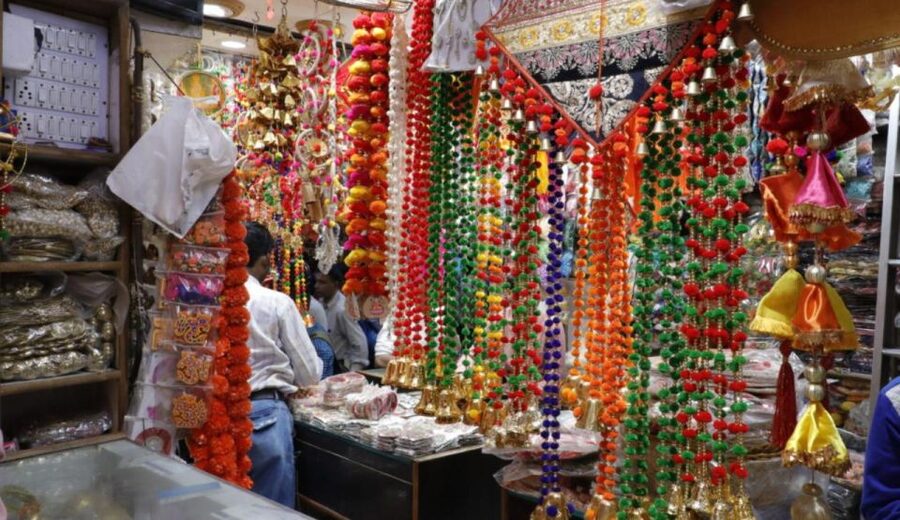
- Tuk-tuk pickup and drop-off keeps the start and finish simple, even if you’re arriving by train
- Two major anchors in the walking route: Mankameshwar Mandir and Jama Masjid
- Kinari Bazar plus Rawat Para for market energy and local street layout
- Seth Gali sweets focus so you’re not just looking, you’re tasting
- Private guide in English or Spanish who helps you make sense of what you’re seeing
- Skip-the-line via separate entrance, but remember entrance fees aren’t listed as included
Why this 2-hour heritage walk works in Agra
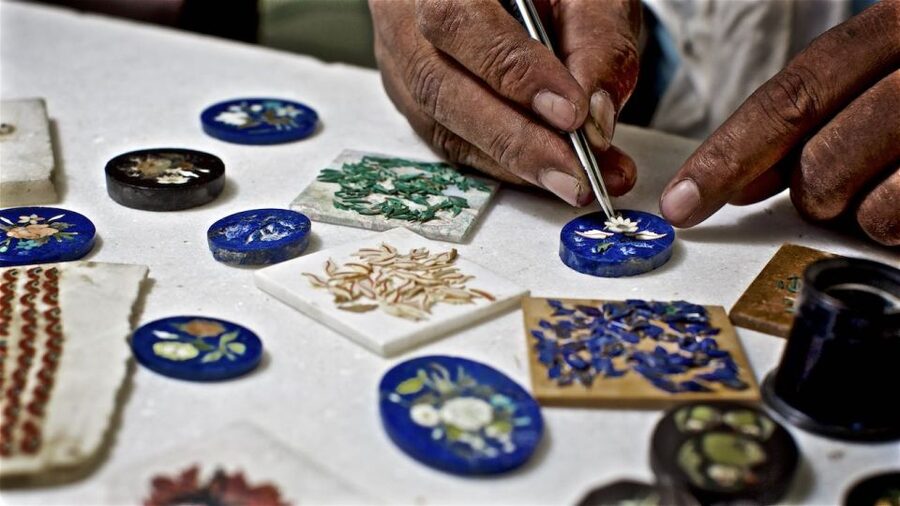
This tour is short on purpose. At around 2 hours, it’s designed for people who want a concentrated taste of Agra without spending half a day bouncing between sites. You’ll see the big visual moments, yes, but the real payoff is how the route pushes you into market streets and local lanes where people actually shop and snack.
I like that it doesn’t try to be a checklist march. Instead, it strings together places that naturally connect: a temple stop first, then markets and sweet streets, then a mosque that gives you a strong architectural finish. It’s the kind of route that helps you understand why Agra’s religious landmarks and commerce streets sit close together.
Also, the price makes sense for what’s bundled. For $20 per person, you’re getting pickup and drop-off, a private guide, snacks, and bottled water, plus travel expenses and taxes. You’re not paying extra just to get moved around and oriented.
You can also read our reviews of more walking tours in Agra

Getting there by tuk-tuk: pickup, timing, and how the walking feels
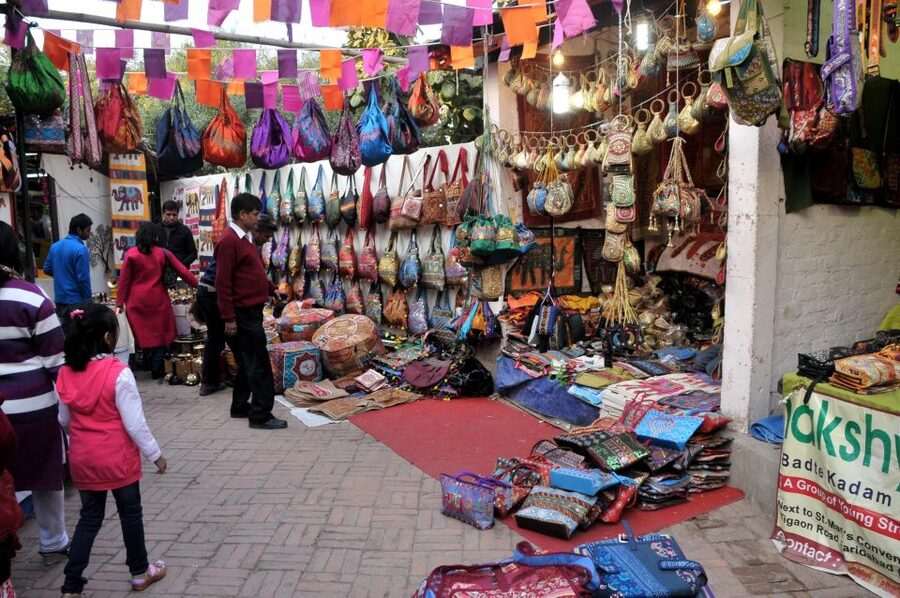
Your day starts with pickup from one of two options: Agra or Agra Cantt. From there, your guide meets you at a meeting point and you head into the city by auto-rickshaw for the transfer. After that, the tour is mainly on foot, which is exactly what makes it work for a place like Agra.
The streets around Kinari Bazar and the older lanes can be tight. That’s why having a guide who knows where to go matters. In the feedback I saw, guides like Farman and Imran Ali Khan were praised for making people feel safe while navigating narrow sections and helping with comfort in crowded areas. If you’re the kind of traveler who doesn’t want to figure everything out alone, this structure helps.
Comfort-wise, pack the basics: wear comfortable shoes and be ready for some street walking in an active market zone. The good news is the time is limited, so you’re not committing to a long trek.
Stop 1: Shri Mankameshwar Mandir and the rhythm of a temple visit
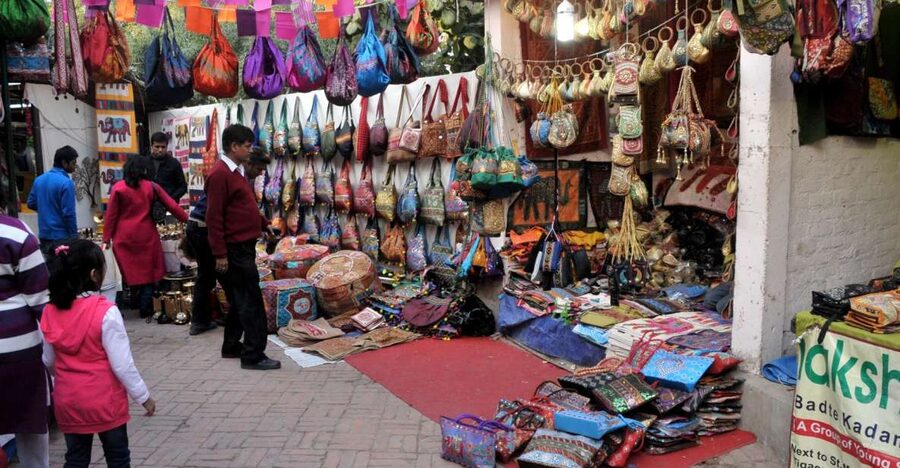
The tour begins at Shri Mankameshwar Mandir. This is a smart first stop because it sets the tone right away. Temples in India aren’t just photo stops. Even when you’re visiting as a foreign guest, you’ll get a feel for the daily rhythm: people entering, moving through the space, and treating the visit as part of everyday life.
What I like about starting here is that it gives you a framework before you head into markets. By the time you reach Kinari Bazar, you’ll notice how the street life feels connected to religious and cultural routines, not separate from them.
A practical note: the tour description includes “visit, guided tour, sightseeing, walk,” but monument entrance is not included. So when you arrive, expect you may need to pay any required temple fees separately if they apply.
Kinari Bazar and Rawat Para: where shopping becomes local knowledge
After Mankameshwar Mandir, you head toward Kinari Bazar via Rawat Para. This is where the tour shifts from religious landmark to everyday Agra. Kinari Bazar is known as a busy commercial area, and on a walking format, you get closer to how people actually move, bargain, and buy.
I enjoy this stop because it’s not just “walk past shops.” With a guide, you’re more likely to understand what you’re seeing: which streets are for certain goods, where stalls cluster, and how shopkeepers explain what they sell. In the feedback, Imran Ali Khan was specifically mentioned for steering people toward great local shops and even advising which places to avoid, which is the kind of guidance that saves time and keeps your shopping experience pleasant.
One possible drawback: if you hate crowds or get overwhelmed in dense market areas, you’ll want to keep your expectations realistic. This part of Agra is active. The good thing is the tour is structured and guided, so you’re not wandering blindly for long.
Seth Gali sweets street: tasting without turning it into a gamble
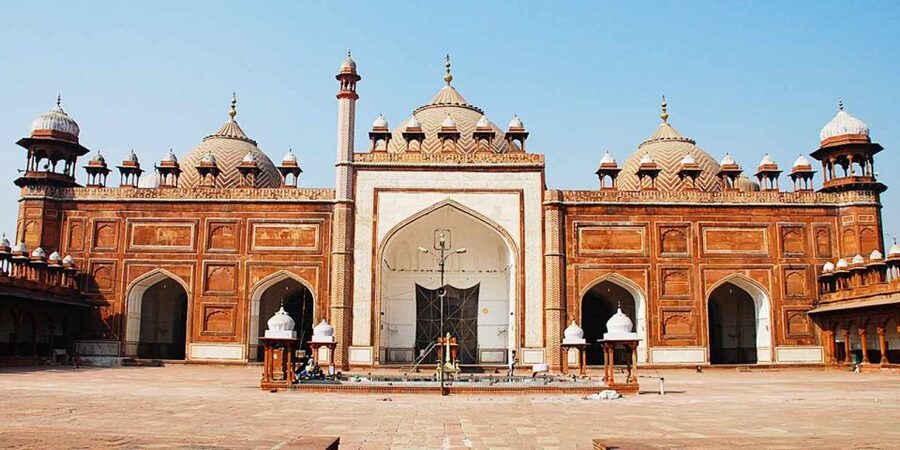
Along the route through Kinari Bazar, you’ll visit a Seth Gali, described as a famous street for sweets. This is a highlight because it turns your walking tour into a food tour in a simple, low-stress way. You’re not asked to hunt for recommendations on your own.
Here’s what makes this section valuable: sweets in India aren’t just dessert. They’re tied to local culture and seasonal rhythms, and the best way to understand that is by tasting what’s popular in the moment and hearing what the stalls offer. The tour includes snacks and packaged mineral water, which helps you settle in while you sample.
Just keep in mind: the exact tasting options aren’t listed in detail. So approach with curiosity, not a strict plan. If you have dietary restrictions, you’ll want to ask before you eat, since street sweets can include ingredients you might not expect.
You can also read our reviews of more historical tours in Agra

Jama Masjid: architecture you can actually see from street level
The final sightseeing stop is Jama Masjid. Ending at a major mosque makes a lot of sense because the architecture has that “scale effect.” From close range, you can notice layout, symmetry, and how the space feels designed for gathering.
I like that this tour doesn’t only market Jama Masjid as a distant landmark. You’re walking through surrounding areas first, then arriving with context. When you finally reach the mosque, it feels less like a stand-alone sight and more like the final piece of the neighborhood story.
There’s also a practical benefit: the tour notes skip-the-line through a separate entrance. That can cut down waiting time, especially in busy periods. But again, monument entrance isn’t included, so you may still be responsible for any required entry fees once you’re at the site.
Guide quality: the difference between seeing places and understanding them
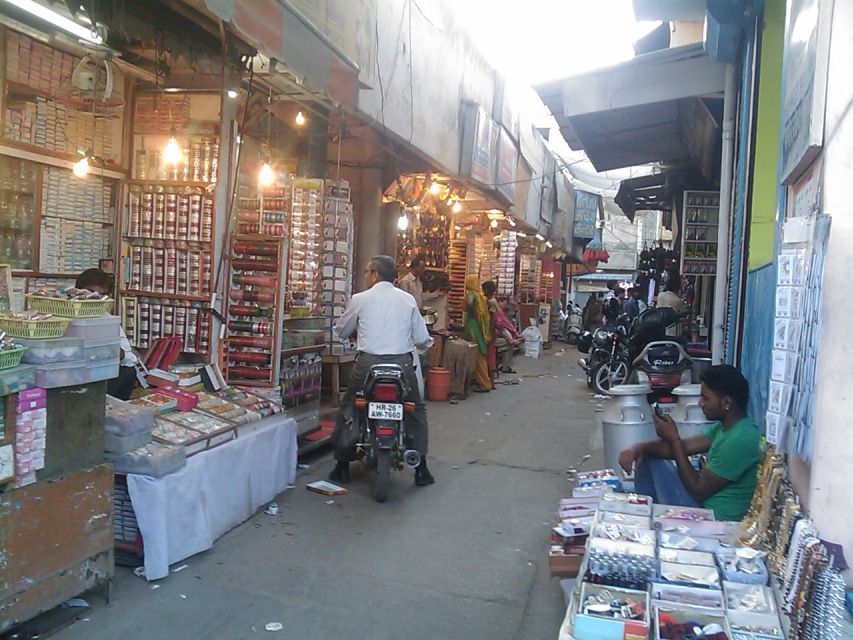
The tour is built around a private tour guide, and the guide is the real multiplier. More than one guide name comes up in the feedback, including Imran, Farwan, Amir, and Farman, and that pattern matters. It suggests consistency in the kind of guiding style you’ll get: explaining history and culture in a way that helps you connect what you’re seeing.
A couple of standout traits show up repeatedly: guides help you feel safe in narrow streets and guide you toward sensible shop choices. One booking even mentions a tuk-tuk sidekick driver named Bunty, which is the kind of extra “team” detail that can make transfers feel smooth and friendly rather than chaotic.
If you’re traveling alone, this also helps with confidence. Market streets can be a lot. A guide gives you a path, a pace, and a quick way to interpret what’s happening around you.
Price and value: what’s included, what’s not, and why it still makes sense
At $20 per person for 2 hours, the price looks reasonable when you break down what’s bundled. Included are:
- Hotel pickup and drop-off by three-wheeled auto-rickshaw/tuk-tuk
- Private tour guide
- Snacks and packaged mineral water
- All vehicle & travel expenses
- All applicable taxes
Not included:
- Monument entrance
- Any personal expenses
That last line matters. If you’re budgeting tightly, plan for entrance fees at the temple/mosque (and any other required paid access). The “skip the line” benefit can reduce waiting time, but it doesn’t replace entrance costs if you’re charged at the site.
The tour’s value comes from combining logistics and orientation. You’re paying for the guide’s time plus the transport coordination on the edges, then using walking time where it counts: inside the city’s living lanes.
Who this tour is best for (and who should think twice)
This works especially well if you want:
- A guided walk through Agra’s markets and cultural landmarks
- A quick, efficient plan that fits a short stay
- Someone to handle navigation through busy areas
- Food time with sweets and local snacks
If you’re traveling with a parent or someone who prefers not to manage every detail alone, the guided approach can be a relief. In one case, a mum and son were happy with how safe and guided the narrow streets felt, and that’s exactly the kind of situation this tour is built for.
Who might think twice? If you want a deep museum-style experience, this is not that. You’re visiting major sites and then moving on. It’s more street-level understanding than slow, study-like exploring.
Should you book the Agra Heritage Walking Tour?
I’d book it if you’re in Agra for a short time and you want more than postcards. The mix of Mankameshwar Mandir, Kinari Bazar / Rawat Para, Seth Gali sweets, and Jama Masjid gives you a rounded picture of the city in a manageable 2-hour loop.
Book it with a realistic mindset: bring comfortable shoes, expect active market streets, and budget separately for monument entrance if required. If you care about local guidance and want to feel confident walking through older lanes, this tour’s format is one of the easiest ways to do it.
If you want, tell me your travel dates and where you’re staying (Agra or Agra Cantt). I can suggest a simple morning or afternoon timing plan around this 2-hour walk.
FAQ
How long is the Agra Heritage Walking Tour?
The tour lasts 2 hours.
Where are the pickup locations?
Pickup is available from Agra and Agra Cantt.
How do you travel during the tour?
Pickup and drop-off are done by three-wheeled auto-rickshaw/tuk-tuk. The main sightseeing is done by walking.
Which main places are included on the route?
You’ll visit Shri Mankameshwar Mandir, Kinari Bazar (including Rawat Para), a Seth Gali street for sweets, and Jama Masjid.
Are monument entrance fees included?
No. Monument entrance is not included.
Does the tour include help with waiting at sites?
The tour states you can skip the line through a separate entrance.
What language is the live guide available in?
The live tour guide is available in English and Spanish.
What should I bring for the tour?
You should bring a passport or ID card.