REVIEW · DATONG
Pingyao Ancient City Scenic Area Pass Ticket Only
Book on GetYourGuide →Operated by China Tour Guide · Bookable on GetYourGuide
Pingyao runs on paper money and stone walls. With a QR skip-the-line entrance pass, you can tour one of China’s best-preserved ancient cities in Shanxi without waiting at ticket counters. I love that the city feels lived-in—traditional homes are still used as shops and small venues—so your visit doesn’t feel like a staged set. You’ll also get entry to a big cluster of major sites, from old banks to temples.
What I like most is the convenience: you show a QR picture at the entrance, and there’s no paper ticket to hunt for. The other big plus is value—your ticket covers entrance to many separate museums and heritage buildings, so you can build your own mini-route. The main drawback is also clear: this is ticket-only. There’s no guided tour, no meals, and no hotel pickup.
In This Review
- Key points you should care about
- Pingyao in Shanxi: a preserved trading-city you can walk through
- Ticket essentials: QR scan, entrance-only access, and what that changes for you
- Your 3-hour self-guided rhythm: how to choose with 20+ entry spots
- Ancient City Wall and Ming-Qing Street: your easiest first win
- Government and learning landmarks: City God Temple and Confucian Temple
- Rishengchang and the draft-bank museums: follow the story of trade
- Bodyguard agency museums and the weapon display: the tougher side of old commerce
- Traditional buildings and former residences: Ma Family Courtyard and Lei Lutai’s home
- More included stops you can slot in: chamber, newspapers, Taoist temples, and more
- What’s not included: Shuanglin Temple and Zhenguo Temple
- Value check: does $36 make sense for an entrance-only pass?
- Who this fits best (and who might want something else)
- Should you book this Pingyao Ancient City Scenic Area Pass?
- FAQ
- What does this ticket include?
- Does this option include a guided tour?
- Is hotel pickup and drop-off included?
- Where and how do I enter with this pass?
- How long is the self-guided visit time?
- Is the ticket valid for only one day?
- Are Shuanglin Temple and Zhenguo Temple included?
- Can I take photos inside?
- Is this pass wheelchair accessible?
Key points you should care about
- QR ticket at the gate: you scan/show the QR picture at the entrance, not a paper ticket
- Entrance-only bundle: lots of separate sights are covered, so plan your own order
- No guided tour: you’re responsible for pacing and deciding what to prioritize
- Skip-line access: the pass is designed to get you through quickly
- 3-day validity: you can use the ticket within the stated validity window
- Not all famous sites are included: Shuanglin Temple and Zhenguo Temple are excluded
Pingyao in Shanxi: a preserved trading-city you can walk through
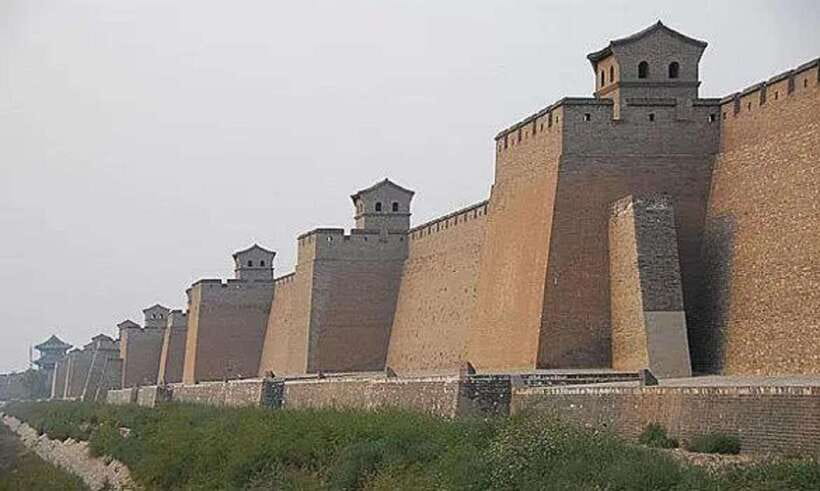
Pingyao (Ping Yao) is in Jinzhong, Shanxi Province, about 600 km from Beijing. It’s famous because it didn’t just survive—it kept operating as a town while heritage preservation protected the look and layout. The city traces its roots back roughly 2700 years, with early establishment tied to the Western Zhou Dynasty. The big growth comes later, when Pingyao became a key city during the Ming and Qing dynasties.
That matters because you’re not just looking at old buildings; you’re walking through an environment shaped by centuries of business and daily life. Traditional residences have been repurposed into places like hotels, restaurants, tea rooms, and wine houses. And some homes associated with historical figures have become museums—so you can jump between everyday streets and heritage rooms without changing cities.
If you like travel where the details are readable at human speed, Pingyao is the kind of place that rewards careful walking: narrow lanes, recognizable heritage compounds, and lots of small museums tied to real roles in old society.
Ticket essentials: QR scan, entrance-only access, and what that changes for you
This pass is clearly “ticket only.” It does not include a guided tour, and it does not include hotel pickup or drop-off. That’s not a problem if you enjoy self-guided travel. It becomes a problem if you’re hoping someone will explain the stories and connect the dots between each stop.
Here’s how the entry works: you send the provider everyone’s passport number and full name. Then they send you a QR picture. When you arrive, you show that QR picture at the entrance. You don’t need to use the paper ticket.
Two practical rules to remember:
- Photography is allowed, but flash photography is not.
- The pass is designed for entrance access only, not for guided interpretation.
There’s also a timing detail worth planning around. The experience is listed as 1 day, with self-guided touring time (about 3 hours). At the same time, the ticket is valid for 3 days. In practice, that usually means you have flexibility to enter within a validity window, while your booking uses available starting times for that day—so check what your confirmation says about the start.
Your 3-hour self-guided rhythm: how to choose with 20+ entry spots
With this pass, you’re not “doing one museum.” You’re choosing among many: city wall, streets, government buildings, multiple temples, several draft-bank museums, bodyguard agency museums, weapons, and more. That’s exciting, but it can also lead to over-ambition—especially if you try to tick every box.
I suggest you think in priorities:
- Pick one major landmark loop (like city wall + main street area).
- Pick one theme (banks and commerce, or bodyguards and weapons, or temples and learning).
- Use the remaining time for one or two “small-but-specific” exhibits (newspaper display, chamber of commerce museum, or a former residence).
Because you don’t have a guide, your best tool is a simple plan before you go in. Decide what you want to feel at the end of your visit. Do you want to understand how Pingyao handled money? Then focus on the draft banks and commerce sites. Do you want the social side? Then lean into temples, city government buildings, and courtyards.
Also, give yourself a breather. Walking between sites inside Pingyao can take time, and museum entrances can be slower than you expect. Going in hungry for information is great; rushing is what kills the experience.
Ancient City Wall and Ming-Qing Street: your easiest first win
If you want a smooth start, begin with the Pingyao Ancient City Wall and nearby streets. The wall is a natural anchor because it helps you orient quickly: once you see the layout, the rest of the city makes more sense. Even if you only spend part of your time here, it’s the kind of sight that makes your photos and memories feel grounded.
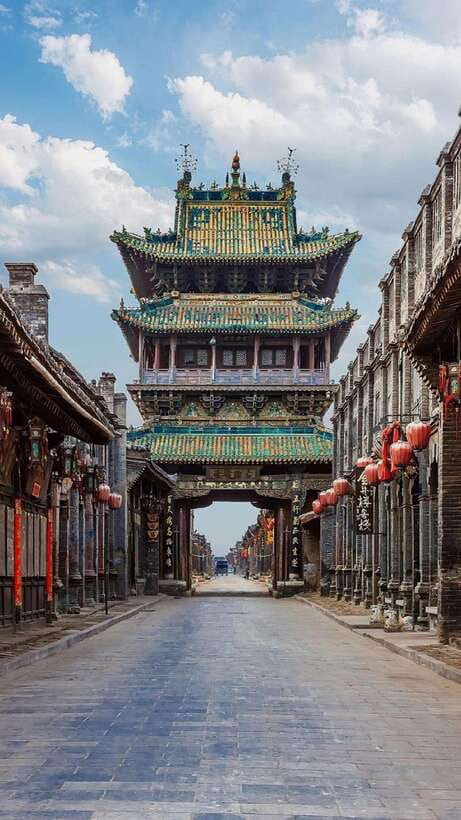
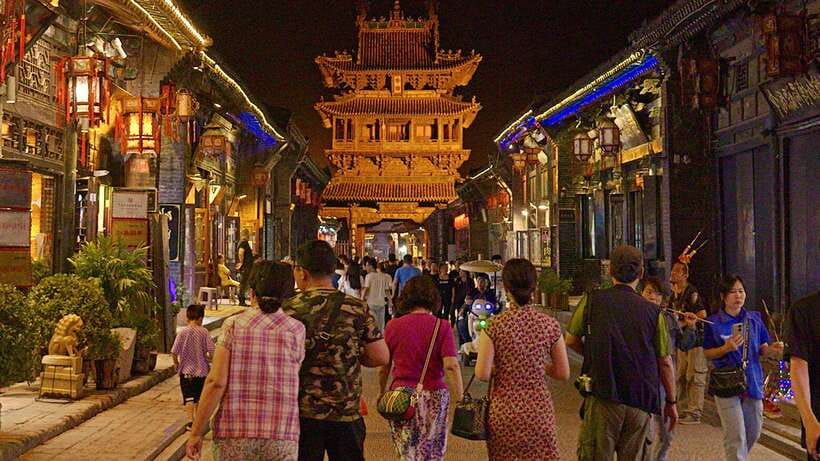
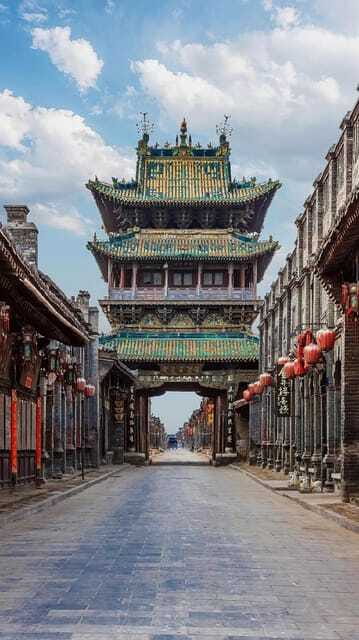
Then move to Ming and Qing Street. This is one of those heritage lanes where the “old city” feeling becomes immediate. With an entrance-only ticket, you’ll be deciding how much time to spend on the street versus stepping into nearby heritage buildings. I like using the street as your connector—your place to pause, snack if you find something open, and keep your bearings.
If you’re traveling with people who have different interests, these two stops also work because they’re broad and flexible. Some folks want views and walls; others want street atmosphere and photo time.
Government and learning landmarks: City God Temple and Confucian Temple

Once you’ve got the feel of the city, it’s smart to shift into the civic and educational side of Pingyao.
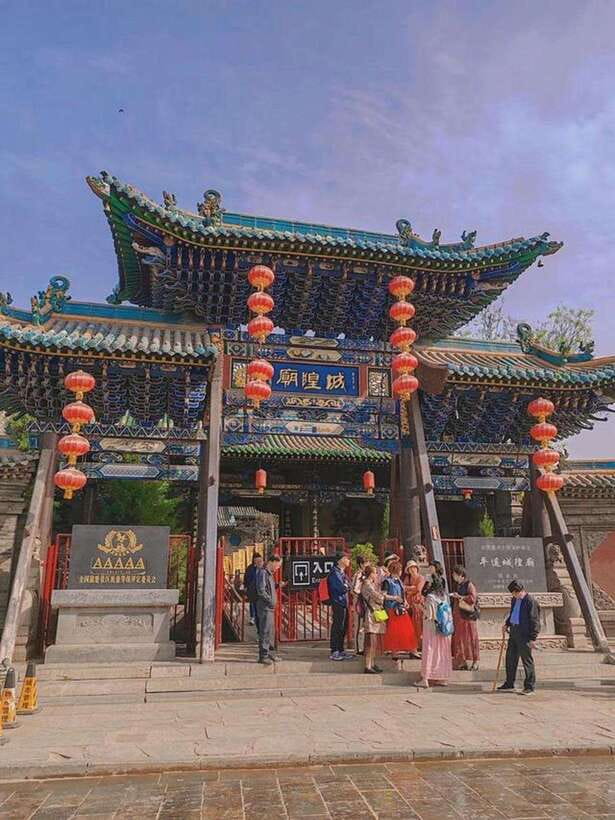
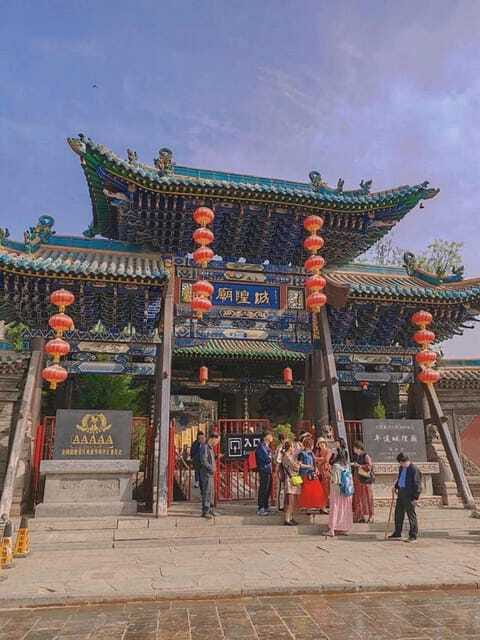
The City God Temple (城隍庙) is the kind of heritage site that’s easy to appreciate through quiet observation. Even without a guide, you can get a sense of how religious and civic beliefs were part of everyday town life. Plan for slower looking time here because temples often reward patience.
Next, go to the Pingyao Confucian Temple (平遥文庙). Confucian institutions can be more readable than you expect if you go in with one question: what did learning mean to the town? Again, there’s no guided tour with this pass, so your enjoyment will depend on how comfortable you are reading exhibits or simply absorbing the atmosphere.
A practical note: temples and learning sites can be conceptually “heavier,” so don’t stack three of them back-to-back. Mix one sacred site with one commerce or museum stop. Your brain will thank you.
Rishengchang and the draft-bank museums: follow the story of trade
This is where Pingyao’s reputation turns into something you can actually visit. Your ticket includes entry to Rishengchang Ancient Draft Bank (日升昌票号) plus multiple other draft-bank sites such as Weitaihou, Weishengchang, Baichuantong, and Xietongqing.
Even if your Chinese reading is limited, you’ll still get value from the idea these places represent: ancient finance and how merchants moved value over distance. The “draft bank” theme is consistent across the sites, so as you hop between them, you start to see patterns rather than collecting random exhibits.
How to pace these bank museums:
- Choose one “main” bank to spend extra time on.
- Use the other draft-bank museums as quicker, comparative stops.
- If one museum runs you out of steam, switch to a different theme rather than forcing through.
This is one of the reasons this ticket is such good value. You’re paying for entrance access across many separate institutions—so you can build your own understanding of commerce instead of buying one attraction and hoping it tells the full story.
Bodyguard agency museums and the weapon display: the tougher side of old commerce
Pingyao isn’t only about trade paperwork. It also has a martial thread that shows up through the included bodyguard and weapons sites.
Your pass covers Huiwuli Bodyguard Agency Museum, Tongxinggong Bodyguard Agency, and the North China First Bodyguard Agency. It also includes the Wentaofang Museum of Ancient Weapons.
If you’re the kind of traveler who likes contrast—soft street life plus the reality of protection—this section can become a highlight. Museums in this theme tend to feel more hands-on visually, which helps if you’re self-guiding. You’ll likely spend more time looking and less time trying to decode unfamiliar context.
A good strategy is to place these stops after the draft banks. Trade creates risk; bodyguards address that risk. You get a more satisfying mental “cause and effect” even without a guide.
Traditional buildings and former residences: Ma Family Courtyard and Lei Lutai’s home
Another major draw is how the city uses old residential spaces for visitors. Your ticket includes Ma Family Courtyard and Mr. Lei Lutai’s former residence (雷履泰故居).
These are the places where the town’s wealth and status show up in daily life. Even if you don’t know the full biographies, you can still appreciate how architecture, space, and household arrangement communicate power and social structure. Since this is ticket-only, your enjoyment will come from how you watch and interpret: where would you walk, how would you host, where does daily life separate from public space?
A practical tip: if you’re feeling museum fatigue, courtyards can reset your energy because you’re moving through spaces rather than only reading displays.
More included stops you can slot in: chamber, newspapers, Taoist temples, and more
Your pass also includes several additional heritage sites that you can use to fine-tune your route:
- Ancient Government Buildings (县衙): a strong choice if you want the civic side beyond the temples.
- Qingxu Taoist Temple (清虚观) and Erlang Taoist Temple (二郎庙): two Taoist stops that add variety to the religious landscape.
- Pingyao Chamber of Commerce Museum (平遥商会博物馆): useful if you want the trade story in a wider social frame, not only through banks.
- China Rare Newspaper Exhibition Hall (中国珍奇报纸陈列馆): a great option if you want a different kind of historical record—printed communication rather than finance.
- Tianjixiang Musuem (天吉祥博物馆): include it if you like smaller, niche collections and don’t mind shorter attention spans between highlights.
Again, because this is self-guided, these stops are best used as “choice fillers.” If you’re spending a long time at one big attraction, you may only be able to sample a couple of these. If you move steadily, you can fit more.
What’s not included: Shuanglin Temple and Zhenguo Temple
Two major names are not part of this pass: Shuanglin Temple and Zhenguo Temple. If those are your must-sees, you’ll need separate tickets or a different add-on.
This matters because many people plan Pingyao as a full region trip. If you’re expecting a one-ticket “all the famous things” day, this won’t match that expectation. It’s excellent for the core Pingyao Ancient City experience, but it’s not trying to cover the surrounding headline attractions.
Value check: does $36 make sense for an entrance-only pass?
At about $36 per person for entrance access, this ticket can be a very good value—mainly because it covers lots of distinct sights. You’re paying once for entry into many different categories: wall viewing, street atmosphere, temples, government buildings, several draft-bank museums, multiple bodyguard agency sites, and extra exhibits like newspapers and ancient weapons.
The value drops only if you do what self-guided travelers sometimes do: waste time hopping, or decide halfway through that you’d rather have a guide explain everything. Without interpretation, you’ll get more out of the pass if you enjoy planning your own order and reading whatever you can on-site.
The best “deal mindset” here is: choose a theme, then use the ticket to see several places within that theme. That way, you’re not just collecting admissions—you’re building a coherent picture of Pingyao.
Who this fits best (and who might want something else)
This pass fits you best if:
- You like self-guided travel and can follow your own interests.
- You want to cover multiple attractions without buying separate tickets for each.
- You’re comfortable exploring heritage sites without a live guide.
You might want a different option if:
- You prefer guided context and want someone explaining history and symbolism sentence by sentence.
- You’re looking for hotel pickup and a fully managed day.
- You only care about one or two “big” sights and don’t want to pay for a multi-site entry bundle.
Should you book this Pingyao Ancient City Scenic Area Pass?
I’d book this if you’re excited by the idea of walking Pingyao like a story: money, protection, religion, and civic life all in one walled town. The QR system is simple, and the entrance coverage is broad enough that you can shape the day as you go. If you love variety—banks one hour, temples the next, courtyards after that—this pass is an efficient way to do it.
Skip it if you want a guided tour experience or if Shuanglin Temple and Zhenguo Temple are your top priorities. This ticket is excellent for the core ancient-city world, not for a fully expanded regional itinerary.
FAQ
What does this ticket include?
This pass includes admission to Pingyao Ancient City Wall, Rishengchang Ancient Draft Bank, City God Temple, Pingyao Confucian Temple, Ming and Qing Street, Ancient Government Buildings, Qingxu Taoist Temple, Tianjixiang Musuem, multiple bodyguard agency museums, multiple draft bank museums, Mr. Lei Lutai’s former residence, Ma Family Courtyard, Pingyao Chamber of Commerce Museum, China Rare Newspaper Exhibition Hall, Wentaofang Museum of Ancient Weapons, and Erlang Taoist Temple.
Does this option include a guided tour?
No. This option is ticket-only and does not include a guided tour.
Is hotel pickup and drop-off included?
No. Hotel pickup & drop-off is not included.
Where and how do I enter with this pass?
You use the QR picture you receive by showing it at the entrance. No paper ticket is required.
How long is the self-guided visit time?
The self-guided tour time is listed as 3 hours.
Is the ticket valid for only one day?
It’s listed as 1 day, and it is also valid for 3 days. Check your available starting times and the ticket validity notes in your confirmation.
Are Shuanglin Temple and Zhenguo Temple included?
No. Shuanglin Temple and Zhenguo Temple are not included.
Can I take photos inside?
Photography is allowed, but flash photography is not.
Is this pass wheelchair accessible?
Yes, it is wheelchair accessible.