REVIEW · NEW ORLEANS
New Orleans: Early Evening Cocktail History Tour
Book on GetYourGuide →Operated by Doctor Gumbo Tours · Bookable on GetYourGuide
A great New Orleans bar crawl is a story with legs. This one strings together pre-Prohibition cocktails and the people behind them, with a guide who keeps the history easy to follow. I like the clear focus on how drinks evolved into culture, and I also like that you get four craft cocktails across four standout venues. The main thing to consider is simple: you’re drinking, and there’s no food included, so eat before you go.
You start in the French Quarter as evening settles in, right around the bars locals actually use. And the tour is early enough that you can still move on to dinner or jazz afterward. One small heads-up: bar details and names may shift a bit from what you read, but the plan still keeps you on a tight route with the same drink themes.
In This Review
- Key things I’d bet money on
- A French Quarter cocktail tour that moves at the right speed
- Meeting at Patrick’s Bar Vin on Bienville St
- Your first cocktail: rum punch in a tropical-courtyard start
- 3rd Block Depot: choose between Sazerac and Brandy Crusta
- The Sazerac (with Creole apothecarist origins)
- The Brandy Crusta
- Peychaud’s Bar: the pre-Prohibition creativity stop
- Pimm’s Cup for something lighter and refreshing
- Ojen Frappé for a Carnival-time favorite
- Bourbon ‘O’ Bar: the roffignac highball plus jazz at 8pm
- What you actually learn about cocktail history (and how to use it)
- The 3-hour schedule that keeps you from feeling rushed
- Price and value: $95 for four drinks and real storytelling
- Where the tour shines: guides, atmosphere, and smooth bar-to-bar flow
- Who should book this cocktail history tour
- Should you book the New Orleans Early Evening Cocktail History Tour?
- FAQ
- How long is the cocktail history tour?
- How much does the tour cost?
- How many cocktails are included?
- Where do I meet the guide?
- Do I need to be 21 or older?
- Is food included?
- What’s included in the price?
- Is the tour wheelchair accessible?
Key things I’d bet money on
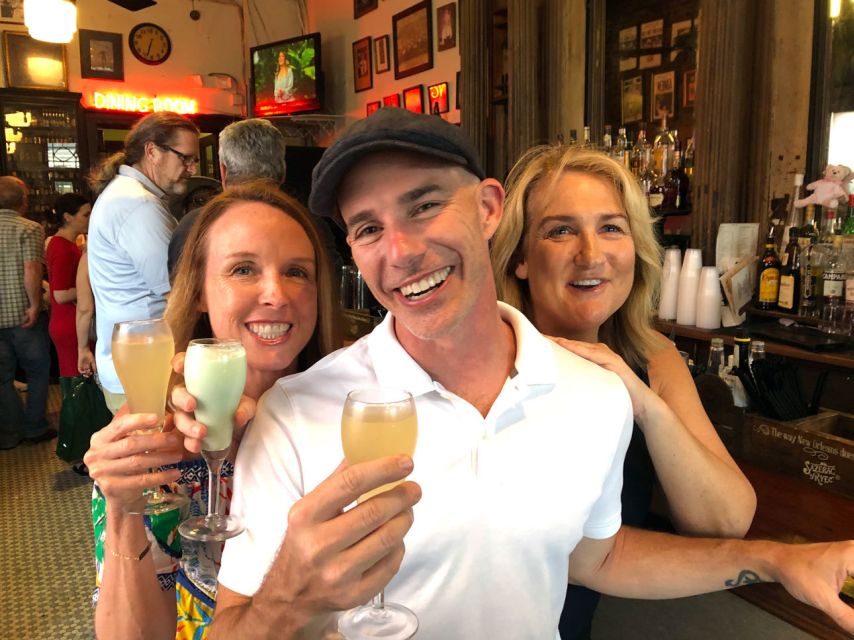
- Pre-Prohibition drink focus: every stop ties back to how cocktails were made and sold before Prohibition.
- Two recipe-choice moments: you’ll pick between Sazerac vs. Brandy Crusta, then Pimm’s Cup vs. Ojen Frappé.
- Absinthe and the Creole connection: you’ll get the real scoop on absinthe and why New Orleans mattered to recipes.
- Good pacing for a walking tour: short strolls and roughly 40 minutes at each bar help you slow down and talk.
- Live jazz at the end: the final venue has local food and a live band starting at 8pm.
A French Quarter cocktail tour that moves at the right speed
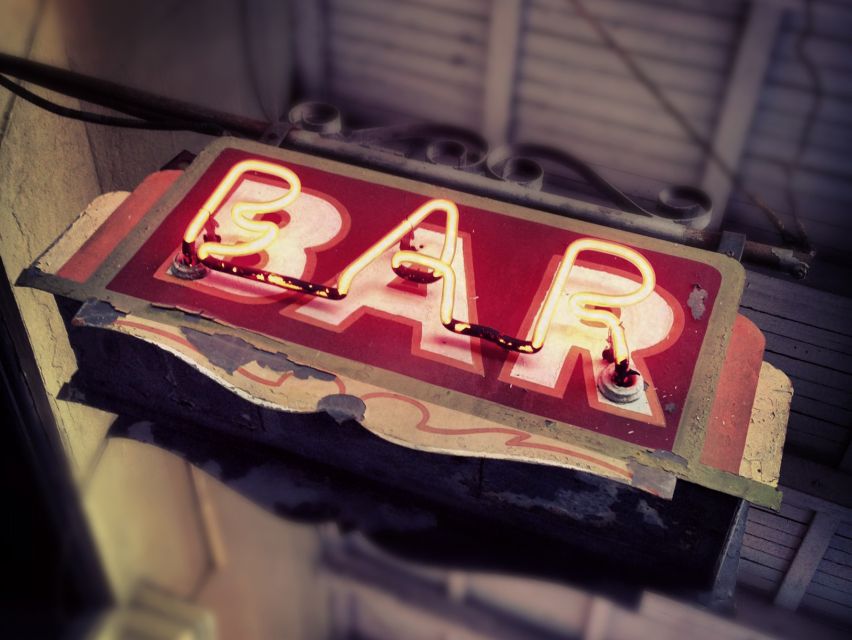
New Orleans can hit you all at once: music, neon, spicy smells, and a thousand places that look worth a stop. What I like about this tour is that it gives you a structure instead of leaving you to guess. It lasts 3 hours, starts in the early evening, and keeps you moving at a pace that still lets you enjoy the conversations.
This isn’t the kind of experience where you race through stops just to check boxes. Each cocktail stop is built for time to sip, ask questions, and make sense of what you’re drinking. You’ll hear a guide narrative that covers the big picture history of cocktails, not just a random list of drinks.
You can also read our reviews of more historical tours in New Orleans

Meeting at Patrick’s Bar Vin on Bienville St
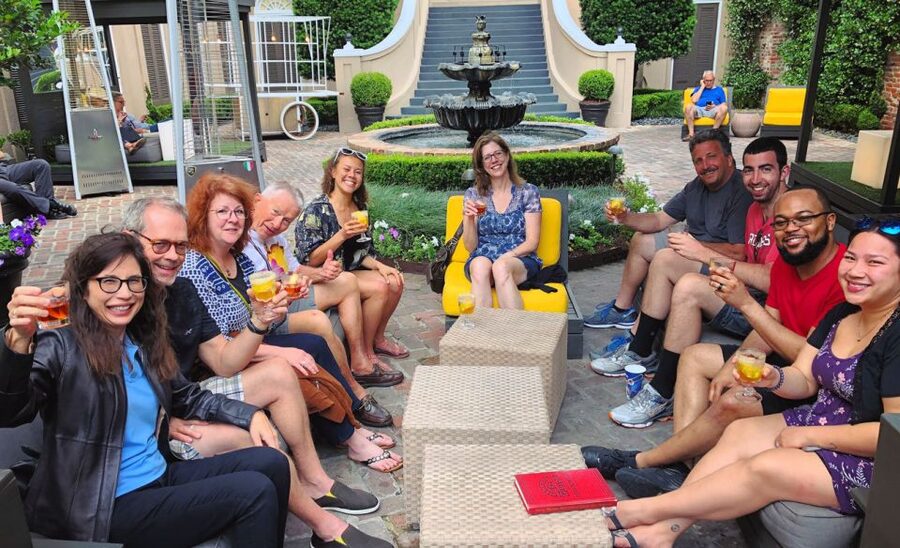
You meet at Patrick’s Bar Vin, 730 Bienville St. That matters because Bienville is right in the French Quarter action—easy to find, easy to orient yourself, and close enough that you can walk between stops without feeling like you’re crossing the entire city.
From the start, the vibe is “evening first sip,” not “late-night survival mode.” Dress is casual, but you’ll want to be comfortable walking short distances. Also, keep your ID handy—this tour is for 21+ and the guide may ask for it.
Your first cocktail: rum punch in a tropical-courtyard start
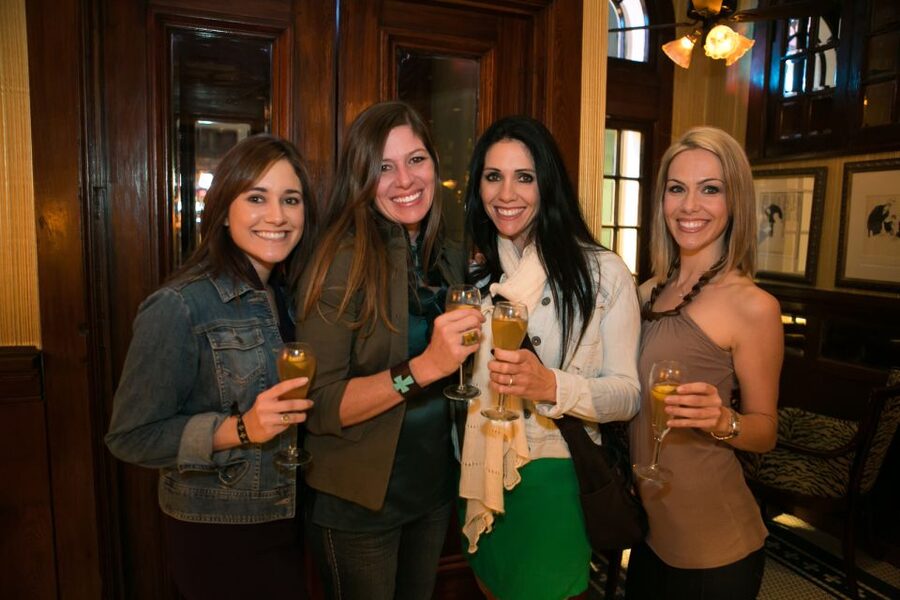
The tour begins as evening arrives, with your first drink in a luxurious wine bar’s tropical courtyard. You start with a homemade rum punch, which is a smart choice for a first step. Rum punch is friendly, approachable, and it helps reset your palate before you get into more specific spirit-forward classics.
Why this start works: rum punch has range. It can be sweet, bright, and warming, and that makes it a good “welcome drink” while the guide gets the group oriented. It also sets the theme of the night: cocktails weren’t born as fancy museum pieces. They were social drinks—made to share, made to sell, and made to match the culture of the city.
After about 40 minutes there, you’ll do a short five-minute walk to the next venue. That built-in walking time matters because it prevents the whole night from blending together. You arrive at the next bar awake enough to notice details.
3rd Block Depot: choose between Sazerac and Brandy Crusta
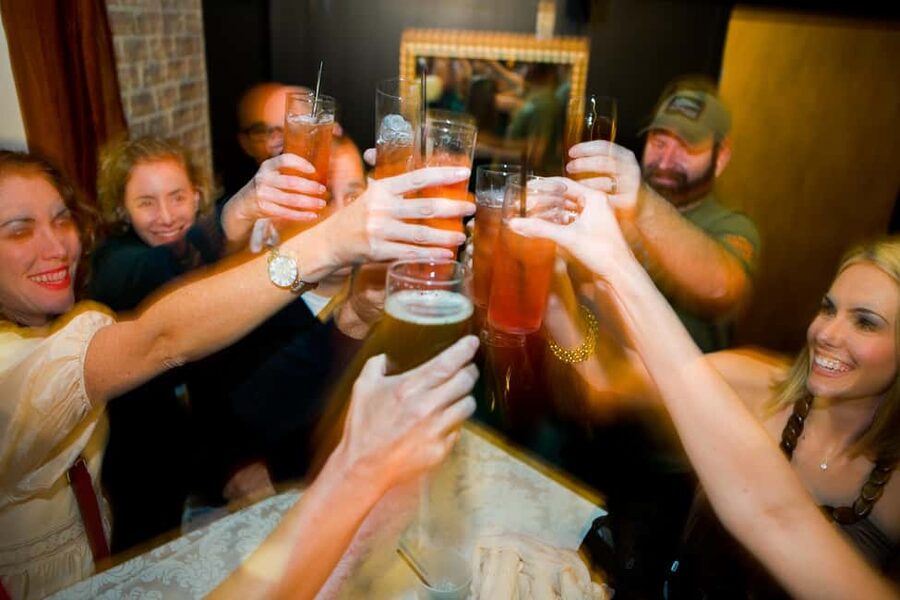
Next up is 3rd Block Depot, described as a modern saloon in a 19th-century icehouse. The setting alone gives you something to look at while you wait for the drink story to land. The icehouse connection also fits the theme: New Orleans bars have always been about adapting old spaces to new social life.
At this stop, you get a choice between two pre-Civil War classics:
The Sazerac (with Creole apothecarist origins)
The Sazerac here is presented with origins tied to a Creole apothecarist in the 19th century, when cocktails were often treated like medicine. That framing is more than trivia. It helps you taste the drink as something functional—bitters, herbs, strong spirit, and the idea that it was meant to do more than just relax you.


The Brandy Crusta
If you choose Brandy Crusta, you’re in a different flavor lane—still classic, but with a dessert-like personality that often feels more “dessert before dessert.” This is the kind of drink that makes you slow down, because the structure tends to be more layered.
In both cases, you’ll spend about 40 minutes at the bar. That’s enough time for the guide to connect the drink to the bigger theme: how recipes formed, how ingredients traveled, and how New Orleans turned cocktails into city identity.
Peychaud’s Bar: the pre-Prohibition creativity stop
Your third stop is Peychaud’s Bar, tied to the legacy of The Celestine. This part of the tour leans into invention. The goal here is to show how cocktails kept evolving right up to the Prohibition era—creative drinks that didn’t need to be hidden behind secrecy.
You’ll sample one of two choices:
Pimm’s Cup for something lighter and refreshing
The Pimm’s Cup is the option if you want something refreshing after the stronger profiles you may have already tasted. It’s also a nice contrast: instead of the “medicine-meets-spirit” feeling, you get a more open, refreshing style that still reads as a classic cocktail.
Ojen Frappé for a Carnival-time favorite
The Ojen Frappé is for the curious palate. It’s linked to Carnival-time drinking, and that timing matters. Drinks shaped by the calendar often reflect what a city wants when it’s celebrating—cooling, easy to share, and built for a crowd.
At Peychaud’s, the tour also spotlights the real scoop on absinthe. Even if you don’t get absinthe in your cup here, the explanation is useful because absinthe sits right in the cocktail history story—its reputation shaped what people believed about spirits and what they thought was acceptable to serve.
Again, this stop lasts about 40 minutes, with a short five-minute walk between bars. It’s an ideal rhythm: sip, learn, talk, move.
Bourbon ‘O’ Bar: the roffignac highball plus jazz at 8pm
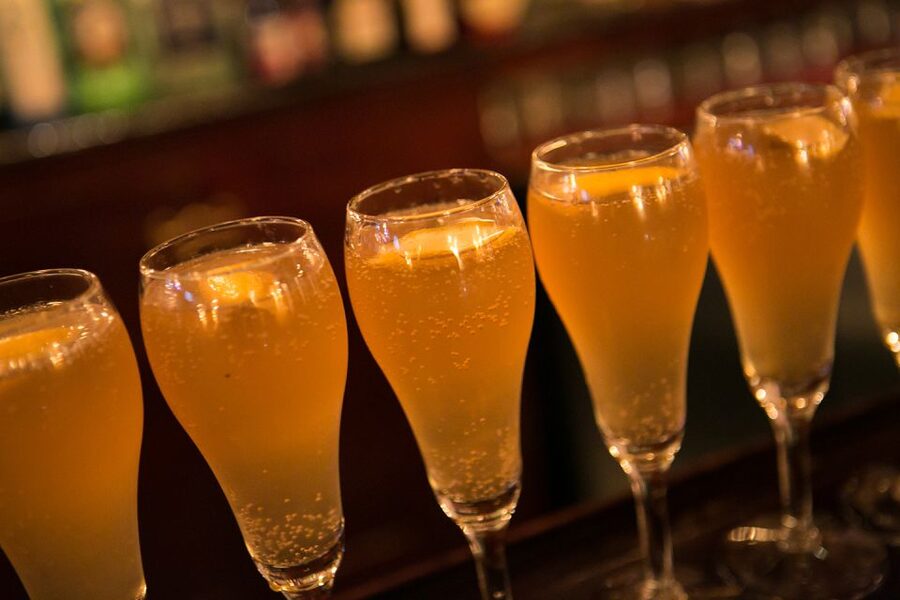
The final stop is Bourbon ’O’ Bar, and it’s a strong closer. The tour notes the venue has local food, and you also get a live local jazz band starting at 8pm. That’s a big deal because it turns the last drink into an experience, not just an ending.
The cocktail here is the Roffignac highball, described as an obscure but beloved nod to the city’s last French-born mayor. That’s exactly the kind of drink that makes a history tour feel worth it. You’re not only drinking what everyone orders—you’re tasting what a city values even when it’s not on every menu.
A highball also lets you finish in a way that feels lighter than some of the other styles. It’s strong enough to count as a real cocktail, but the format tends to feel more drinkable as the night winds down.
If you want a smooth night plan, this is the place to linger. You’re already in the right zone for music, and the food option can help you pace the final stretch.
What you actually learn about cocktail history (and how to use it)
This tour’s promise is big picture cocktail history, and it doesn’t waste time on vague talking. It connects recipes to the world that made them: medicine talk in the 19th century, Creole influences, and the shift toward cocktails as entertainment rather than just medicinal tonics.
Here are the themes that matter once you’re back out on the street:
- Cocktails were social technology. People didn’t mix drinks just because they liked flavor. Drinks helped define community—who you went out with, what you ordered, and how you marked the evening.
- New Orleans used culture as an ingredient. Creole references and the way apothecaries and bar culture overlapped explain why certain drinks became local identity, not just imported recipes.
- Pre-Prohibition creativity didn’t disappear. Even after the heavy disruption of Prohibition-era change, the story of these older recipes shows you how flexible cocktail culture can be.
You’ll also get the “real scoop” on absinthe. That kind of context changes how you think about how myths form around spirits—and why certain ingredients carry stories even when the actual flavor is more complex than the stereotypes.
The 3-hour schedule that keeps you from feeling rushed
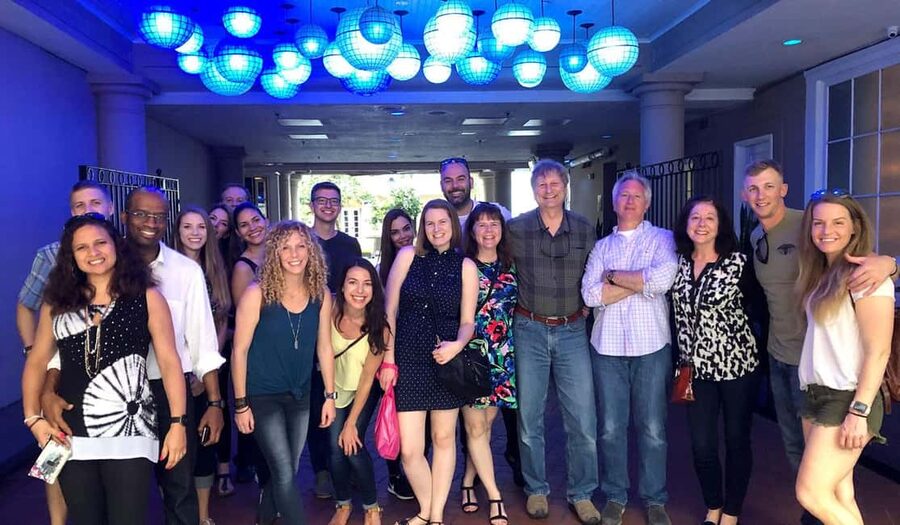
The pacing is built into the structure: short walks and about 40 minutes at each bar. That’s a practical choice. It means you can actually taste, ask questions, and read the room instead of feeling like a line item.
You’ll also end the tour with enough time to continue the night on your own terms. Since the jazz kicks in at 8pm, you can decide whether you want to stay for the set, grab food, or pivot to something else.
And yes, this is an alcohol-focused experience. The tour includes four craft drinks, but it does not include food. I’d treat this like a dinner-and-drink event: eat something solid beforehand so you can enjoy the tour instead of white-knuckling it.
Price and value: $95 for four drinks and real storytelling
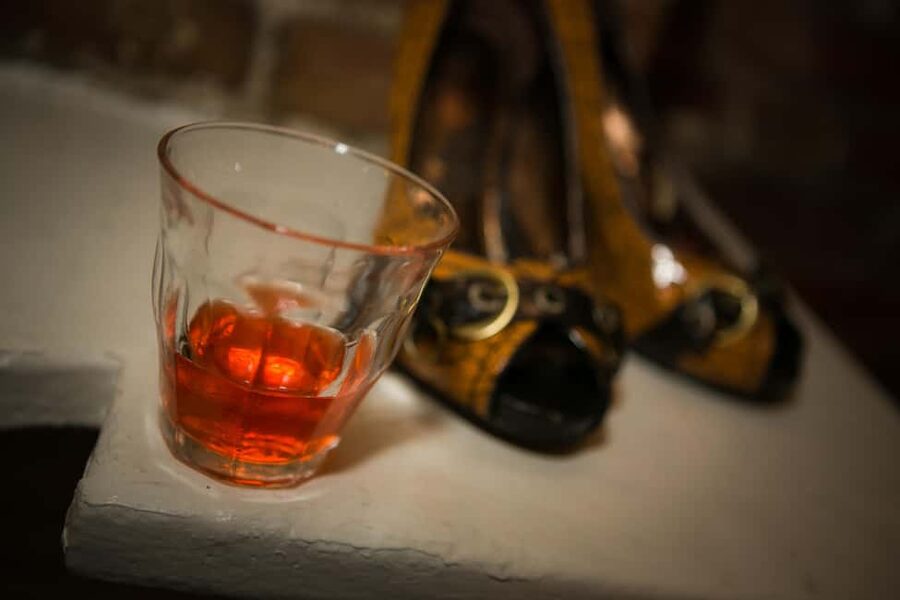
At $95 per person for 3 hours with four craft cocktails, you’re paying for two things: the drinks and the guided context that makes the drinks meaningful.
If you were to buy four cocktails in a nice French Quarter bar on your own, you’d likely spend close to that total quickly. What makes this tour feel like value is that it doesn’t just hand you a list—it moves you bar to bar, keeps the story flowing, and includes gratuities to servers and bartenders.
What you should plan for: gratuity to the guide is not included (it’s optional). Also, there’s no hotel pickup and no food. If you’re trying to keep the total cost low, your best move is simple: eat before you meet and keep your post-tour spending focused.
Where the tour shines: guides, atmosphere, and smooth bar-to-bar flow
The consistent theme in the experience is how the guide performs. Guides like Beth, Cat, Mike, Ben, and Lindsay are repeatedly praised for being fun and for connecting the dots between cocktail recipes and New Orleans context. In practice, that means you’re not stuck with a lecture. You get a narrative, plus time for questions, plus a light tone that makes the night feel social.
The venues also matter. You’re in places with distinct interiors and enough atmosphere to make each stop feel like a chapter. Even when bar details may vary a bit, the overall plan stays on track: each venue has its own personality, and the drinks match the theme.
And the night is designed to flow. The movement between stops is short, and the schedule gives you time at each bar so you’re not constantly checking the clock.
Who should book this cocktail history tour
This tour fits best if you want:
- A French Quarter plan that feels organized but not stiff
- A cocktail night with context, not just drinks
- A mix of classics and lesser-known recipes like the Roffignac highball
- An early evening option that ends while you’re still ready to enjoy the city
You might skip it if you hate alcohol, if you’re looking for food as a core part of the experience, or if you prefer to pick drinks entirely on your own without a set structure.
Should you book the New Orleans Early Evening Cocktail History Tour?
Yes, I’d book it if you’re spending your first or second night in New Orleans and want a fast way to understand what makes the city’s cocktail culture different. Four craft drinks in three hours is a solid deal for the French Quarter, and the pre-Prohibition focus gives your tastings meaning.
Book it especially if you like learning in a practical way—through the flavor in your glass, not through a long lecture. Just do two things to set yourself up for success: eat beforehand, and bring ID. If you do, you’ll end the tour with a drink in hand, a story in your head, and jazz starting at 8pm.
FAQ
How long is the cocktail history tour?
The tour lasts 3 hours.
How much does the tour cost?
The price is $95 per person.
How many cocktails are included?
You’ll enjoy a total of 4 cocktails during the tour.
Where do I meet the guide?
Meet at Patrick’s Bar Vin, 730 Bienville St, New Orleans, LA 70130.
Do I need to be 21 or older?
Yes. You must be 21 or over, and the guide may request ID.
Is food included?
No. Food is not included.
What’s included in the price?
The tour includes a local guide, 4 cocktails, and gratuities to servers/bartenders.
Is the tour wheelchair accessible?
Yes, it is wheelchair accessible.