REVIEW · POZNAN
Poznan: Private Jewish Heritage Tour
Book on GetYourGuide →Operated by PT Team · Bookable on GetYourGuide
Poznan’s Jewish story is written in the streets. This private 3-hour tour follows a clear trail of Jewish monuments and connects names, places, and events you can actually point to on a map. I like that it doesn’t treat the topic like a worksheet; your guide ties everyday Jewish community life to the darker chapters of occupation history.
Two things I especially appreciate: you get a guided stop at Fort VII, the forced-labour camp site for Jews, with context about the Holocaust in Poznan, and the tour also leads you to remembrance places tied to individuals, including Akiva Eger and his grove on the Jewish cemetery. One possible drawback: a lot of Jewish heritage in Poznan is scattered, and some structures are gone, so you should expect more walking and fewer surviving buildings than you might hope for.
Because it’s private, you can ask questions as you go and keep the pace comfortable. Still, for the best experience, come ready for a serious history focus and bring shoes for a city walk.
In This Review
- Key highlights you’ll care about
- Meeting at Stawna 10: where your private guide brings order
- The New Synagogue, community headquarters, and Akiva Eger Square
- Former Jewish quarter: walking the neighborhood where life happened
- Wolnosci Square and the role of memorial spaces
- City Stadium: seeing how occupation shaped public life
- Square of the Righteous Among the Nations: remembering resistance and rescue
- Fort VII forced-labour camp: the heavy centerpiece
- Monument to labor camp victims and the new Jewish cemetery
- Entrances not included: plan for what might cost extra
- Timing, walking, and getting the most from 3 hours
- Price and value: why $16 can work well here
- Who should book this Jewish heritage tour in Poznan
- Should you book it?
- FAQ
- How long is the Poznan Jewish Heritage tour?
- Where do we meet the guide?
- Is this a private tour?
- What languages are available?
- Are entrance fees included?
- Is the tour wheelchair accessible?
- Can I cancel for a refund?
Key highlights you’ll care about
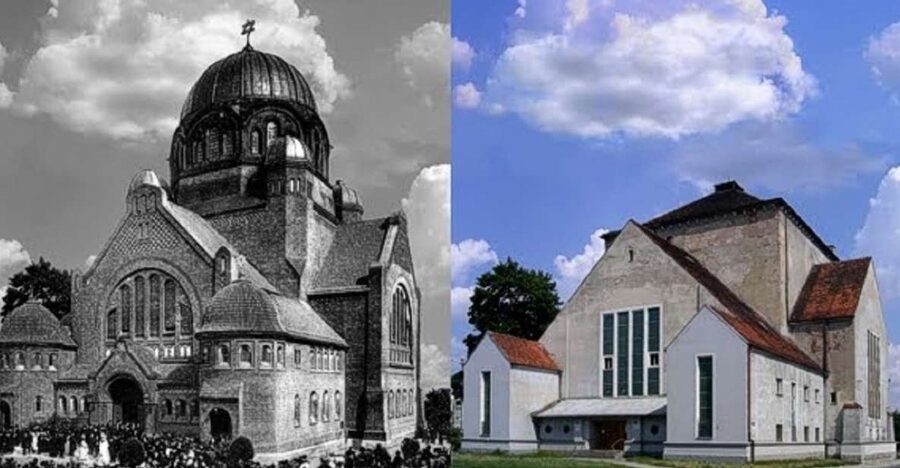
- New Synagogue start at Stawna 10: the tour kicks off with clear, named landmarks so you know where you are right away
- Akiva Eger Square and the cemetery grove: the story includes people, not just dates
- Former Jewish quarter stroll: you’ll see the neighborhood shape and how community life used to work
- Fort VII forced-labour camp stop: occupation history is handled with specific site context
- Memorial stops across the city: from Wolnosci Square to Righteous Among the Nations and labor camp victims
Meeting at Stawna 10: where your private guide brings order
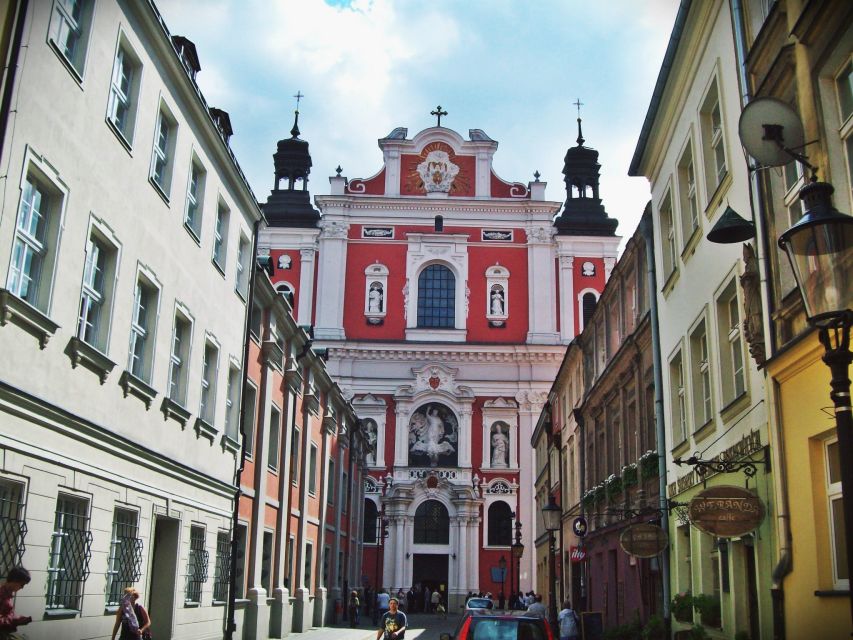
Your guide meets you at the New Synagogue area on Stawna 10 and will be holding a sign with your name. Since it’s a private group, the meeting feels straightforward, and you can ask right away about what you want to focus on—family history, Holocaust sites, or simply how Jewish Poznan fit into the city as a whole.
One practical note: the area around the synagogues can be confusing if you’re staring at the street name and assuming every nearby landmark matches the same label. In at least one case, the meeting point listing was off by about a short walk, with the real start being around 50 meters away. My advice is simple: once you’re at Stawna 10, look for your guide’s name sign and double-check you’re by the New Synagogue, not a nearby historic remnant with a similar connection.
This tour is priced at $16 per person for the guide, and that matters. In three hours, you’re paying for interpretation—someone who can connect the dots between monuments, memorials, and what these sites mean today.
You can also read our reviews of more tours and experiences in Poznan.
The New Synagogue, community headquarters, and Akiva Eger Square
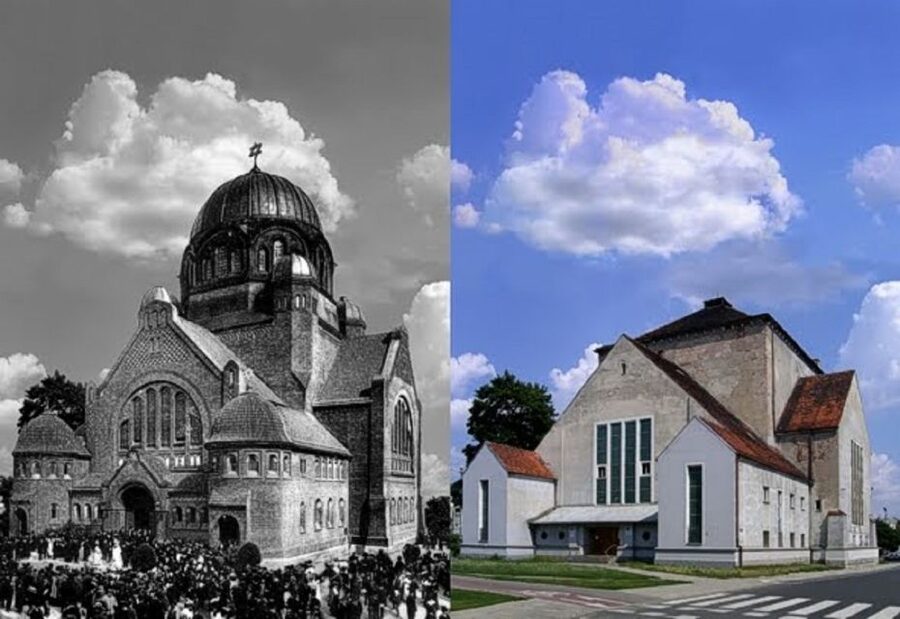
The first stretch sets the frame: Poznan’s Jewish history isn’t a side chapter. It’s woven into the city’s religious, social, and cultural center, and you start by grounding yourself where that community life clustered.
You’ll see the headquarters of the Jewish community, then move through the area around the New Synagogue and Akiva Eger Square. This part works well because it gives you names tied to locations, which is exactly what helps when buildings are gone and you’re left with traces. Akiva Eger comes up again later at the cemetery, so starting with his square early gives the second stop extra meaning.
If you like guides who work from research instead of rehearsed facts, you’re in good hands. One guide, Martin, impressed people by giving strong context about the Jewish community around Poznan—especially for visitors with family ties to the area. Another guide, Matteusz, stood out for how open he was to questions and how strongly he connected Jewish history to broader Polish history in the places you’re seeing.
Former Jewish quarter: walking the neighborhood where life happened
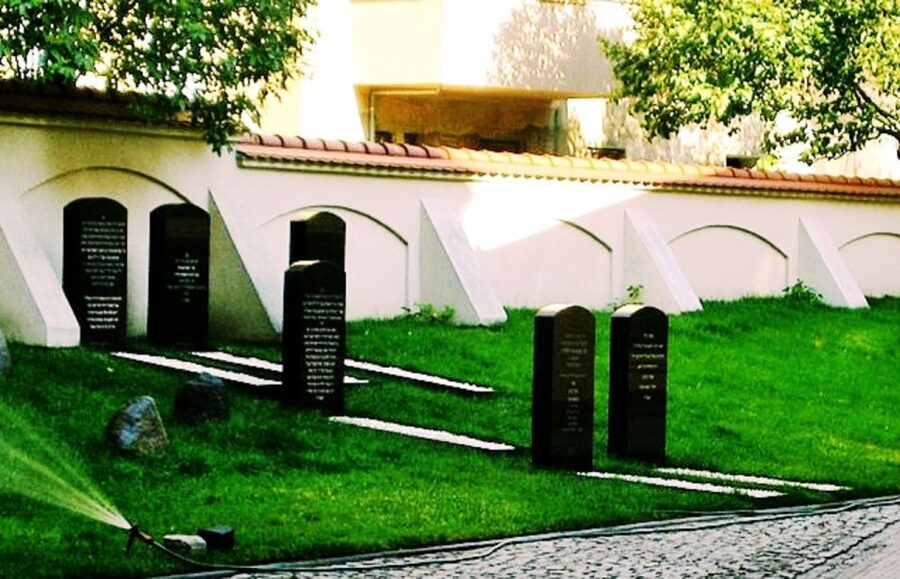
After the opening landmarks, the tour turns into a walk through the former Jewish quarter—the center of social and religious life for Poznan’s Jewish community. Even when original buildings no longer stand, the street-level geography helps you picture how people moved, where community institutions would have been, and why certain squares and corners mattered.
You’ll also encounter a WWII-era reality here: the tour includes a stop connected to a synagogue destroyed by Germans during World War II. When a structure is gone, it can feel like a story with missing pieces. Having a guide describe what happened and where it fits into the neighborhood pattern makes the absence less confusing and more meaningful.
A small caution for expectations: Poznan doesn’t have a huge surviving concentration of Jewish-era buildings you can tour like a museum district. The heritage is spread around the city, so the experience leans more on guided interpretation than on grand architectural leftovers. You’ll likely pass other historic city sites as well because that’s how the route works—and it’s still worth it, since the walking is what turns scattered monuments into a coherent story.
Wolnosci Square and the role of memorial spaces
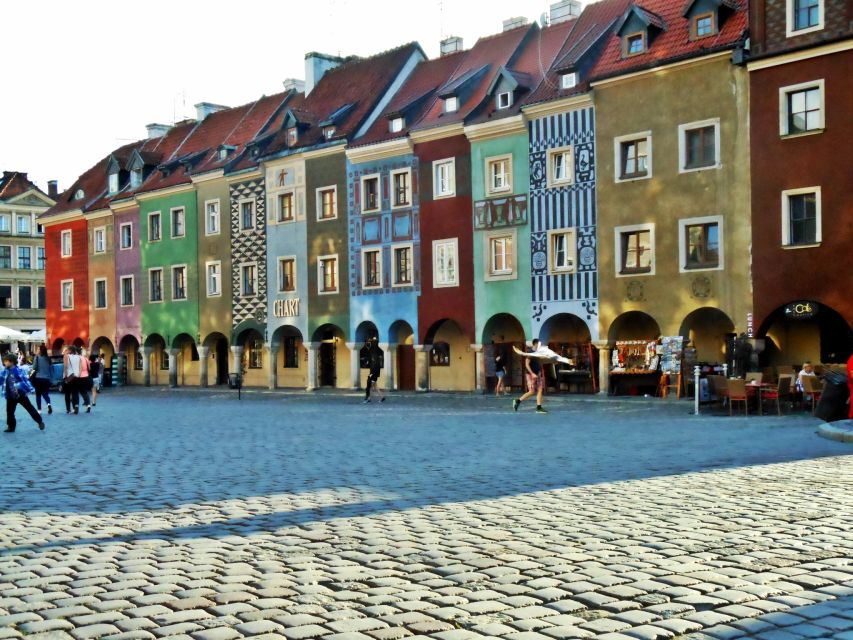
Next comes Wolnosci Square, associated with the eternal rest of Poznan’s Jewish community. Squares like this are powerful because they’re public. You’re not behind museum glass, and you’re not stepping into an exhibit room where history feels sealed off. It’s history you’re walking past as part of the living city.
From a practical standpoint, this stop is also a good checkpoint. By now you’ve seen community anchors (synagogue area, community headquarters, a key square), and you can start to notice how themes shift: from everyday civic and religious life to loss, occupation, and remembrance.
The emotional tone here can get heavy, but the tour’s value is that it keeps moving between sites rather than letting you get stuck in one moment. You get the sense of a timeline across the city, not a single memorial photo op.
City Stadium: seeing how occupation shaped public life
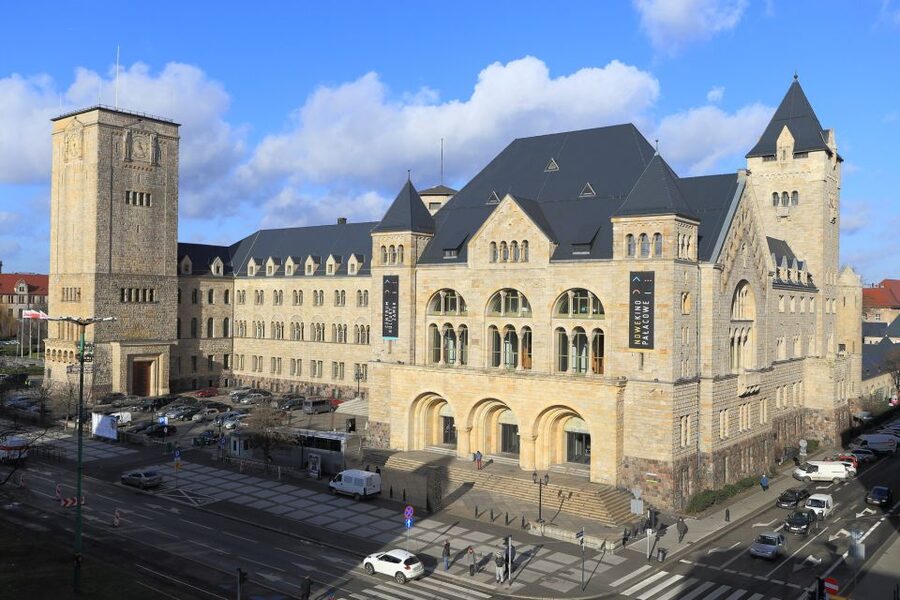
The tour then heads to the City Stadium, a place that witnessed the tragic fate of Jews during German occupation. It’s an unsettling kind of stop because stadiums often feel neutral—sports, crowds, events. But occupation history can repurpose ordinary public spaces into something terrifying, and that contrast is exactly what makes the site matter.
I like that this section doesn’t rely on generalities. With a guide telling you what happened here, you understand why the stadium is part of the Jewish heritage trail instead of just another landmark on a city map.
Square of the Righteous Among the Nations: remembering resistance and rescue
After the stadium, you’ll reach the Square of the Righteous Among the Nations. The phrase refers to people recognized for saving Jews during the Holocaust, and this stop adds an important balance to the story. It doesn’t erase the horror; it shows that even under extreme danger, some people acted with courage.
This is one of the places where the tour’s structure really helps. You’ve already seen memorial space (like Wolnosci Square), then moved into occupation tragedy (City Stadium, later the forced-labour camp). Adding Righteous Among the Nations creates a fuller picture: oppression happened, yes, but moral choice still existed.
Fort VII forced-labour camp: the heavy centerpiece
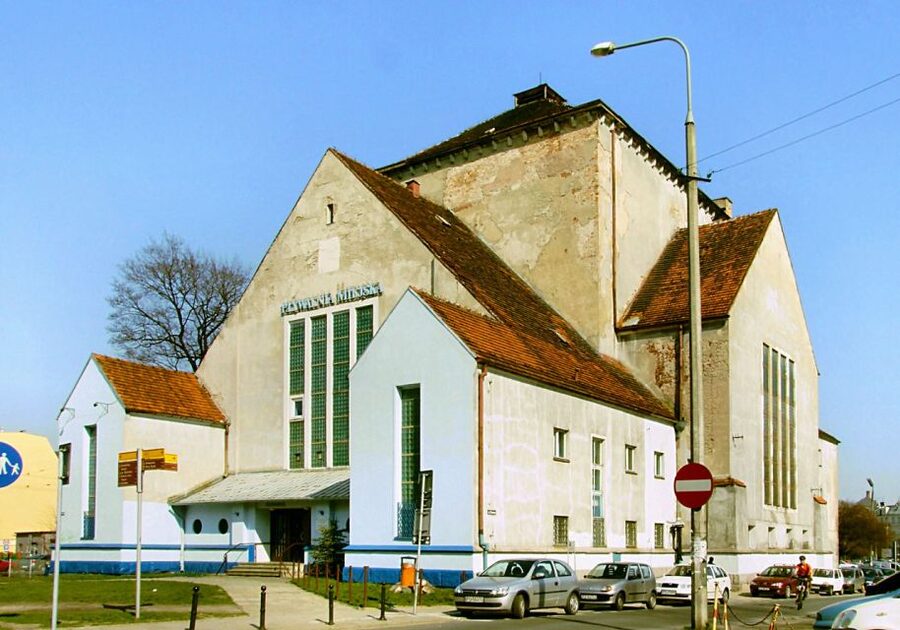
The highlights call out the forced labour camp for Jews, and the experience also connects to Fort VII in practice. This is the tour’s major historical weight, and it’s also where your guide’s explanation becomes the whole point. You’re not just viewing a site; you’re learning how it fit into the machinery of persecution.
For readers, here’s the key value: you’ll leave with a sense of what forced labour meant in context, and how this part of Poznan’s story connects to the larger Holocaust timeline. You also get a sense of why you’re seeing other memorials along the way—because each site is like a different chapter of the same book.
This stop can be emotionally intense. If you want a gentler pace, you can still ask your guide to adjust how much detail they share at each moment. In a private tour, you control that balance more than you would on a bus-group format.
Monument to labor camp victims and the new Jewish cemetery
The route doesn’t stop at the camp site. You’ll also see the Monument to the Victims of the Labor Camp for Jews in Poznan, which helps you move from site-specific history to shared remembrance.
From there, you head to the new Jewish cemetery. Cemeteries are tricky places to visit without context, because names and markers can feel like separate facts. Here, the guide helps you connect what you’re looking at with the people and stories tied to the tour. One standout is the focus on Akiva Eger, including finding his grove on the cemetery grounds.
This is also where the earlier Akiva Eger Square stop pays off. The tour doesn’t just mention him and move on. It brings his name back in a place of remembrance, so you feel a tighter thread between city landmarks and personal legacy.
Entrances not included: plan for what might cost extra
The tour includes your guide, but entrances aren’t included. That means if any stop you visit requires tickets or paid access, you’d handle that separately. This doesn’t make the tour a bad value—it just means you shouldn’t assume every site is free to enter.
If you want to budget smoothly, I’d set aside a little extra in case you decide to go inside specific locations rather than view from outside.
Timing, walking, and getting the most from 3 hours
Three hours is a smart length for this theme. You get a full arc: starting in the synagogue/community area, walking the former quarter, reaching WWII occupation sites, and finishing with remembrance and cemetery grounding. At the same time, the schedule isn’t so long that you lose track of what each stop is trying to tell you.
The pacing also matters because you’re on foot through the city. You should come prepared for a city-walk day—comfortable shoes and water help, especially when the history turns serious and your brain needs space to process.
Because it’s private, you can ask questions and steer the guide slightly if you’re more interested in one theme, like the community life portion or the Holocaust-site portion. In that sense, the tour feels less like following arrows and more like building your own map of meaning.
Price and value: why $16 can work well here
At $16 per person, this is budget-friendly for a private, English-language-guided historical walk. The value comes from interpretation: your guide connects the trail of monuments into a narrative so you’re not just collecting locations.
You are, however, paying for a guided experience, not for museum-style entry costs. Since entrances aren’t included, your money is best spent on the guide-led understanding, then you decide on any paid entry options.
In plain terms: if you want to see Jewish Poznan through a guided story with specific stops—rather than trying to piece it together alone—this is a strong value.
Who should book this Jewish heritage tour in Poznan
This tour is a good match if:
- you want a structured path through Jewish monuments rather than guessing your way across a scattered city
- you care about both community life and the WWII/occupation sites in the same experience
- you have family connections and want context around places in the area (this came up as a big win for visitors)
- you like asking questions and getting research-backed answers from guides who genuinely focus on the subject
It may be less ideal if:
- you’re expecting lots of surviving synagogue architecture you can tour inside
- you need a very light, casual stroll with minimal heavy content
Should you book it?
I think you should book this tour if you want an organized, human-guided way to understand Poznan’s Jewish heritage. The itinerary is built around named places—New Synagogue area, Akiva Eger Square, Wolnosci Square, Fort VII, memorials, and the cemetery grove—so you leave with a real sense of geography and meaning, not just general statements.
Just go in with the right expectation: some of what you’ll see is remembrance and location-based history, because much has changed over time. If you’re okay with that and you value a thoughtful guide (like Martin or Matteusz, who brought strong explanation and engaged discussion), this is an excellent use of three hours in Poznan.
FAQ
How long is the Poznan Jewish Heritage tour?
It lasts 3 hours.
Where do we meet the guide?
You meet your guide at the New Synagogue on Stawna 10 street with your name.
Is this a private tour?
Yes, it’s a private group experience.
What languages are available?
The live guide is available in English, Spanish, German, Russian, Polish, French, and Italian.
Are entrance fees included?
No. Entrances are not included.
Is the tour wheelchair accessible?
Yes, the tour is marked as wheelchair accessible.
Can I cancel for a refund?
Yes. You can cancel up to 24 hours in advance for a full refund.