REVIEW · NEW ORLEANS
New Orleans: 9th Ward Hurricane Katrina History Tour
Book on GetYourGuide →Operated by Treme Luxury Experience Tours & Transporation · Bookable on GetYourGuide
Katrina history, up close and personal. This Ninth Ward Hurricane Katrina History Tour takes you through New Orleans’ most impacted areas in a small van, guided by local New Orleanian Hollis, with stops tied to real recovery work and real neighborhoods. I especially love the way he connects the big story to what it felt like on the ground—before, during, and after the flood.
My second favorite thing is the mix of stops: you’re not stuck on a single memorial or a single viewpoint. You’ll see places tied to levee breaches, the Old St. Claude Hospital Katrina memorial area, rebuilding projects, and even the cultural thread of New Orleans at Fats Domino’s home. The only catch: the whole route can shift based on weather, construction, or local events, so a specific stop you’re hoping for might be swapped for another option.
In This Review
- Key points that make this tour worth your time
- Entering the Ninth Ward story on a small van
- Meet Hollis: why the guide matters more than the script
- Levee breach viewpoints and the Mississippi-to-Lake Pontchartrain connection
- Hurricane Katrina Memorial at Old St. Claude Hospital: a respectful stop with context
- Make It Right homes and Musicians’ Village: recovery you can actually see
- Fats Domino’s home stop: keeping the culture thread alive
- How the stop-and-wander moments change what you learn
- Price and value: $25 for a focused neighborhood education
- Timing, route changes, and the one-hour reality
- Logistics that matter: meeting point and getting oriented fast
- Who this tour suits best
- Should you book the New Orleans Ninth Ward Hurricane Katrina History Tour?
- FAQ
- How long is the Ninth Ward Hurricane Katrina History Tour?
- How much does the tour cost?
- How big is the group?
- Is there a live guide, and what language is it in?
- Where does the tour meet?
- Will the route stay the same?
- What are the main stops on the tour?
- Can I cancel for a refund?
- Is there pay-later booking available?
Key points that make this tour worth your time
- Local guide Hollis with real neighborhood ties and firsthand context
- Ninth Ward focus with meaningful stops tied to Katrina’s aftermath
- Levee breach sightlines along the Mississippi River and Lake Pontchartrain area
- Rebuilding stops like Make It Right homes and Musicians’ Village
- A short, small-group format (up to 7 people) that keeps questions alive
- Photo and walking moments at select stops, not just drive-by sightseeing
Entering the Ninth Ward story on a small van
This is not a long sit-and-listen tour. It runs about 1 hour and is designed for a small group (limited to 7 participants). That time pressure matters in a good way: you get a focused route through the parts of New Orleans that still carry Katrina’s mark, without feeling like you’re trapped in a full-day bus loop.
The van format also changes the feel. You move from viewpoint to viewpoint, and then you actually stop—sometimes long enough for photos, and sometimes long enough to step around and take in the surroundings. One of the strongest things you’ll notice is how the guide keeps pulling the story back to people and decisions, not just water levels. Katrina wasn’t only a disaster. It was also a long aftermath—what got attention, what got delayed, and what recovery looks like decades later.
If you like history, this tour gives you the real geography behind it: how neighborhoods connect to rivers and levees, and how the city’s rebuilding efforts show up block by block.
You can also read our reviews of more historical tours in New Orleans

Meet Hollis: why the guide matters more than the script
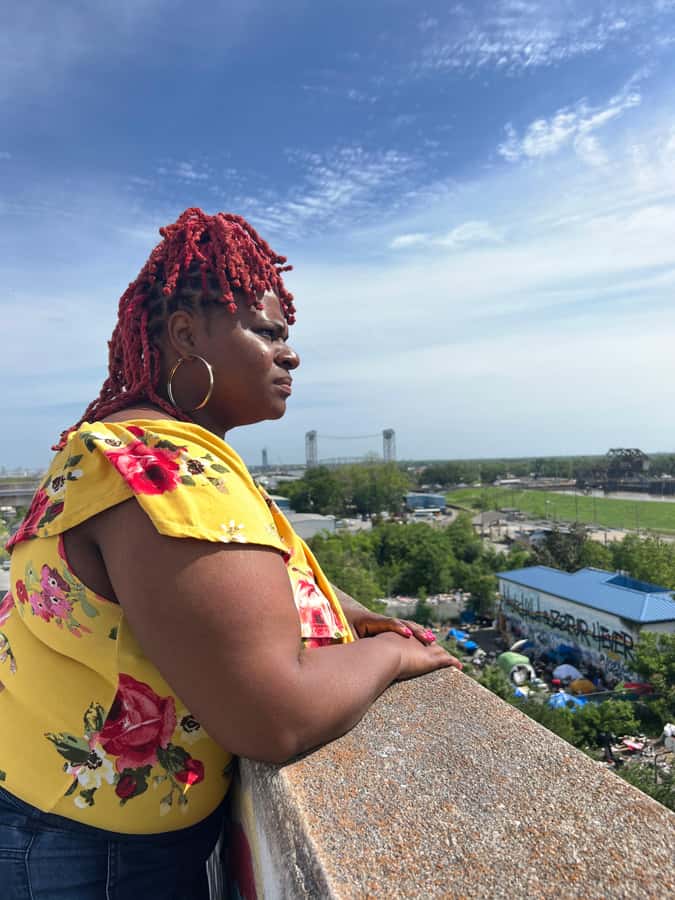
I like tours where the guide sounds like they’ve lived the subject, not just researched it. Here, the guide is Hollis, and the reviews and tour design point to the same theme: he’s a local pillar with deep ties to the community. You can feel that in the way he explains Katrina’s impact on the people and the neighborhoods, including how conditions have changed since before the storm.
Hollis also brings balance. He’s not only telling a tragedy story; he’s explaining systems and outcomes—why some areas were devastated so completely, how the response played out, and how the long recovery reshaped the Ninth Ward. That’s why questions come up naturally on this tour. In a small group, you’re not fighting for attention.
One more practical benefit: because he’s local, he can steer you toward context that makes the city make sense. On at least one tour experience, Hollis recommended places to keep exploring after the drive, like Rampart Street for King Cake at B Sweet, and the Mardi Gras museum (including a look at his King of the Mardi Gras costume). That kind of follow-through is part of the value, not an extra.
Levee breach viewpoints and the Mississippi-to-Lake Pontchartrain connection
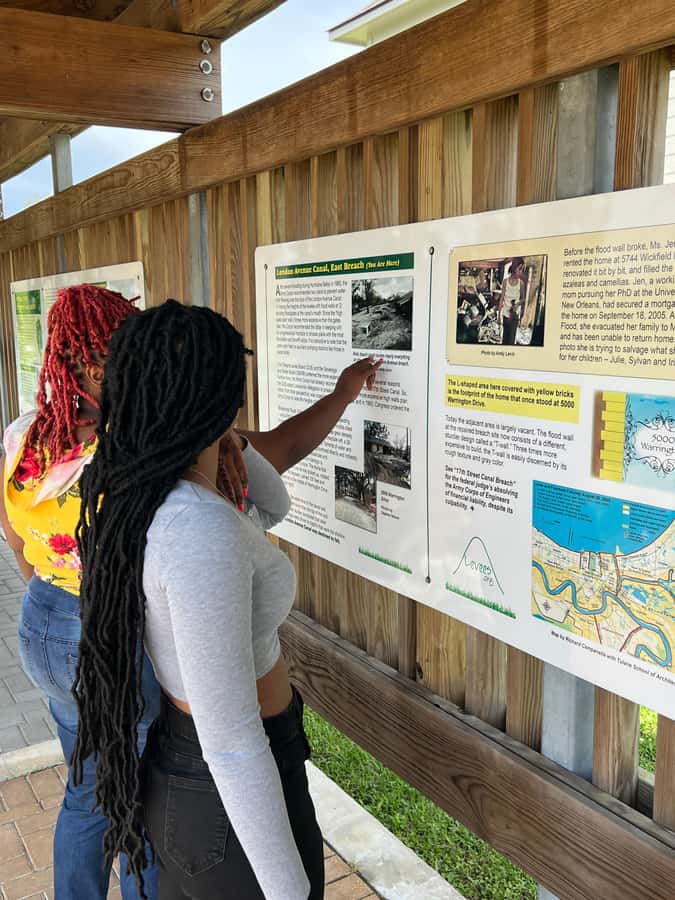
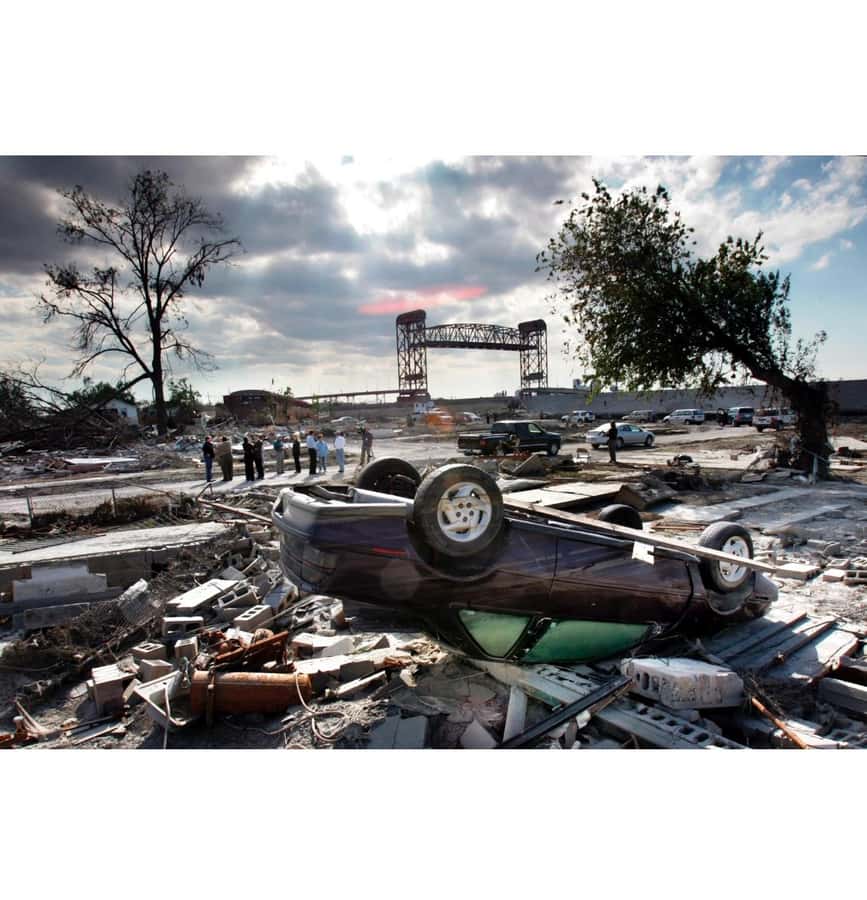
The tour includes stops aimed at helping you understand where the flooding came from. You’ll see locations associated with the catastrophic levee breaches along the Mississippi River and Lake Pontchartrain area. That matters because it grounds the story in the landscape. Katrina isn’t an abstract headline when you’re looking at the kinds of places where water entered and where it spread.
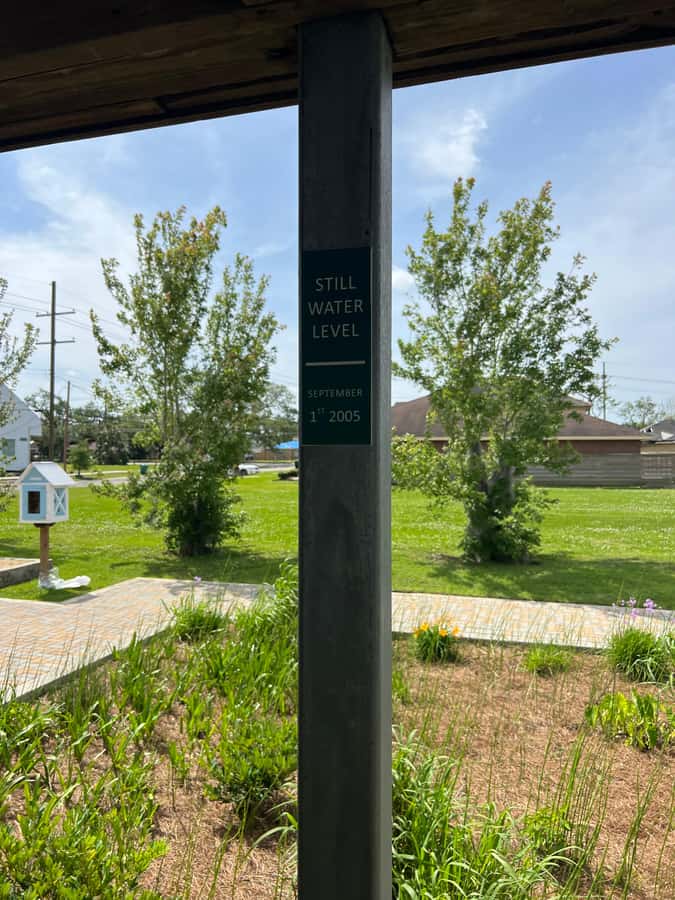
On the ground, Hollis also describes the height of the water and what it did to homes and lots. You may even get a hands-on moment depending on the stop—people mention being able to touch a levee. That’s the kind of sensory detail that turns a lecture into something you remember.
What I think you’ll appreciate most here is the cause-and-effect chain. You’re not only hearing that levees failed; you’re seeing why failure at specific points mattered so much, and how water movement connected to neighborhood outcomes. It’s also where the tour’s realism shows up: empty lots, foundations left behind, and signs of long recovery. Even in an hour, that physical evidence gives the story weight.
Hurricane Katrina Memorial at Old St. Claude Hospital: a respectful stop with context
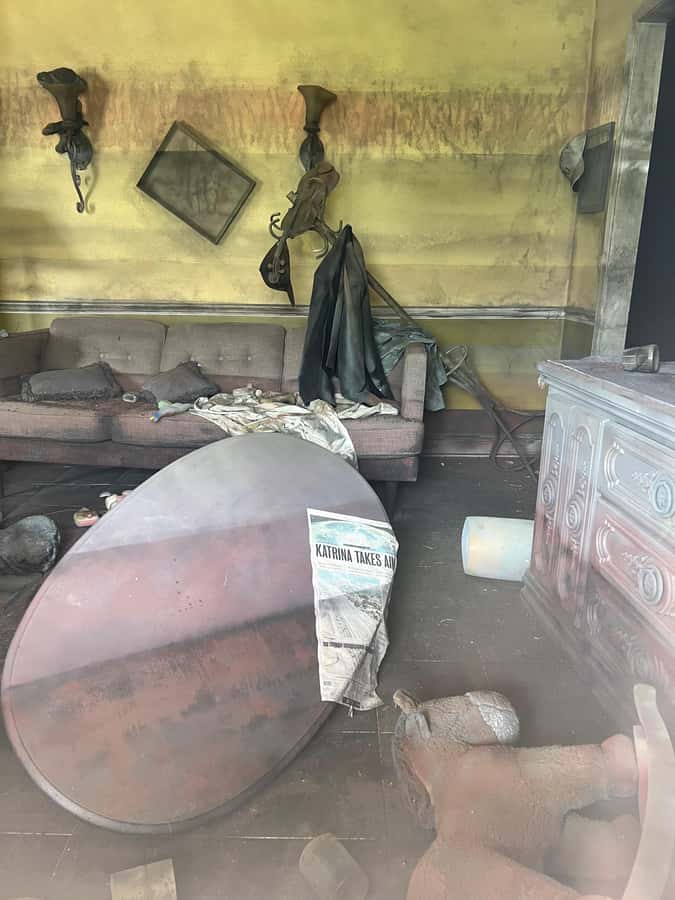
One of the key anchors on this route is the Hurricane Katrina Memorial located at the Old St. Claude Hospital area in the Ninth Ward. This stop is built for reflection. You’re not driving past it like a quick photo op; the tour is structured so you can pause and connect the memorial to the neighborhood it represents.
What makes this kind of memorial stop meaningful is the lead-in. By the time you reach it, you’ve already walked through (in your mind) the path from levee breaches to neighborhood devastation. So the memorial doesn’t feel like a standalone artifact. It feels like a final stop in a story you just learned to read.
Hollis also has a way of framing the memorial in terms of community memory, not only national history. That’s why people come away saying the tour helped them understand the truth of Katrina’s long-term impact—especially in the Lower Ninth Ward.
Tip for your expectations: this is a history tour, so keep your tone respectful. You’ll get more out of it if you’re ready to listen rather than treat the memorial as another quick stop in a photo checklist.
Make It Right homes and Musicians’ Village: recovery you can actually see
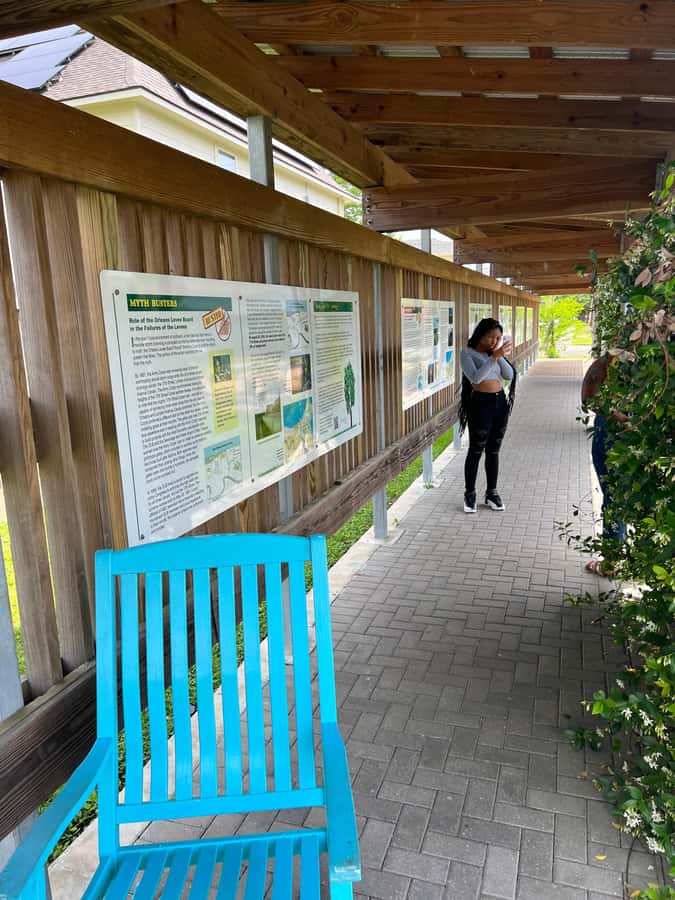
Rebuilding projects can sometimes feel like slogans. This tour helps you see the physical results behind the slogans by including Make It Right homes and Musicians’ Village as part of the route.
Make It Right is one of the places people often associate with modern recovery themes: building back with new ideas, new structures, and a push toward a different kind of housing future. Musicians’ Village connects that recovery story back to what New Orleans is famous for—its music, community, and identity.
This is where the tour becomes more than a Katrina “aftermath” drive. You’re still learning hard truths, but you’re also seeing how the city is working to repair itself. In a short, one-hour format, that balance is rare. Many tours focus only on damage. Here, you get a look at what rebuilding efforts have tried to accomplish and how that shapes the neighborhood today.
One practical note: because the route can shift due to weather, construction, or local conditions, a specific stop might be substituted. Still, the tour’s purpose stays the same: you’ll be directed through key districts in stages of recovery, with the guide working to deliver a strong overall experience even if a route changes.




Fats Domino’s home stop: keeping the culture thread alive
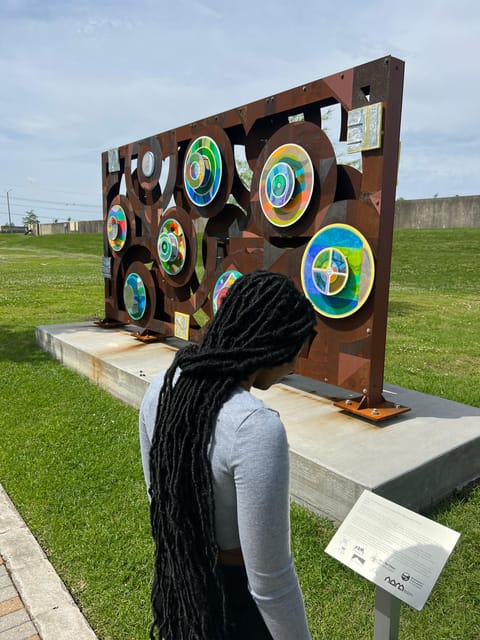
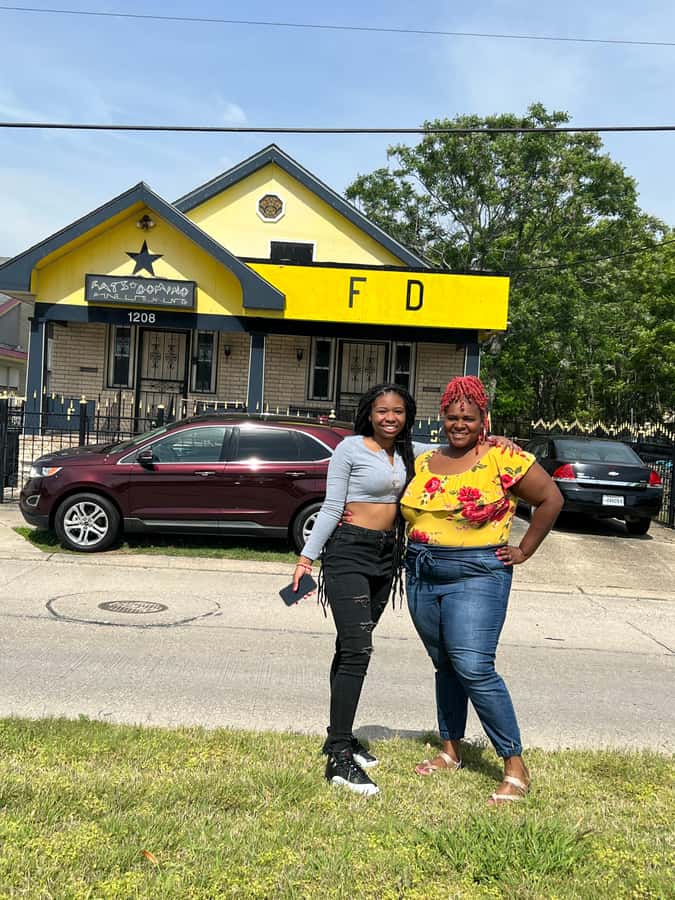
It’s easy to turn the Ninth Ward story into only loss. But New Orleans doesn’t work that way. Culture lives alongside grief, and this tour reflects that with a stop at Fats Domino’s home.
That matters for your understanding of the city. The Ninth Ward isn’t only a disaster map. It’s a place with artists, stories, and identity that existed long before Katrina—and continues afterward. Adding a cultural stop prevents the tour from becoming purely about the catastrophe. You get a reminder that rebuilding isn’t only about structures. It’s also about who gets to remain themselves.
In a way, this is also why Hollis’s guidance feels effective. He isn’t just reciting facts; he’s connecting the city’s soul to its historical events.
How the stop-and-wander moments change what you learn
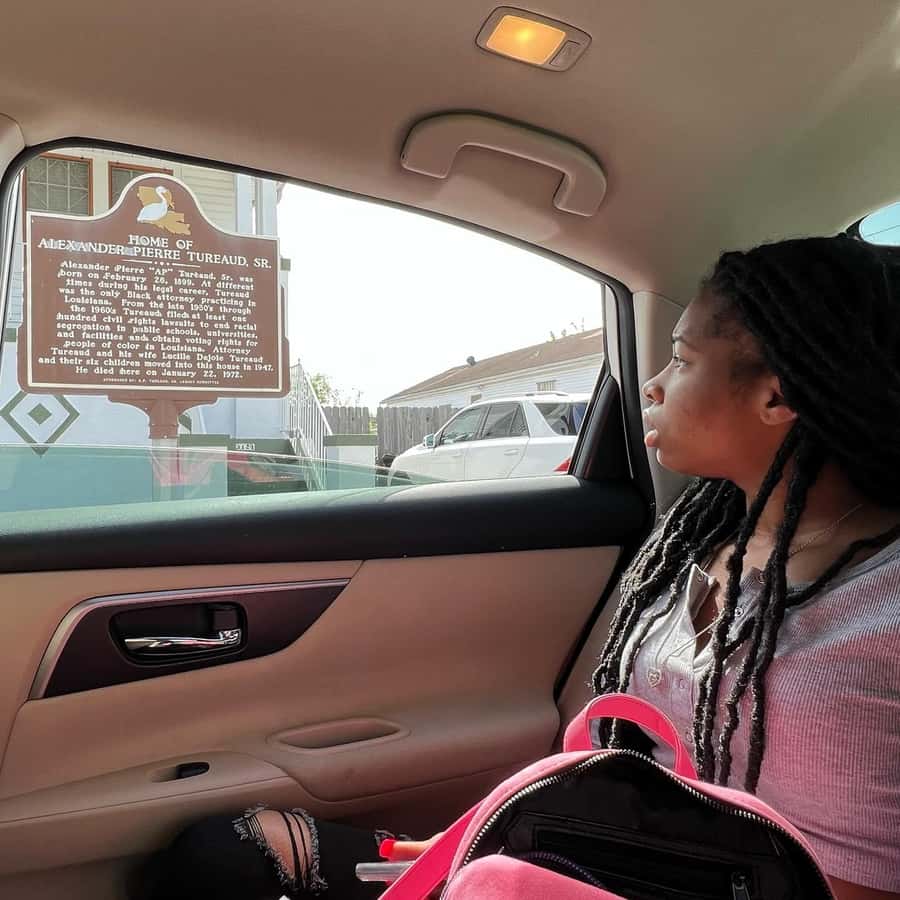
Even with a short total duration, the tour builds in time at certain locations so you can look closely. People mention stops where they could wander around a bit, take photos, and ask questions. That is a big deal in a one-hour tour: it’s the difference between seeing something and actually noticing it.
Hollis also uses real stories and real neighborhood history to encourage questions among the group. With small-group limits, your questions don’t get swallowed by crowd noise. You can hear answers, and you can learn from other people’s curiosity too.
This is also why the tour often feels like more than a checklist. It becomes a conversation about what happened, who was affected, and what recovery looks like over time—without turning it into an argument or a performance.
Price and value: $25 for a focused neighborhood education
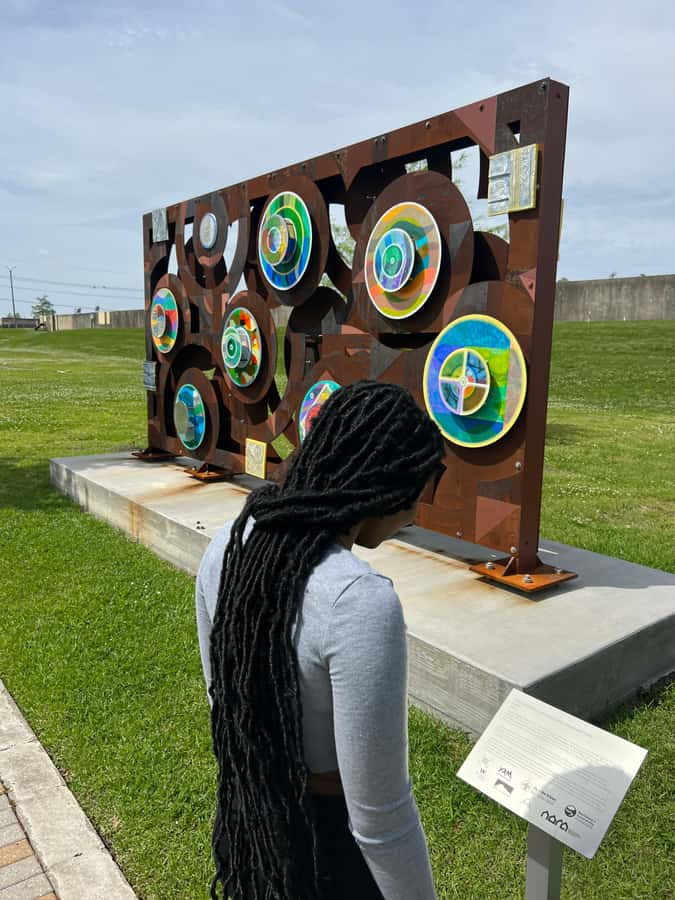
At $25 per person for about 1 hour, this isn’t an expensive add-on for New Orleans. The value comes from four things working together:
- Small group size (up to 7), which typically means more interaction and less crowding.
- A local guide with neighborhood ties, not just a generic narrator.
- Multiple high-impact stops in one route, including the memorial and rebuilding projects.
- Meaningful viewing time at select locations, not only driving through.
You could spend more on longer tours, but longer doesn’t always mean better. Here, the tight format helps you focus on the story you came for: Katrina’s impact in the Ninth Ward and what remains visible decades later.
If you’re short on time, you’ll likely get a lot out of this. If you’re only looking for surface-level New Orleans, you might find this emotionally heavier than expected. But if you want the city’s real context, it’s a solid value.
Timing, route changes, and the one-hour reality
The tour duration is listed as 1 hour with starting times that vary (you need to check availability). That short window means you should mentally prepare for a condensed route: enough to make the story clear, not enough to cover every alley and every memorial in the city.
The other important factor is route flexibility. The company notes that the route can change due to weather, construction, or local events, and some stops may be substituted with alternatives. That’s not a downside by itself. In a city like New Orleans—where streets and conditions change—flexibility can protect the tour quality.
Just know what to do with this information: don’t build your day around one exact address you think you’ll see. Instead, focus on what the tour aims to deliver—key Katrina-connected districts, recovery landmarks, and the Ninth Ward memorial area.
Logistics that matter: meeting point and getting oriented fast
One practical detail: you’re told to call to confirm the meeting location the day before the tour. The activity ends back at the meeting point, so you can plan your next move without worrying about getting dropped somewhere remote.
Also, because the tour is guided and in a small van, arriving on time really matters. If you’re the type who likes to wander when you arrive somewhere new, do it after you’re sure you’ve located the meeting spot.
If you’re staying in the French Quarter or nearby, you’ll probably feel like you’re leaving the main tourist orbit quickly—which is exactly the point of this tour.
Who this tour suits best
This is a great fit if you want:
- A Ninth Ward-focused Katrina history experience with real community context
- A small group tour where you can ask questions
- A balance of tragedy and rebuilding (memorial plus recovery projects)
- A guided connection to New Orleans culture through stops like Fats Domino’s home
It’s also a strong choice for people who feel New Orleans history is usually told as a parade of traditions, without addressing what happened when the city was hit hardest. If you want the fuller picture, this tour helps you see it.
Should you book the New Orleans Ninth Ward Hurricane Katrina History Tour?
If your goal is understanding Katrina’s impact on the Ninth Ward with an on-the-ground guide, I’d book it. The combination of a local guide (Hollis), a tight 1-hour format, and key stops like the Old St. Claude Hospital memorial area, levee breach locations, Make It Right homes, Musicians’ Village, and Fats Domino’s home makes this one of the more practical ways to learn the story without needing a full day.
Book it if you can handle a serious topic and you’d rather get accurate context than only sightseeing.
Skip it if you only want light, entertainment-style New Orleans and you don’t want to spend part of your time on the city’s most difficult chapter.
FAQ
How long is the Ninth Ward Hurricane Katrina History Tour?
The tour lasts about 1 hour.
How much does the tour cost?
It is $25 per person.
How big is the group?
This is a small-group experience limited to 7 participants.
Is there a live guide, and what language is it in?
Yes, there is a live English-language tour guide.
Where does the tour meet?
You should call to confirm the meeting location the day before the tour.
Will the route stay the same?
The route is flexible and may change due to weather, construction, or local events, and some stops may be substituted.
What are the main stops on the tour?
The tour includes the Hurricane Katrina Memorial at Old St. Claude Hospital, sites associated with levee breaches along the Mississippi River and Lake Pontchartrain, Make It Right homes, Musicians’ Village, and a stop at Fats Domino’s home.
Can I cancel for a refund?
Yes, you can cancel up to 24 hours in advance for a full refund.
Is there pay-later booking available?
Yes, you can reserve now and pay later (book your spot and pay nothing today).
Would you like me to tailor this review to your travel style (history-first, food-and-music, or “I have only 1 day in New Orleans”)?