REVIEW · KYOTO
Kyoto Fushimi District Food and History Tour
Book on Viator →Operated by Japan Tour Adventure · Bookable on Viator
Fushimi has more than gates and crowds. What I love about this tour is how it balances history with real local tastes, and how it takes you beyond the headline site to places that feel lived-in. I also like that you get guided visits plus snacks that actually fit the theme, so you leave with a story you can still picture.
The only real drawback to consider is language: for French, they can’t always guarantee it on shared departures, and the group runs with English as the main shared language.
In This Review
- Key highlights I think you’ll care about
- Why Fushimi Inari Gets a Back Seat on This Tour
- Price and What You’re Really Paying For ($78.04)
- Getting There: Fox Statue Start, Short Window, Small Group
- Stop 1: Fushimi Inari-taisha Shrine Beyond the Big Gate Photos
- Stop 2: Gekkeikan Ōkura Sake Museum and the Export Story
- Fushimi Canal Walk and the Battlefield Trace (Short, Focused, Worth It)
- Stop 5: Teradaya Historic Site and Sakamoto Ryoma’s Escape
- Ryoma Shopping Street: Food, Shopping, and a More Local Kyoto
- Fushimi Sweets Moment: Taiyaki and Snacks at Fushimi-gasu Kurā
- Language and Guide Style: English Baseline, French by Request
- What Makes This Tour Feel Worth It (Even If You’re Not a Sake Expert)
- Who Should Book This Kyoto Fushimi Tour
- Should You Book? My Take
- FAQ
- How long is the Kyoto Fushimi food and history tour?
- What is the meeting point and start time?
- Where does the tour end?
- Is lunch included in the price?
- What’s included for food and tickets?
- Do I need to pay admission fees at the stops?
- Is there a coffee or tea included?
- What language options are available, especially for French?
- How big is the group?
- What is the cancellation policy?
- What if I book as a single traveler?
Key highlights I think you’ll care about
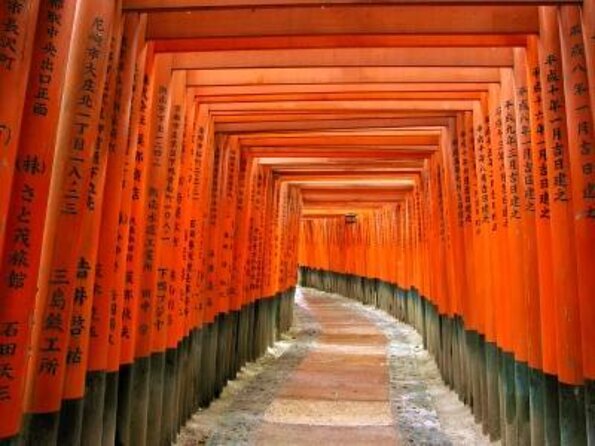
- A different Fushimi angle focused on history moments and local districts, not just the big shrine photo spot
- Sake museum included, with access to the Gekkeikan Ōkura Sake Museum experience
- Food built into the route, including one taiyaki and up to two sweets at the cafe
- Smaller group size with a maximum of 10 people, which keeps the pacing comfortable
- Easy-to-find meeting point at the Fox statue entrance to Fushimi Inari Taisha
- Strong guide support, including help with shopping and translating when you need it
Why Fushimi Inari Gets a Back Seat on This Tour
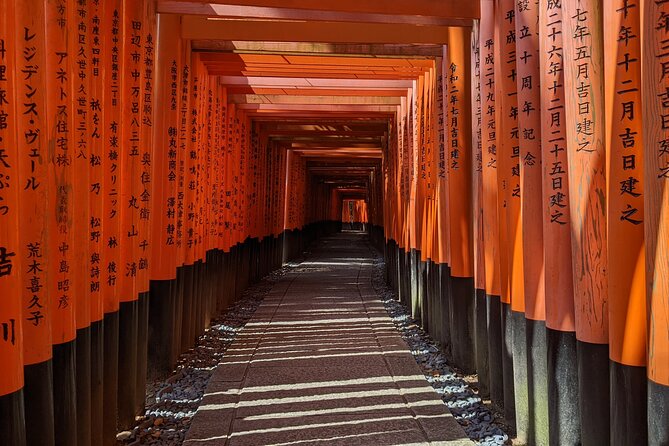
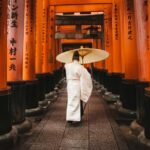
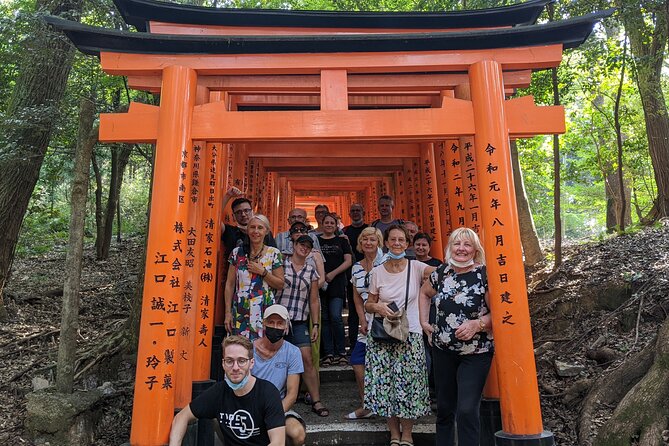
If you only connect Fushimi with the thousand gates, you’ll still see those roots—but this tour deliberately nudges you past the obvious sweep. You start at Fushimi Inari-taisha Shrine, yes, but the goal is understanding the spirit of Inari and spotting quieter corners people often skip.
I like that the emphasis stays on why things exist, not just where they are. The district becomes a living timeline: shrine beliefs first, then sake culture, then the street-level world around Teradaya and Ryoma. Even if you’re not a “history person,” the route stays readable because each stop points to a tangible detail you can taste, see, or stand in front of.
One extra plus: this area has the feel of Kyoto that’s close to the station but still local. You’re not spending half your day commuting across town, and the pacing helps you feel like you’re moving through a neighborhood, not racing between landmarks.
You can also read our reviews of more tours and experiences in Kyoto.
Price and What You’re Really Paying For ($78.04)
At $78.04 per person for about 5 hours, this tour isn’t trying to be the cheapest option in Kyoto. The value is that it bundles guided time with a few paid entries and actual food.
Here’s what that means in practice:
- You get full guiding throughout the experience, which is the part that turns random sights into a coherent story.
- The Gekkeikan Ōkura Sake Museum entry is included, so you’re not paying extra on the day.
- Teradaya Historic Site entry is included, which helps keep the tour from feeling like a museum pass taped onto a walk.
- You also get one taiyaki plus up to two sweets at the cafe. It’s not a full lunch, but the route includes planned snacks so you’re not just watching other people eat.
Lunch is not included, and coffee or tea isn’t included either. That can be a dealbreaker for some people. If you’re the type who wants everything covered, you’ll need to budget for a meal stop. The upside is that the guide can help you eat nearby on the Ryoma shopping street without wasting your time hunting.
Getting There: Fox Statue Start, Short Window, Small Group
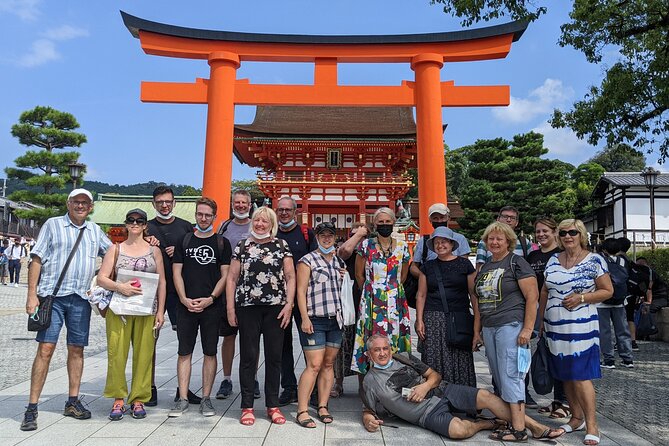
You’ll meet at the Fox statue at the entrance to Fushimi Inari Taisha Shrine (in the Fukakusa Inarionmaechō area, near Inari Station). The tour starts at 9:30 am and ends back at the meeting point.
This matters because morning tours reduce the pressure of finding your group in the middle of shrine crowds. Also, starting at the shrine entrance keeps the route simple to follow: you’re already in the right zone before the guide pulls you into the broader Fushimi story.
Another practical detail I appreciate: the group max is 10 people. Smaller groups mean less waiting at entrances and more time for the guide to help with questions, translations, and shopping choices. The tour uses a mobile ticket, which makes last-minute check-in less annoying.
Stop 1: Fushimi Inari-taisha Shrine Beyond the Big Gate Photos
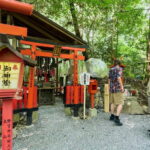
Yes, you’ll visit Fushimi Inari-taisha Shrine—this is the starting anchor. You’ll spend about an hour there, and the focus isn’t just walking through the famous areas. You learn about the origin of Inari’s spirit and you’ll be guided toward a few spots that many people don’t know to look for.
Why I think this works: the shrine is huge, and doing it alone can turn into a guessing game—where to go, what matters, what’s just scenery. A guide helps you connect symbols and meaning without slowing you down too much.
What to watch for:
- Wear shoes you can walk in for a full morning.
- If you love quiet corners, this format gives you a better chance of finding them early.
- If you’re already very shrine-savvy, you may want to use that extra attention on the origin story and the less-known viewpoints, not just the photo stops.
Stop 2: Gekkeikan Ōkura Sake Museum and the Export Story
One of the strongest reasons to book is that the tour includes the Gekkeikan Ōkura Sake Museum for about an hour. This isn’t just a place to look at jars. The museum experience is tied to the idea that Japanese alcohol culture spread beyond Japan—specifically through Gekkeikan’s early role as the first distillery to export Japanese alcohol overseas.
That’s a big theme because it explains how a local craft becomes international culture. It also gives you a clearer lens when you later see sake branding in shops. Instead of thinking it’s just packaging, you start connecting it to history and trade.
This stop also pairs well with the food portions of the day. When a tour plans taste alongside context, your brain gets two anchors: one for meaning, one for flavor.

Fushimi Canal Walk and the Battlefield Trace (Short, Focused, Worth It)
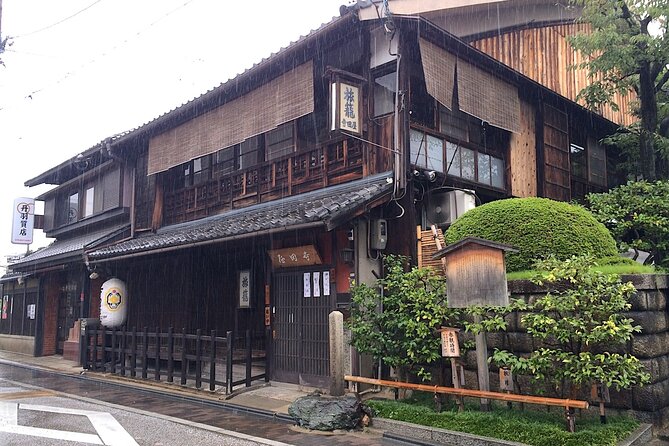
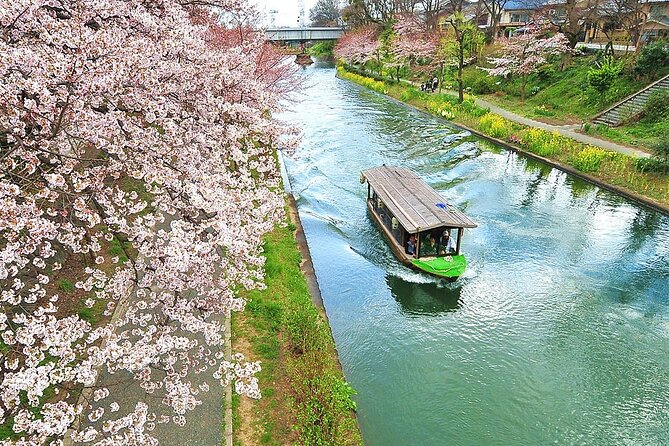
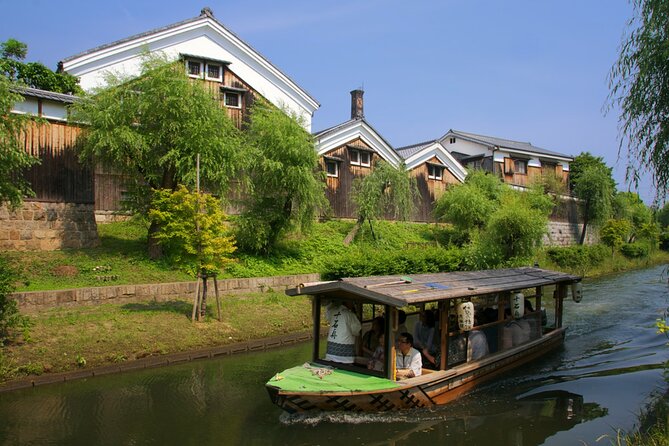
After the museum, you head outdoors for a 30-minute walk along the Fushimi canal. The route is designed for a breather: traditional Kyoto textures, fresh air, and seasonal moments like cherry blossoms when they’re in bloom.
Then you get a brief stop at the Battle of Fushimiguchi Battlefield trace, lasting around 15 minutes. Even in a short time window, this is where the tour makes its “history over headline attractions” promise real. You’ll hear the story of a battle that led to the beginning of the Meiji restoration.
The practical benefit here is pacing. You’re not stuck in museums for the whole morning. You walk, you watch, you hear stories tied to place. And because these are brief segments, you keep momentum without burning out.
Stop 5: Teradaya Historic Site and Sakamoto Ryoma’s Escape
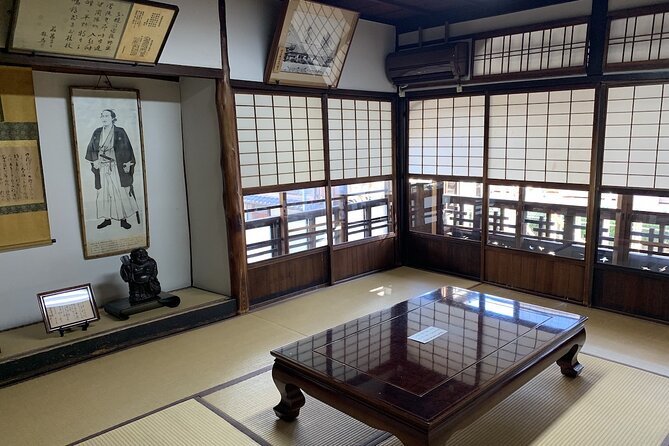
Teradaya Historic Site is included, and it’s one of those places that feels like a real turning point rather than a plaque on a wall. You’ll spend about 30 minutes here learning about Sakamoto Ryoma, a key historical figure, and the tense moment when he faced an assassination attempt connected with the Shinsengumi.
I like this kind of stop because it makes history feel human. It’s not just dates—it’s motive, danger, and narrow escape. Even if you don’t know Ryoma’s story before the tour, the guide’s framing helps you understand why this matters to Japan’s larger transformation.
If you’re the type who enjoys historical drama, this is your payoff. If you’re not, you still get value because it shows how different power struggles shaped what came next.
Ryoma Shopping Street: Food, Shopping, and a More Local Kyoto
After Teradaya, you transition into the Ryoma shopping street for about 1 hour 10 minutes. The tour frames it as the equivalent of Nishiki Market in terms of energy for food and browsing—but without losing its traditional vibe.
This is where the practical value of having a guide shows up fast. The guide doesn’t just point. They help with shopping and translating assistance, which can matter a lot in smaller shops where English signage isn’t the default.
Lunch is not included, but you’re encouraged to eat on this street with the guide’s help. For you, that means less time guessing what to order and more time turning lunch into part of the story. The downside is you’ll still need to pay for your own meal and any coffee or tea you choose—those aren’t included.
My suggestion: plan to arrive hungry but not starving. The earlier taiyaki and museum time mean you won’t be starting from zero, and the sweets later can also be filling.
Fushimi Sweets Moment: Taiyaki and Snacks at Fushimi-gasu Kurā
The tour includes one taiyaki for each person, plus snacks: up to two sweets at the cafe.
You end with a stop at 伏水菓蔵 本店 (Fushimi-gasu Kurā, main shop) for about 30 minutes. This is the calmer, reward-like part of the route. The idea is to settle in after walking and story stops, taste something traditional, and give yourself a breather before heading back.
You might find this segment is the best time to slow down and ask your guide questions. If you’re trying to decide what to buy as a souvenir, this is also a sensible moment because you’re already in the right place, and you have translation support on tap.
Also, coffee is mentioned as a possible need for the right mood, but it isn’t included. If caffeine matters to you, treat it as your own choice, not a surprise charge.
Language and Guide Style: English Baseline, French by Request
This tour is shared, and language flexibility is part of the deal. They explain that French can’t be guaranteed for every shared date because multiple nationalities join the group, with English prioritized. Still, the guides speak at least English and Japanese, and French can be added if needed.
If you want French specifically, the smart move is contacting ahead to confirm availability for your date. That’s the best way to protect your expectations.
From the guide perspective, the tone seems thoughtful and practical. One guide name that comes up is Remi, and the praise was tied to both the tour itself and extra help with navigation for rail plans. That kind of “day-saver” support matters because Kyoto is easiest when you stop fighting trains.
What Makes This Tour Feel Worth It (Even If You’re Not a Sake Expert)
You don’t need to already love sake. The tour teaches you how to see sake culture as part of regional history and business. The museum context plus the guided route does the heavy lifting.
At the same time, it’s not only sake and museums. You get:
- a shrine visit with meaning, not just wandering
- an outdoor canal break
- a battlefield story tied to Japan’s political turning point
- Teradaya with Sakamoto Ryoma and the Shinsengumi
- shopping street time for food and browsing
- sweets to close
That balance is why this works for more than one type of traveler. If you want food, you get planned bites. If you want history, you get focused narratives. If you want photos, you still get places to stop—but the tour tries to keep you from wasting time on random angles.
Who Should Book This Kyoto Fushimi Tour
This is a great fit if you:
- want a smaller-group experience in Kyoto
- care about food and want it tied to context
- prefer guided history that stays connected to real places
- like the idea of Fushimi being close to Kyoto Station but less international-crowded than the headline spots
It might be less ideal if you:
- want a fully scheduled day with lunch and drinks included
- need guaranteed French on the spot for every shared departure
- don’t like walking segments that include shrine areas and shopping streets
If you’re traveling solo, it may still work, but there’s a minimum traveler rule. If the tour doesn’t meet the minimum, you’ll be notified and offered a different date or a full refund.
Should You Book? My Take
If you want Kyoto that feels less like a checklist and more like a neighborhood story, this tour is a strong pick. The price is fair for the number of guided hours, included entries, and the planned snacks. The day also makes good use of time: you start early, stay in one zone, and finish back at the start without complicated end-of-day logistics.
My call: book it if you’re curious about how Fushimi connects belief, sake culture, and historical events around Ryoma. Skip it only if you’re looking for an all-in-one food day with lunch covered and a guaranteed language setup.
FAQ
How long is the Kyoto Fushimi food and history tour?
It runs for about 5 hours.
What is the meeting point and start time?
You meet at the Fox statue at the entrance to Fushimi Inari Taisha Shrine, and the tour starts at 9:30 am.
Where does the tour end?
It ends back at the same meeting point.
Is lunch included in the price?
No. Lunch is not included, though the guide can help you eat at the Ryoma shopping street.
What’s included for food and tickets?
You get a guided experience, one taiyaki per person, entrance to the Gekkeikan Ōkura Sake Museum, entrance to Teradaya Historic Site, and snacks of up to two sweets per person at the cafe.
Do I need to pay admission fees at the stops?
Admission is free for Fushimi Inari-taisha Shrine, the canal, the battlefield trace, and the shopping street stops. Paid entries included in the tour are the sake museum and Teradaya Historic Site.
Is there a coffee or tea included?
Coffee and/or tea drinks are not included.
What language options are available, especially for French?
French is not guaranteed on shared tours. English is prioritized, and guides speak at least English and Japanese. French may be used if needed, and you should contact ahead to confirm availability for your date.
How big is the group?
The tour has a maximum of 10 travelers.
What is the cancellation policy?
You can cancel up to 24 hours in advance for a full refund.
What if I book as a single traveler?
Single travelers can book, but there’s a 2 guests minimum rule. If the minimum isn’t met, the tour may be canceled and you’ll be offered a different date/experience or a full refund.