REVIEW · ROTORUA
Rotorua Canopy Tours: 2.5Hour Native Forest Zipline Adventure
Book on Viator →Operated by Rotorua Canopy Tours · Bookable on Viator
Fly through the treetops of Rotorua’s native bush.
This 2.5-hour Rotorua Canopy Tours experience takes you high above the forest canopy on ziplines and bridges, with guides pointing out birds, plants, and how the operator works to protect the ecosystem below.
I love that it’s a small-group adventure, max 10 people, so you actually get answers as you go. Free digital photos are another big win here, because you’ll be in motion up in the trees and you won’t need to risk your phone or camera gear.
One possible drawback: it’s not for everyone. The tour requires light fitness (some stairs and short walks), closed-toe shoes, and it is not suitable for pregnant travelers; there’s also a minimum age of 6 and a maximum weight of 265 lbs (120kg).
In This Review
- Quick hits before you zip
- Getting to Fairy Springs: timing, pickup, and what “2.5 hours” really means
- Why this matters for your day
- Suited up and strapped in: safety briefing without the drama
- A practical note if you’re anxious
- The forest walk-in: short stairs, ecosystem lessons, and first views
- Why the briefing-and-walk order helps
- The zipline circuit: canopy views, bridges, and the number of runs
- What you’ll likely feel on the cables
- More than thrills: learning about native forest restoration
- Why I think this conservation angle is worth your money
- Photos and wet weather gear: two smart inclusions
- What to wear so you don’t get miserable
- Price and value: what $123.49 buys you in real terms
- Who this price tends to fit best
- Who should book this canopy zipline adventure in Rotorua
- When you might skip
- Should you book Rotorua Canopy Tours?
- FAQ
- How long is the zipline tour?
- What are the age and weight limits?
- Do I need to bring wet-weather clothing?
- Will I get safety equipment and a briefing?
- Is it okay if I have a fear of heights or I’m a beginner?
- What happens if the weather is bad?
Quick hits before you zip
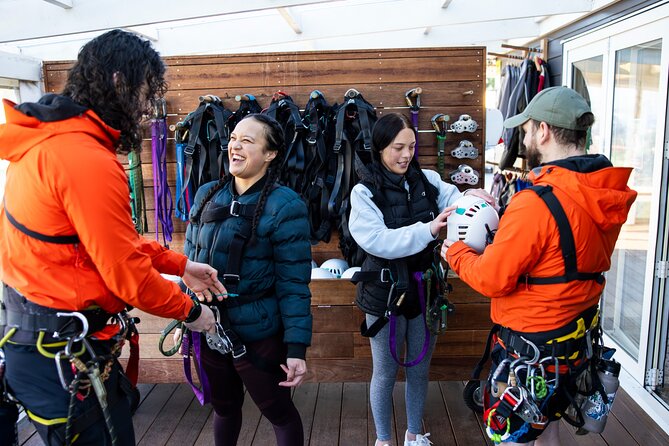
- Small group (up to 10) means more hands-on help and more chances to ask questions
- 1000-year-old native forest canopy views from a series of ziplines and high bridges
- Safety gear plus a briefing before you launch
- Free digital photos and wet-weather gear if conditions call for it
- Conservation contribution tied to native forest restoration
Getting to Fairy Springs: timing, pickup, and what “2.5 hours” really means
Rotorua Canopy Tours runs multiple departure times from morning until early evening, so you can usually fit it around your Rotorua plans. It’s about 2 hours 30 minutes in total, but think of that as a full block: gear up, briefings, the forest circuit, then time to get back.
You’ll make your own way to the main meeting point at Rotorua Canopy Tours, 147 Fairy Springs Road, Fairy Springs, Rotorua 3015. The good news: if you’re staying in central Rotorua, hotel pickup is available on request, and the site is near public transportation.
Once you arrive, you’ll transfer from the Rotorua Canopy Tours HQ to the forest. After the adventure, you return to the same meeting point. That “out-and-back” structure is helpful in Rotorua, because it keeps the logistics simple when your day is already busy.
Why this matters for your day
If you’re trying to do this alongside geothermal parks, a Maori cultural show, or one of the Rotorua thermal areas, you’ll appreciate the steady start/finish rhythm. Multiple departure times also make it easier to dodge heavy rain or fog when Rotorua weather does its quick mood swings.
Suited up and strapped in: safety briefing without the drama
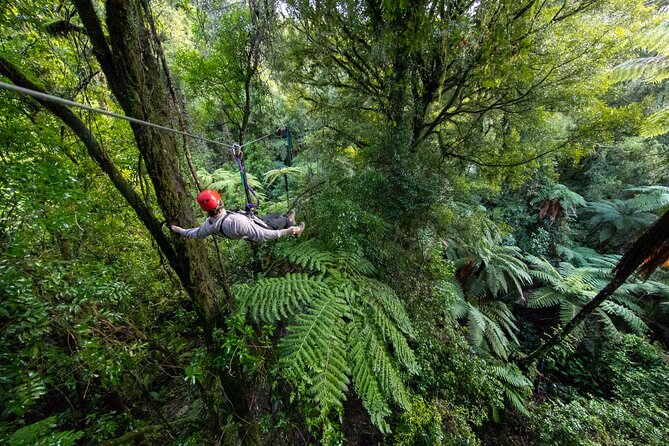
This is an active tour, so the first thing you feel is how serious the setup is. You’ll be equipped with the safety basics—harness and helmet (and other safety gear)—and you’ll get a briefing before anything starts. Then you follow two local guides through the forest.
What stands out in the experience you’re aiming for is the guide style. In the past groups, guides such as Josh and Dylan, Travis and Emma, Vincent and Mason, and Danny, Lachie, and Matthew are repeatedly described as funny, patient, and very reassuring—especially for first-timers or people who get nervous about heights.
You should expect you’ll learn the key movements and how the zipline process works before your first launch. And because the group cap is 10 travelers, the guides can pace the experience so fewer people feel rushed.
A practical note if you’re anxious
If you’re worried about stepping off platforms or getting started, this tour format is worth your attention. Reviews frequently highlight how guides help people ease into the activity, and the pacing is part of that comfort. (Still, go in honestly: this is flying through a forest on a cable, so you’ll want to feel ready.)
The forest walk-in: short stairs, ecosystem lessons, and first views
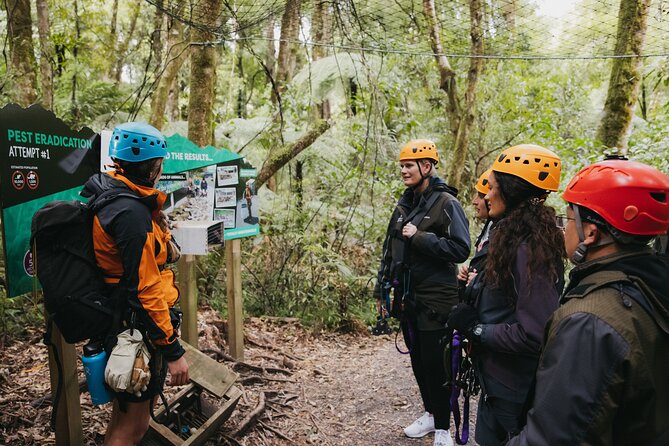
Before zipping, you’ll walk into the forest area, get your gear dialed in, and start learning. The tour includes short walks and some stairs, so wear closed-toe shoes that grip well. Some people also note a small walk section, often described as only 5–10 minutes, before the main action begins.
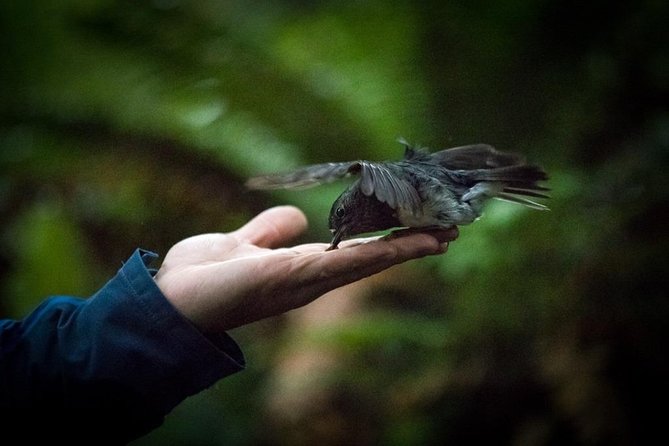
Once you’re in, you’ll hear about the forest around you from the guides. That includes birdlife and the local ecosystem, plus how the operator is taking steps to care for the forest. You’re not just being guided from platform to platform—you’re being taught what you’re looking at, and you’ll get chances to ask questions.
Why the briefing-and-walk order helps
This sequence matters because it turns the forest from scenery into a living classroom. When you understand what birds you might spot and why certain plants matter, your zipline views feel less like a thrill ride and more like a window into an actual place.
The zipline circuit: canopy views, bridges, and the number of runs
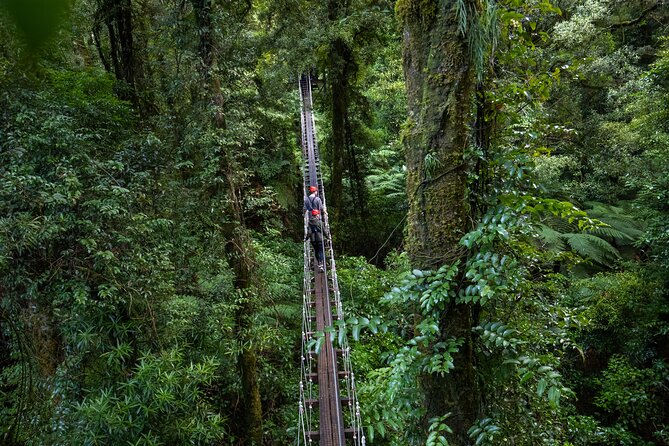
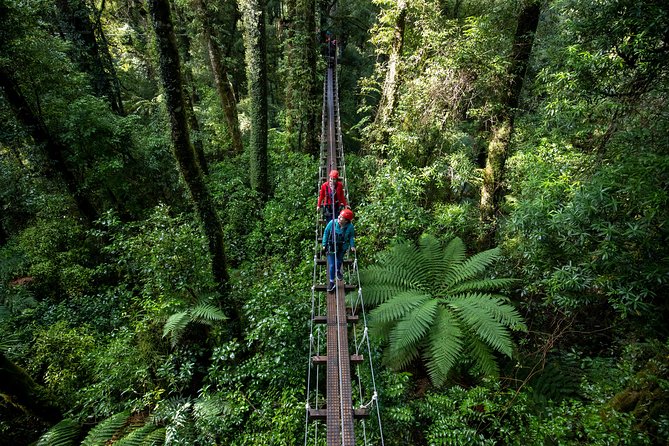
The main event is flying through the canopy on a series of ziplines and high bridges. Expect a mix of moments: quick bursts for adrenaline, plus longer glides where you can look out across the trees and feel the scale of the forest.
The exact run count isn’t listed in the tour basics you’re given, but one detail that shows up in the reviews is that the circuit often includes six ziplines total, including a really long run and another launched from a high point in the trees. Regardless of the exact number for your specific time slot, the structure is consistent: multiple launches connected by platforms and bridge segments.
You’ll get a bird’s-eye view of native forest that’s described as centuries old, including references to a 1000-year-old canopy in the tour description. When you’re up there, Rotorua’s lush greenery turns into something more specific: layers of forest, gaps where birds might move, and the sense that you’re traveling through a real ecosystem rather than a theme-park set.
What you’ll likely feel on the cables
People tend to describe it as a blend of exciting and peaceful. That tracks with the way canopy ziplines work: you’re moving fast enough to feel the thrill, but your speed and suspension are steady enough to take in details. If you’re not chasing a white-knuckle ride, you’ll likely enjoy this more than you expect.
More than thrills: learning about native forest restoration
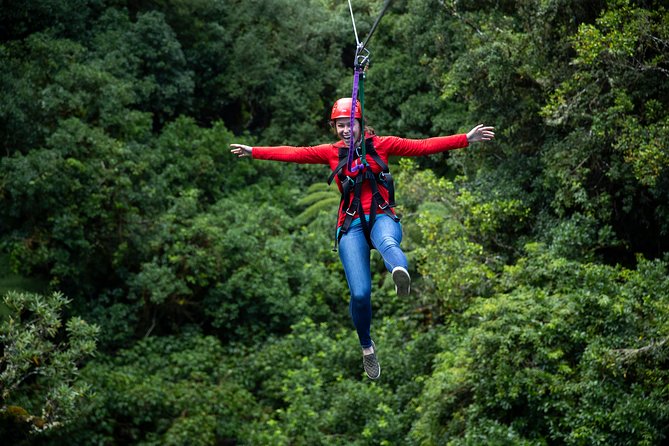
Rotorua is famous for geothermal activity, but this tour gives you a different angle on the region: how the native forest is being protected and restored. The tour description notes a contribution to native forest restoration, and the guides also explain steps being taken to care for the forest.
You’ll hear about the ecosystem from your guides from above and get a sense of how native habitats connect. Reviews also specifically call out learning about the way invasive mammals are handled, which makes the conservation component feel grounded—not just a poster on the wall.
Why I think this conservation angle is worth your money
A zipline can be a fun hour. What makes this one feel better value is that your guides tie the adventure to real work happening in the bush. You’re paying for time, safety, and guiding, but you’re also walking away with an understanding of why native forest restoration matters in Rotorua.
Photos and wet weather gear: two smart inclusions
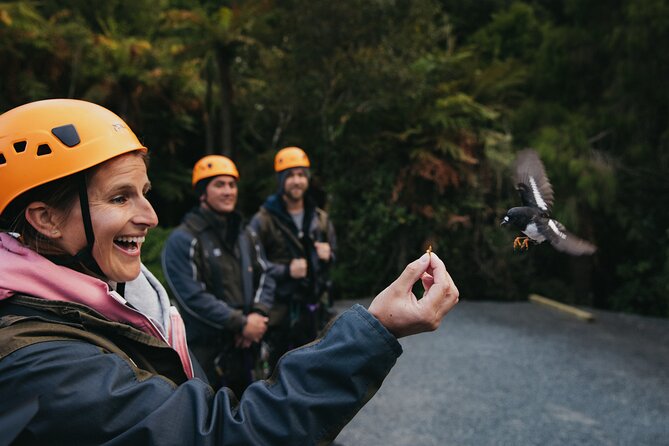
Two inclusions show up as especially practical.
First, you get free digital photos. That’s a big deal on canopy tours because it’s easy to arrive with the best intentions—then spend the day trying to keep a phone safe while strapped into gear. Here, the photo process is handled, so you can focus on flying and not on equipment anxiety.
Second, the tour includes wet-weather gear if needed, and the operator says it runs in most weather. That means if Rotorua decides to drizzle, you’re not automatically stuck watching the day evaporate.
What to wear so you don’t get miserable
Dress in layers, because forest temperatures and rain conditions can shift. Wear closed-toe shoes with grip, and be ready for damp conditions even if the morning starts nice.
If you’re thinking of bringing your own jacket, consider a packable rain layer. The provided gear helps, but your comfort matters once you’re standing around between runs.
Price and value: what $123.49 buys you in real terms
The listed price is $123.49 per person. That number can feel high at first glance—ziplining always does, because you’re paying for guides, equipment, and access to a protected natural site.
Here’s where the value argument gets stronger: the experience includes safety equipment (harness, helmet, etc.), expert local guides, free digital photos, wet-weather gear if needed, and transportation from the HQ to the forest. There’s also a restoration contribution built in.
So you’re not paying just for the ziplines. You’re paying for the full support system that makes it safe and smooth, plus the conservation framing that turns the activity into something more than a quick adrenaline hit.
Who this price tends to fit best
- First-timers who want an organized intro with reassurance
- Families who want a guided, structured activity in a small group
- People who care about the environment and want the story behind the forest
Who should book this canopy zipline adventure in Rotorua
This tour is designed as a family-friendly adventure, and most people can participate, but there are clear limits you should respect.
You’ll need:
- Minimum age: 6 years
- Maximum weight: 265 lbs (120kg)
- Light fitness (short walks, some stairs)
- Closed-toe shoes
- It is not suitable for pregnant travelers
If you’re nervous about heights, the repeated theme in reviews is that guides are supportive and help people feel safe before launches. That doesn’t remove the fact that you’re still ziplining, but it suggests the team works well with beginners and anxious riders.
When you might skip
Skip it if you don’t meet the weight/age requirements, if stairs and short walks are a problem, or if you’re pregnant. Also, if you strongly dislike damp weather and you’d rather avoid layers and gear, you might be happier choosing a different Rotorua activity for that day.
Should you book Rotorua Canopy Tours?
I’d book this if you want a guided Rotorua adventure that mixes real native forest canopy views with safety-first support, and you like the idea that your money helps with restoration. The small group size, the guide Q&A vibe, and the free digital photos make it feel like you’re getting more than just time on cables.
I’d think twice if you’re looking for something purely low-effort, or if you’re not comfortable with stairs, short walks, and the reality of flying through trees even with reassuring guides.
If your goal is a memorable outdoor activity that feels authentic to the Rotorua environment, this is one of the more solid “do it once” adventures you can add to your itinerary.
FAQ
How long is the zipline tour?
The tour lasts about 2 hours 30 minutes.
What are the age and weight limits?
The minimum age is 6 years, and the maximum weight is 265 lbs (120kg).
Do I need to bring wet-weather clothing?
You may be provided wet-weather gear if needed, and the tour operates in most weather. You should still dress in layers.
Will I get safety equipment and a briefing?
Yes. You’ll receive all safety equipment such as a harness and helmet, plus a safety briefing before you start.
Is it okay if I have a fear of heights or I’m a beginner?
It’s described as a good intro by many first-timers, and guides are praised for reassurance. You should still expect it involves ziplines and height exposure.
What happens if the weather is bad?
The tour requires good weather, so if it’s canceled due to poor weather, you’ll be offered a different date or a full refund.