REVIEW · SAN ANTONIO
San Antonio: UNESCO World Heritage Missions Tour
Book on GetYourGuide →Operated by Gray Line of San Antonio & Austin · Bookable on GetYourGuide
Four missions, one story that still works. This UNESCO World Heritage tour strings together San Antonio’s Spanish mission legacy across the river, from architecture you can read with your eyes to irrigation that still feeds the landscape. I especially love the chance to step into the oldest sites like Mission San José and to see how the Espada Aqueduct and Acequia system keeps doing its job. One possible drawback: food and drinks are not included, so you’ll want to plan for heat and keep water handy.
What makes this tour feel worth the money is the structure: pickup from downtown hotels, guided time at each mission, and enough freedom to look around without feeling rushed. You also get context the moment you start riding, plus stops that highlight specific details like original frescoes at Concepción and the Rose Window baroque look. Most of all, the guides (names you’ll often hear praised are Domingo and Alex) do a solid job of explaining what you’re seeing and then giving you space to explore.
In This Review
- Key Highlights at a Glance
- How This Half-Day Feels in Real Life (210 Minutes)
- Getting Oriented Fast: Pickup, Bus Narration, and Visitor Center Time
- Mission San José: Old Walls, Big Atmosphere, the Rose Window Moment
- Mission Concepción: Frescoes and the Shock of How Well They Held Up
- Mission San Juan: More Story, More Texture, Less Rush
- Mission San Francisco de Espada: Silhouettes, Details, and the Irrigation Lead-In
- The Film Stop: Gente de Razon as a Time-Saver for Understanding
- Espada Acequia and Aqueduct: When History Is Still Practical
- Mission Riverwalk Hike and Bike Trail: Birds, Wildlife, and a Bit of Outside Air
- What You’ll Actually Like Most (Based on What Sticks With People)
- Price and Value for $65
- Who This Tour Suits Best
- Should You Book This UNESCO Missions Tour?
- FAQ
- How long is the tour?
- What missions will we visit?
- Is food and drinks included?
- Does the tour include pickup from downtown hotels?
- What language is the tour in?
- Is there free cancellation?
Key Highlights at a Glance
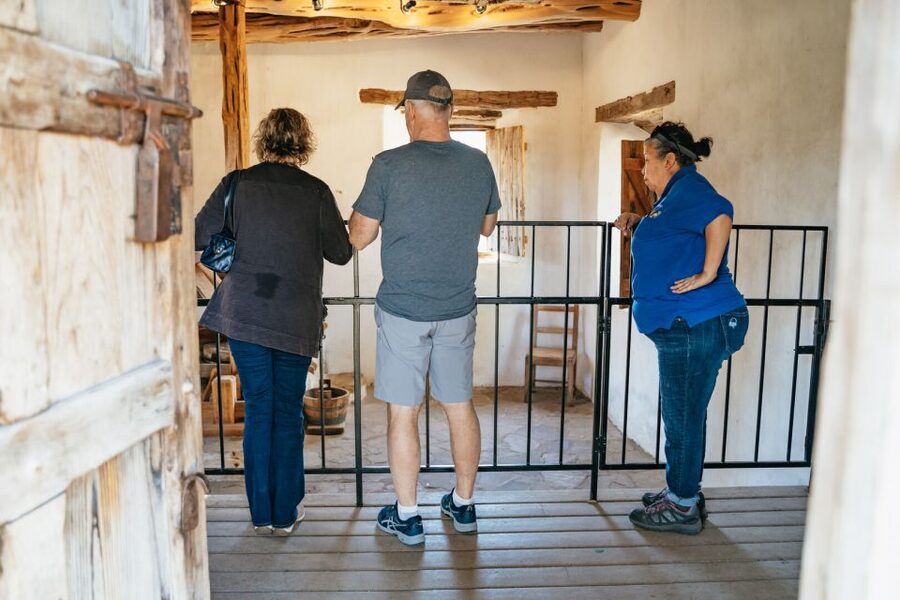
- Four Mission San Antonio stops with guided time at Mission San José, Mission Concepción, Mission San Juan, and Mission Espada
- Spanish and Moorish-influenced silhouettes that make the missions look different as the light changes
- Rose Window and baroque architectural details that are easy to appreciate when you know what to look for
- Mission Concepción frescoes shown up close, before you move on
- Espada Acequia irrigation system with its dam and aqueduct still in use
How This Half-Day Feels in Real Life (210 Minutes)
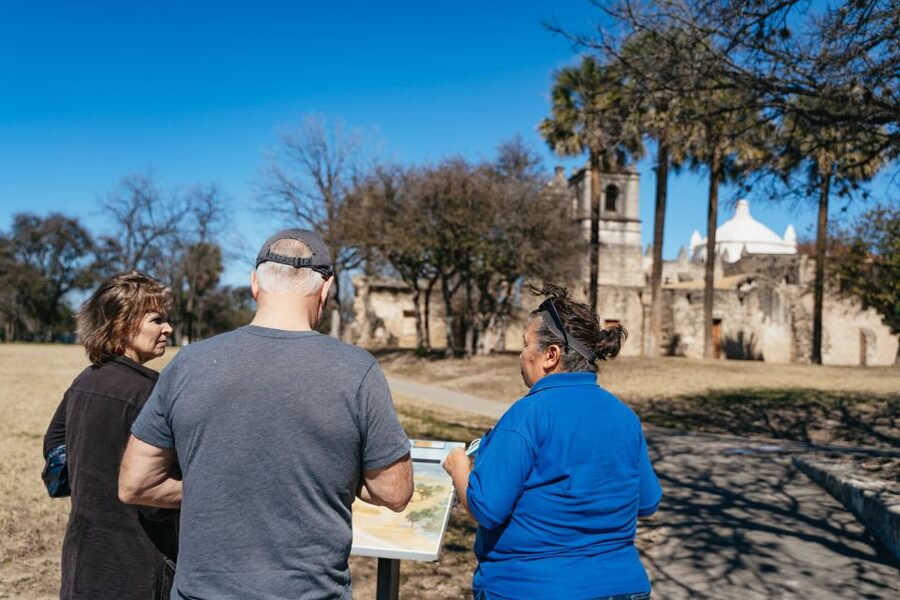
San Antonio missions tours can go one of two ways: either you get a fast photo sprint, or you get a slow lecture. This one tries to hit the middle. With a duration of 210 minutes, you’re getting a true half-day experience that’s long enough to see four major sites, but short enough to fit into a busy itinerary.
The pace also matters because some of the best moments are quiet ones: watching how the mission walls catch the South Texas sky, noticing how architectural features line up, and spotting birds along the route near the Mission Riverwalk Hike and Bike Trail. You’re not just passing by buildings; you’re guided to look at specific things, then given time to roam inside the mission grounds and at the spots you’re most curious about.
Pickup and timing are part of the experience too. The tour includes hotel pickup and drop-off at downtown area hotels, with pickup happening about 30 minutes before departure. If you want your start to feel smooth, contact Gray Line Tours 24 to 48 hours ahead to confirm your booking and pickup location.
You can also read our reviews of more historical tours in San Antonio

Getting Oriented Fast: Pickup, Bus Narration, and Visitor Center Time
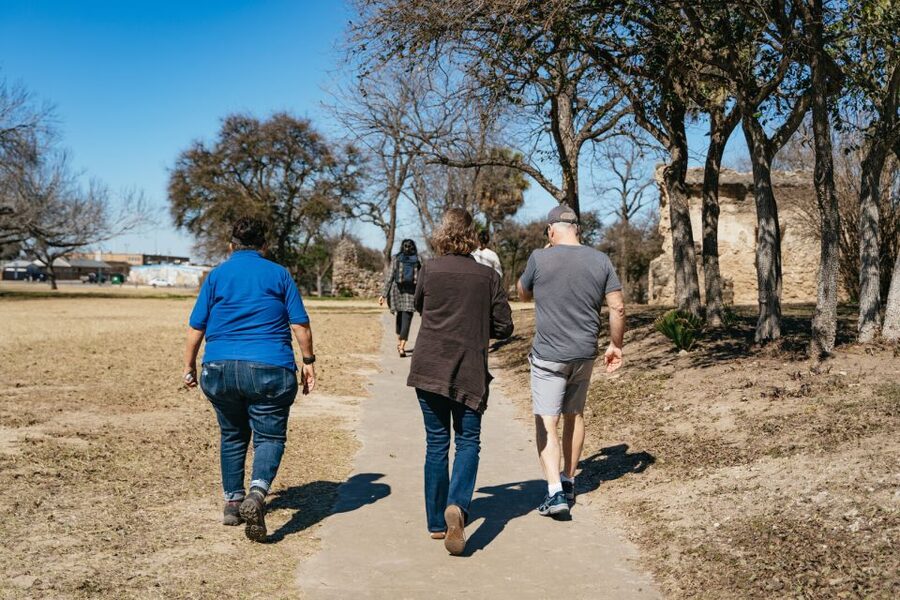
A good mission tour doesn’t start at the first door. It starts in the van. On this tour, you’ll hear both live and recorded narration as you travel between sites. That’s a big deal because the missions can look similar at a glance. With the context explained up front, you can sort out what’s earlier, what’s later, and why each place matters to the story of San Antonio.
You’ll also make time for a break at the San Antonio Missions National Historical Park Visitor Center, including a chance to watch the award-winning film Gente de Razon. This is the kind of stop that helps your brain connect the dots. After you’ve seen walls, arches, and details, the film gives you a clearer picture of mission life and what changed over time.
And you’re not stuck in every stop. The tour is built around guided introductions, then time to explore yourself. That balance is the main reason so many people say it feels well-paced.
Mission San José: Old Walls, Big Atmosphere, the Rose Window Moment
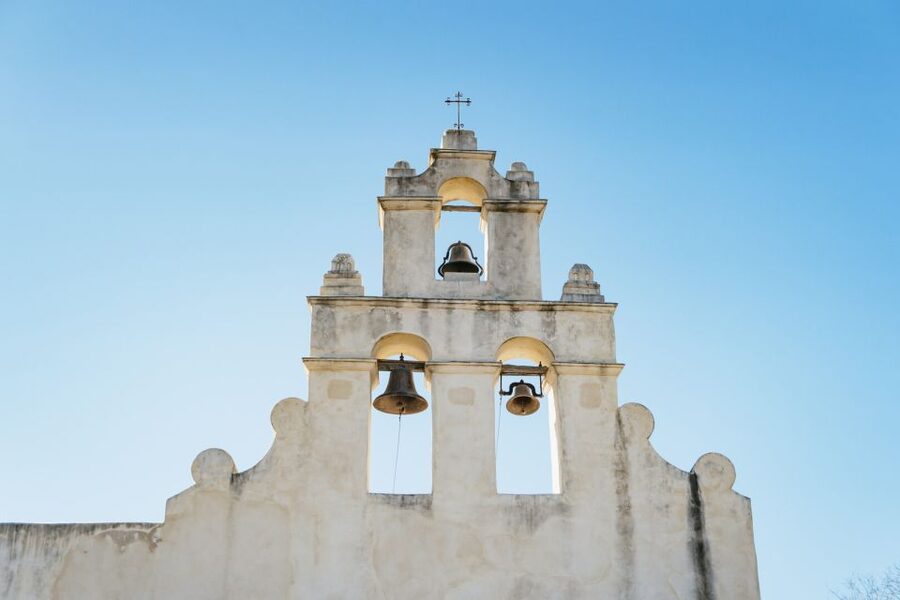
Mission San José is one of those places where your eyes naturally start scanning. The buildings have that layered look: weathered stone, Spanish-era construction, and ornate architectural features that feel more dramatic in person than in photos.
This is also where the tour’s architecture talk becomes useful. You’ll get guided time to appreciate the Rose Window and to understand how the mission silhouette works against the sky. The Rose Window itself is the kind of detail that rewards a few extra minutes. If you only glance at it from a distance, you miss why it grabs attention. With a guide pointing out what you’re seeing, you can spend time noticing shape, texture, and placement.
Mission San José is also where you can feel the scale of the mission complex. Even if you don’t feel like a history nerd, the site layout makes sense once you know what roles different structures played. Then, you’ll likely want to slow down and just walk, because the light and shadows change the look of the arches and facades.
Mission Concepción: Frescoes and the Shock of How Well They Held Up
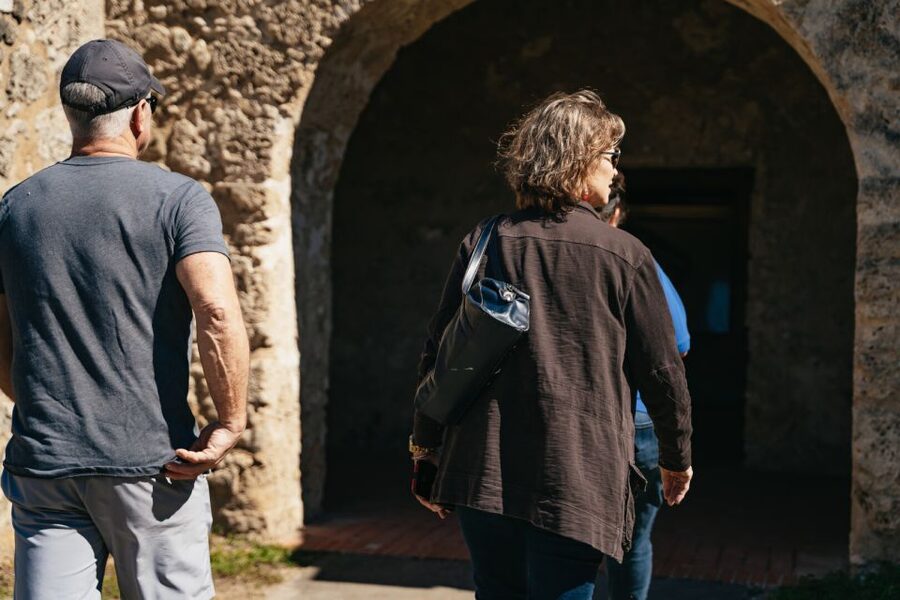
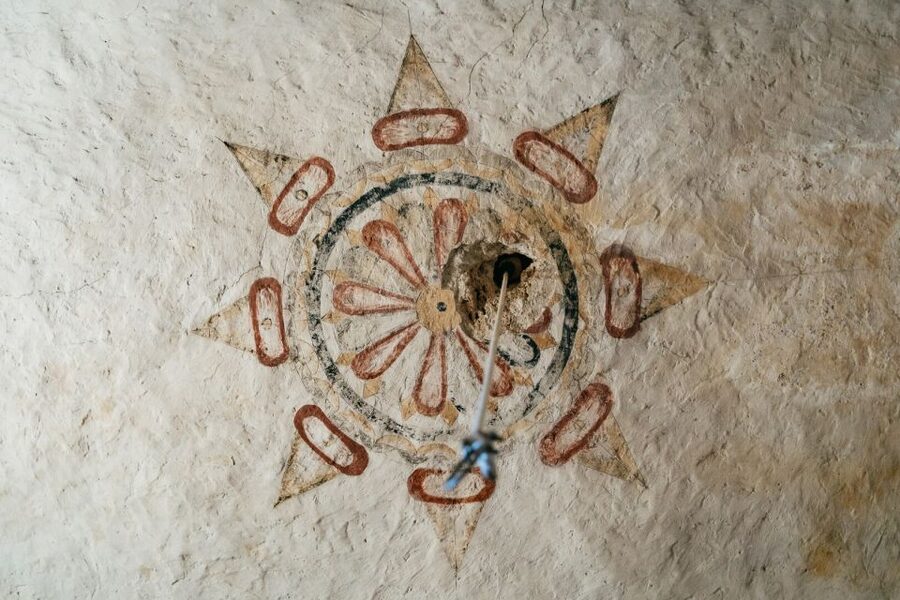
Mission Concepción is the stop for people who love art on old surfaces. The standout here is the focus on original frescoes. You’ll view them in the context of the mission story, which is what turns a pretty interior into something memorable.
The reason this place hits is simple: frescoes are fragile by nature, and you’re seeing them after centuries. When you learn what was painted, how it was preserved, and what conditions it survived, the experience becomes less about checking a box and more about respecting the care it took over time.
Concepción also helps you compare how the missions share a common Spanish-influenced identity while still showing their own personality. You’ll see those mission silhouettes again—Spanish and Moorish-influenced architecture show up in the shapes and details, even when you’re not thinking about it actively. On a guided tour, you get the vocabulary to notice these design choices without turning your brain into a textbook.
Mission San Juan: More Story, More Texture, Less Rush
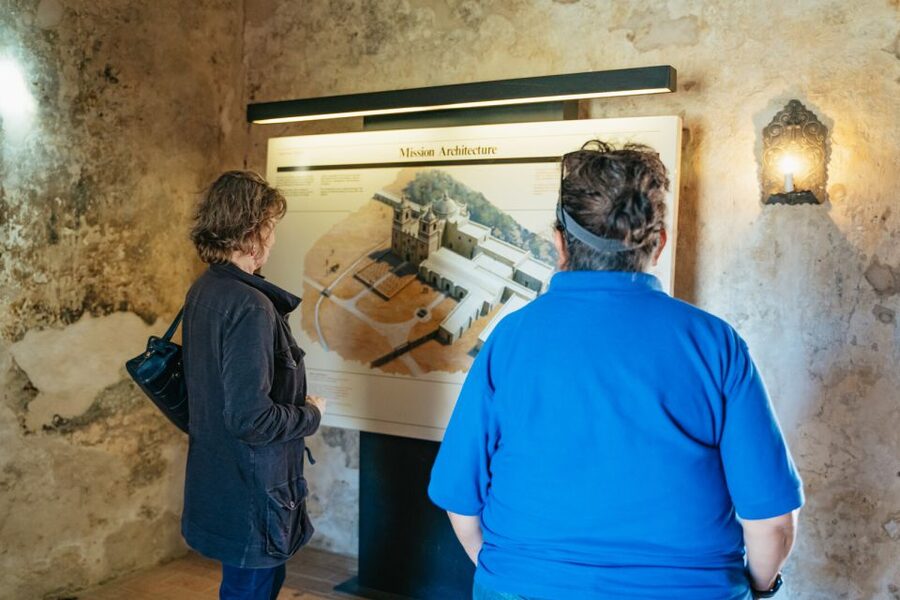
By the time you reach Mission San Juan, the tour’s rhythm matters. You’ve already started understanding what to look for at the earlier stops, so this mission feels less like a first impression and more like a continuation.
Mission San Juan fits well in the route because it helps you see how the missions operated as a connected system rather than four random buildings. You’re given guided time, and you’ll have space to explore at your own pace. This is one of the best features of the tour design: you can spend longer wherever your attention goes, whether it’s the mission grounds, the architecture, or the quiet corners where you can just absorb the place.
If you’re sensitive to walking, this is also where you’ll appreciate that the tour is structured. You’re not wandering alone trying to figure out the best flow. The guide helps you get your bearings, and then you can enjoy the museum-like feeling of moving through a protected historic site.
Mission San Francisco de Espada: Silhouettes, Details, and the Irrigation Lead-In
The Espada mission stop (Mission San Francisco de Espada) ties the tour’s themes together. You see the architecture and then you’re led toward the practical side of the missions: keeping water flowing and land productive.
This portion is where the tour’s design becomes clear. The mission buildings are the visible symbol, but the acequia and aqueduct system is the working engine behind the scenes. Spending time at Espada helps you connect what you saw earlier—Spanish-built form and artistic details—with the logistics of daily life.
You’ll also notice how the mission silhouette changes as you move. The South Texas light makes the outlines feel almost graphic. That’s why the tour’s focus on Spanish and Moorish-influenced architecture works so well here: once you start spotting patterns, the buildings stop being just old. They become legible.
The Film Stop: Gente de Razon as a Time-Saver for Understanding
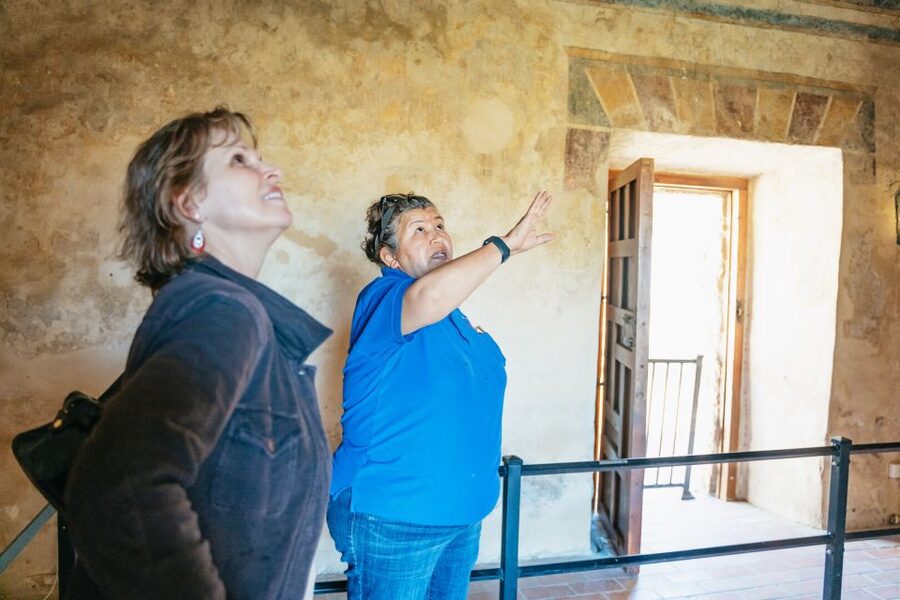
The guided visit to the San Antonio Missions National Historical Park Visitor Center includes the film Gente de Razon. Even if you don’t usually watch films on trips, this one earns its place because it gives you a human timeline that matches what you’re walking through outside.
After the film, your mission visits make more sense. You’re not only seeing structures; you’re seeing the logic behind them—why communities were built, how routines worked, and why the missions were important to the region.
It’s also a good reset. Mission tours can run hot. The film gives you a chance to cool down while learning, so you don’t burn out right before the later stops.
Espada Acequia and Aqueduct: When History Is Still Practical
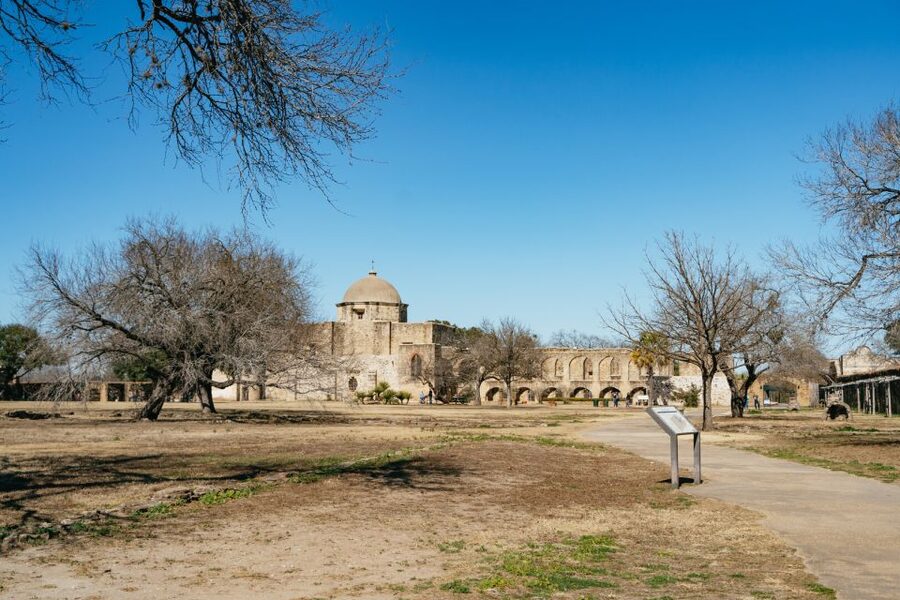
The Espada segment is where the tour becomes more than sightseeing. You’ll visit one of the nation’s oldest and longest-running irrigation systems: the Espada Aqueduct and Acequia. This includes the dam and aqueduct features, and the key point is that they’re still in use today.
For me, that’s the most compelling part of any mission tour: the past isn’t locked behind glass. It’s still doing work. Seeing irrigation infrastructure tied to the mission system helps you understand how the missions depended on careful planning and ongoing maintenance.
You’ll also get a better appreciation for why the missions were built where they were. Water control shaped agriculture, settlements, and everyday survival. Without this stop, you’d miss the practical backbone that made those Spanish missions last.
Mission Riverwalk Hike and Bike Trail: Birds, Wildlife, and a Bit of Outside Air
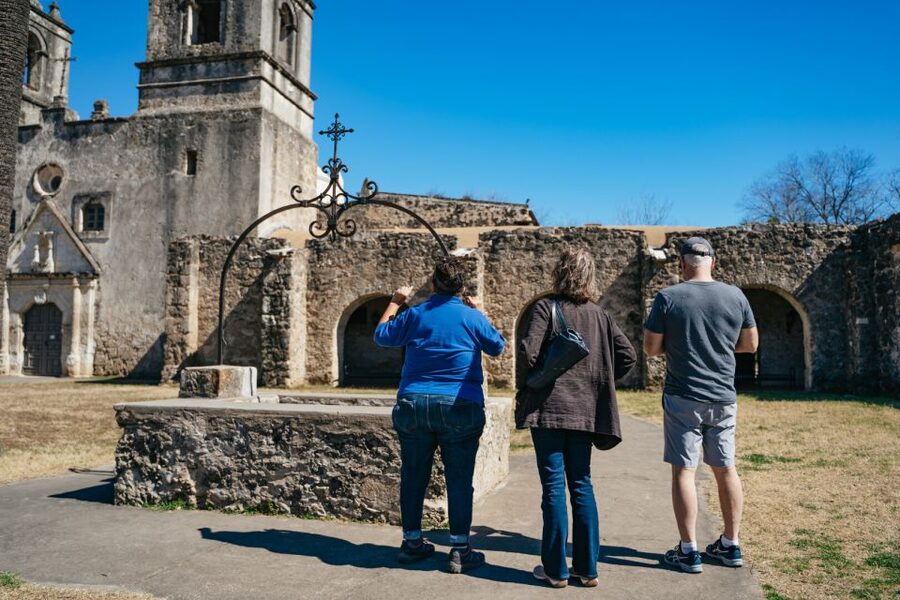
Between mission grounds, you’ll experience part of the Mission Riverwalk Hike and Bike Trail, with time to watch for birds and wildlife. This is not the kind of “hike” that dominates the day, but it adds something important: a sense of place.
The river corridor keeps the tour from feeling like a string of indoor moments. It gives you small breaks to look outward, not only at historic buildings. And if you enjoy simple nature spotting, this stretch can turn into one of those unexpectedly pleasant segments.
What You’ll Actually Like Most (Based on What Sticks With People)
This tour’s reputation rests on a few repeat themes.
First: the guides. People consistently highlight guides like Domingo and Alex for clear communication, prompt arrivals, and smart pacing. The big win isn’t just facts. It’s that the explanations help you decide where to look and how long to stay.
Second: the balance between guided time and self-exploration. You’re guided enough to understand the significance of what you see, but you still get personal time to walk through each mission at your own pace. That’s ideal if you don’t want to feel herded.
Third: the mix of art, architecture, and practical history. You get frescoes, the Rose Window, Spanish and Moorish-influenced silhouettes, then you switch gears to the irrigation system that still runs. That variety keeps the tour from going stale.
Price and Value for $65
At $65 per person for 210 minutes, the value comes from what’s included: hotel pickup and drop-off, guided visits across four missions, narration, and the film Gente de Razon. For a mission itinerary, transportation and interpretation can easily cost extra if you piece it together yourself.
Food and drinks are not included. That’s not a deal-breaker, but it does affect how you plan your day. If you’re going in the heat, bring water and plan a meal timing that won’t leave you hungry halfway through. Some guides may offer bottled water during the visit, but don’t count on it as part of the price.
If you’re short on time in San Antonio, this is the kind of tour that makes your days feel efficient without feeling like a blur. You’re seeing major sites with enough context to make them meaningful.
Who This Tour Suits Best
This tour is a strong match if you want:
- A focused half-day with four major Spanish missions
- Architecture lovers who care about details like the Rose Window and mission silhouettes
- History + practical systems fans who want the acequia story, not just the church-and-stone story
- First-timers who want a guided path that keeps you from missing the best features
It’s also wheelchair accessible, which matters because historic sites can be tricky. If you use a wheelchair or mobility aids, you’ll still want to confirm the specifics of pathways and timing with the operator, but the tour is designed with accessibility in mind.
Comfort-wise, wear comfortable shoes and comfortable clothes. Even when the walking isn’t extreme, mission grounds and visitor spaces usually mean uneven surfaces and some steps.
Should You Book This UNESCO Missions Tour?
Book it if you want a guided, structured way to see Mission San José, Mission Concepción, Mission San Juan, and Mission Espada in one half-day, plus the standout stops that most independent trips miss. The combination of film time, fresco viewing, baroque architectural details, and the live acequia system makes this tour feel grounded in both beauty and function.
Skip it or consider alternatives if you’re the type who wants a long, slow day of wandering with no structure at all. With only 210 minutes, you’ll be grateful for the pacing, but you won’t have endless hours at any single site.
If you like clear directions, good interpretation, and a history stop that connects to real life, this is a smart way to spend your time in San Antonio.
FAQ
How long is the tour?
The tour lasts 210 minutes, which is about a half-day.
What missions will we visit?
You’ll visit Mission San José, Mission Concepción, Mission San Juan, and Mission San Francisco de Espada.
Is food and drinks included?
No. Food and drinks are not included.
Does the tour include pickup from downtown hotels?
Yes. Hotel pickup and drop-off are included for downtown San Antonio hotels. Pickup is about 30 minutes before departure. It’s recommended that you contact Gray Line Tours 24 to 48 hours prior to confirm your pickup booking.
What language is the tour in?
The live tour guide speaks English. There is also live and recorded narration.
Is there free cancellation?
Yes. You can cancel up to 24 hours in advance for a full refund.