Salem gets darker when you start walking. This 2-hour Hidden Dark History Tour threads through witch-trial names, sites, and Salem’s rivalry, with a guide who keeps it grounded in facts. I like that you’re not stuck on one storyline; you move from early civic power to trial-era justice, then forward into later scandals and pop-culture references.
Two things I really like: the tour’s focus on specific, story-linked buildings and locations, including connections to Judge Jonathan Corwin and other key figures, and the small-group format that helps the guide keep the pace conversational. Guides named Mason, Danielle, and John come up a lot in the feedback, and the common theme is staying engaging without turning it into pure theater.
One consideration: because it’s a downtown walking route with multiple stops, you’ll want to arrive on time at the start point and wear shoes you can walk in for the whole stretch. If you get thrown off by a meeting-point mix-up, you lose time fast in Salem’s tight streets.
In This Review
- Key Highlights You Should Know Before You Go
- What You’re Signing Up For in Salem
- Price and Time: Does $32 Feel Fair?
- Walking Style and Pace: What the Route Feels Like
- Stop-by-Stop: From Salem’s Old Municipal Building to the Ghost Stories
- Stop 1: The 1816 Municipal Building in Salem
- Stop 2: A Museum Overview of the 1692 Witch Trials
- Stop 3: Judge Jonathan Corwin’s House and the Miscarriages of Justice
- Stop 4: Nathaniel Ropes and the Tragedy of Loyalist Backlash
- Stop 5: The Salem Athenaeum and Nathaniel Hawthorne’s Library Leadership
- Stop 6: George Corwin’s Plot, His Influence, and a Cruel Reputation
- Stop 7: Salem’s Old Cemeteries, Giles Corey, and Corwin Ghost Lore
- Stop 8: A Later House with Secrets and Scandal
- Stop 9: Salem Town vs Salem Village and the Roots of the Hysteria
- Stop 10: A Bewitched Filming Spot Tied to Nathaniel Hawthorne
- The Guide Experience: Facts First, With a Spooky Tone
- Practical Tips So You Don’t Miss the Good Parts
- Who This Tour Suits Best
- Should You Book the Secrets of Salem Hidden Dark History Tour?
- FAQ
- How long is the Secrets of Salem Hidden Dark History Tour?
- What does the tour cost?
- Where do I start and where does the tour end?
- How many people are in the group?
- Is the tour offered in English?
- Do I need transportation included?
- What fitness level do I need?
- Are service animals allowed?
- When should I book if I want a spot?
- What is the cancellation policy?
Key Highlights You Should Know Before You Go
- Small group (max 20) keeps the walk more personal and easier to follow
- Witch Trials focus with context, including Salem’s Town vs Village tension
- Stop-by-stop connections to real people, like Judge Jonathan Corwin and Giles Corey
- A guide-led mix of facts and spooky atmosphere that stays readable, not just scary
- Ends at the Hawthorne Hotel, a convenient finish near more exploring
- $32 for ~2 hours is solid value for a guided, multi-stop downtown route
What You’re Signing Up For in Salem
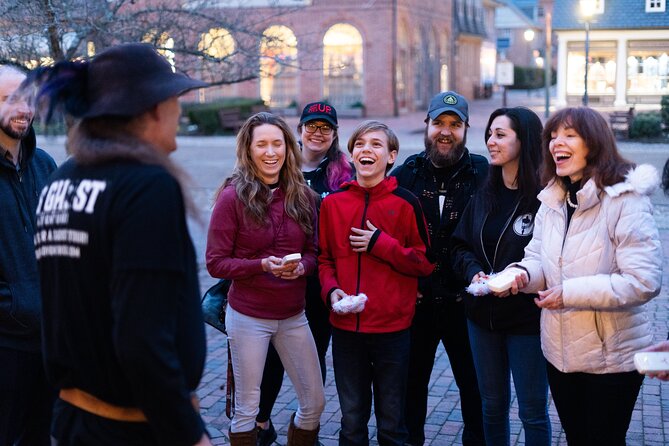
This is a guided walking experience built around Salem’s darker side, especially the era around the Salem witch trials. You’ll hear the “how” and “why” behind the stories at a chain of meaningful locations, not just one spooky landmark. The goal is to help you connect names, houses, and power dynamics into something you can actually picture when you walk the streets later.
The tour is offered in English and runs about 2 hours. You get a mobile ticket, and the group is capped at 20 people, which matters because Salem gets busy. The operator is Salem Ghosts By US Ghost Adventures, and the tour is described as researched and accurate, with a professional, courteous guide.
Logistically, there’s no transportation included. You start at 210 Essex St, Salem, MA 01970, and you end at the Hawthorne Hotel (18 Washington Square W). If you like to keep your day efficient, that finish is a nice anchor point to continue on your own after the tour.
You can also read our reviews of more historical tours in Salem



Price and Time: Does $32 Feel Fair?
At $32 per person for about 2 hours, the value depends on what you want from Salem. If you’re looking for a fast, superficial “quick hits” walk, you might feel it’s pricey. If you want someone to point out which buildings mattered, explain the real legal/political logic behind the witch trial accusations, and keep the story straight across multiple stops, the math looks better.
Here’s why it can feel worth it:
- You’re paying for a guide plus multiple historically significant stops (not just one museum entrance).
- The tour emphasizes thoroughly researched and accurate history, which you’ll notice when the guide ties people and places together.
- The group size cap helps prevent long waits and makes it easier to hear explanations at each point.
If you’re on a tight schedule, the time also helps. Two hours is enough to cover a meaningful route without chewing up half your day, and it still gives you time afterward to visit additional sites you care about.
Walking Style and Pace: What the Route Feels Like
This is a downtown walk with “quite a bit of walking but very manageable” as a common theme. You should plan on being on your feet most of the tour, with occasional pauses for explanations. The information you’re given points to moderate physical fitness, so if you prefer very short excursions, you may want to plan your day around breaks.
The good news is that the route is described as an easy walk around downtown, so you’re not climbing hills or doing anything extreme. Bring comfortable shoes. Also, Salem weather changes fast—so dress like you’ll be outside longer than you think.
And one practical tip: because the tour ends at a different location than where it starts, have a plan for how you’ll get back to your hotel or onward to dinner. Ending near the Hawthorne Hotel can help you pivot right into other sightseeing.
Stop-by-Stop: From Salem’s Old Municipal Building to the Ghost Stories
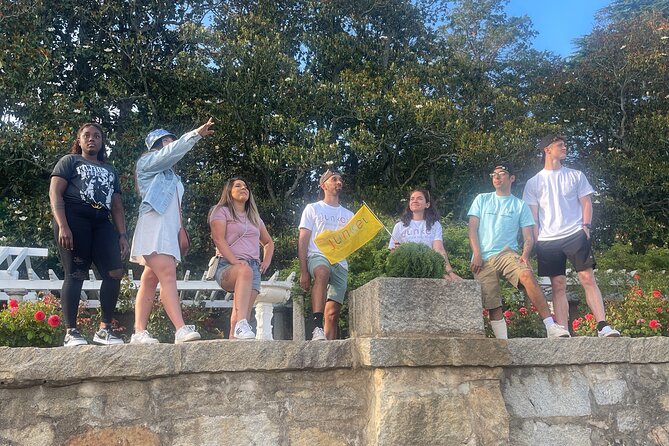
Below is what you can expect from the sequence of stops and why each one matters.
Stop 1: The 1816 Municipal Building in Salem
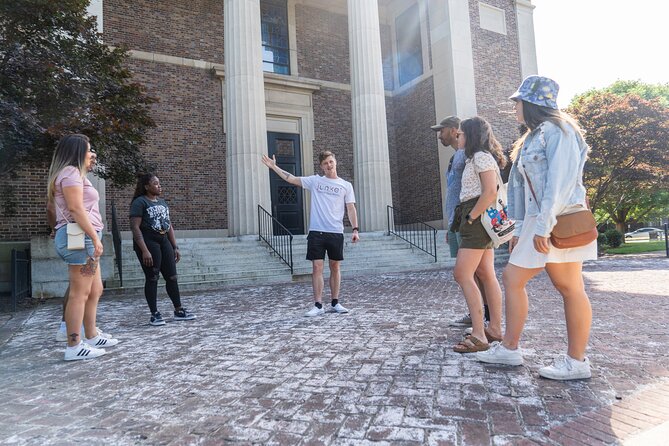
Your first stop sets the tone by showing you Salem’s early civic structure—this site is the oldest original municipal building in Salem, built in 1816. The point here is bigger than the architecture. You’re learning how Salem organized authority and public life long after the founding era, which helps explain how later institutions could carry out decisions with real confidence.
What I like about starting here is that it gives you context. Witch trials don’t happen in a vacuum. They happen inside systems people trust—until they don’t.
Stop 2: A Museum Overview of the 1692 Witch Trials
Next you’ll be in a museum stop that gives a clear overview of the Witch Trials of 1692. The trials are framed as one of the best-known examples of mass hysteria in the United States, and this is your foundation stop. You’ll want this early, because it’s much easier to understand later “micro-stories” when you already know the big timeline and the types of accusations involved.
Potential drawback: this is the stop where you may learn a lot quickly. If you prefer slow, casual pacing, you might feel like you’re catching up for a few minutes here. The fix is simple: take notes or photos of key names as you go.
Stop 3: Judge Jonathan Corwin’s House and the Miscarriages of Justice
Then the tour turns toward the people at the center of the case. This house has direct ties to the witch trials and is described as the only standing house in Salem with those direct connections. It was lived in by Judge Jonathan Corwin, a figure tied to the trials’ judgment process.
This stop also focuses on little-known miscarriages of justice. You’ll get a clearer sense of how legal authority can be used to “confirm” what a community already believes, even when the outcome is wrong.
Stop 4: Nathaniel Ropes and the Tragedy of Loyalist Backlash
A century after Salem’s founding, a different era shows up. This house was sold to local judge Nathanial (Nathaniel) Ropes after the death of its original owner. Ropes is described as a staunch British Loyalist, and the story includes the backlash he faced from his town toward the end of his life.
This stop matters because it broadens your view of Salem beyond 1692. The witch trials get remembered as the headline, but Salem’s later conflicts show how a community can turn on people when loyalties shift.
Stop 5: The Salem Athenaeum and Nathaniel Hawthorne’s Library Leadership
Now you shift into Salem’s literary and social world. The tour connects Nathaniel Hawthorne—author of The Scarlet Letter—to a time when he was head of the Salem Athenaeum, part of a combination of libraries from two societies.
This stop gives you a breather, but it isn’t random. It helps explain why Salem keeps reinventing itself through story. Even if your main interest is dark history, you’ll benefit from knowing that Salem’s famous writers and institutions helped shape what people thought Salem “meant” afterward.
Stop 6: George Corwin’s Plot, His Influence, and a Cruel Reputation
Another Corwin thread follows. The plot where this home was constructed belonged to George Corwin, described as the nephew of Judge Jonathan Corwin. George was Sheriff of Salem during the witch trials and is said to have been overly cruel in actions toward those accused and convicted.
This is one of those stops where you’ll likely feel the story sharpen. The tour is not just pointing at big names; it’s showing you a family network of authority that could intensify fear and enforcement.
Stop 7: Salem’s Old Cemeteries, Giles Corey, and Corwin Ghost Lore
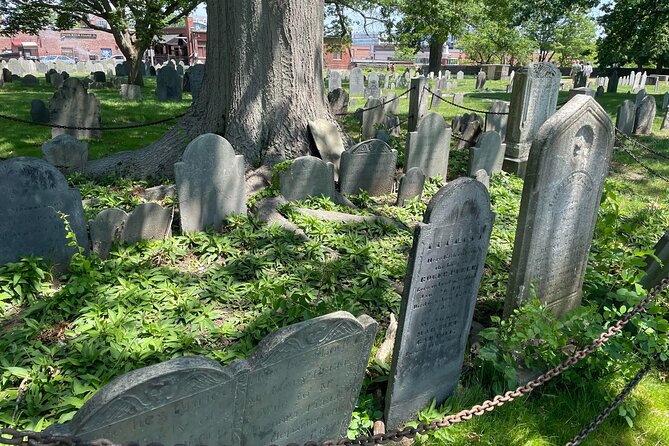
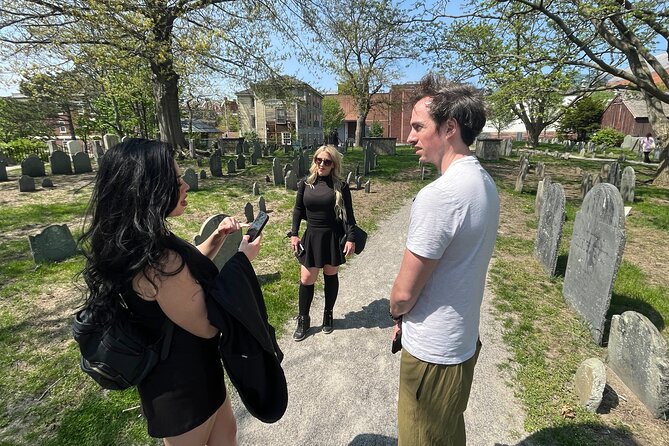
This stop is rooted in age and memory: an established 1637 cemetery, described as one of the oldest cemeteries in the United States. Interred here are the second wife of Giles Corey and Judge Jonathan Corey. You’ll also hear ghost stories—specifically reports of people seeing Judge Corwin wandering among the graves.
Here’s how to enjoy it without getting lost in folklore: treat the ghost talk as part of Salem’s long-running tradition of telling and retelling. The cemetery itself anchors the emotional weight of the period.
A small consideration: cemeteries require a respectful tone and usually cold mornings or damp ground depending on the season. Dress for outdoors.
Stop 8: A Later House with Secrets and Scandal
Next comes a home described as built over a century after the witch trials and not directly linked to them. Still, it’s presented as having “enough secrets” and scandal to go around.
This is where the tour shows a key skill: keeping the Salem “dark history” theme alive even when you’re not in 1692. You’re reminded that Salem’s drama didn’t start or stop with the trials.
Because details aren’t specified beyond that, you’ll get the most out of this stop if you pay attention to the guide’s narration. Different guides often emphasize different angles at this kind of location.
Stop 9: Salem Town vs Salem Village and the Roots of the Hysteria
This is the idea stop: the tour explains the rivalry between Salem Town and Salem Village and how that may have helped provide the foundation for the hysteria that fueled the trials.
If you only remember witch trials as a single event, this is the part that can change how you see them. Fear grows faster when communities are already divided. The rivalry gives you social context, not just courtroom drama.
Stop 10: A Bewitched Filming Spot Tied to Nathaniel Hawthorne
Finally, you end with a modern cultural echo. A spot named for Salem’s famous son Nathaniel Hawthorne includes an episode filming location from the TV series Bewitched in the 1970s.
This ending works because it circles back to Salem’s ongoing relationship with story. Once you’ve heard the trial era framed with names, rivalries, and power, it’s interesting to see how later media borrowed Salem’s atmosphere.
And then you finish at the Hawthorne Hotel, a handy place to regroup and decide what you want to do next.
The Guide Experience: Facts First, With a Spooky Tone
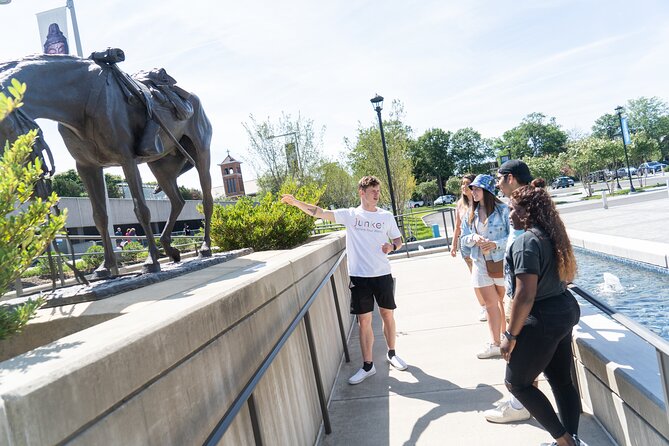
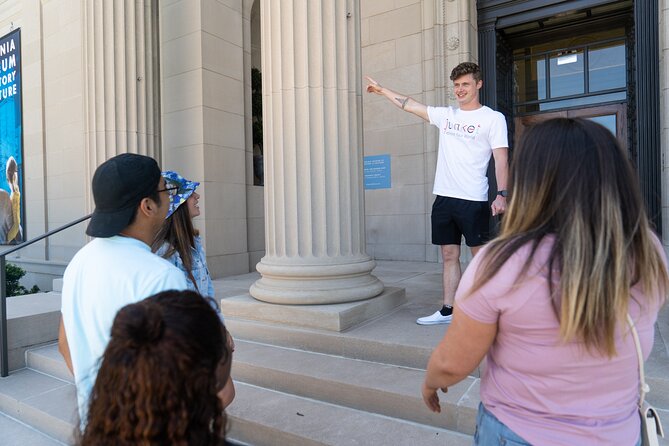
A recurring strength is that guides are praised for being both fun and detailed, often with a light humor style. Names that show up include Mason, Danielle, and John, and the feedback consistently points to strong storytelling and good control of the group’s attention.
What you should expect from a strong guide on this kind of tour:
- They’ll keep the timeline readable, especially when multiple Salem eras overlap.
- They’ll connect people to place so you don’t just memorize names.
- They’ll use the darker material responsibly, not as cheap thrills.
You’ll also notice the tour isn’t limited to witch trials. It folds in later conflicts, literary ties through Hawthorne, and a hint of modern-day Salem identity via TV. That gives you variety across the full two hours.
Practical Tips So You Don’t Miss the Good Parts
If you want this tour to feel sharp (not rushed), here are the moves that matter:
- Arrive early at 210 Essex St. Salem sidewalks are narrow and the start point is critical.
- Wear comfortable walking shoes. You’re doing a downtown route with multiple stops.
- Use your mobile ticket and keep it accessible on your phone.
- Bring a small notebook or notes app so you can capture names like Judge Jonathan Corwin, George Corwin, and Giles Corey.
- If you’re sensitive to dark subject matter, keep your expectations set: this is built around witch trial justice and related tragedies.
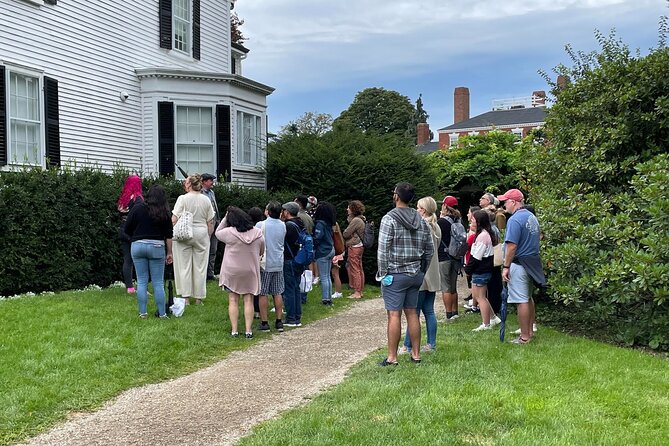
And if you’re traveling with a group, take advantage of the max 20 travelers. It’s easier for the guide to keep everyone together and for you to ask questions at the right moment.
Who This Tour Suits Best
This tour is a great match if you:
- Want a guided Salem walking experience that goes beyond the obvious “witch trial” slogan.
- Enjoy stories that connect history, law, and community conflict.
- Like a small-group format where you can hear the guide and ask follow-ups.
- Want a mix of serious and spooky, with enough context that it still feels grounded.
It also works for varied ages. The feedback includes people with a wide age range, and the tour pace is described as manageable.
If you only want jump-scare horror, this may feel more historical than you want. But if you like your fear tied to real people and real places, you’ll probably have a good time.
Should You Book the Secrets of Salem Hidden Dark History Tour?
I’d book it if your goal is a facts-first, multi-stop walking tour that takes Salem’s witch trials seriously while also explaining the social forces around them. The small group helps, the route stays focused, and the stop sequence builds from major context into named locations and then into later Salem echoes like Hawthorne and Bewitched.
Skip it if you hate walking during short outdoor chunks or if you’re the type who needs total flexibility on timing. And do plan to show up promptly at the start point, because downtown tour timing matters.
FAQ
How long is the Secrets of Salem Hidden Dark History Tour?
The tour lasts about 2 hours.
What does the tour cost?
It costs $32.00 per person.
Where do I start and where does the tour end?
You start at 210 Essex St, Salem, MA 01970 and end at the Hawthorne Hotel, 18 Washington Square W, Salem, MA 01970.
How many people are in the group?
This tour has a maximum of 20 travelers.
Is the tour offered in English?
Yes, it’s offered in English.
Do I need transportation included?
No. Transportation is not included.
What fitness level do I need?
The tour notes a moderate physical fitness level. It involves walking around downtown.
Are service animals allowed?
Yes, service animals are allowed.
When should I book if I want a spot?
On average, this experience is booked about 29 days in advance.
What is the cancellation policy?
You can cancel for a full refund if you do it at least 24 hours before the experience starts. Cancellation within 24 hours does not get refunded.