REVIEW · KUALA LUMPUR
Half Day Cultural And Heritage Walking Tour in Kuala Lumpur
Book on Viator →Operated by Birdy Leisure · Bookable on Viator
KL’s religions are on full display.
This half-day walking tour threads Malay, Chinese and Indian places of worship through the city center, so you see how daily life and faith sit side by side. I like the practical pacing and the way it’s designed to help you read the city faster, not later. I also like that the guide style is friendly and detail-heavy, the kind that helps you understand what you’re looking at without turning it into a lecture.
The biggest thing to keep in mind: it’s about four hours of walking, and lunch isn’t included—so plan for warm weather, bring water, and grab a snack before you get hungry.
In This Review
- Key highlights worth your time
- From Masjid Jamek to Chinatown: Why this route clicks
- Price and what $39.03 really buys you
- Stop 1: Sultan Abdul Samad Jamek Mosque (the starting point vibe)
- Stop 2: Dataran Merdeka (Independence Square with big views)
- Stop 3: The River of Life (KL’s name made photo-friendly)
- Stop 4: Pasar Seni (Central Market) for crafts you can actually buy
- Stop 5: Sin Sze Si Ya Temple (Taoist traditions in the city core)
- Stop 6: Chinatown / Petaling Street (where shopping and food share the sidewalk)
- Stop 7: Kwai Chai Hong (Little Demon Street) and its wall murals
- Stop 8: Sri Maha Mariamman Temple (a striking Indian Hindu worship space)
- Guides like Yen and Ben: what “licensed and trained” looks like on the street
- What you’ll miss if you’re traveling fast or tired
- Tips to make it feel local instead of just touristy
- Who should book this KL heritage walking tour?
- Should you book Half Day Cultural and Heritage Walking Tour in Kuala Lumpur?
- FAQ
- How long is the Half Day Cultural and Heritage Walking Tour?
- Where does the tour start and end?
- What is the price per person?
- Is pickup or drop-off included?
- Who leads the tour?
- Are there admission fees at the stops?
- Does the tour include lunch?
- Is the ticket mobile?
- How big is the group?
- Do I need to worry about weather?
Key highlights worth your time
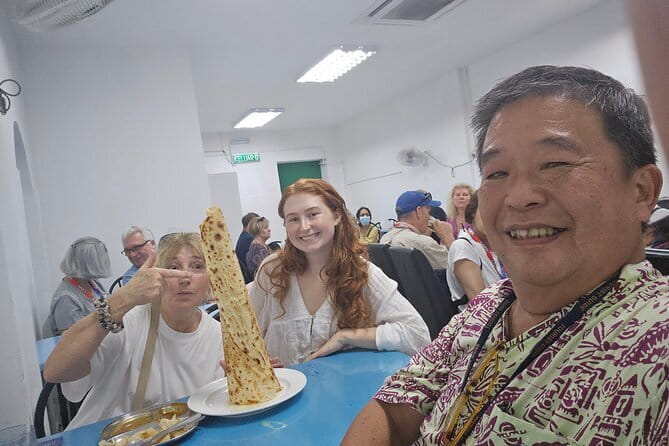
- Licensed guides who explain what you’re seeing so temples and landmarks make sense, not just look impressive
- Free entry at every listed stop (good for value and easy timing)
- A tight route through KL’s core: Merdeka Square, Central Market, Chinatown, and temple districts
- Local-shopping and local-eating focus with the goal of you going home more like a regular than a spectator
- Photo stops that actually pay off like the River of Life and Kwai Chai Hong murals
From Masjid Jamek to Chinatown: Why this route clicks
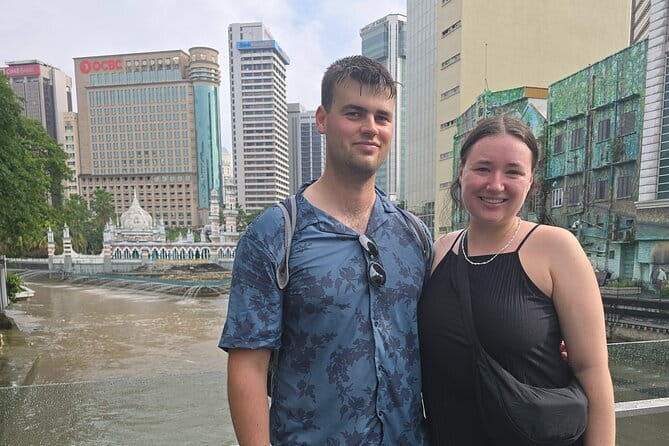
Kuala Lumpur can feel like a stack of neighborhoods—each with its own rules, languages, and style. This tour helps you connect the dots quickly, starting at Masjid Jamek/Jamek Mosque and ending back at the same meeting area. You’re not just hopping between sites; you’re moving through the places where people worship, shop, and eat.
The group stays small, with a maximum of 15. That matters more than you’d think on a walking day: you get a better chance to ask questions and keep up without the tour turning into a human conga line. And because it’s a half-day walk (about 4 hours), you can still plan the rest of your day for museums, rooftop views, or food crawls.
You can also read our reviews of more walking tours in Kuala Lumpur
Price and what $39.03 really buys you
At $39.03 per person, the value is strong for a guided, multi-neighborhood cultural walk. The reason is simple: you’re paying mainly for the guide and the route logic, not for paid attractions. All the listed stops include free admission on your itinerary, so you’re not hit with a string of extra ticket costs.
Also, you’re getting professional commentary from a licensed guide, which shows up in the details: design features on the mosques, why certain squares matter, and what the temple spaces are for. In the reviews, guides like Yen and Ben (Ben Chua) get high praise for clarity and attention—exactly what you want when you’re walking fast and making sense of a lot at once.
One more practical angle: the tour uses a mobile ticket. That keeps things easy on your phone when you’re in the middle of the city and switching between stops.
Stop 1: Sultan Abdul Samad Jamek Mosque (the starting point vibe)
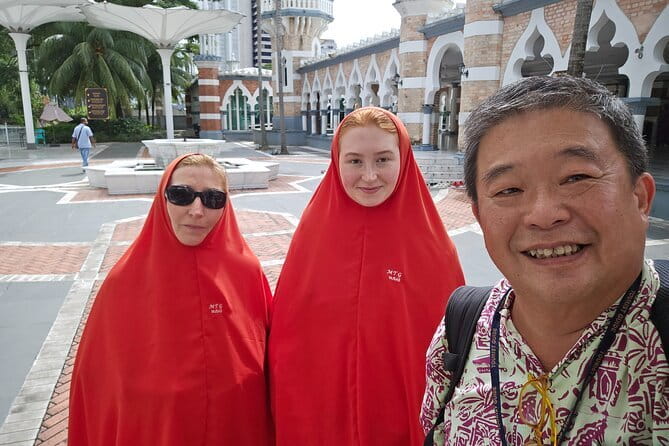
You begin at Sultan Abdul Samad Jamek Mosque, one of Kuala Lumpur’s oldest mosques. The name itself points to its purpose—Jamek relates to congregation, a place for worship gathered in one spot. The tour also calls out that it was designed by A. B. Hubbock, which gives you a useful anchor when you’re looking at architecture instead of just scenery.
What I like here is that the stop isn’t random. You start with a landmark that tells you how KL’s city center took shape. Then you move on with that context in your head.
A small consideration: mosques have a dress and etiquette side. The tour notes the admission is free, but you should still expect to dress respectfully and move carefully inside or around worship spaces.
Time on site: about 30 minutes.
Stop 2: Dataran Merdeka (Independence Square with big views)
Next up is Dataran Merdeka, the Independence Square area, with a scenic, open layout and a cluster of major landmarks. The tour specifically highlights the views around Sultan Abdul Samad Building and the square itself, plus nearby points like the textile museum and the tall Malaysia flag pole.
This is a great stop if you enjoy architecture and landmarks with a “city identity” feel. Independence Square is the kind of place where you can see how a country presents itself in public space—materials, scale, and symbolism all in one frame.
Practical note: this is a 30-minute stop in a more exposed area, so heat and sun can hit harder. If you’re sensitive to humidity, keep your water handy and use shade when it’s available.
Time on site: about 30 minutes.
Stop 3: The River of Life (KL’s name made photo-friendly)
After the big square, you get a shorter stop: The River of Life. This is where you can get good photography related to how the name Kuala Lumpur is tied to a river story. It’s not a long science lecture moment; it’s more like a quick “now I get it” pause for your camera roll.
If you like taking photos, this 15-minute timing helps. It gives you a focused window without dragging your day down.
Time on site: about 15 minutes.
You can also read our reviews of more historical tours in Kuala Lumpur


Stop 4: Pasar Seni (Central Market) for crafts you can actually buy
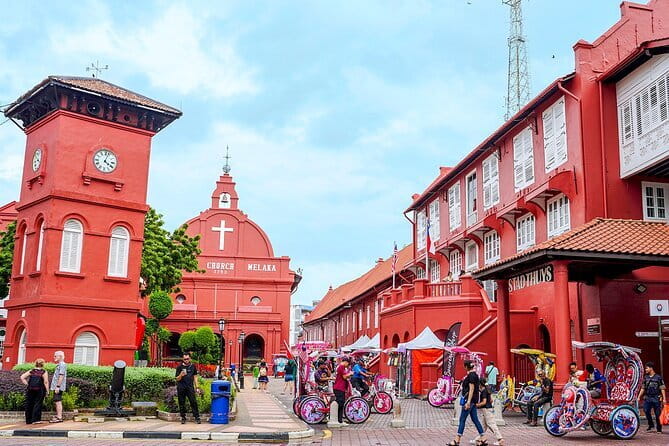
Then you reach Pasar Seni, also known as Central Market. The tour frames it as a cultural and craft hub. It’s also described as formerly a wet market, so you’re seeing a space that has served daily needs and later shifted into an arts-and-shopping role.
This is one of the stops where the tour’s philosophy shows: you’re not only looking at heritage—you’re walking into an area where locals shop and where you can pick up Malaysian-made items like batik and songket, plus craft goods such as Labu Sayong (and other handmade items shown at the market).
What to expect: you’ll likely have time to browse. What to watch for: if you’re shopping, keep your priorities in mind. This is not a sit-down museum break, so decide what you want before you start wandering.
Time on site: about 30 minutes.
Stop 5: Sin Sze Si Ya Temple (Taoist traditions in the city core)
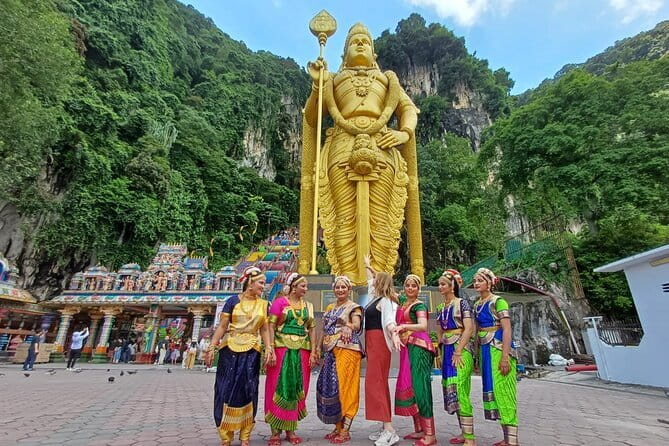
Next is Sin Sze Si Ya Temple, described as one of the oldest Chinese temples in Kuala Lumpur, associated with the founder of KL, Yap Ah Loy. The tour focuses on traditional beliefs connected to Taoism, noting that many practices are still preserved.
This stop is especially valuable if you want to understand that Chinese religion in KL isn’t just a backdrop for tourists. Temples function as living spaces—rituals, symbols, and everyday devotion all fit together. A good licensed guide makes it easier to read what you’re looking at: what elements point to belief, and what role the temple plays in community life.
A practical consideration: temples can involve stairs, narrow walkways, and crowds depending on the time of day. Wear shoes that work on footpaths and be ready for slower moments.
Time on site: about 30 minutes.
Stop 6: Chinatown / Petaling Street (where shopping and food share the sidewalk)
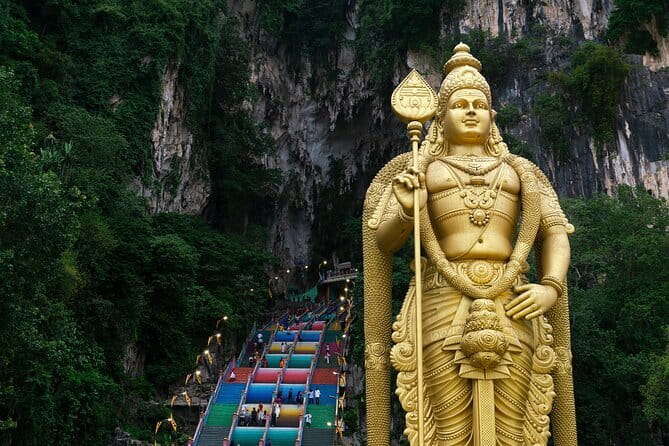
Chinatown in KL is known locally as Petaling Street, and the tour gives you the essentials: you’ll find items ranging from textiles to electronics. Just as important, you’re also in the zone where traditional Chinese food shows up near the shopping streets.
This is often the “favorite stop” type of area because it hits multiple senses at once. If you’re hungry, keep your energy up—this is the part of the route where you may want to stop for snacks, desserts, or proper meal options afterward.
You should also expect a lot of visual noise and lots of people. That’s normal here. Go in with a game plan: what do you want to look for—souvenirs, tea shops, snacks—or just a few photos and a walk-through?
Time on site: about 30 minutes.
Stop 7: Kwai Chai Hong (Little Demon Street) and its wall murals
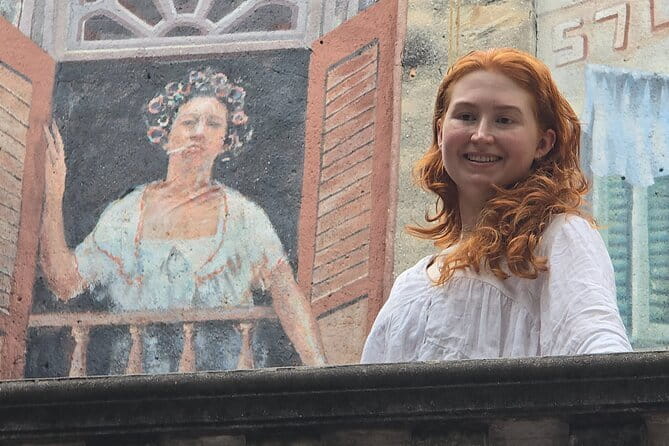
Then comes a short, fun photo stop: Kwai Chai Hong, also called Little Demon Street. This area is famous for wall murals featuring traditional Chinese lifestyle scenes.
Even if you’re not a super-avid street-photo person, murals are an easy win because you can stop, frame, and enjoy without needing to “read” a building or wait in line. It’s also one of those stops that makes the walk feel like you’re moving through stories, not just ticking off locations.
Time on site: about 15 minutes.
Stop 8: Sri Maha Mariamman Temple (a striking Indian Hindu worship space)
To wrap the heritage loop, you visit Sri Maha Mariamman Temple. The tour notes it’s popular and highlights that it’s both cultural and attention-grabbing—which is a nice way of saying this temple is built for presence.
The name and focus tie it to Indian Hindu worship traditions, and this is a useful final contrast point after the mosque and the Chinese temple stop. You’ll feel the theme of the day immediately: how different faith communities occupy shared space in KL’s center, with their own rituals, symbols, and architecture.
If you’re camera-ready, this is another strong photo chance. Just remember that worship spaces are for people first—keep your posture respectful and follow your guide’s direction.
Time on site: about 30 minutes.
Guides like Yen and Ben: what “licensed and trained” looks like on the street
In the reviews, the guides come across as the real engine of the tour. Yen stands out for being attentive, pleasant, and especially good with architectural explanations—one review even called out her focus on British Colonial architecture. Ben (Ben Chua) gets credit for being thorough with temples and areas, and for making the route feel personal, like you’re learning alongside someone who genuinely cares.
That’s what you should look for when booking a heritage walk: not just someone who can name places, but someone who can connect the story to what you see in front of you. On this route, a strong guide helps you understand why these stops sit where they do, and what each community tends to prioritize in public life.
What you’ll miss if you’re traveling fast or tired
This tour works best when you treat it like a guided walk, not a self-paced checklist. If you’re the type who wants to linger 45 minutes at every building, this schedule may feel tight. You’re generally in and out in set time blocks, with around half an hour at many stops.
Also, you shouldn’t assume a lunch plan is built in. Since lunch isn’t included, it’s smart to eat before or plan a meal right after the tour ends back at the meeting point.
Tips to make it feel local instead of just touristy
The tour company’s slogan is come as a tourist, go home as a local, and the route supports that by steering you toward places where locals shop and where people eat. You can help this happen by doing a couple of simple things:
- Carry small cash for market browsing in case you want to buy something on the spot.
- Wear comfortable shoes for city walking and temple corridors.
- Keep your phone charged for photos at the River of Life and Kwai Chai Hong.
- If you have food interests, decide whether you’ll snack on the way or save a full meal for after the tour.
Finally, keep an open mind. The day mixes mosque, independence landmarks, Chinese temples, and Indian worship space. That’s the point—KL isn’t one culture folded into another. It’s multiple cultures side by side.
Who should book this KL heritage walking tour?
Book it if you want:
- A clear introduction to Malay, Chinese, and Indian cultural and religious spaces in KL’s core
- A guide-led route with free admission stops
- A half-day plan that won’t steal your whole day from food and sightseeing
Skip it if you:
- Hate walking or get uncomfortable in heat and humidity
- Want a museum-style visit with lots of indoor downtime
- Need lunch included in the schedule
Should you book Half Day Cultural and Heritage Walking Tour in Kuala Lumpur?
Yes, if you want an efficient, well-explained day in central KL. The best part is how the route links major identity sites—Jamek Mosque and Merdeka Square—with living religious communities in Chinatown and temple areas. At $39.03, with free entry at every stop and a small group size, you’re paying for guidance and context more than ticket add-ons.
If your energy is limited, just go in prepared: water, snacks, and comfortable shoes. Then you’ll get what the guides seem to deliver—street-level understanding of how KL works, and why it looks the way it does.
FAQ
How long is the Half Day Cultural and Heritage Walking Tour?
It runs for about 4 hours.
Where does the tour start and end?
It starts at Masjid Jamek (Kuala Lumpur City Centre, 50050 Kuala Lumpur) and ends back at the meeting point.
What is the price per person?
The price is $39.03 per person.
Is pickup or drop-off included?
No. Pickup and drop-off are not included.
Who leads the tour?
A licensed guide leads the walking tour and provides commentary.
Are there admission fees at the stops?
According to the itinerary details, admission is free for each listed stop.
Does the tour include lunch?
No. Lunch is not included.
Is the ticket mobile?
Yes, you receive a mobile ticket.
How big is the group?
The tour has a maximum of 15 travelers.
Do I need to worry about weather?
Yes. The tour requires good weather. If it’s canceled due to poor weather, you’re offered a different date or a full refund.