REVIEW · BUDAPEST
Budapest: Jewish Heritage Walking Tour with Historian Guide
Book on GetYourGuide →Operated by Kálmán Dániel - Walk with a Historian · Bookable on GetYourGuide
A city can change how you see it in two hours. This Jewish heritage walking tour in Budapest pairs a field-expert historian with real-world places: synagogues, Holocaust memorial sites, and street-level stories that explain how this community shaped daily life.
I really like the historian angle because it turns landmarks into cause-and-effect, not just photos. I also like the small group format (max 10), which makes it easier to ask questions and get answers that actually fit what you’re looking at.
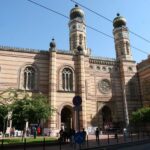
One thing to plan for: Kazinczy Street Synagogue is temporarily closed, so you’ll have entry ticket value for Rumbach Street Synagogue, but at Kazinczy you’ll mostly see the exterior during restoration.
In This Review
- Key highlights you’ll feel on the walk
- Why a historian guide changes how you read Jewish Budapest
- Deák Square start at the Lutheran church: get your bearings fast
- Gozsdu Passage and Gozsdu Udvar: a neighborhood you can read on foot
- Rumbach Street Synagogue: art-historical details with real meaning
- Holocaust memorials: the ghetto wall remnant, Carl Lutz, and the Memory Wall
- Kazinczy Street Synagogue: what you gain when you can’t enter
- Street stories: why the less-known sights matter
- Price and value: is $62 worth it for 2 hours?
- Logistics that actually affect your experience
- Who this tour suits best
- Should you book this Budapest Jewish Heritage walking tour?
- FAQ
- How long is the Budapest Jewish Heritage Walking Tour?
- What language is the tour guide?
- How many people are in the group?
- Where do I meet the guide?
- Which synagogues are visited?
- Is entry to both synagogues included?
- What memorial sites are included?
- How does the tour handle cancellation and payment timing?
Key highlights you’ll feel on the walk
- Historian-guided storytelling with a focus on how places connected to real people
- Rumbach Street Synagogue visit with entry ticket included
- Ghetto Wall Memorial + Holocaust memorial stops, including the Carl Lutz Memorial and Memory Wall
- Gozsdu Passage area walk, with photo stops that help you read the neighborhood
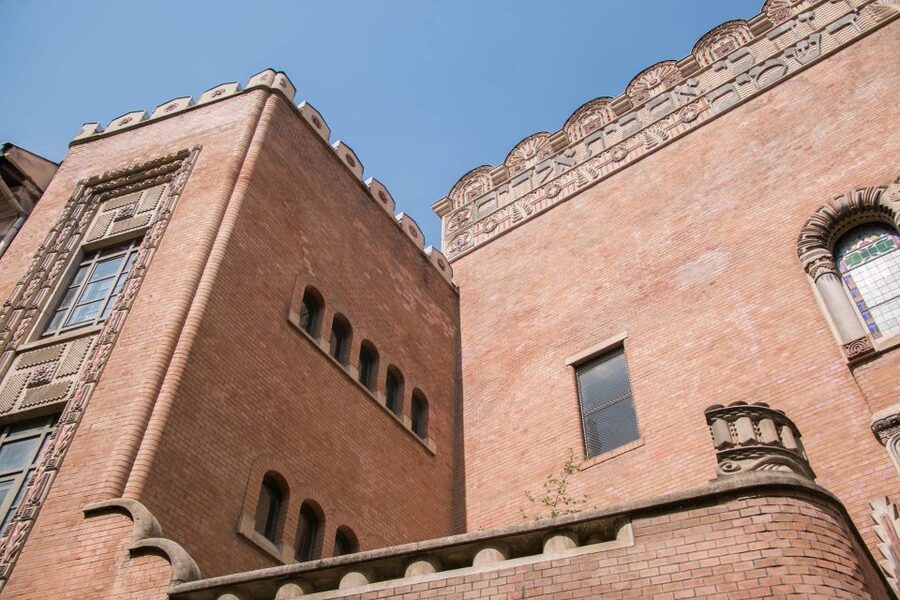
- Kazinczy Street Synagogue exterior view only for now due to reconstruction
Why a historian guide changes how you read Jewish Budapest
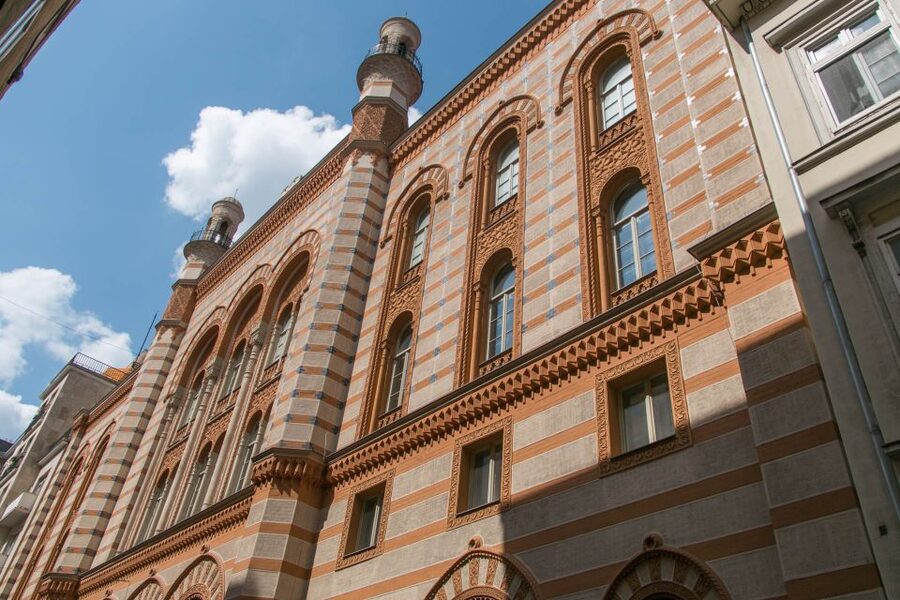
Budapest’s Jewish story isn’t a single monument. It’s a pattern: community life, culture, buildings that marked identity, and then the break that came with the Holocaust and its aftermath. What I appreciate here is the way Kálmán Dániel (your historian guide) uses that pattern while you’re walking, so you connect what you’re seeing with what happened around it.
You’re on the Pest side, where the Jewish community grew strongly from the 18th century through the mid-20th century. The tour doesn’t just say that. It helps you imagine what that kind of growth means: businesses and institutions, neighbors moving through streets, and architecture built to last.
The tone is also practical. Instead of making you memorize dates, the guide points you toward the logic of the district—why these synagogues mattered, why the street plan matters, and what was lost.
You can also read our reviews of more walking tours in Budapest
Deák Square start at the Lutheran church: get your bearings fast
The meeting point is Deák téri evangélikus templom at Deák Square, near the M2 metro entrance. That location is useful because it drops you right into central Budapest’s flow. You can arrive by subway without fuss, and you’re already close to several classic city-walk connections.
Starting at a Lutheran church might seem indirect until you remember something important: religious history in cities is never isolated. Your guide uses that starting point to set up how different communities coexisted in Pest over time. Then you pivot into the Jewish Quarter area with a clearer mindset.
If you’re the type who likes to look up at buildings before reading plaques, you’ll like this start. You’ll be moving soon, and your guide’s explanations are meant to match what’s in front of you, not what’s off in some far museum.
Gozsdu Passage and Gozsdu Udvar: a neighborhood you can read on foot
One of the first transitions on the walk is the Gozsdu Passage area, followed by a stop at Gozsdu Udvar. The goal isn’t only a photo. It’s learning how a neighborhood keeps shifting while still carrying older layers.
Your guide uses the street environment as part of the lesson. You get small moments like guided walking through the Jewish Quarter streets, plus photo stops so you can slow down and actually notice details. That matters because architecture and urban layout are part of how communities express themselves.
This is also where the tour earns its “walking” label. It’s easier to understand why synagogues and community buildings were where they were when you’re looking at the street rhythm—how blocks connect and where people would naturally gather.
Rumbach Street Synagogue: art-historical details with real meaning
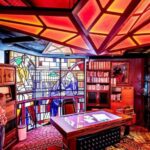
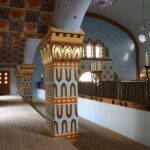
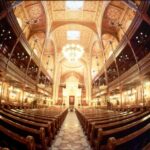
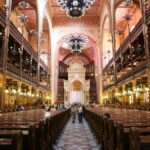
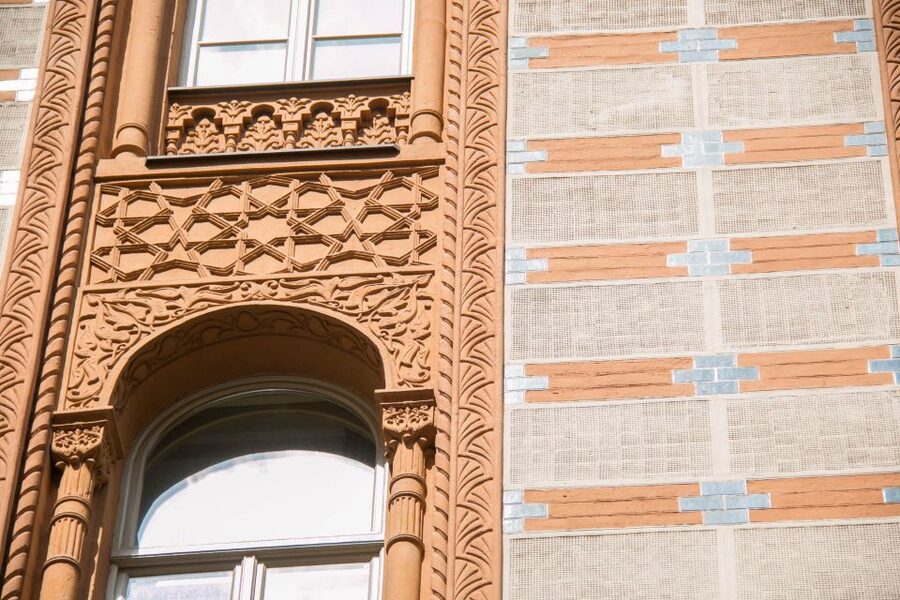
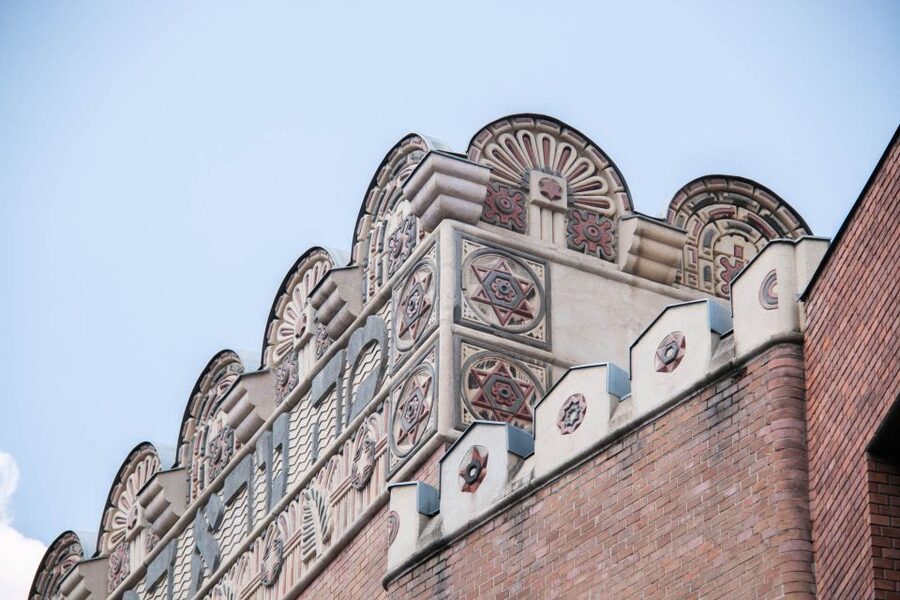
The tour includes a visit to Rumbach Street Synagogue with an entry ticket, so you’re not just viewing from the outside. The emphasis is on both history and art history, which is exactly what you want from a synagogue visit: you’re looking at a place designed for religious life, but also shaped by the time that built it.
During your stop, expect photo time and guided interpretation that connects the building to Budapest’s larger Jewish community story on the Pest side. The tour frames the synagogue as a kind of landmark that tells you how the community wanted to be seen—and how it wanted to gather.
A practical tip: if you tend to rush interiors, slow down here. Synagogues are often visually dense, and your guide’s explanations help you look past the obvious. Even if you don’t know the terminology, you’ll learn what to notice and why it matters.
Holocaust memorials: the ghetto wall remnant, Carl Lutz, and the Memory Wall
This is the emotional center of the tour. You’ll visit Holocaust-related memorials, including a remnant connected to the ghetto wall, plus the Carl Lutz Memorial and a Memory Wall. The tour also includes guided stories meant to make those places feel human rather than abstract.
You’ll hear about ghetto-wall remnants and then shift into remembering individuals and actions—your guide focuses on stories of survival and on people described as miracle-makers who helped others to survive. That framing matters. It keeps the experience from becoming only a catalog of tragedy.
It also helps you understand why memorials are placed where they are. These sites aren’t there just to be read once; they’re there so you can keep returning to questions: How could people help? What did courage look like in everyday actions?
One consideration: these parts can be intense. If you know you get overwhelmed easily, plan to mentally reset afterward. Budapest has plenty of calm corners, and this tour doesn’t waste time getting you back to the city’s atmosphere.
You can also read our reviews of more guided tours in Budapest
Kazinczy Street Synagogue: what you gain when you can’t enter
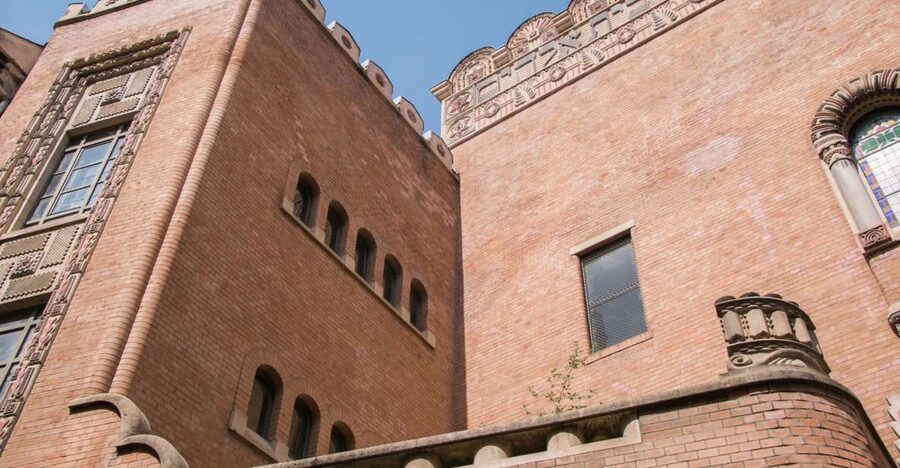
Kazinczy Street Synagogue is visited in a different way because it’s temporarily closed due to restoration. Your tour includes outside viewing and photo moments, but the entry ticket to Kazinczy is not part of the included set during closure.
This could feel disappointing on paper—until you think about what the guide can still do. An exterior-only stop can still teach you a lot: how to read the building’s presence in its urban context, how synagogues functioned as public identity markers, and how destruction or neglect can erase parts of a community’s built footprint.
You’ll likely also hear about other synagogues that once existed in the district and were demolished by the 1930s. Even without entering, that story helps you understand why what remains today is both meaningful and incomplete.
If you absolutely need interior access, this is the one point to weigh. But if you’re here for the historical and human story of the Jewish Quarter, the exterior visit still supports that goal—especially alongside the Holocaust memorial stops.
Street stories: why the less-known sights matter
Here’s one of the most valuable parts of the tour: you’re not only looking at famous points. You’re also learning how the streets themselves carry stories—who lived there, which people became famous, and why.
Your guide also points out lesser-known sights in the Jewish district, which is where a walking format pays off. Buildings and street corners can explain things that museum labels can’t always show: what would have been walkable, what would have been near a synagogue, and how movement through the neighborhood shaped daily life.
This also helps you connect the dots across the route. When you hear about demolitions of other synagogues in the district by the 1930s, you’ll start to see the present-day landscape as a historical layer-cake—some layers preserved, some broken, some gone.
Price and value: is $62 worth it for 2 hours?
At $62 per person for a 2-hour small-group tour (max 10 participants), you’re paying for three main things: a historian guide, guided access that includes entry fees where available, and a focused route that hits the core sites quickly.
Here’s the value math that matters to you:
- Rumbach Street Synagogue entry ticket is included, so you’re not absorbing that cost separately.
- Ghetto Wall Memorial entry ticket is included, which helps keep the Holocaust portion concrete and properly visited.
- You also get a historian guide, which is often the hardest part to replicate on your own. Self-guided walks can work, but you’ll miss the “why this matters” layer unless you’re already a Hungary-and-Jewish-history research machine.
The main “value trade-off” is the temporary closure at Kazinczy Street Synagogue, meaning you’ll see it from the outside. If you’re expecting two full synagogue interiors, manage expectations. If you’re expecting a smart, story-driven walk with key memorial stops, it’s a strong use of time.
And honestly, 2 hours is a sweet spot. It’s long enough to feel guided and connected, but short enough to pair with the rest of your Budapest day without turning it into a marathon.
Logistics that actually affect your experience
This is a live English-language walking tour with a small group, and it’s designed for walking between stops around central Pest. If you like having a simple plan rather than map math, you’ll appreciate that the route is tight and focused.
Wear shoes that handle city pavement and plan for a mix of walking and standing for photo moments. Water helps, and since food and drinks aren’t included, I suggest you either eat before or plan a snack after.
If you’re planning your day, consider that the tour includes several emotionally weighty memorial components. Give yourself time after to regroup. Budapest offers lots of easy, low-effort sightseeing options nearby, so you can keep moving without forcing more heavy stops immediately.
Who this tour suits best
This is a great match if you want:
- Jewish heritage in Budapest explained by a historian, not just a standard sightseeing script
- A route that connects synagogues and Holocaust memorials within one walk
- A small-group experience that doesn’t turn into a crowded shuffle
It’s also a good choice if you’re someone who learns best by seeing places in order, like a story with scenes. The guide’s focus on streets, missing synagogues, and survival stories makes it more than a list of stops.
If you want hands-on museum exhibits or long time inside multiple buildings, you may find the 2-hour format short. But that’s more a style preference than a flaw.
Should you book this Budapest Jewish Heritage walking tour?
I’d book it if you want a guided, historian-led way to understand the Jewish Quarter’s places and what they meant—especially if you care about the Holocaust memorial sites and the Carl Lutz and Memory Wall stops. The small group size and inclusion of major entry components (Rumbach Street Synagogue and the Ghetto Wall Memorial) make the $62 price feel more justified than a generic city walk.
I’d pause if your top priority is entering Kazinczy Street Synagogue interiors during restoration. In that case, the exterior-only visit may not meet your expectations.
If you’re flexible and focused on learning how the district’s story fits together, this tour is a strong use of a couple hours in Budapest.
FAQ
How long is the Budapest Jewish Heritage Walking Tour?
It lasts 2 hours.
What language is the tour guide?
The tour is offered in English.
How many people are in the group?
The group is small, limited to 10 participants.
Where do I meet the guide?
Meet at the entrance of the Lutheran Church at Deák Square (Deák téri evangélikus templom), near the M2 metro entrance of Deák Square.
Which synagogues are visited?
The tour includes a visit to Rumbach Street Synagogue and an outside visit to Kazinczy Street Synagogue.
Is entry to both synagogues included?
Entry ticket to Rumbach Street Synagogue is included. Entry to Kazinczy Street Synagogue is not included because it is temporarily closed due to restoration.
What memorial sites are included?
You’ll visit the Ghetto Wall Memorial, the Carl Lutz Memorial, and a Memory Wall.
How does the tour handle cancellation and payment timing?
You can cancel up to 24 hours in advance for a full refund, and you can reserve now and pay later.