REVIEW · SAN FRANCISCO
San Francisco: Castro District LGBTQ+ History Tour
Book on GetYourGuide →Operated by The Native Experience · Bookable on GetYourGuide
The Castro tells stories on every corner. This San Francisco LGBTQ+ history tour keeps the pace human and the details sharp, with Eric as your guide: a sixth-generation San Francisco native and historian who also works as a POC queer organizer and activist. He brings the lived-through perspective of someone who personally witnessed many of the events you’ll talk about.
I especially like how the tour connects local landmarks to power and policy, not just names on plaques. You’ll unpack the role of the US military in shaping what became one of the most visible queer neighborhoods in the country, and you’ll connect the dots to later flashpoints like the White Night Riots and the landmark gay rights ordinance of 1979. I also liked the way Eric teaches: clear, respectful, and easy to follow, even when the street scene gets chaotic.
One consideration: you’ll be outdoors for much of the walk, and that means noise can happen—construction, street activity, and crowds depending on the day. Eric does check in on audio and comfort, but if you’re sensitive to loud environments, plan to bring patience and good shoes.
In This Review
- Key highlights you’ll actually feel
- Price and what $39 buys you in real terms
- Starting at Harvey Milk Plaza: the route is the lesson
- The US military and the making of a queer city
- Pink Triangle Memorial: how remembrance gets built
- Hibernia Beach (Castro LGBTQ+ Memorial): a different kind of grief
- The GLBT History Museum: where you can keep going after the tour
- Jane Warner Plaza: public safety and a first openly lesbian police officer
- Harvey Milk’s former camera shop: organizing as a lived routine
- White Night Riots and the 1979 ordinance: when anger meets policy
- What the guide experience feels like with Eric
- Timing: 90 minutes is enough to land the story
- Who this tour is best for
- Wheelchair-friendly route and outdoor realities
- Should you book the Castro LGBTQ+ History Tour?
- FAQ
- Where does the tour meet?
- How long is the tour?
- What’s the price per person?
- What’s included in the ticket?
- Is the tour wheelchair accessible?
- What should I bring?
- Which stops are part of the route?
Key highlights you’ll actually feel
- Eric’s firsthand, historian’s-eye storytelling: not just dates—why events mattered, and how they changed daily life
- Memorial stops that go beyond symbolism: Pink Triangle Memorial and the Castro LGBTQ+ Memorial at Hibernia Beach
- Harvey Milk sites in one concentrated route: his former camera shop, campaign headquarters, and residence
- Politics on the street, not in a textbook: the White Night Riots and the 1979 gay rights ordinance
- A place-based lesson in public safety history: Jane Warner Plaza and the legacy of an openly lesbian officer
- A museum stop built into the walk: the GLBT History Museum as part of the larger story
Price and what $39 buys you in real terms
At $39 per person for a 90-minute guided walk, you’re paying for something more than sightseeing. You’re buying a focused, human explanation of how the Castro became the place it is—why certain blocks matter, what the memorials are responding to, and how activism turned into laws and institutions.
This is the kind of tour where the “value” comes from context. If you only stop at a few landmarks on your own, you might see the surface. With Eric guiding you, you get the through-line from earlier queer survival and organizing to the political battles that followed.
You can also read our reviews of more historical tours in San Francisco
Starting at Harvey Milk Plaza: the route is the lesson
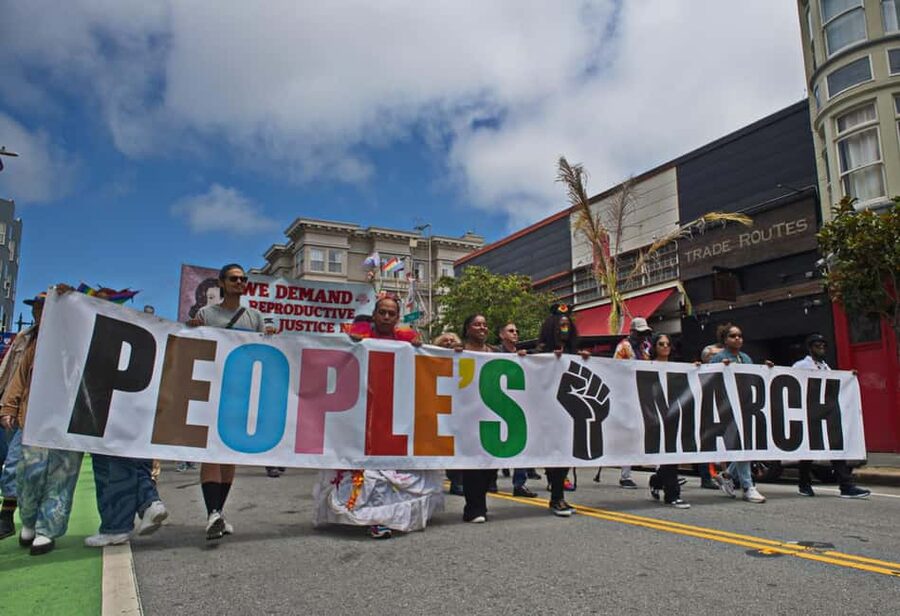
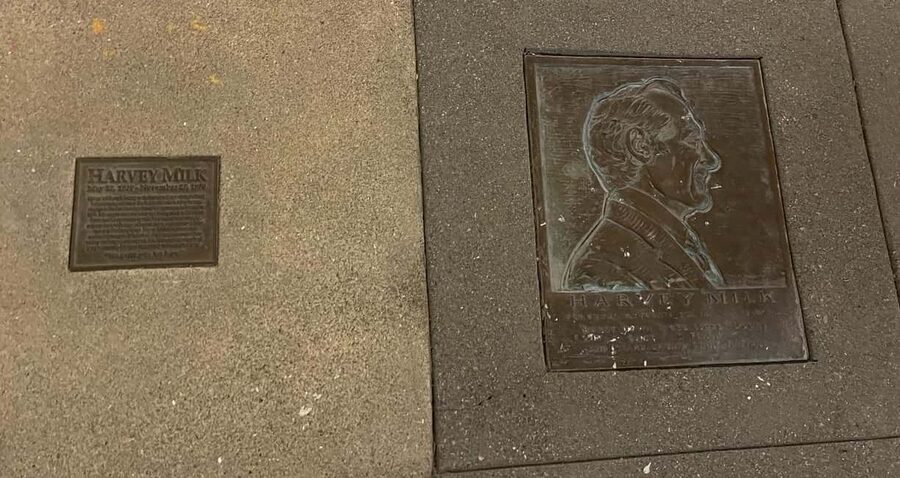
You meet at Harvey Milk Plaza, right by SoulCycle at 400 Castro Street. That matters, because you’re starting where the neighborhood’s modern political identity is on display, not somewhere random.
From the first steps, the tour’s structure is simple: you move along a chain of sites where the story changes shape—sometimes through memorialization, sometimes through organizing, and sometimes through direct confrontation. The 90 minutes stay tight, so expect short transit between stops and more time spent listening at each point.
The US military and the making of a queer city
One of the tour’s most interesting framing moves is that it doesn’t treat the Castro as if it arrived fully formed. Instead, you’ll unpack the role the US military played in the formation of what people often call the gayest city on Earth.
Here’s what that means in practical terms on the ground: your guide explains how military life and movement helped create conditions where queer communities could find each other, build networks, and develop visibility. San Francisco wasn’t only a “scene.” It was also a place where large systems—like the military—brought people, resources, and demographic change.
This is a good checkpoint for your own understanding. When you connect the neighborhood to wider forces, the later landmarks don’t feel like isolated moments. They feel like outcomes.
Pink Triangle Memorial: how remembrance gets built
Next, you’ll visit the Pink Triangle Memorial, the first of its kind honoring gay prisoners killed under the Nazi regime (1933 to 1945). This is a stop that earns your attention.
The power of this memorial isn’t just that it references the Holocaust. It shows how LGBTQ+ history was targeted and erased, and how later generations worked to make that violence visible and memorialized. On a walking tour, this kind of stop can shift your mood quickly—and it should. It’s one of those places where you’re not meant to keep the day casual.
If you’re the kind of person who likes to read memorial text carefully (or pause to take notes), give yourself a minute here. Even with a guided pace, the guide’s explanation helps you see what to notice.
Hibernia Beach (Castro LGBTQ+ Memorial): a different kind of grief
After that, you’ll head to Hibernia Beach, also known as the Castro LGBTQ+ Memorial. This stop adds another layer to how the Castro remembers: not just a Europe-centered history, but a local and community-connected story of harm, survival, and loss.
The value of this stop is how it broadens your understanding of “LGBTQ+ history.” It’s easy to think of history as only activism speeches and legal wins. Memorial sites remind you that progress has always been paid for in pain.
Practical tip: wear comfortable shoes and be ready for uneven ground near coastal areas. You don’t need hiking boots, but you do want stable footing for lingering and listening.
The GLBT History Museum: where you can keep going after the tour
You’ll also visit the GLBT History Museum as part of the route. Even if you don’t plan to spend hours inside, the stop works because it anchors the walk in something tangible: records, exhibits, and documentation.
This is an underrated kind of tour stop. Landmarks tell you where things happened. A museum helps you understand how we know what happened. If you’re the type who likes to leave a tour with follow-up reading, this stop gives you an obvious next step.
Jane Warner Plaza: public safety and a first openly lesbian police officer
Another meaningful stop is Jane Warner Plaza, named after Jane Warner, described here as the first openly lesbian police officer on the San Anselmo police force.
On this kind of tour, it’s easy to focus only on street protests and high-profile arrests. Jane Warner Plaza shifts the lens. It’s about visibility in institutions—how people broke barriers from inside public service, not only from outside it.
If you like the practical side of history—how change gets enacted through everyday systems—this stop will land well. It’s also a nice moment to connect local naming to the broader fight for recognition.
Harvey Milk’s former camera shop: organizing as a lived routine
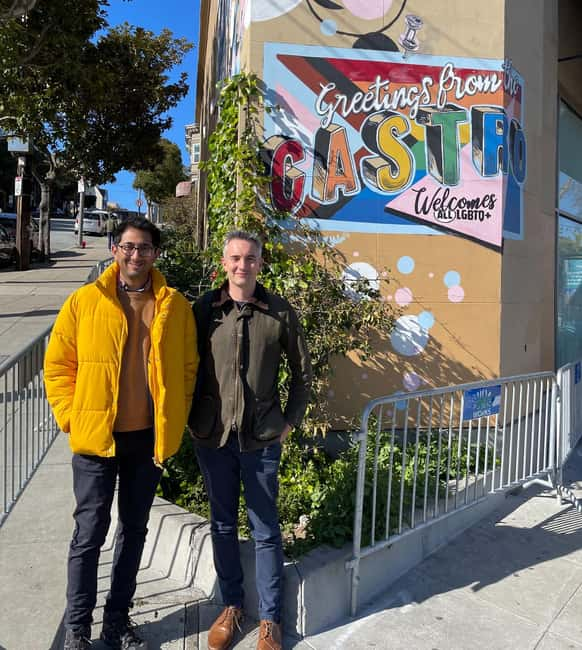
Then you’ll move into the cluster of sites tied to Harvey Milk: his former camera shop, his campaign headquarters, and his residence. Putting these locations together matters. It turns a famous name into a daily map of organizing.
A campaign headquarters isn’t abstract. It’s where conversations happen, plans get made, and people decide to keep going. And a residence brings an added dimension: activism doesn’t stay in the public square. It follows you home.
On the walk, listen for how your guide frames Milk not only as a symbol, but as part of a growing community that learned how to argue, recruit, and win attention in a city that didn’t always want to hear it.
White Night Riots and the 1979 ordinance: when anger meets policy
The tour doesn’t skip the hard chapters. You’ll unpack the legacies of the White Night Riots and the landmark gay rights ordinance of 1979.
Here’s why this section is so valuable: it shows you that progress and backlash can coexist in the same political decade. The emotional story is real, but the strategic story is just as important—how activists pushed forward, how communities responded to perceived injustice, and how the law became both a tool and a battleground.
Even if you already know the names, hearing them connected to neighborhood sites helps your brain organize the events. You’ll leave with a clearer sense of how civic change actually moves: through leadership, conflict, and persistence.
What the guide experience feels like with Eric
Your guide is the star of this tour, and the pattern in the experience is consistent: Eric is described as kind and hospitable, passionate about social politics, and able to explain complex history in a way that makes sense quickly.
What I think you’ll appreciate most is how he manages the real-world pace. One practical example from the tour dynamic: on a busy day (Halloween), there were construction and a street fair setup nearby. Eric still checked in periodically to make sure you could hear him and adjust as needed. That’s not fluff. It’s good guiding.
It also tells you something about how to book this. If you want a calm, classroom-style chat, this might not be that. But if you want thoughtful storytelling that works with San Francisco’s street noise, it’s a strong match.
Timing: 90 minutes is enough to land the story
Ninety minutes is long enough to cover multiple categories—military influence, memorialization, famous local figures, and political turning points. It’s also short enough that you don’t feel trapped.
You’ll likely spend more time listening at each stop than moving between them, which is exactly right for a walking history tour. The Castro packs a punch, and the schedule respects that: you get the highlights without trying to teach the entire century of queer history in one outing.
Bring comfortable shoes. The Castro includes slopes and curbs like any neighborhood in San Francisco, and you’ll want your legs to feel reliable.
Who this tour is best for
This experience is a great fit if you:
- want a concentrated LGBTQ+ walking tour that covers both remembrance and political change
- like understanding how history connects to place names and specific addresses
- prefer a guide who blends historical context with lived activism perspective
- want clear, accessible explanations—not academic jargon
It’s also a smart choice for your first serious day in the Castro, especially if you feel like you’re “just walking around” when you arrive. The tour gives you a mental map fast: where to look, what to notice, and why the block matters.
If you’re only interested in surface-level landmarks and photos, you might find it heavier than you want. But if you’re open to real stories—some joyful, some painful—you’ll get a lot out of it.
Wheelchair-friendly route and outdoor realities
The tour is wheelchair accessible, which is a big plus for many people. Still, it’s a walking route, and San Francisco sidewalks have their own personality—curbs, crossings, and uneven spots near certain areas.
If accessibility is a major factor for you, wear shoes you can walk in comfortably and be ready for short stretches of outdoor terrain. The best approach is to go in expecting a real neighborhood walk, not a smooth indoor museum corridor.
Should you book the Castro LGBTQ+ History Tour?
Yes—if you want a guided route that connects the Castro’s most important sites to the political and human forces behind them. The strongest reason to book is Eric’s blend of historical framing and activism perspective, plus the way the tour ties specific memorials and named places to larger fights for recognition and rights.
I’d skip it only if you’re looking for light, purely photo-op sightseeing or if you’re extremely sensitive to outdoor noise and crowd conditions. Otherwise, this is a high-value, focused 90-minute way to understand why the Castro is what it is—and to leave with names, meanings, and context you can actually carry with you.
FAQ
Where does the tour meet?
You’ll meet at Harvey Milk Plaza, next to SoulCycle, at 400 Castro Street.
How long is the tour?
The tour lasts 90 minutes.
What’s the price per person?
The price is $39 per person.
What’s included in the ticket?
It includes a guided tour with a local historian.
Is the tour wheelchair accessible?
Yes, the tour is listed as wheelchair accessible.
What should I bring?
Wear comfortable shoes.
Which stops are part of the route?
You’ll visit places including the Pink Triangle Memorial, Hibernia Beach (Castro LGBTQ+ Memorial), the GLBT History Museum, Jane Warner Plaza, and the former Harvey Milk camera shop/campaign headquarters/residence.