REVIEW · SIBENIK
Sibenik Private Combined Food & Drink and Historical Tour
Book on Viator →Operated by Sibenik Tour · Bookable on Viator
Šibenik tastes like a history lesson. This private food and drink + historical walking tour turns Old Town streets into a moving story—markets, gardens, and medieval details timed around what you’re eating and sipping. It runs about 4 to 6 hours in Šibenik, in English, and it’s built around real local flavors with extra context.
I like the way the plan is food-first: lunch, snacks, coffee or tea, and alcoholic drinks are woven into the route instead of tacked on at the end. And I also like that the guide, Igor, connects small, surprising details—like an appetizer tied to Queen Elizabeth II’s coronation—to everyday life and long-ago trade.
One thing to consider: it’s weather-dependent and you’ll be walking, so bring comfy shoes and plan for some sun (or clouds) along the way.
In This Review
- Key things I’d circle before you book
- The Tour at a Glance: 4–6 Hours, Private, and Built Around Eating
- Who Igor Is to the Experience (and Why That Improves Your Day)
- Where the Day Starts in Šibenik: Café Culture, Appetizers, and Familiar Meets Unfamiliar
- Open-Air Market and Medieval Market Stops: What to Watch For While You Taste
- Mediterranean Garden in Old Town: Herbs, Traditions, and Why the Setting Matters
- The Drink Stops: Wine Stories You’ll Actually Remember
- The Medieval Weirdness (In a Good Way): Donkey Races, Revolts, and Everyday Rules
- Lunch, Snacks, and the Sea-to-Plate Logic
- Price and Value: Is $178.54 Worth It?
- Practical Details That Affect Your Experience
- Who Should Book This Tour (and Who Might Not Love It)
- Should You Book This Private Šibenik Food & Drink and Historical Tour?
- FAQ
- How long is the Šibenik Private Combined Food & Drink and Historical Tour?
- Is this tour private or shared?
- What language is the tour offered in?
- What’s included with the price?
- Do I get a mobile ticket?
- Is the tour near public transportation?
- Is the tour suitable for most travelers?
- What happens if the weather is bad?
Key things I’d circle before you book
- Private group, small-group feel so you can ask questions and move at a human pace
- Lunch + snacks + alcoholic drinks included, not just soft drinks
- Market-to-garden route with an open-air market, a medieval market stop, and the Mediterranean Garden
- Drink stories with teeth: wines paired with local traditions, including debt and sea-washed olive habits
- A guide who mixes humor with history (Igor’s jokes are part of the pacing, not an add-on)
The Tour at a Glance: 4–6 Hours, Private, and Built Around Eating
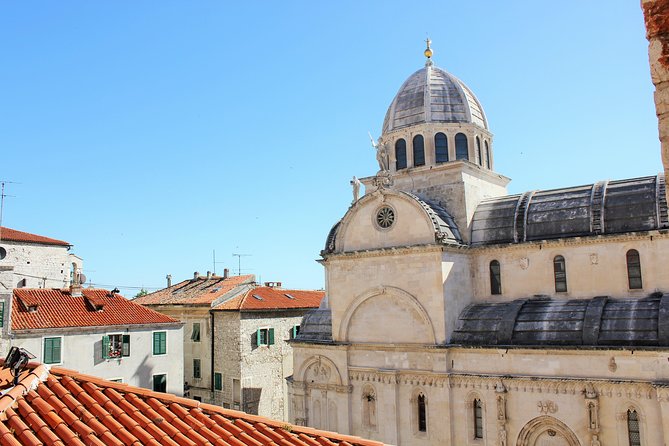
This is a private Šibenik tour, so only your group goes. That matters more than it sounds. In a town where the best history cues are on doorways, alleys, and market stalls, you want time to look without feeling rushed or stuck behind a bigger crowd.
The pacing also helps you avoid the usual tourist problem: you see sights, but you don’t understand why they matter. Here, the structure is “eat, then learn.” Lunch and snacks are part of the walking rhythm, and the drinks are not an afterthought. You’re tasting things as you pass the places where they were historically used—food and drink become the guide.
Duration is listed as about 4 to 6 hours. That range gives breathing room for ordering, tasting, photo stops, and the kind of side stories that make the afternoon feel longer—in a good way.
You can also read our reviews of more tours and experiences in Sibenik.

Who Igor Is to the Experience (and Why That Improves Your Day)
In the middle of all the food and drink, the biggest quality signal is the guide. Igor shows up as the kind of person who treats this as more than a job. He’s animated, funny, and able to connect everyday practices to centuries-old events without turning it into a lecture.
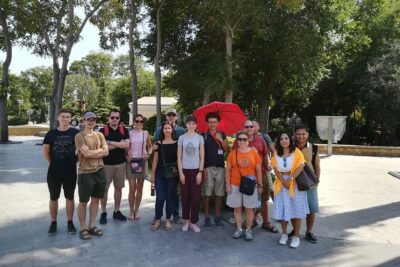
You’ll feel it in how the stops are handled. Hosts greet you at each point along the route, and the day has that “friends walking you through town” tone. People describe it as personal, with lots of laughter and easy conversation.
The practical payoff: when a tour makes room for questions, you leave with better mental photos. You remember where the story happened, not just what was said. And if you enjoy history but hate feeling trapped in museums, this style works well because you’re outside, moving, and eating.
Where the Day Starts in Šibenik: Café Culture, Appetizers, and Familiar Meets Unfamiliar
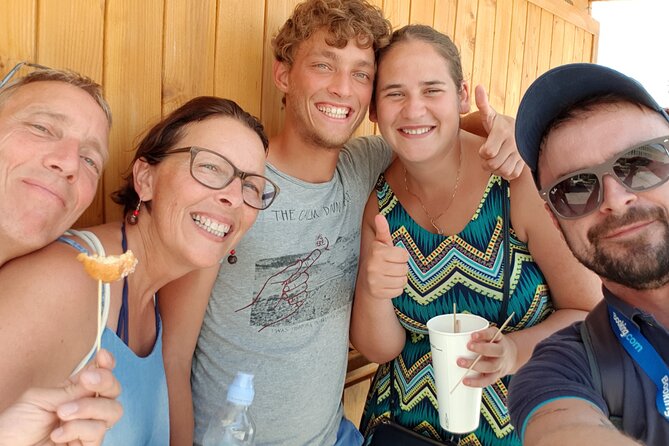
The route begins in Šibenik and quickly goes beyond the obvious. Early on, you get a feel for café culture and everyday street rhythms—then the tour nudges you into history through food.
One standout is the appetizer concept tied to the coronation of Queen Elizabeth II. It’s the kind of detail that sounds oddly specific until you realize it’s exactly how local culture remembers big moments: through what people ate and served, not through marble monuments.
From there, you’ll encounter a mix of flavors that reflect Šibenik’s location at a crossroads of cultures. You might get something like a Balkan-style hamburger as you hear how food traveled and adapted. You’ll also hear about a local grape connected to the UN building in New York. The point isn’t trivia for trivia’s sake—it’s the idea that a place can carry international meaning through something as common as a grape.
The day also includes playful references—things like basketball Mozart and Brangelina divorce—used as memory hooks. They’re not random. They keep the afternoon from feeling heavy while the historical anchors keep landing.
Open-Air Market and Medieval Market Stops: What to Watch For While You Taste
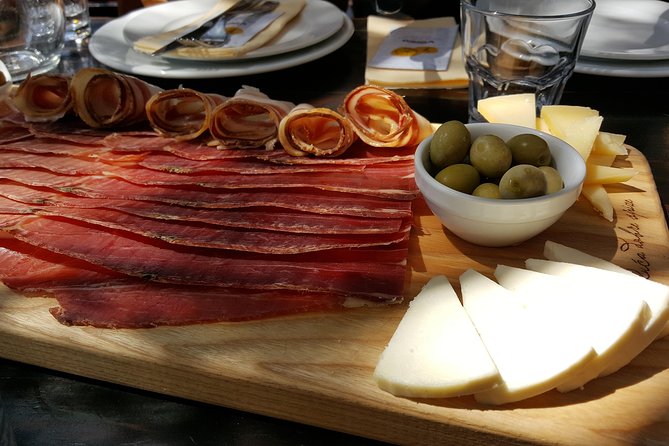
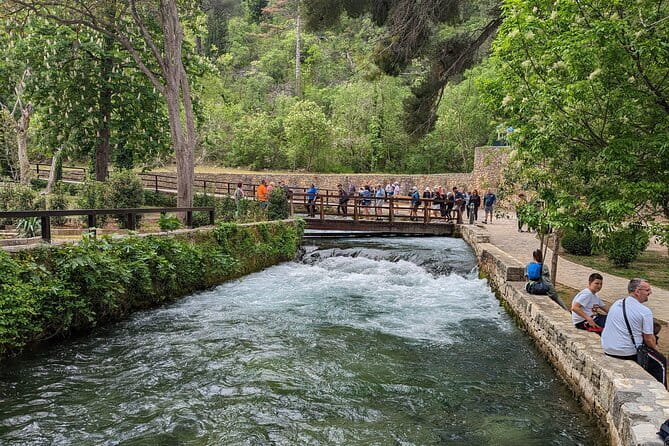
A big part of the experience is sampling in market environments. You’ll visit the open-air market and also a medieval market stop (even though the layout you’ll see is modern). That contrast is useful: it shows you how a market tradition keeps the skeleton of the past while changing the body.
Here’s how I’d approach it if I were on the tour with you. Eat slowly and watch what’s happening around you. When the guide talks about Mediterranean herbs, olive oil habits, and local ingredients, it’s easier to connect if you’re looking at stalls and the textures of everyday goods. The scents and visuals help the stories stick.
The tour also includes sweet fritters and baked filled pastries that you can find across the former Ottoman Empire’s cuisines. That’s another reason market stops work. When you see the food forms, you get a clearer sense of influence—what changed and what stayed familiar.
Potential drawback: if you’re the type who prefers a totally calm, single-meal experience, the market cadence can feel intense. This is a “sample as you go” structure. The upside is that you don’t have to commit to just one thing—you get a range.
Mediterranean Garden in Old Town: Herbs, Traditions, and Why the Setting Matters
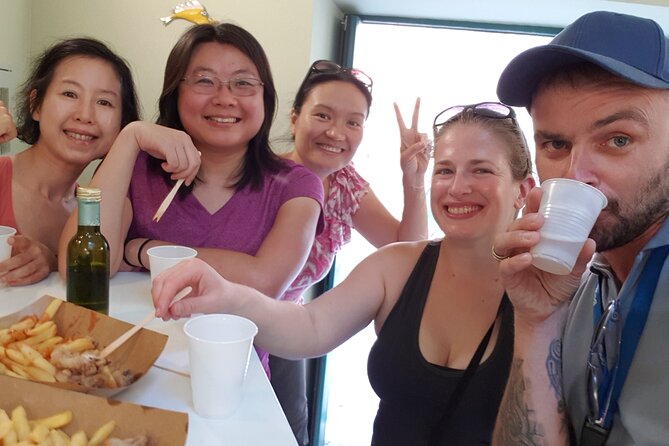
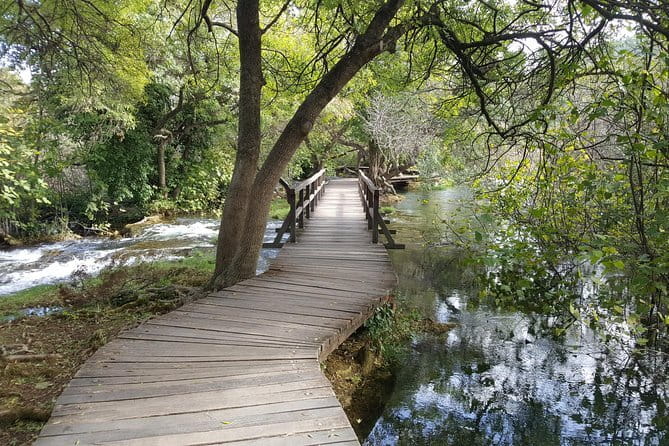
One of the more memorable stops is the Mediterranean Garden in the old town. Gardens like this do two jobs. They offer a visual break from streets and they also make the herb stories make sense.
When the guide talks about Mediterranean herbs and local grapes with historical meaning, the garden becomes your background context. You’re not just hearing that the region uses specific plants—you’re standing near them, which changes how the information lands.
This stop also gives you a nice pacing reset. After markets and dense alleys, it’s easier to breathe and digest (literally). And because the tour mixes food and drinking throughout the day, a calm pause helps prevent the afternoon from turning into a blur.
The Drink Stops: Wine Stories You’ll Actually Remember
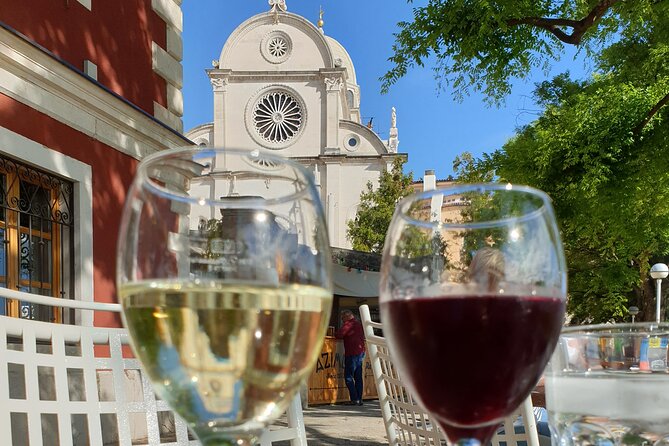
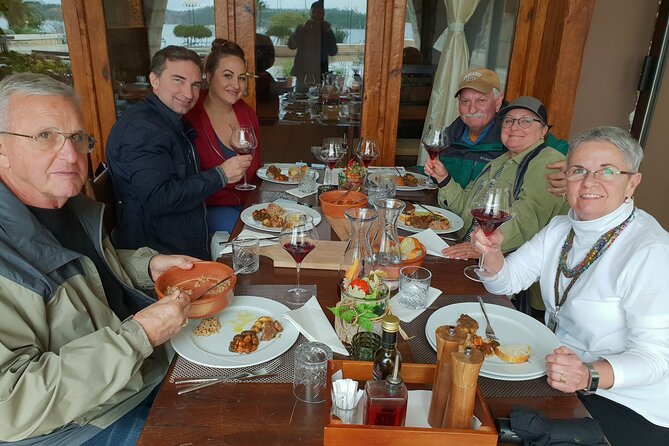
If you’re thinking about what’s included, the alcohol component is real: alcoholic beverages are included along the way, plus bottled water. That matters for value and for enjoyment because wine and local pairings aren’t just sprinkled in—they’re part of the narrative.
Expect the tour to talk about:
- A mix of white wine and soda water, or red wine and still water, depending on the pairing
- White wine locals used to pay debt to the Venetians
- Olive oil currency concepts
- How locals washed olives with sea water
Those sound like separate bullet points, but the tour’s strength is tying them together as a single theme: trade, survival, and local logic. When you hear that a product could function like a form of payment, you start noticing how food was more than food. It was a tool.
Practical advice: if you’re sensitive to alcohol, pace yourself. The tour includes multiple tastes across stops, and the day can run toward the longer end of the 4–6 hour window.
The Medieval Weirdness (In a Good Way): Donkey Races, Revolts, and Everyday Rules
The historical portion isn’t dry. It’s packed with story fragments that feel weird enough to be memorable, like donkey races and an anti-aristocratic revolt. You’ll also hear about the plague of Šibenik in 1649, which adds a darker realism to the lighter moments.
Other medieval-flavored details you’ll encounter through the route include:
- A cooking “bell”
- A medieval cloth measurer
- Animal rights in the Middle Ages
- Sea-related and market-related customs connected to daily labor
- References to summer homes of Sibenik noblemen
The mix matters. If your only goal is romance and views, history can feel like homework. Here, the guide uses human-scale details—rules, tools, jobs, and even odd events—to show how people lived. It becomes less about kings and dates and more about how ordinary life worked under pressure.
And yes, there’s humor layered into the telling. It keeps you awake and helps you remember names, places, and the punchline version of the lesson.
Lunch, Snacks, and the Sea-to-Plate Logic
Lunch is included, along with coffee and/or tea and snacks. There’s also bottled water throughout. From a planning standpoint, that’s big. Food tours can be expensive when drinks are extra and lunch is vague. Here, you can reasonably expect the day to deliver a structured meal experience plus additional tasting stops.
There’s also a sea-food thread: shell fish farms show up as part of the story. That ties Šibenik’s food identity to the water surrounding it. Even if your palate doesn’t love every seafood-forward idea, the context helps you understand what locals would’ve depended on.
One practical note: based on how people talk about this tour, it’s smart not to eat a heavy breakfast. The afternoon is built for tasting, and if you start full, you might feel rushed through portions you could enjoy more slowly.
Price and Value: Is $178.54 Worth It?
At $178.54 per person, this isn’t a budget snack crawl. But it also isn’t “pay for a guide and hope lunch is good.” The value comes from what’s included and how it’s used.
You get:
- Lunch
- Coffee and/or tea
- Snacks
- Alcoholic beverages
- Bottled water
- Admission ticket included
In many places, you’d pay separately for a guided walk, a market tasting component, and drinks. Here those elements are bundled with the history. That’s the key difference. You’re paying for an organized afternoon that feeds you while explaining what you’re actually seeing.
It’s also private, so the per-person cost can make sense when you compare it to the idea of paying for multiple separate experiences—dinner later, tastings separately, and then a separate tour to learn what you ate.
Practical Details That Affect Your Experience
This tour is offered in English. Confirmation is handled by the provider, and you receive it at booking time unless you book within two days of travel, in which case confirmation arrives within 48 hours subject to availability.
The tour is near public transportation, which helps if you don’t want to rely on taxis for every segment of your day. Most travelers can participate, but you should still plan for walking and standing—this is an old-town route with tasting stops.
And yes, it requires good weather. If the day turns rainy or too wet, the experience may be rescheduled or refunded. Pack for that reality with a light layer and shoes that handle uneven streets.
Who Should Book This Tour (and Who Might Not Love It)
This tour is perfect if you:
- Want a Šibenik day that mixes tasting with context instead of “history talk, then dinner”
- Enjoy markets and outdoor settings
- Like humor in your guide stories, not just facts
- Prefer a private group structure so you can slow down and ask questions
It might not be ideal if you:
- Hate walking for several hours or standing at food stops
- Want only one meal and nothing else
- Drink very little and dislike alcohol being a central part of the experience pacing
Should You Book This Private Šibenik Food & Drink and Historical Tour?
If your goal is to understand Šibenik through what locals would recognize, this tour is an easy yes. The day is structured so you taste, then you understand. And with Igor leading the route, you get the kind of storytelling that makes odd historical details feel human—whether it’s the plague year 1649, sea-washed olive habits, or the coronation appetizer connection.
Book it when you’ll have your best energy for walking. Skip the heavy breakfast, wear comfy shoes, and give the guide room to steer. You’ll come away feeling like you experienced Šibenik rather than just passing through it.
FAQ
How long is the Šibenik Private Combined Food & Drink and Historical Tour?
It runs about 4 to 6 hours.
Is this tour private or shared?
It’s a private tour/activity, meaning only your group participates.
What language is the tour offered in?
The tour is offered in English.
What’s included with the price?
Lunch, coffee and/or tea, snacks, alcoholic beverages, and bottled water are included. An admission ticket is also included.
Do I get a mobile ticket?
Yes, the tour includes a mobile ticket.
Is the tour near public transportation?
Yes, it’s near public transportation.
Is the tour suitable for most travelers?
Most travelers can participate.
What happens if the weather is bad?
The experience requires good weather. If it’s canceled due to poor weather, you’ll be offered a different date or a full refund.
If you tell me your travel dates and how many people are in your group, I can help you think through timing and how to best pair this with the rest of your Šibenik (or nearby) day.